
Discover insights about this artwork
Allegory of Love, Cupid and Psyche — History & Facts
Allegory of Love, Cupid and Psyche shows the figures of Cupid and Psyche intertwined in a tender embrace. They are surrounded by a dreamy landscape filled with soft clouds and gentle colors. Cupid, with his wings, appears youthful and playful, while Psyche looks serene and loving.
The colors used are soft pastels, creating a warm and inviting atmosphere around the couple. Look closely at Cupid's features; his expression is one of affection and mischief. Psyche's flowing hair and delicate dress add to her ethereal beauty. The background is filled with light, which highlights the figures in the foreground.
The gentle curves and lines of the painting enhance the feeling of love and harmony between the two characters. Francisco de Goya was a prominent Spanish painter known for his emotional depth and innovative techniques. He painted this work during the late 18th century, a time when Romanticism was beginning to flourish in art. Goya's exploration of human emotion and relationships is evident in this piece.
Interestingly, Goya often used his art to comment on society and politics, making him a significant figure in the transition to modern art.
More Artworks by Francisco de Goya
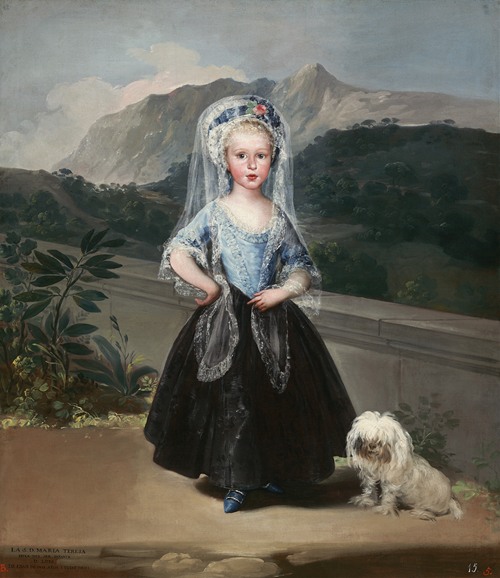
María Teresa de Borbón y Vallabriga,later Condesa de Chinchón
Francisco de Goya
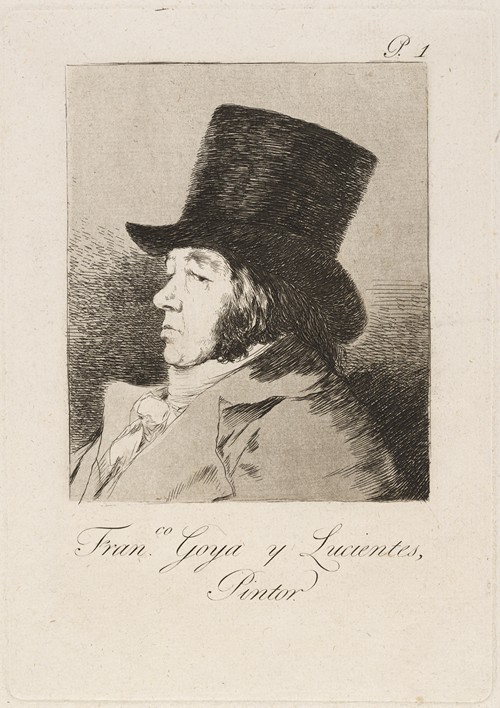
Francisco Goya y Lucientes, Pintor (Francisco Goya y Lucientes, painter)
Francisco de Goya
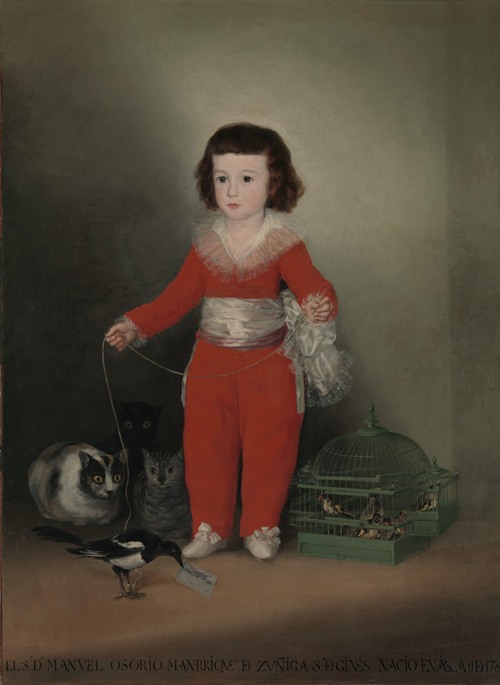
Manuel Osorio Manrique de Zuñiga (1784–1792)
Francisco de Goya
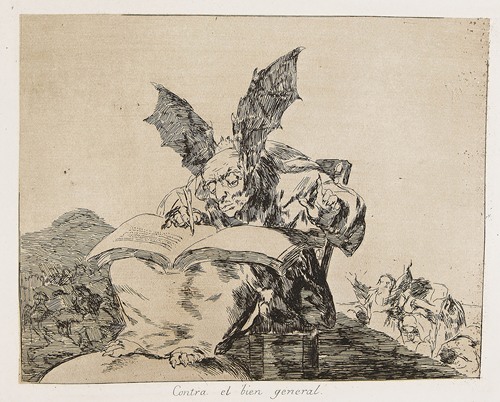
Los desastres de la guerra
Francisco de Goya
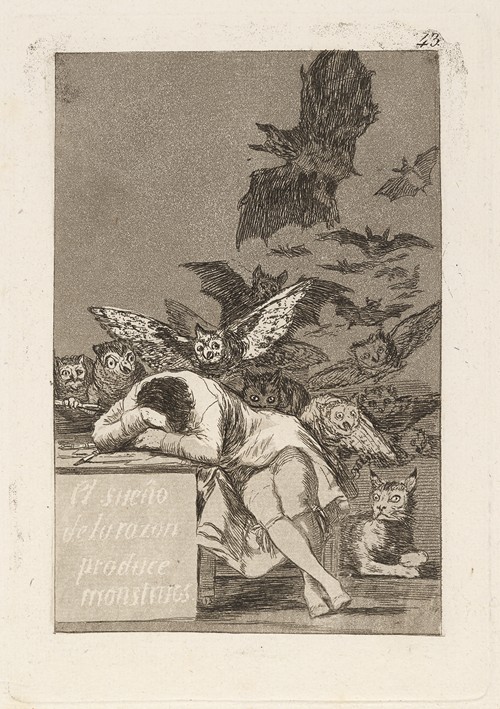
El sueño de la razon produce monstruos. (The sleep of reason produces monsters.)
Francisco de Goya
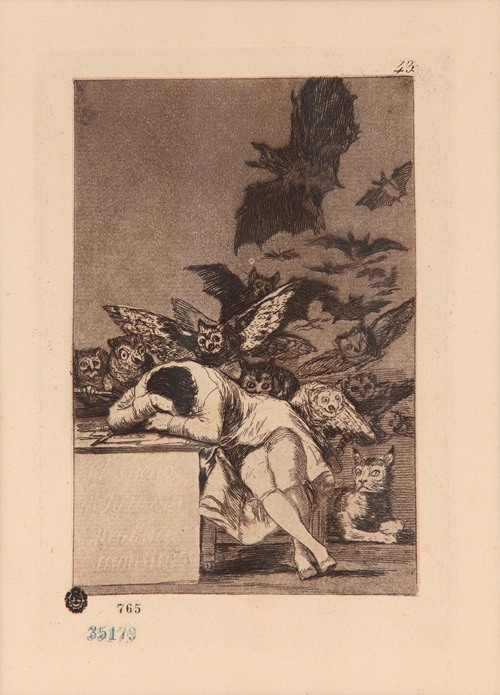
El sueño de la razon produce moustruos (Serie Caprichos)
Francisco de Goya
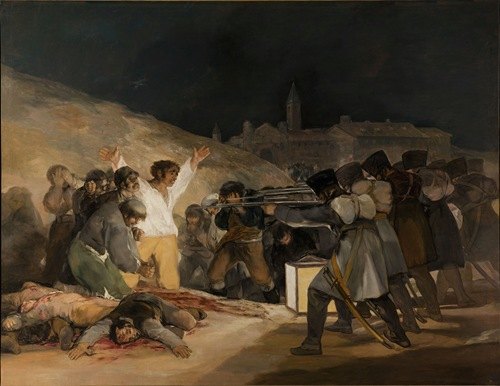
The Third of May
Francisco de Goya
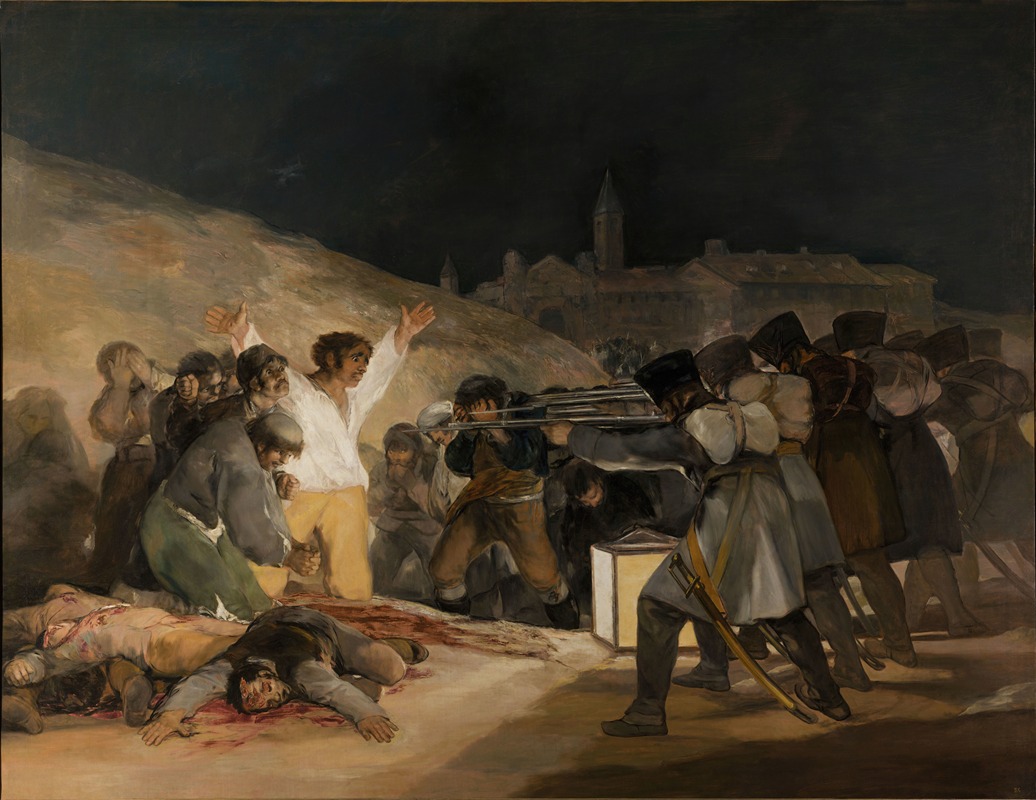
The Third of May 1808
Francisco de Goya
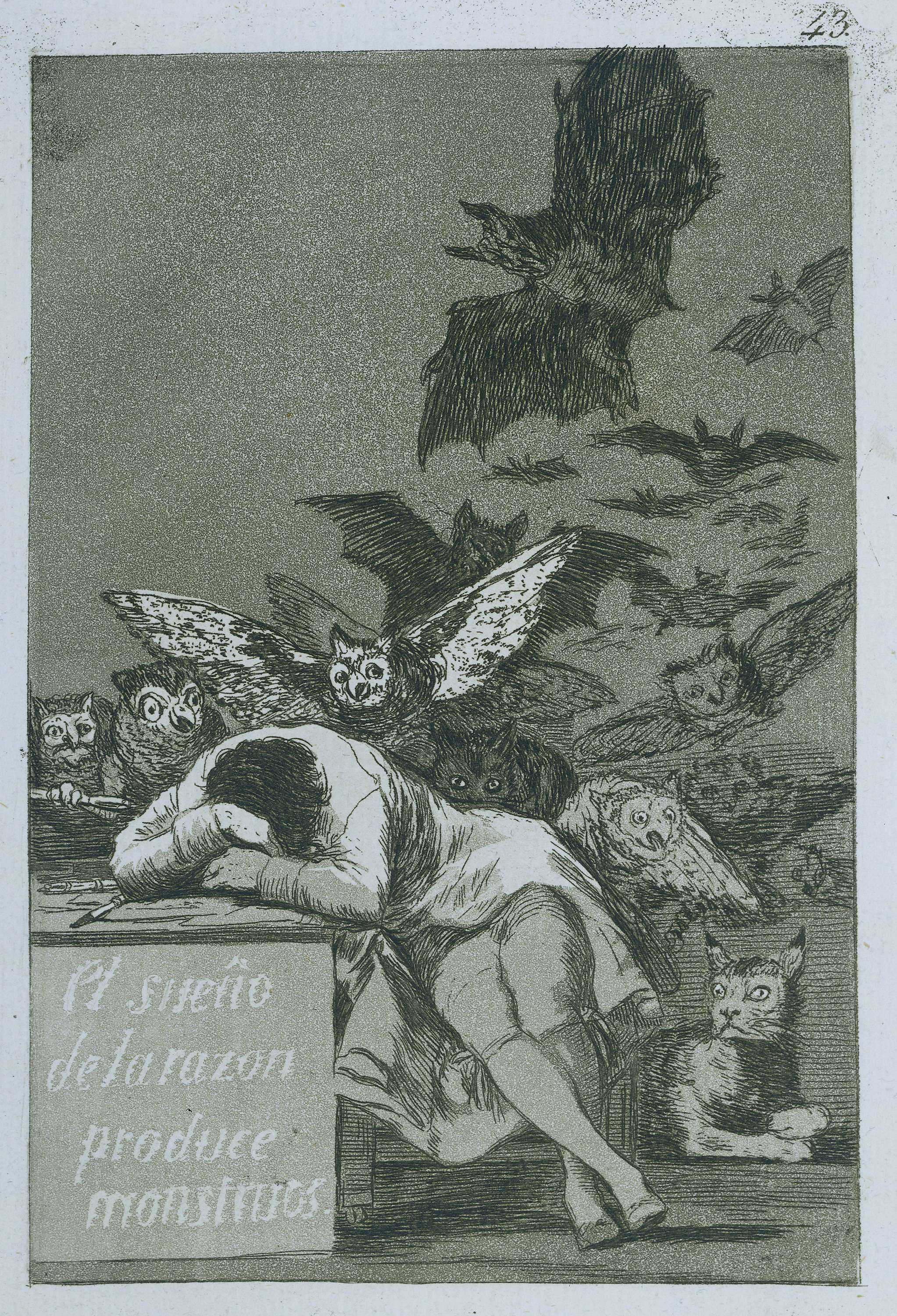
De slaap van de rede brengt monsters voort
Francisco de Goya
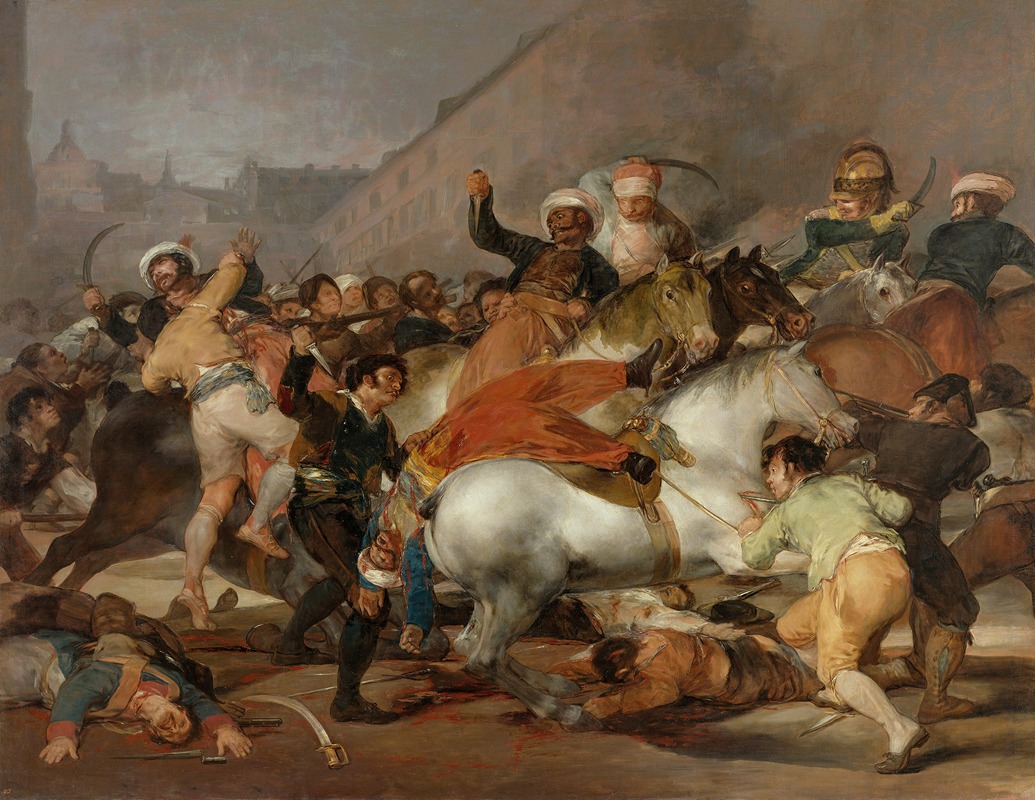
The Charge of the Mamelukes (1814)
Francisco de Goya
More Allegory Art
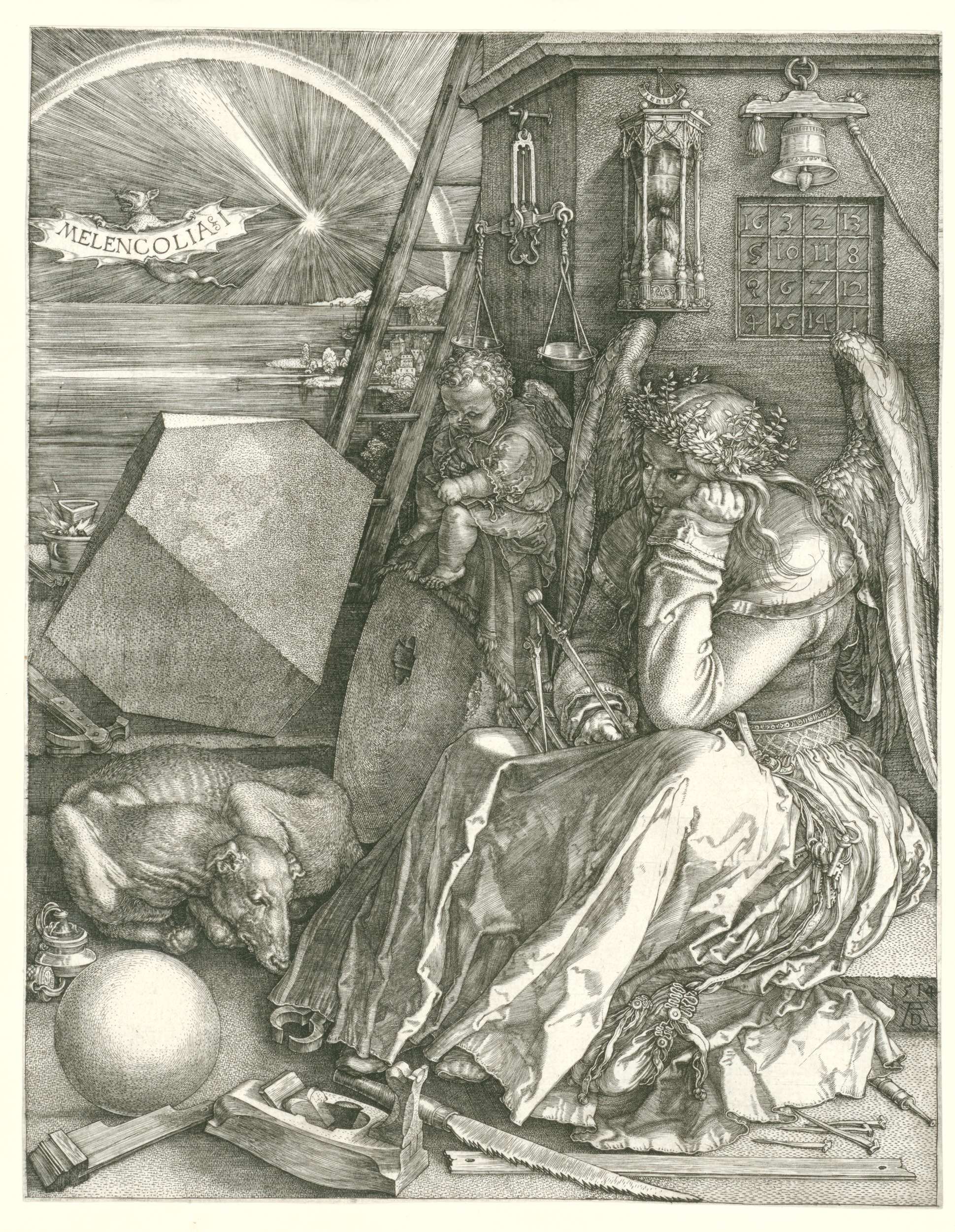
Melancholia
Albrecht Dürer
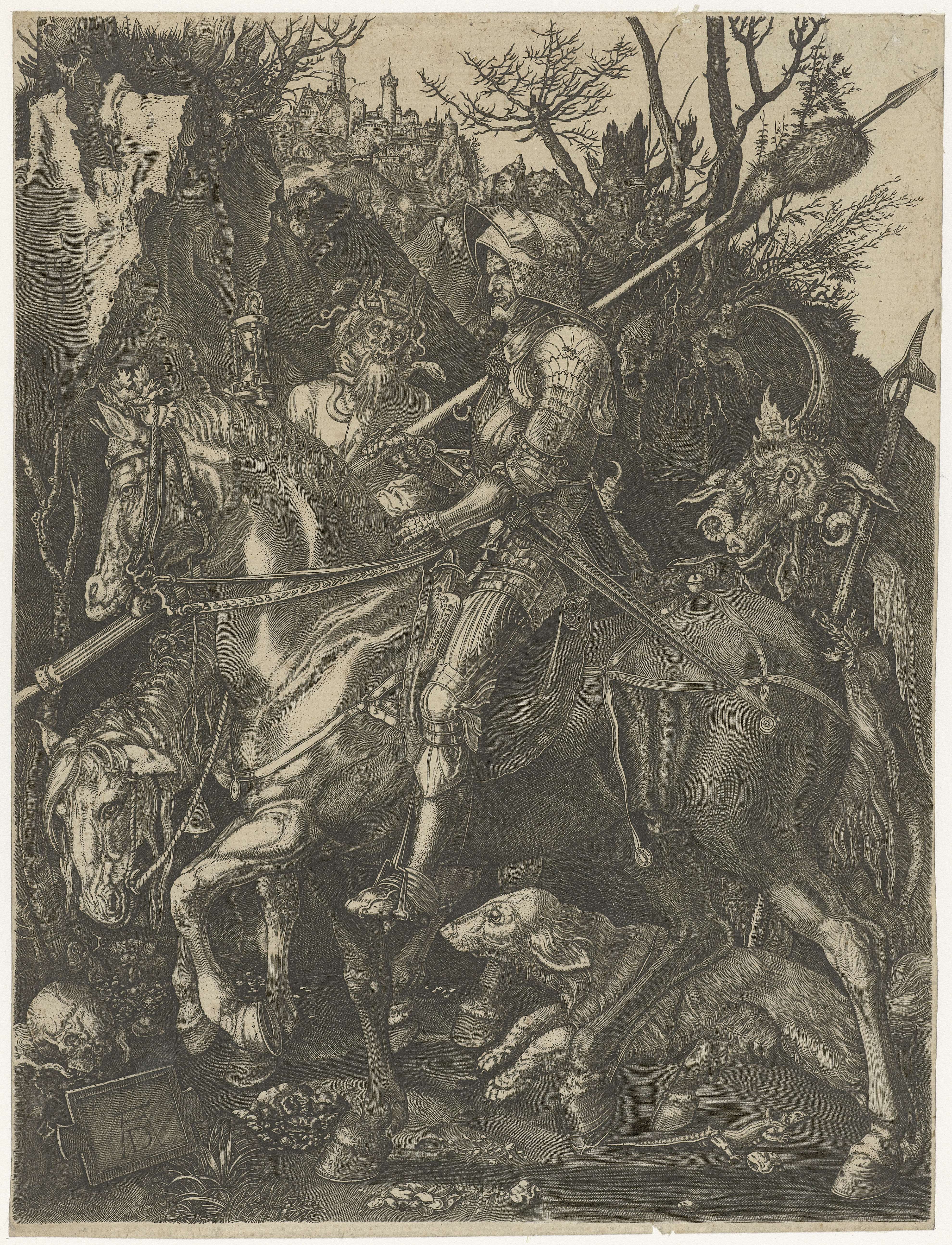
Ridder, Dood en Duivel
Unknown Artist
El sueño de la razon produce monstruos. (The sleep of reason produces monsters.)
Francisco de Goya
El sueño de la razon produce moustruos (Serie Caprichos)
Francisco de Goya
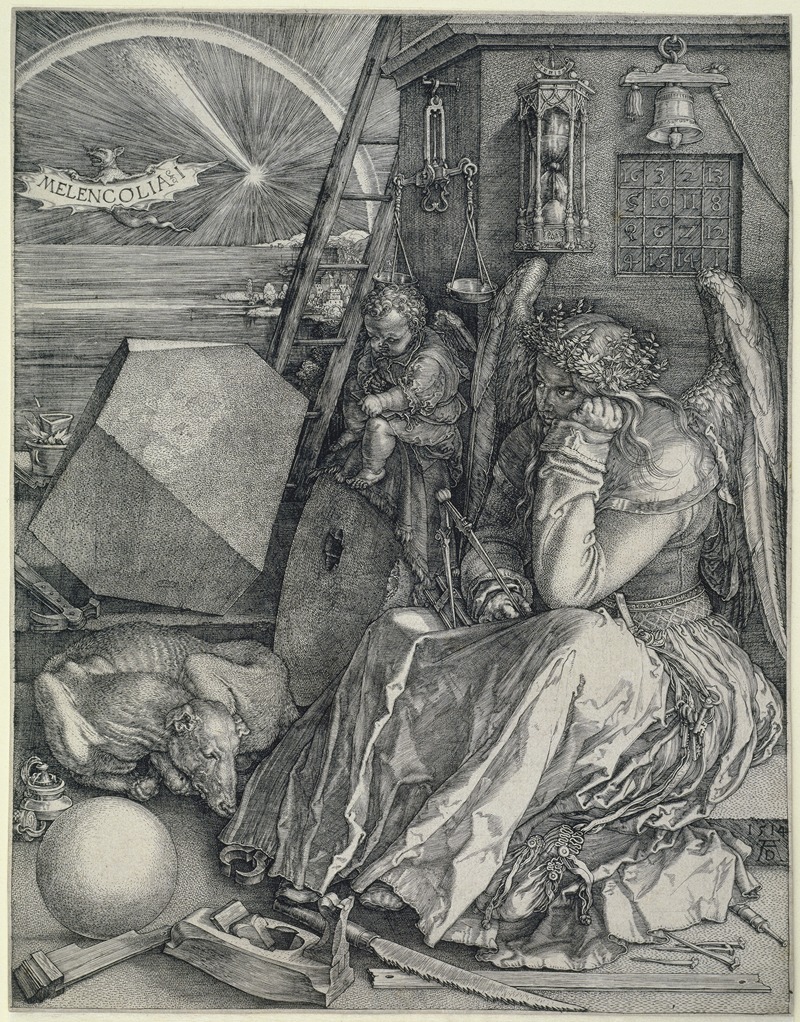
Melencolia I (The Melancholy)
Albrecht Dürer
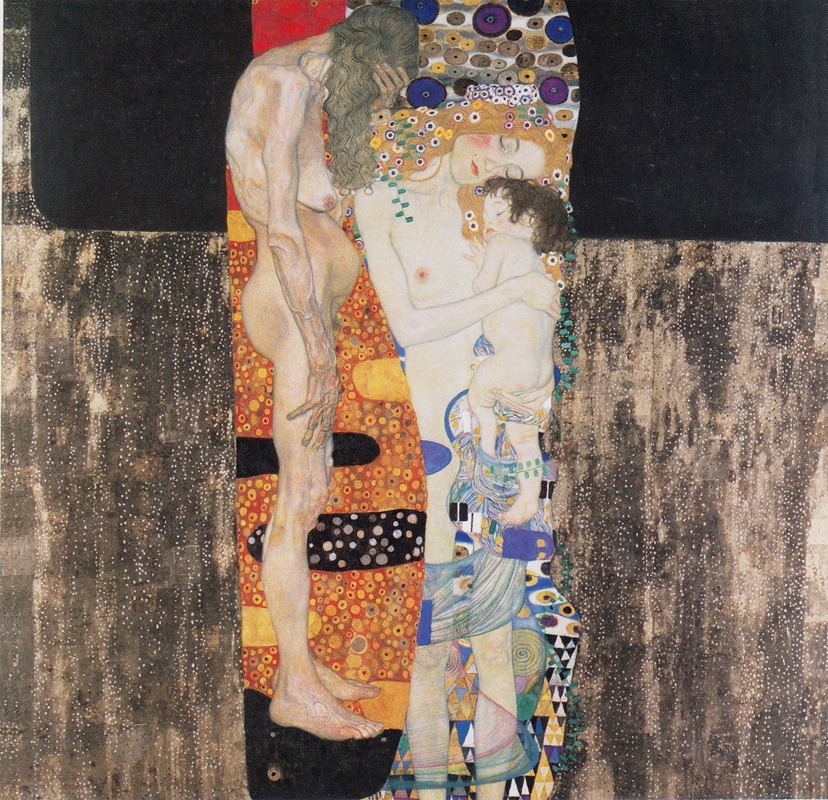
The Three Ages of the Woman
Gustav Klimt