
Discover insights about this artwork
Allegory of Sculpture — History & Facts
Allegory of Sculpture features a central figure symbolizing sculpture, adorned with intricate patterns and flowing forms. The figure is draped in golden hues, which reflect Klimt's signature use of gold leaf and ornamental detail. Surrounding the figure are various decorative elements that create a sense of depth and richness.
The background is filled with abstract shapes and colors that enhance the overall composition. Notice the elaborate patterns on the figure's clothing, which are typical of Gustav Klimt's style. The use of gold and bright colors draws your attention and creates a striking visual impact. Each detail, from the flowing lines to the intricate designs, showcases Klimt's talent for decorative art.
The figure itself has a serene expression, emphasizing the theme of artistic creation. Gustav Klimt was a key figure in the Vienna Secession movement, which sought to break away from traditional art styles. He is known for his unique approach that blends symbolism and decorative elements, often featuring themes of love, beauty, and femininity. An interesting fact about Klimt is that he often used gold leaf in his paintings, making them shine and stand out.
His works, including Allegory of Sculpture, continue to influence artists and captivate audiences today.
More Artworks by Gustav Klimt
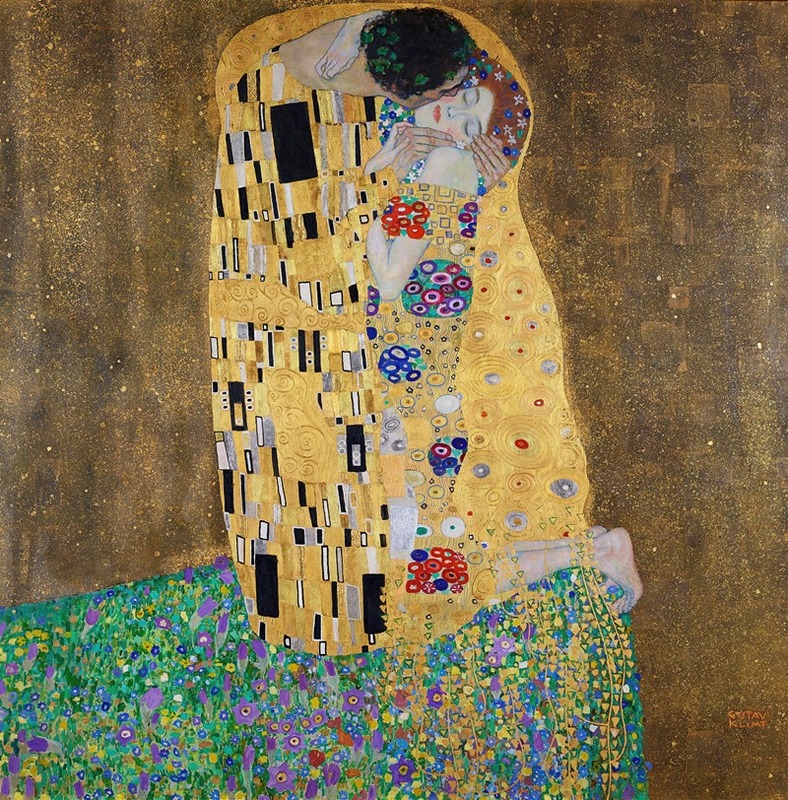
The kiss
Gustav Klimt
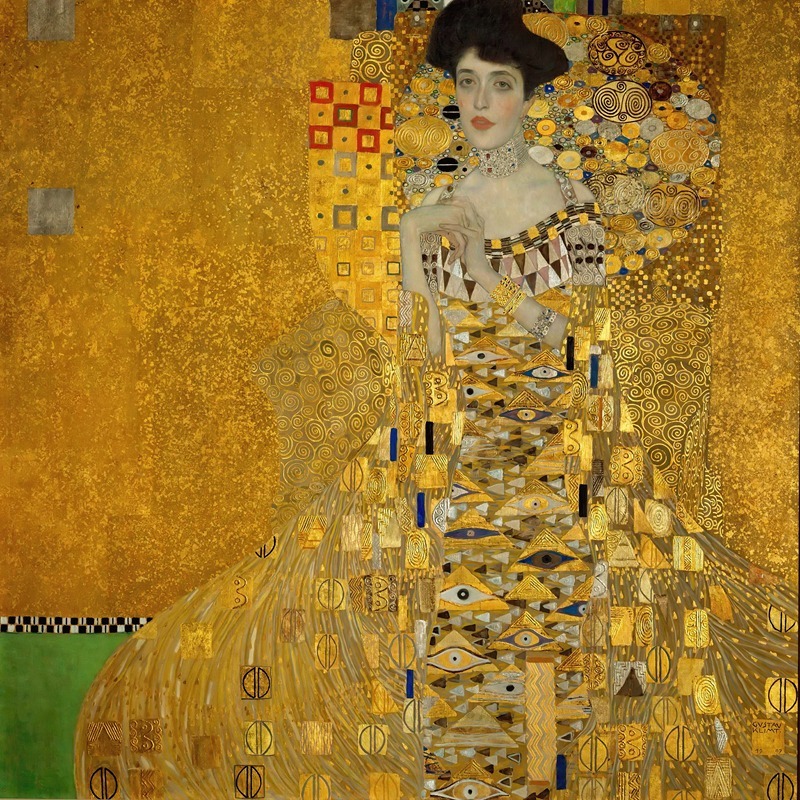
Portrait of Adele Bloch-Bauer I
Gustav Klimt
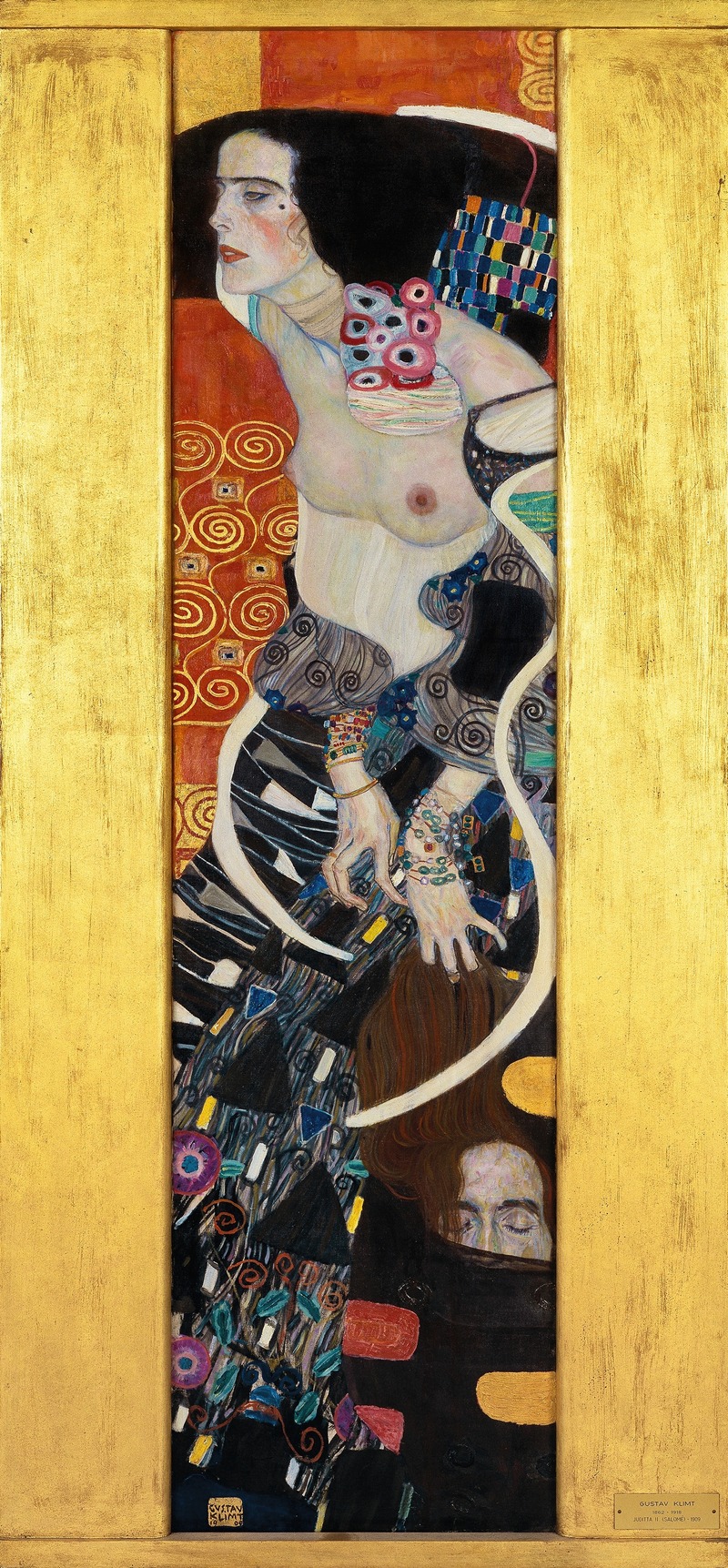
Judith II (Salome)
Gustav Klimt
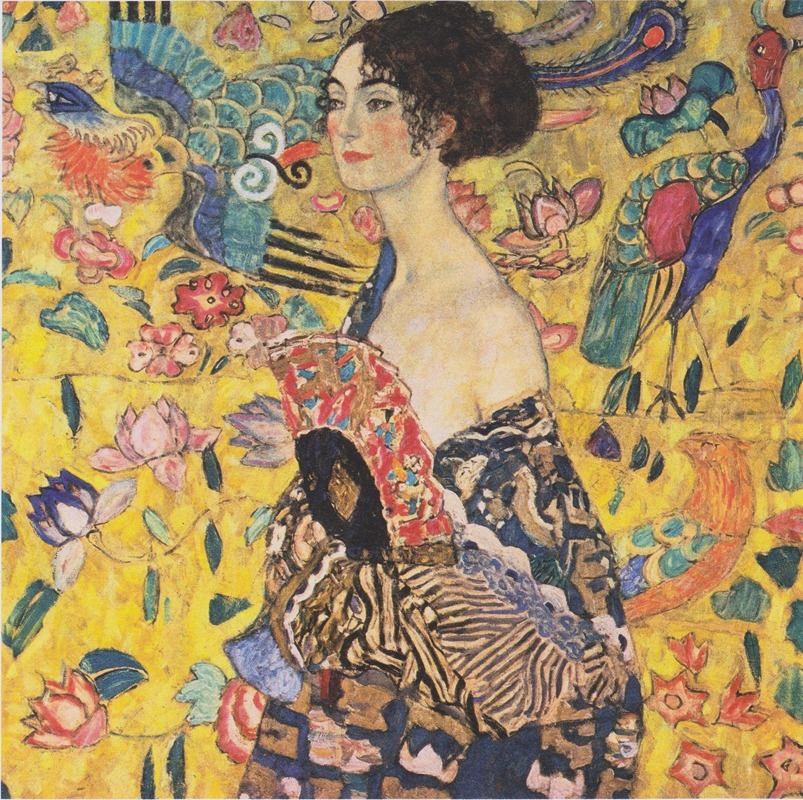
Woman with fan
Gustav Klimt
The kiss (lovers)
Gustav Klimt
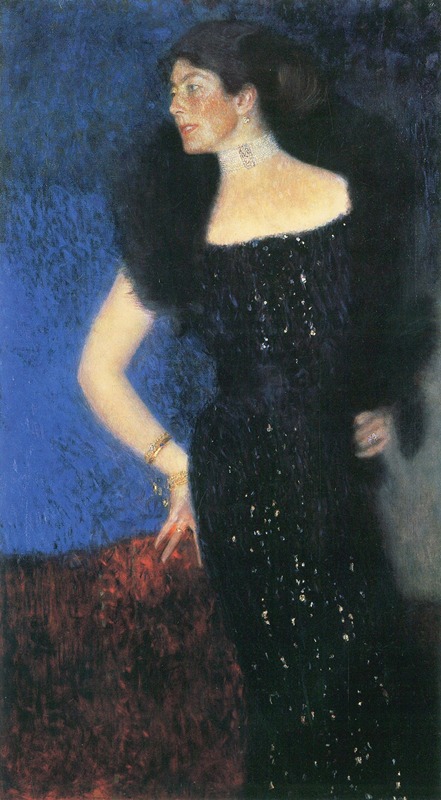
Portrait of Rose von Rosthorn-Friedmann
Gustav Klimt
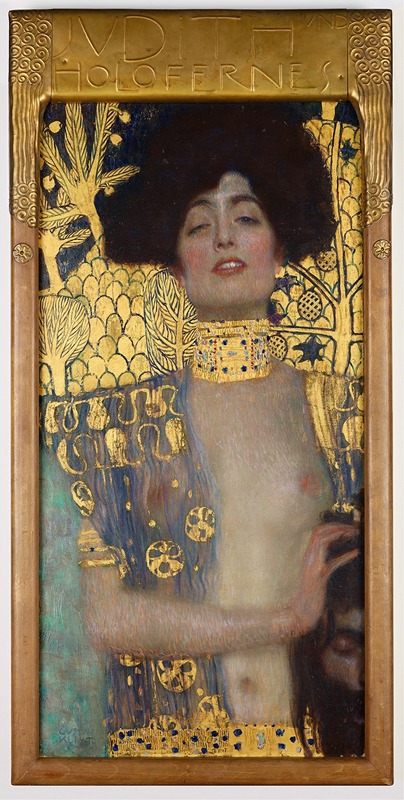
Judith
Gustav Klimt
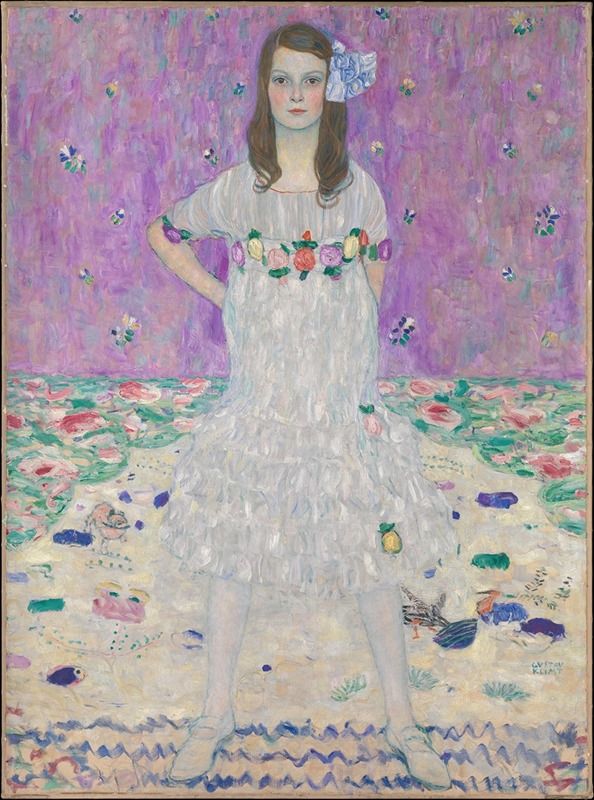
Mäda Primavesi
Gustav Klimt
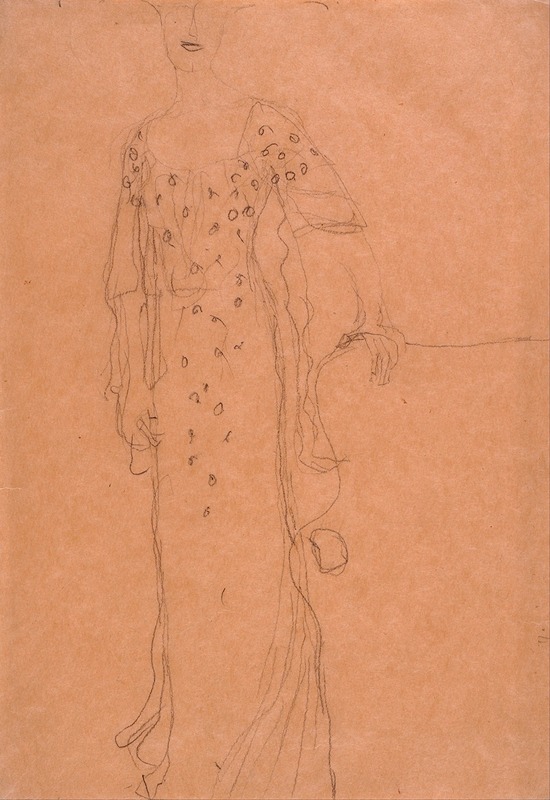
Study for Portrait of Adele Bloch-Bauer I
Gustav Klimt
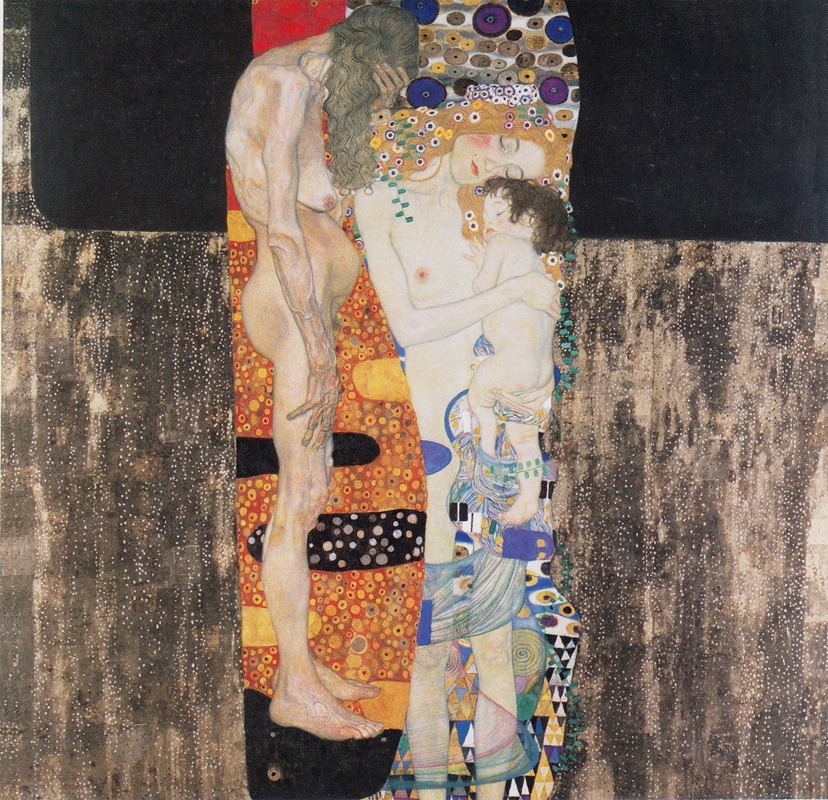
The Three Ages of the Woman
Gustav Klimt
More Allegory Art
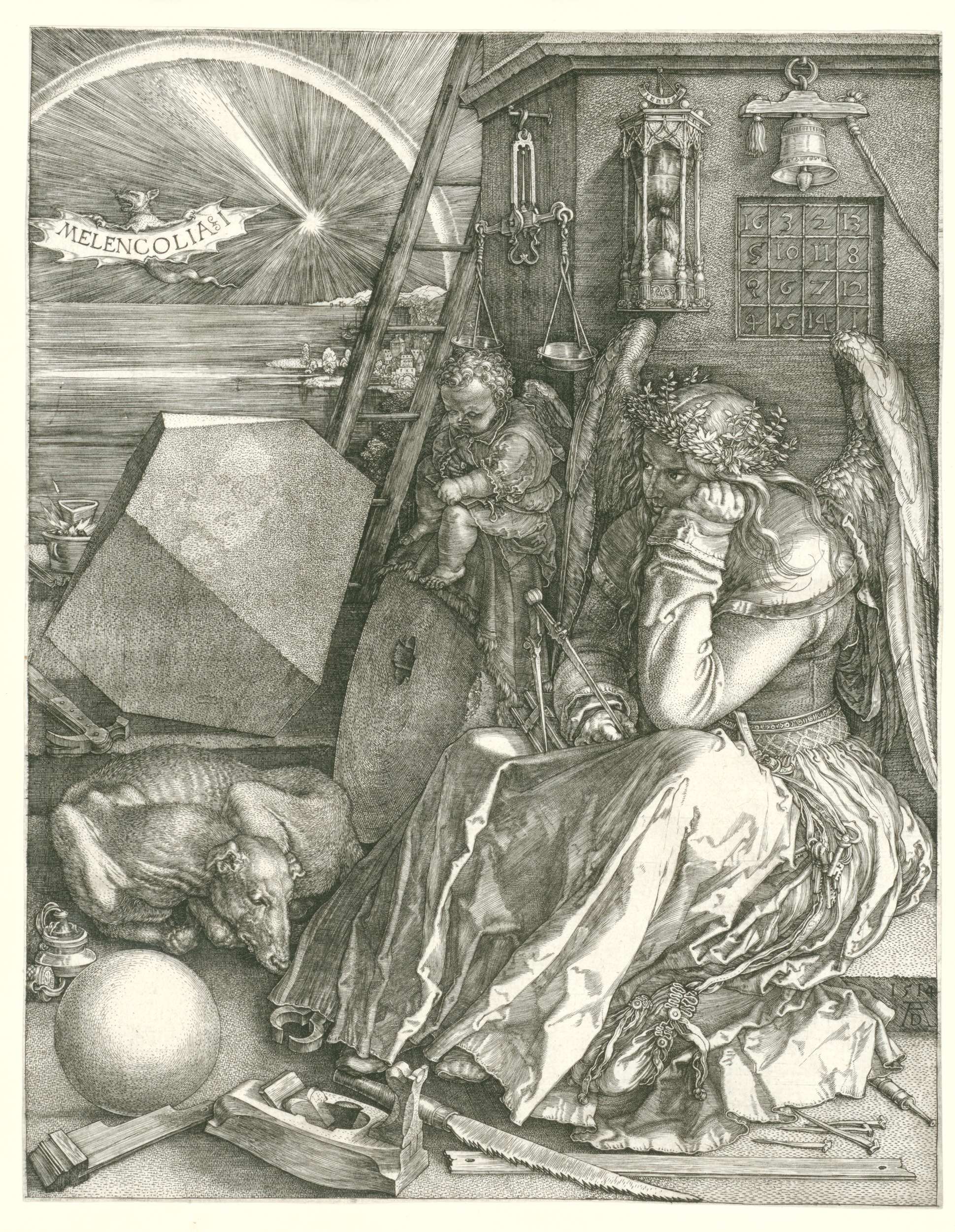
Melancholia
Albrecht Dürer
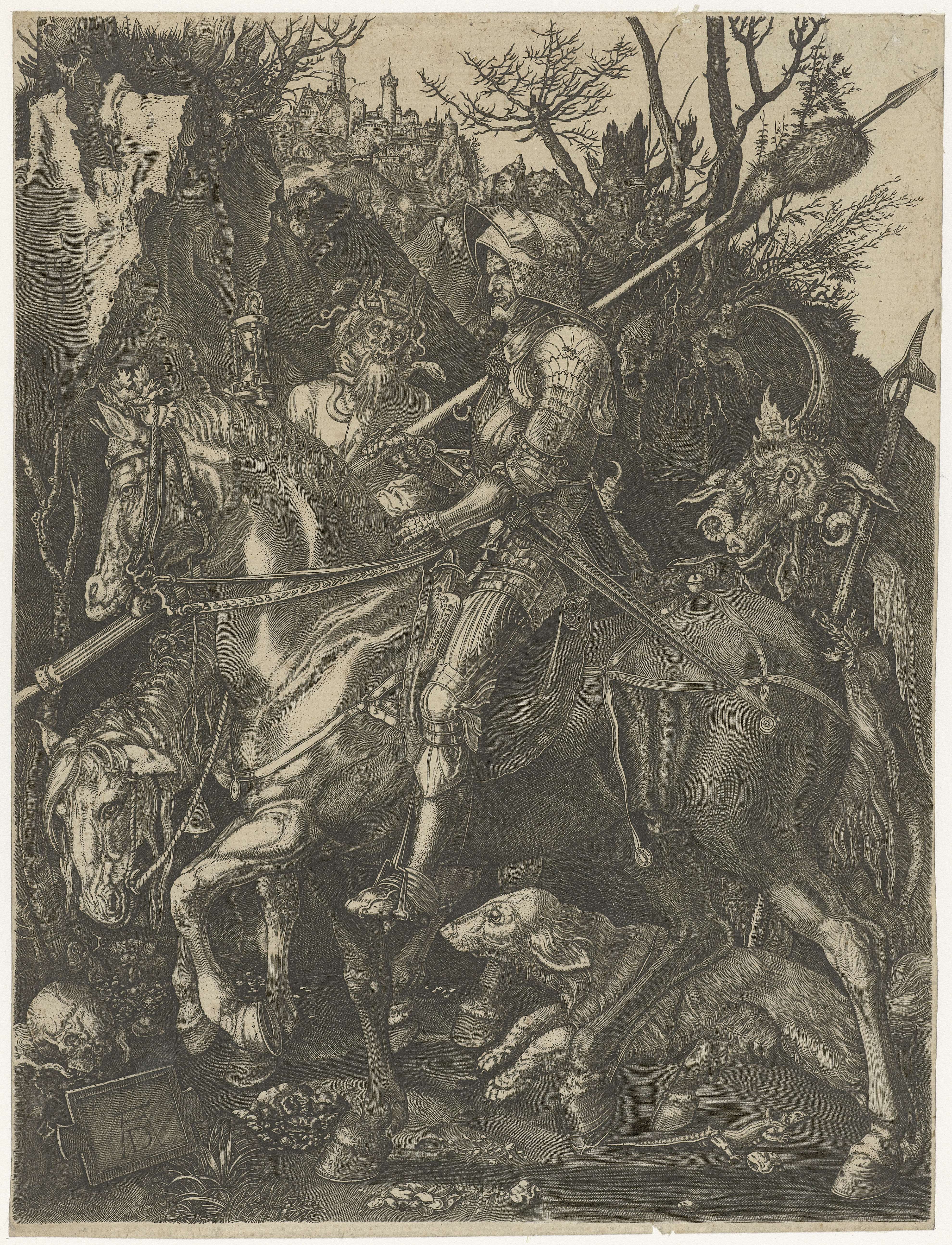
Ridder, Dood en Duivel
Unknown Artist
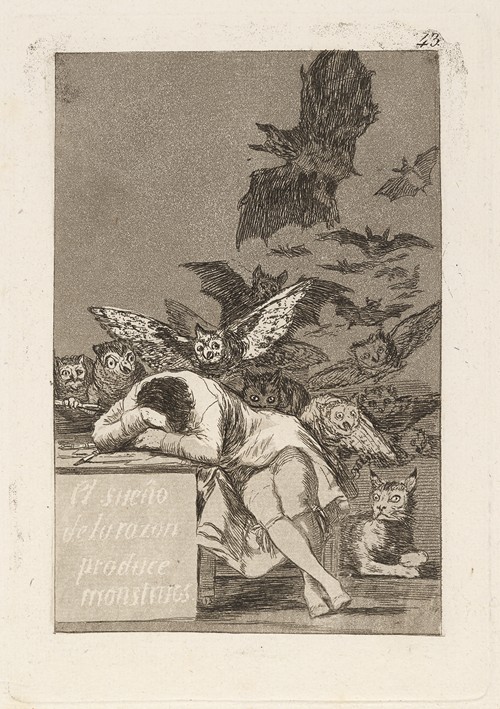
El sueño de la razon produce monstruos. (The sleep of reason produces monsters.)
Francisco de Goya
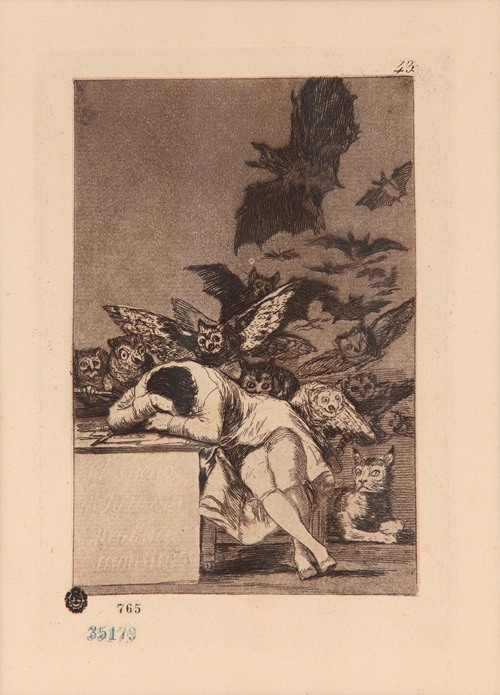
El sueño de la razon produce moustruos (Serie Caprichos)
Francisco de Goya
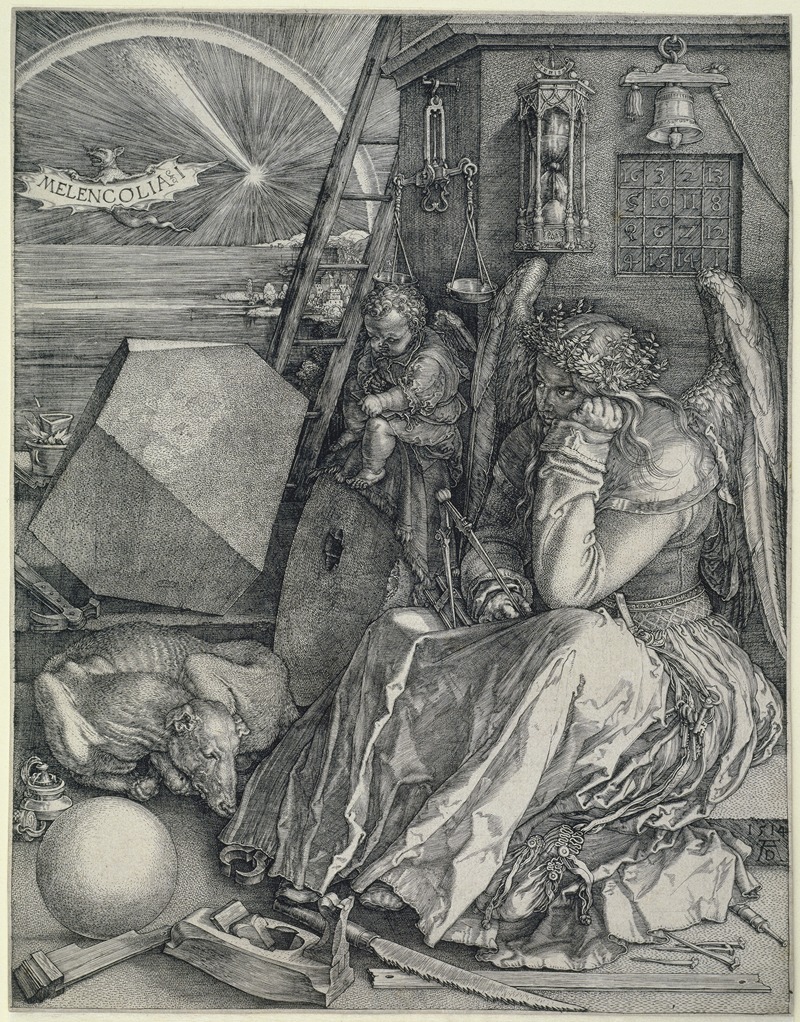
Melencolia I (The Melancholy)
Albrecht Dürer
The Three Ages of the Woman
Gustav Klimt