
Discover insights about this artwork
Allegory Of The Sense Of Smell — History & Facts
Allegory of the Sense of Smell shows a woman surrounded by an array of flowers and scents. She is depicted in a lush, colorful garden, with vibrant reds, yellows, and greens capturing the eye. The flowers are in full bloom, creating a rich tapestry of color that evokes the beauty of nature.
Her expression is serene, suggesting a deep appreciation for the fragrances around her. Take a closer look at the intricate details of the flowers and the way they are arranged. Each petal and leaf is painted with care, showcasing Rubens' skill in capturing the essence of nature. Notice how the light falls on the flowers, creating shadows that add depth to the scene.
The woman's delicate features are also highlighted, drawing you into her tranquil world. Peter Paul Rubens was a prominent Flemish artist known for his dynamic compositions and vibrant colors during the Baroque period. He painted this work to celebrate the sense of smell, showcasing the beauty of nature and its fragrances. Rubens was not only a painter but also a diplomat and a collector of art and antiquities.
One interesting fact is that he often collaborated with other artists, which enriched his works with diverse influences.
More Artworks by Peter Paul Rubens
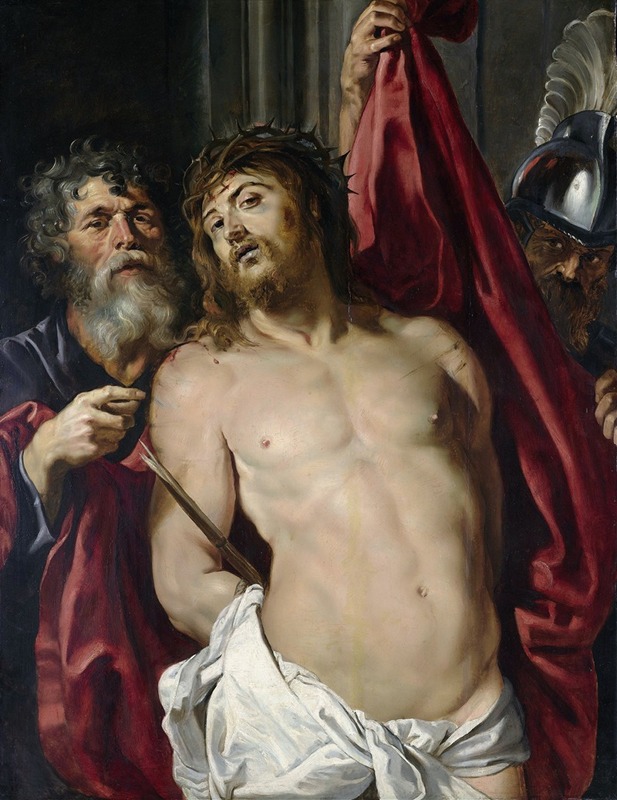
Ecce homo
Peter Paul Rubens
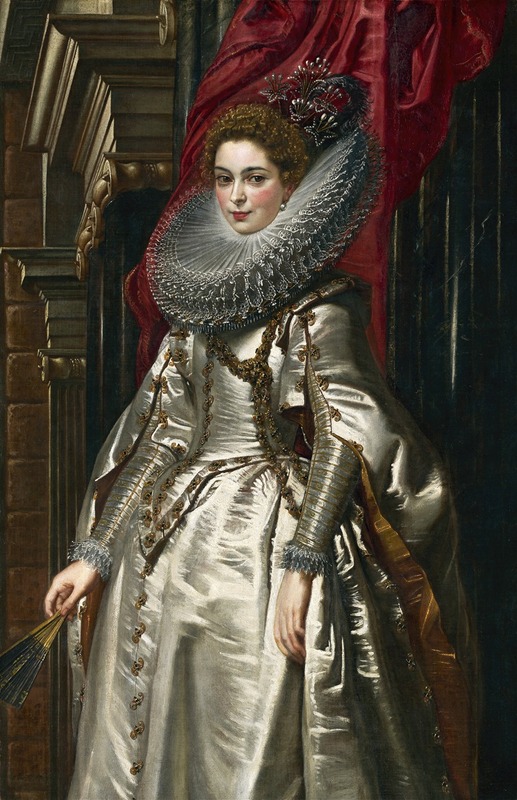
Marchesa Brigida Spinola Doria
Peter Paul Rubens
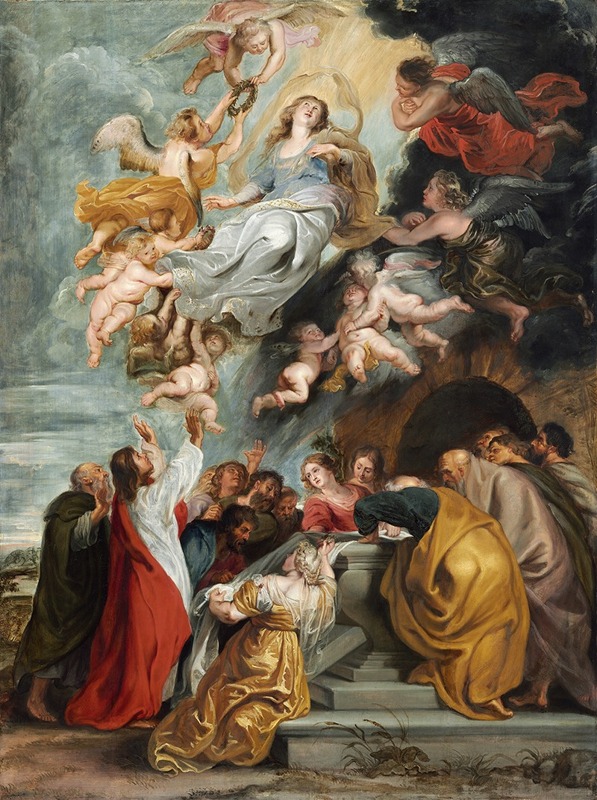
The Assumption of the Virgin
Peter Paul Rubens

Saint Teresa of Ávila Interceding for Souls in Purgatory
Peter Paul Rubens
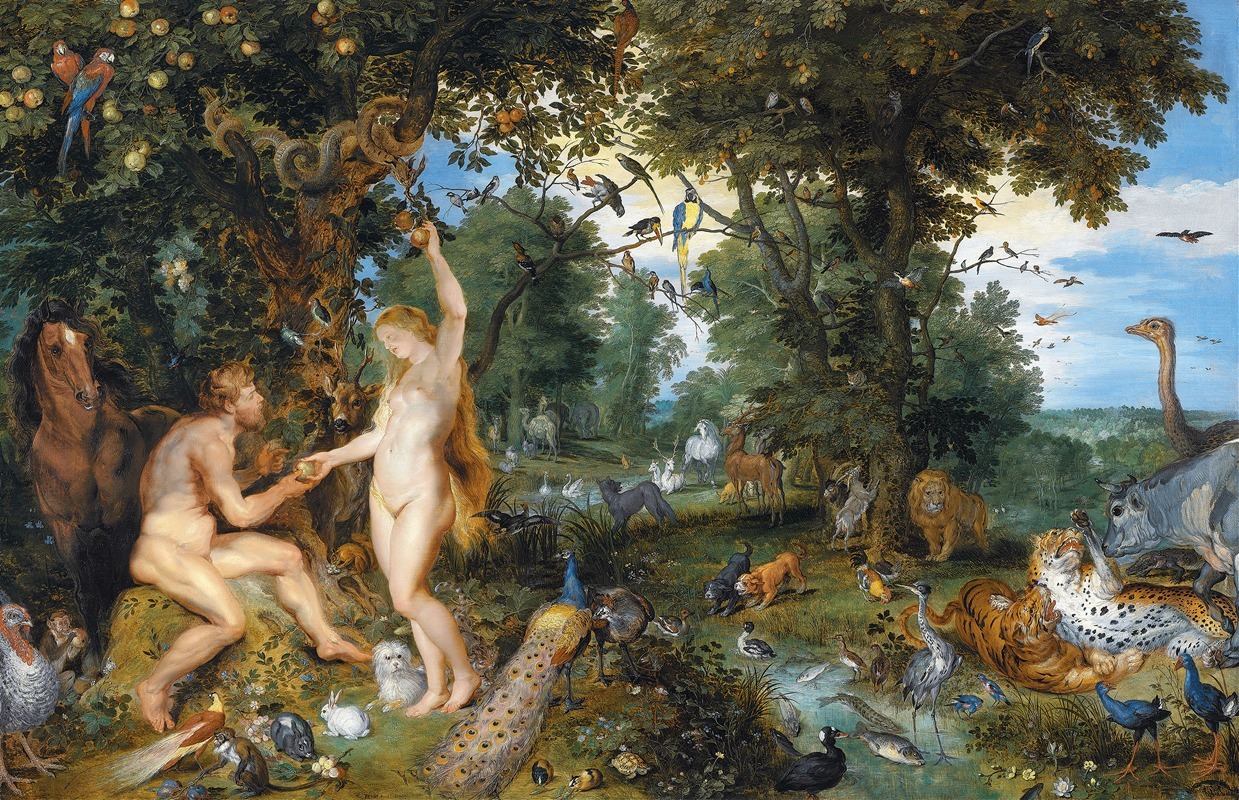
The Garden of Eden with the Fall of Man
Peter Paul Rubens
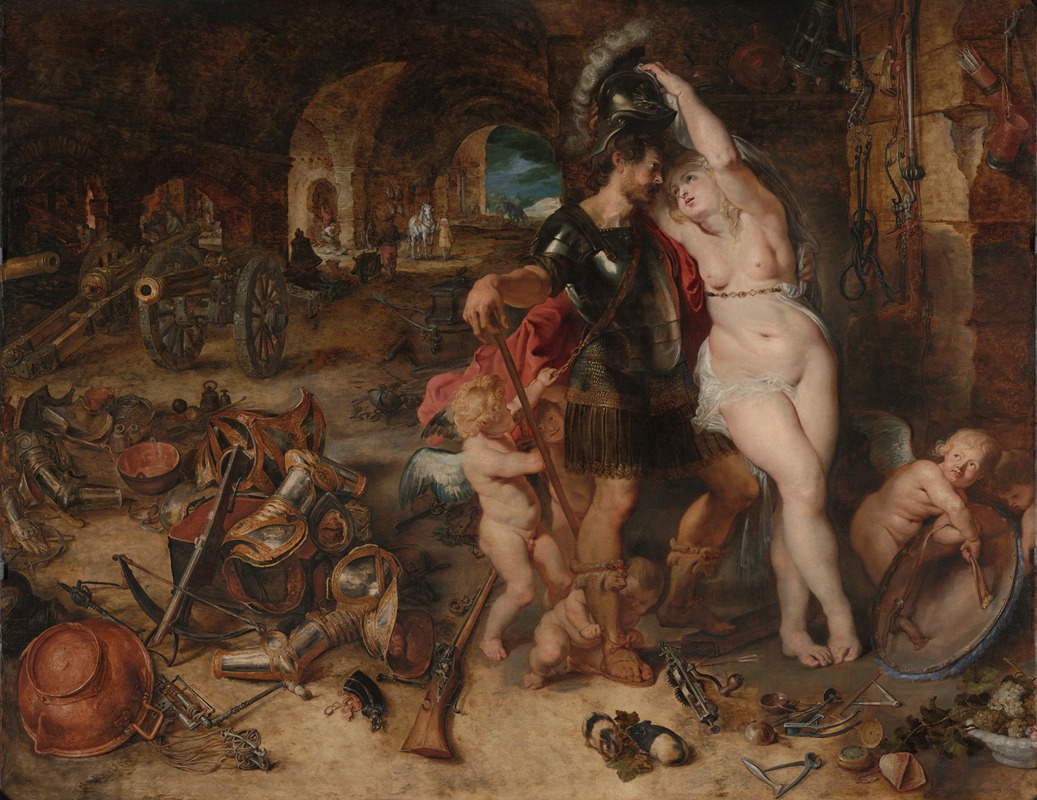
The Return From War,Mars Disarmed By Venus
Peter Paul Rubens
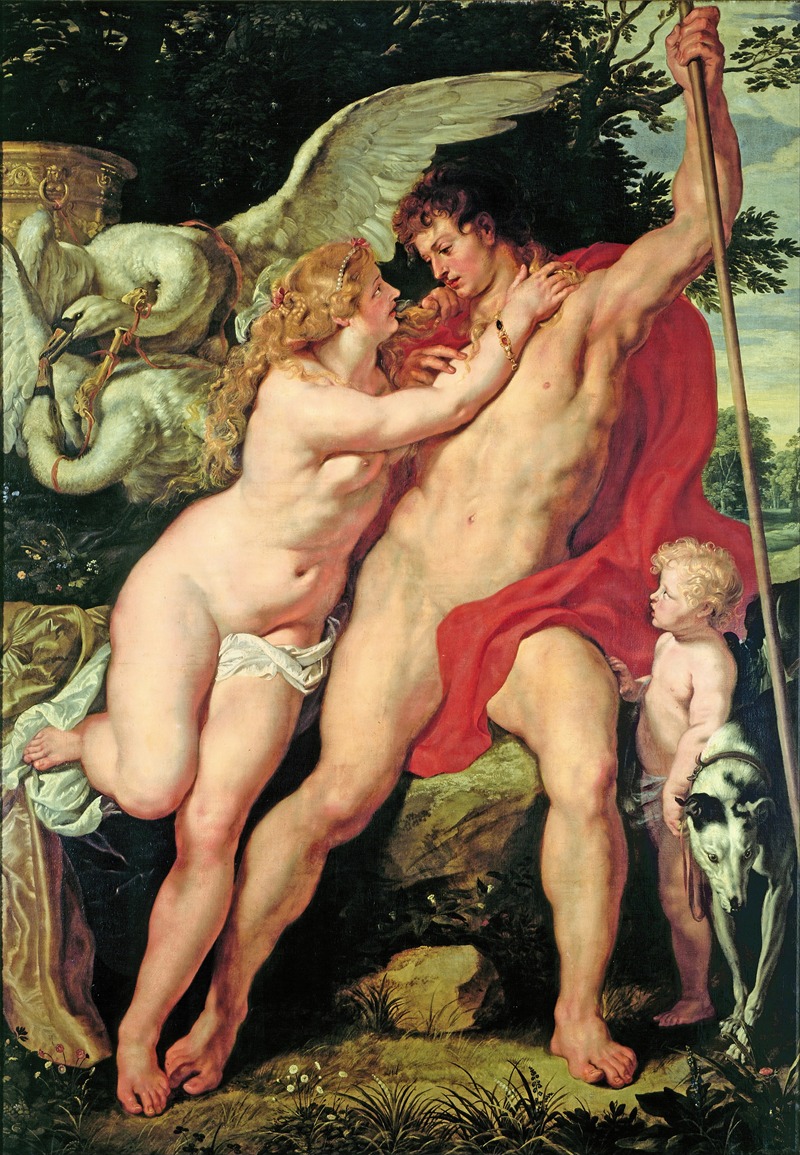
Venus and Adonis
Peter Paul Rubens
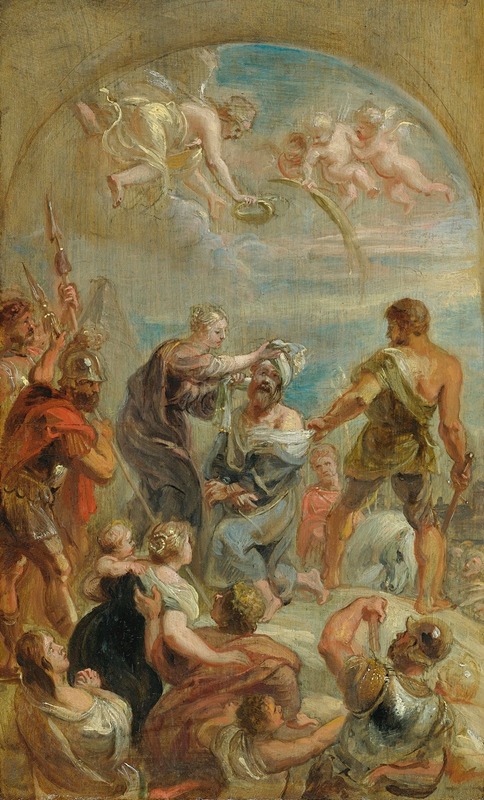
The Martyrdom Of Saint Paul
Peter Paul Rubens
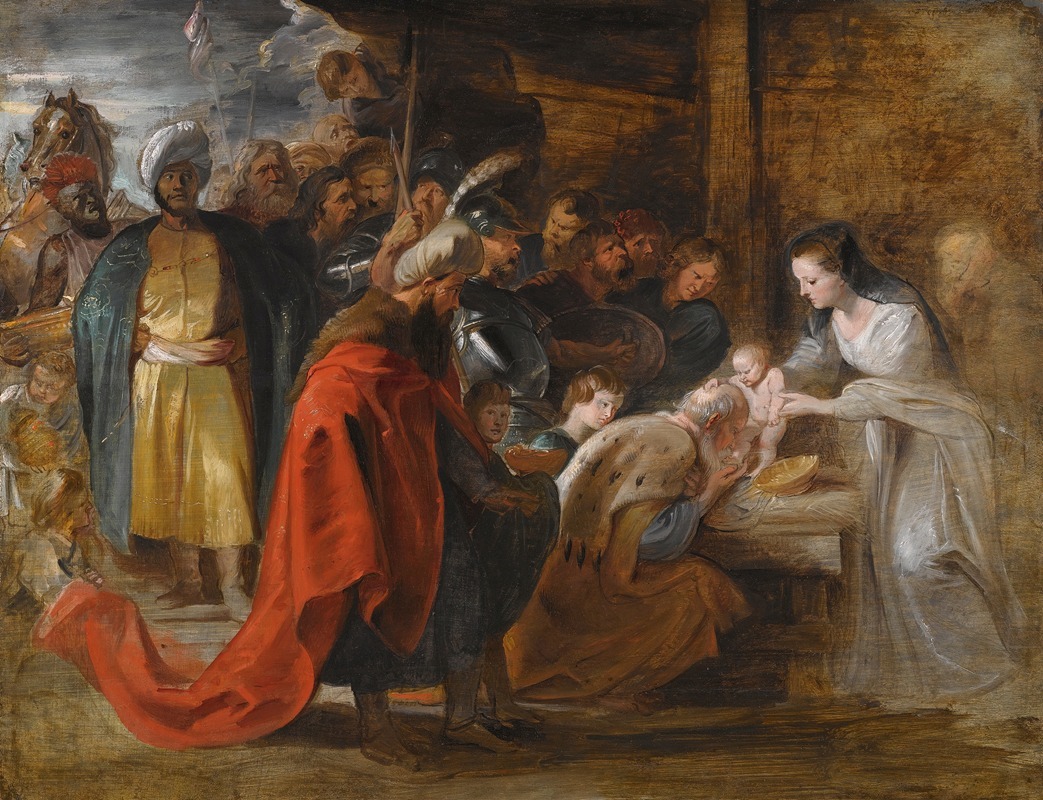
The Adoration Of The Magi
Peter Paul Rubens
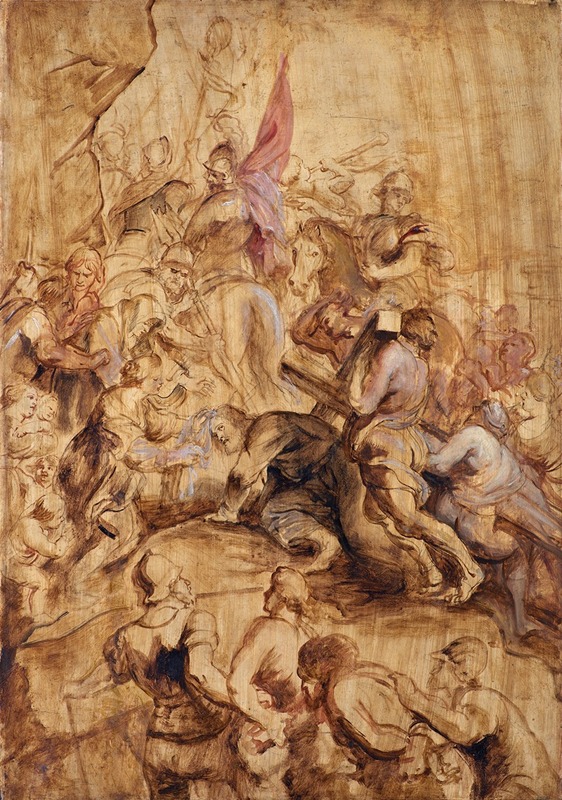
The Ascent to Calvary. The Bearing of the Cross
Peter Paul Rubens
More Allegory Art
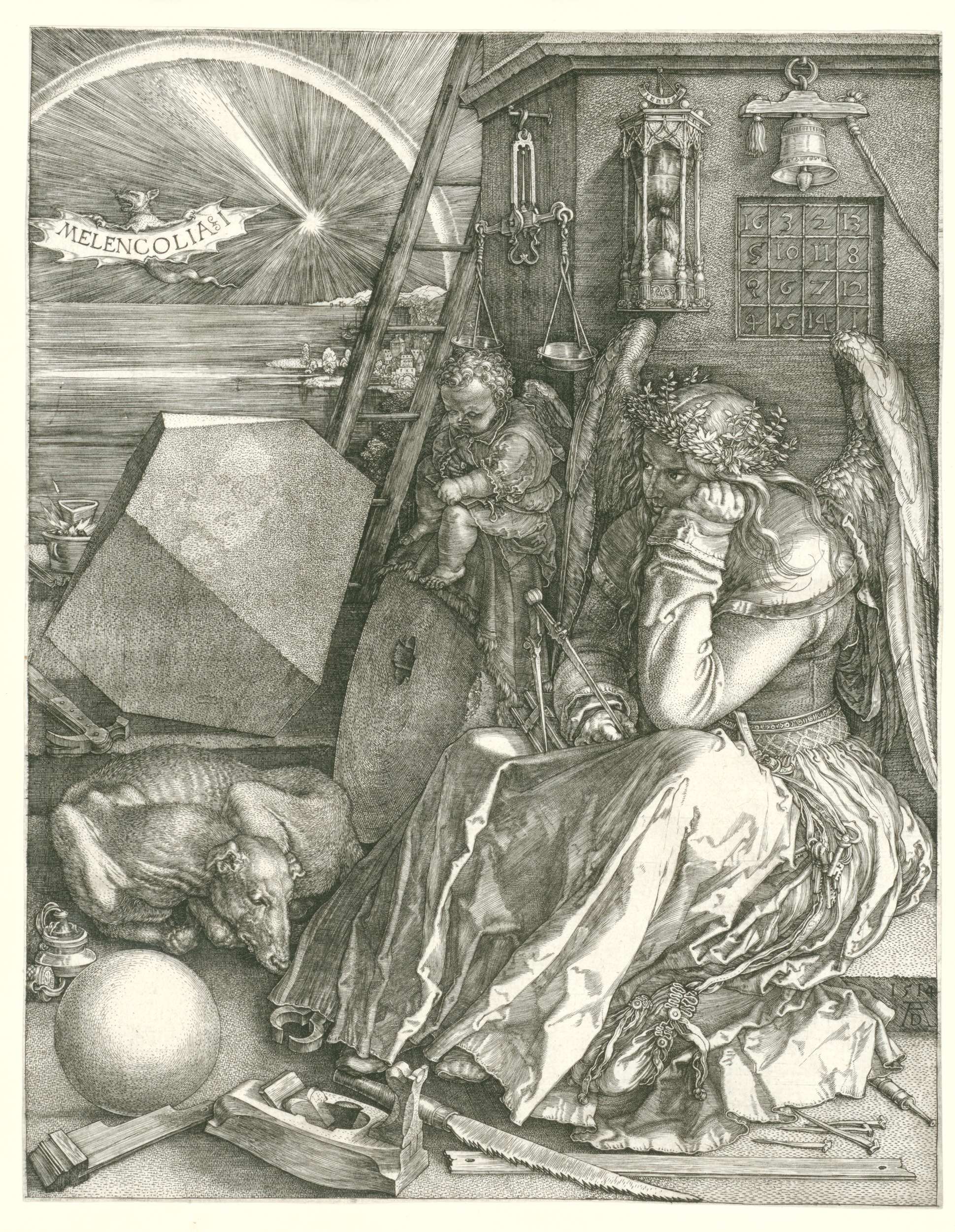
Melancholia
Albrecht Dürer
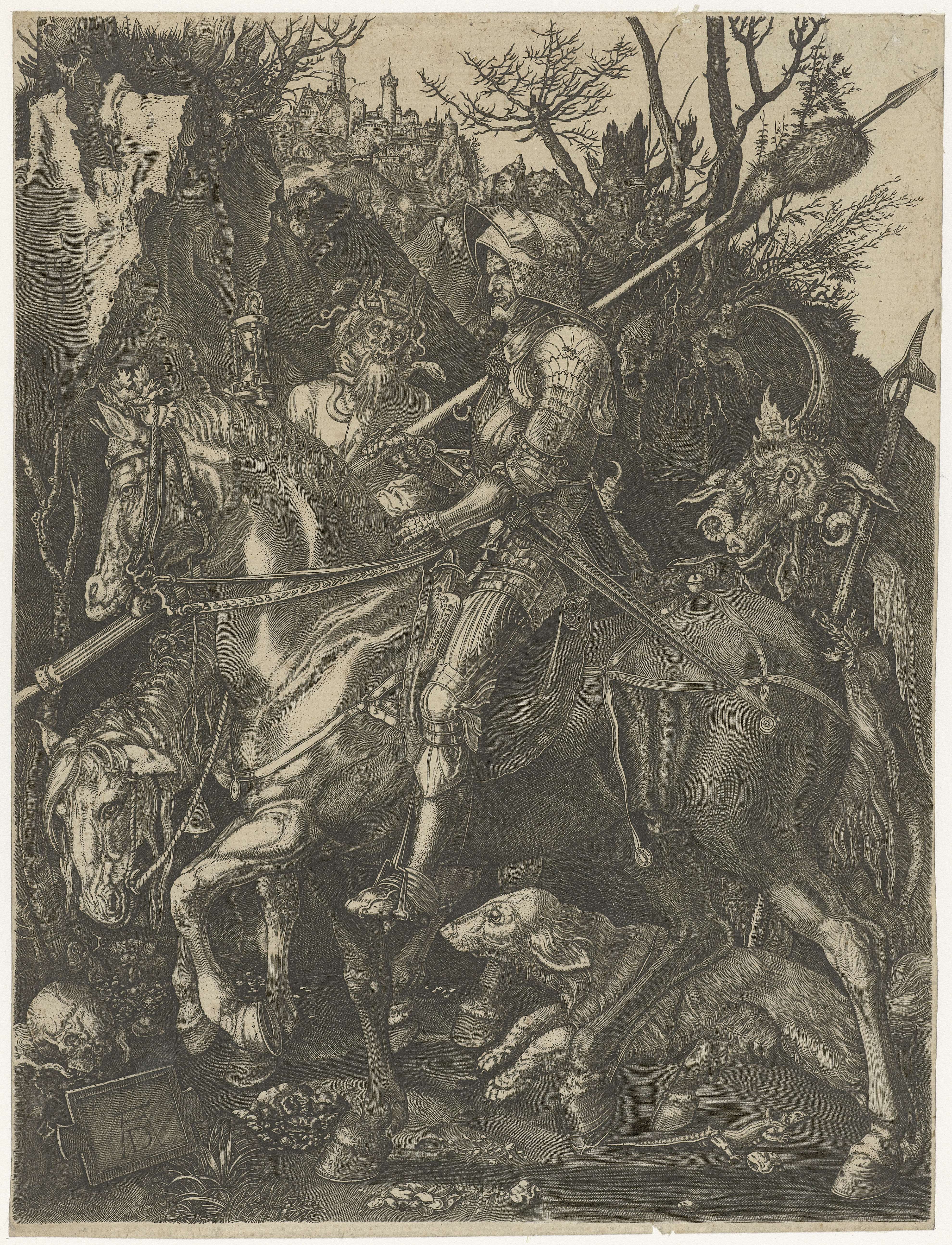
Ridder, Dood en Duivel
Unknown Artist
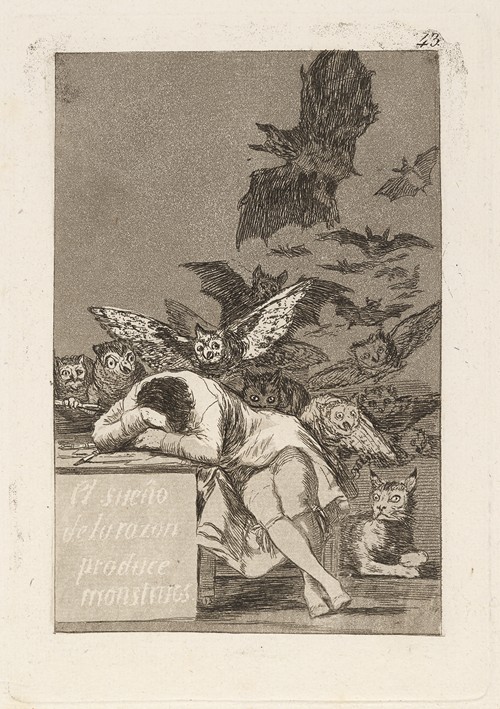
El sueño de la razon produce monstruos. (The sleep of reason produces monsters.)
Francisco de Goya
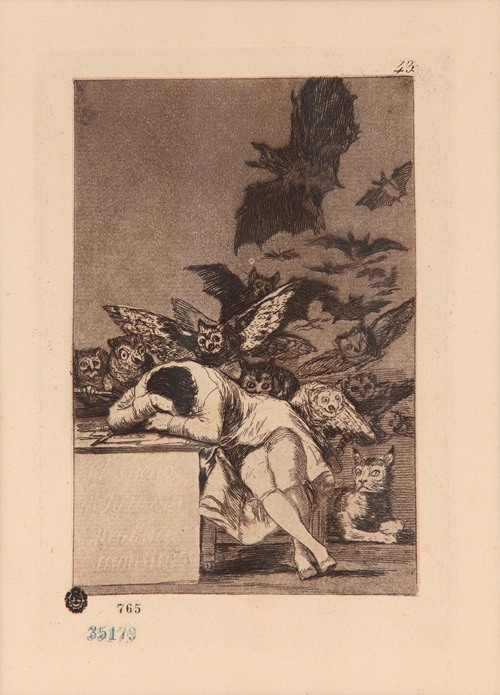
El sueño de la razon produce moustruos (Serie Caprichos)
Francisco de Goya
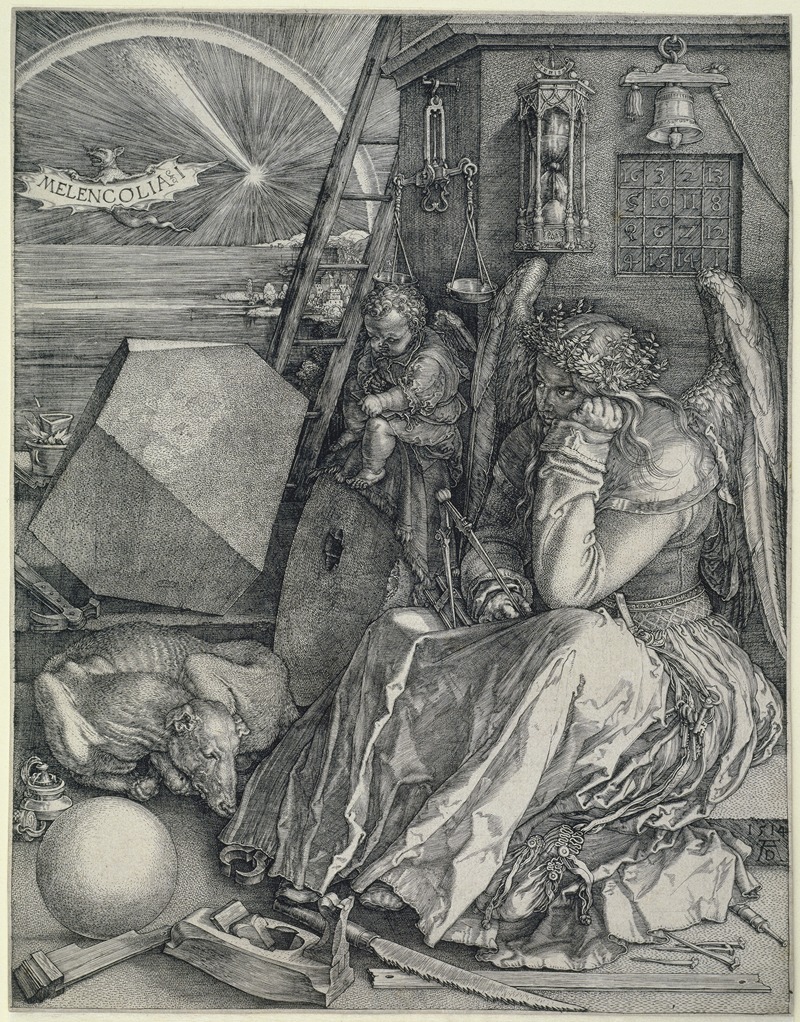
Melencolia I (The Melancholy)
Albrecht Dürer
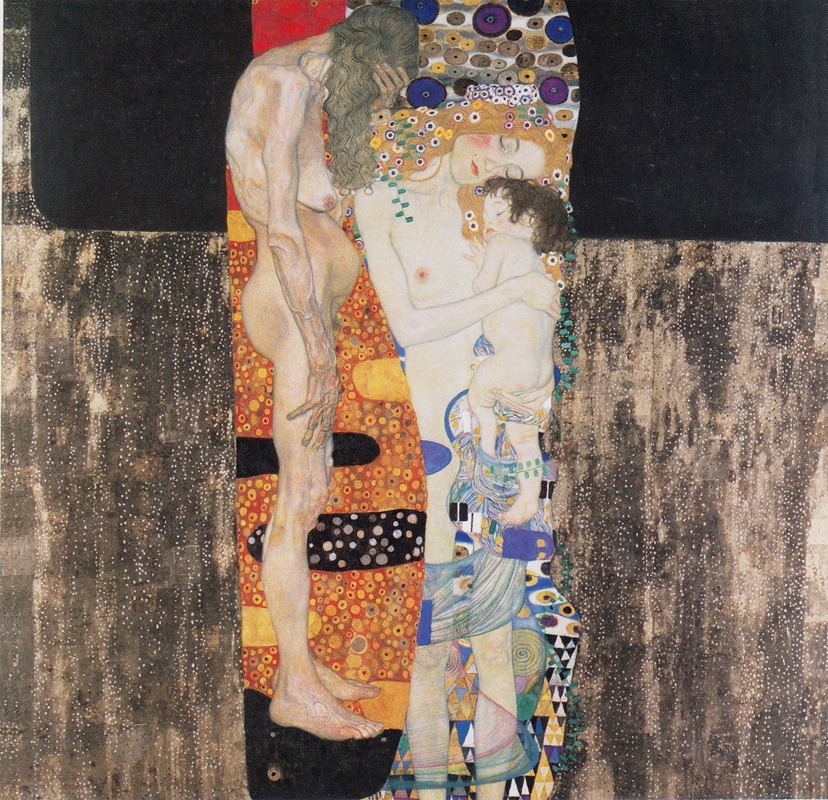
The Three Ages of the Woman
Gustav Klimt