Alligator Pool — History & Facts
Could a single brushstroke hold eternity? In Alligator Pool, movement surfaces from the tranquil depths, inviting us to linger in the moment where nature's wildness meets serene beauty. Look to the center of the canvas, where the alligator glides through the gentle water, its body a fluid extension of the rippling reflections. The brushstrokes swirl with a delicate grace, capturing the interplay of light and shadow as it dances on the surface. Notice the vibrant greens and blues that envelop the creature, creating a harmonious blend of life and tranquility, while hints of sunlight break through the foliage, illuminating the scene in an ethereal glow. Yet, beneath the surface lies a tension between predator and prey, life and stillness.
The alligator's calm presence contrasts sharply with the potential chaos of its environment, suggesting both the beauty and danger inherent in nature. The subtle play of colors hints at the fleeting nature of these moments, evoking a sense of impending movement that could disrupt the stillness at any moment. In 1914, Haskell found himself immersed in a time of burgeoning modernism, painting in a style that embraced both impressionism and representational forms. Living in the United States, he was influenced by the natural surroundings of his locale, harnessing both the serenity and raw energy of the landscape.
This period marked a transition in his work, as he sought to convey the rhythm of life through vivid imagery and dynamic compositions, shaping his artistic journey ahead.
More Artworks by Ernest Haskell
Browse all →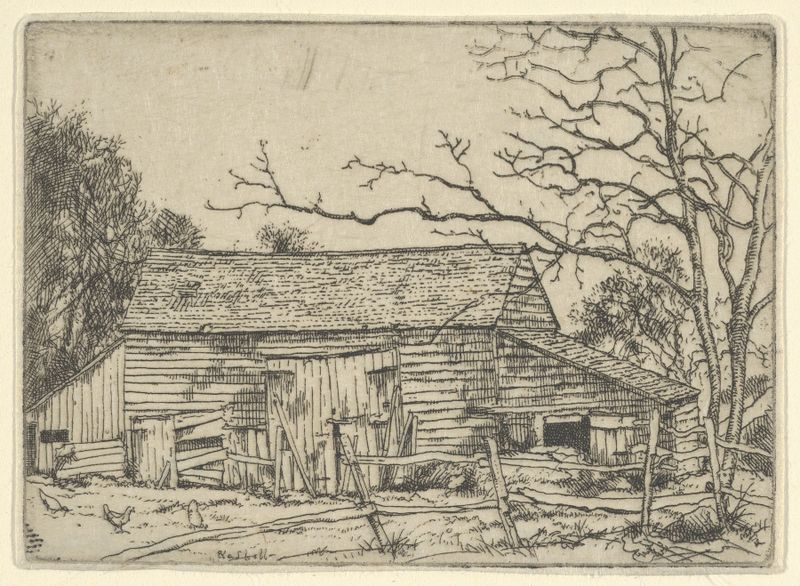
The Barn–Staten Island, N.Y.
Ernest Haskell

Four Live Oaks
Ernest Haskell
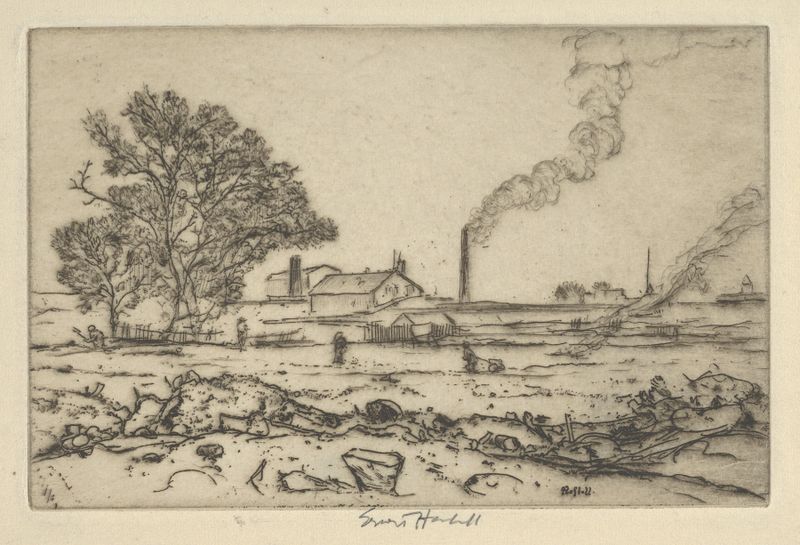
Outskirts of Boston
Ernest Haskell
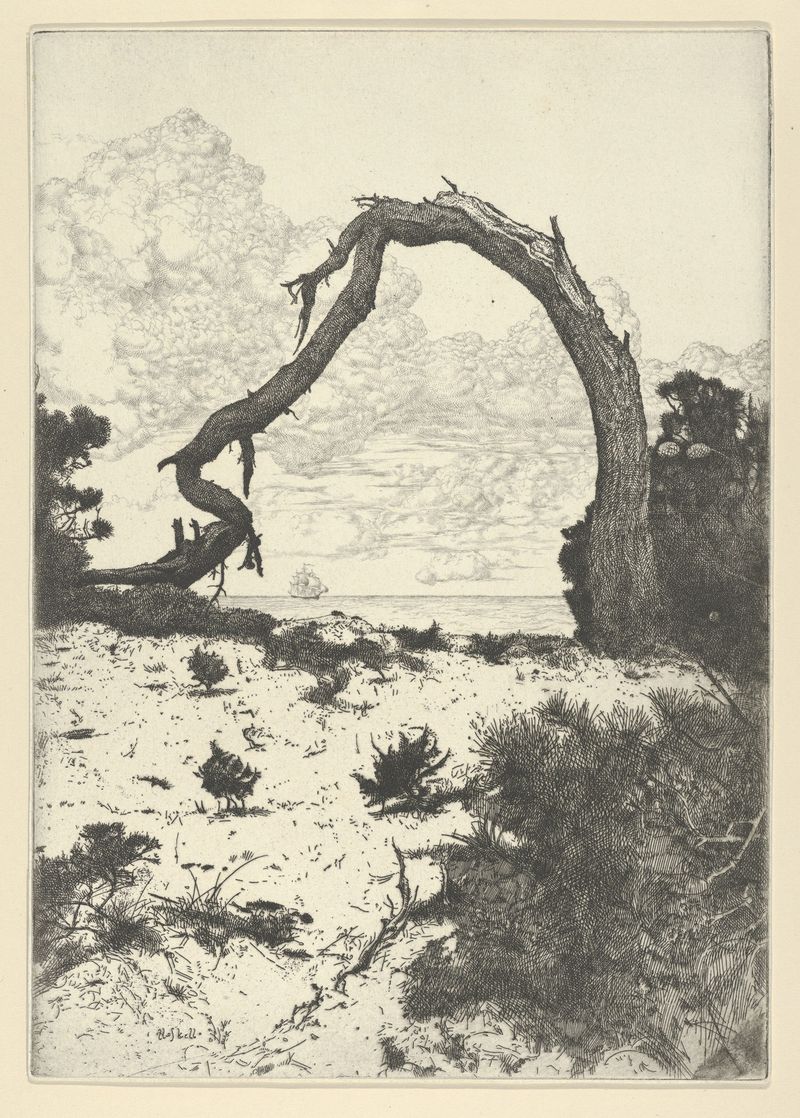
Pine Arch
Ernest Haskell

General Sherman
Ernest Haskell
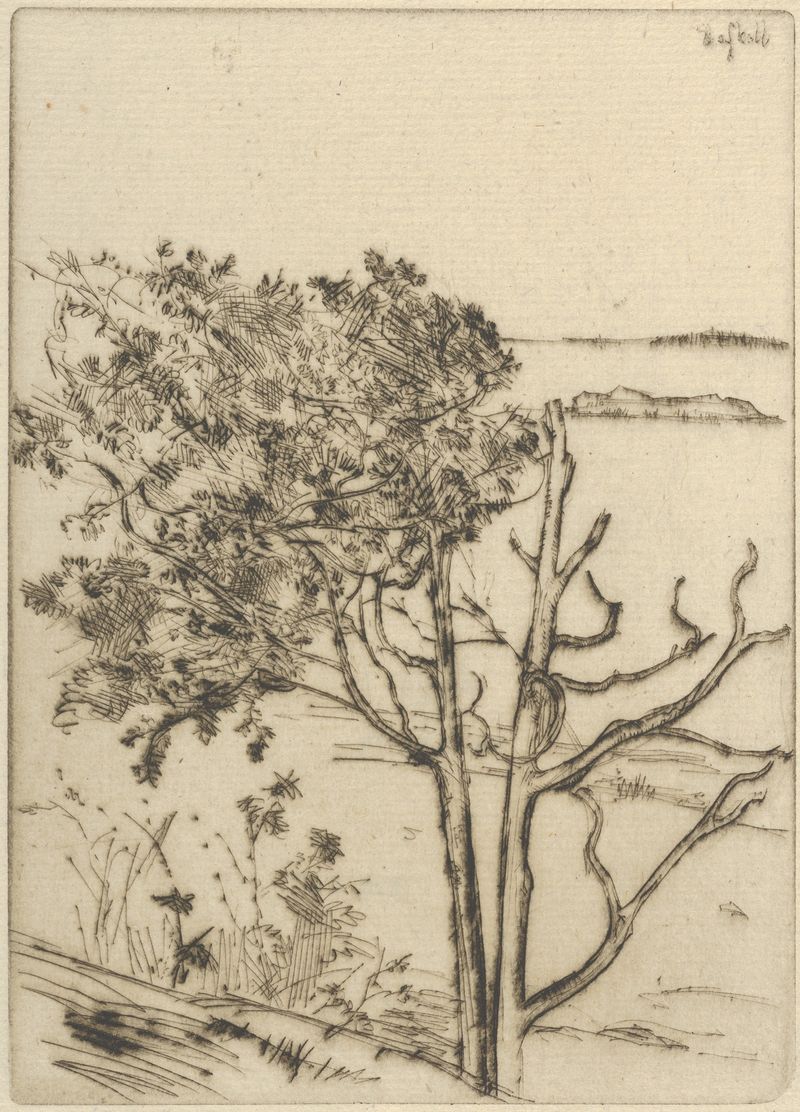
Ragged Tree – Maine
Ernest Haskell

Tide Mill
Ernest Haskell

Ship Building
Ernest Haskell
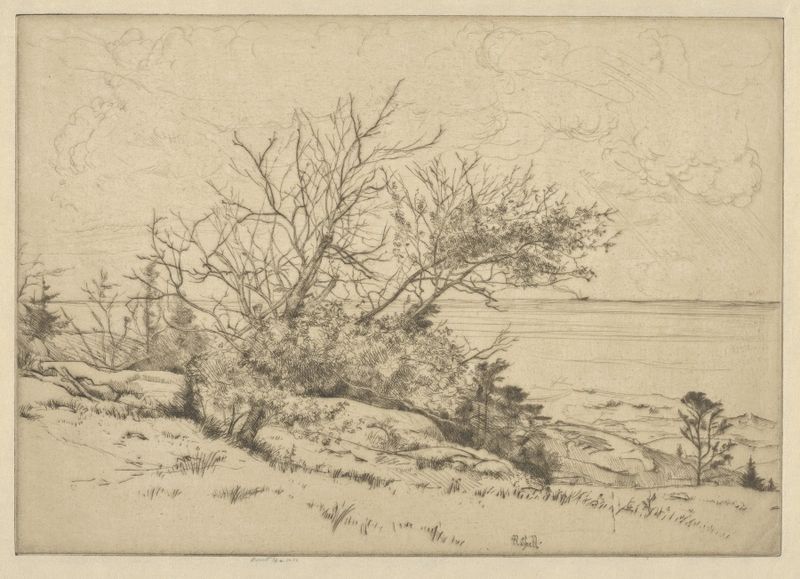
To the Southward – Ragged Island, Me.
Ernest Haskell
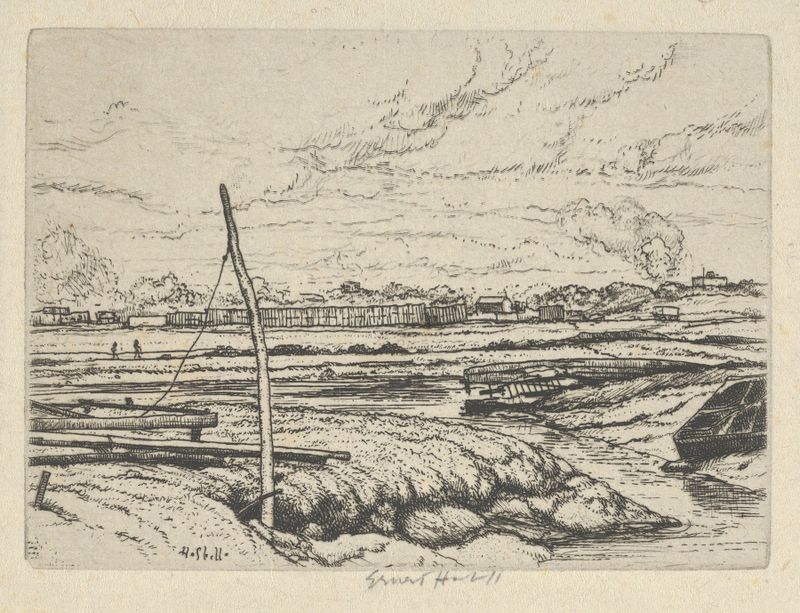
Long Island Marshes
Ernest Haskell