
Alna Bower — History & Facts
What secret hides in the quiet of the canvas? Beneath the surface of Alna Bower, an unsettling tension simmers, whispering of betrayal and unspoken truths waiting to be uncovered. Focus first on the soft, muted palette that envelops the composition. Notice how the gentle strokes create a sense of intimacy, leading your gaze toward the central figure whose expression seems lost in thought. The delicate interplay of light and shadow on the subject’s face reveals a complex emotional landscape, hinting at vulnerabilities masked by serene composure.
The surrounding elements cradle the figure yet feel strangely distant, creating an aura of isolation amidst the calm. As you take in the details, consider the juxtaposition of stillness and apprehension. The tight framing suggests a world overflowing with unexpressed feelings, while the delicate flowers in the foreground symbolize fleeting beauty—perhaps a reminder of relationships that can easily wither. This quiet space is charged with a sense of impending revelation, as if the viewer is an unwitting witness to a poignant moment of betrayal, where trust hangs by a thread. In 1924, during a period marked by artistic experimentation, the creator painted this piece amid a growing shift towards modernism in America.
Haskell's exploration of emotional depth coincided with his personal struggles and the broader cultural changes of the time, seeking both to reflect and challenge societal norms through his evocative imagery.
More Artworks by Ernest Haskell
Browse all →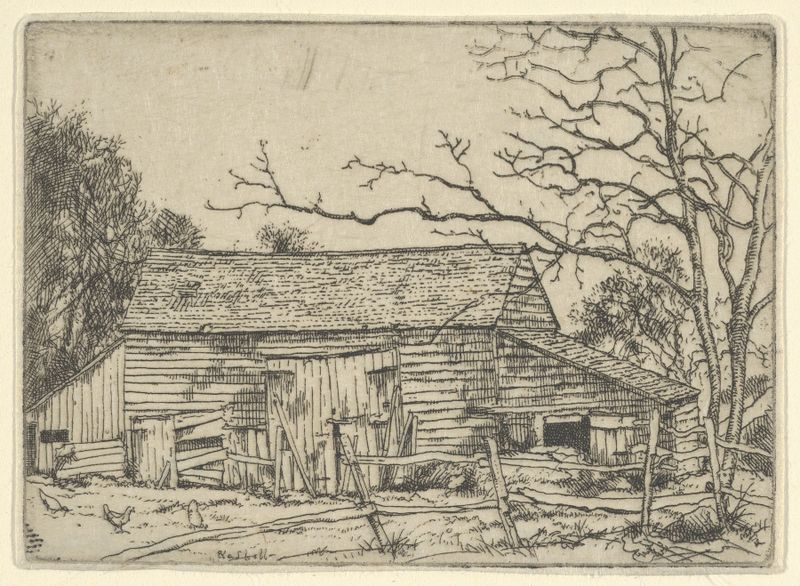
The Barn–Staten Island, N.Y.
Ernest Haskell

Four Live Oaks
Ernest Haskell
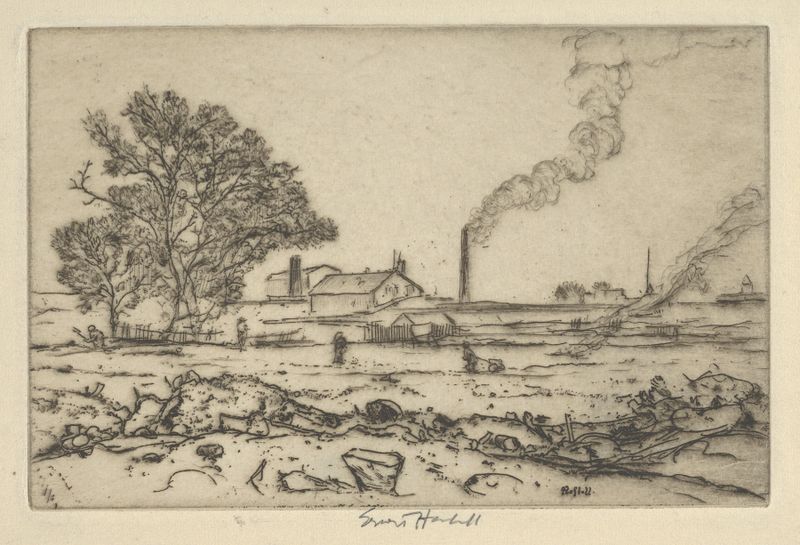
Outskirts of Boston
Ernest Haskell
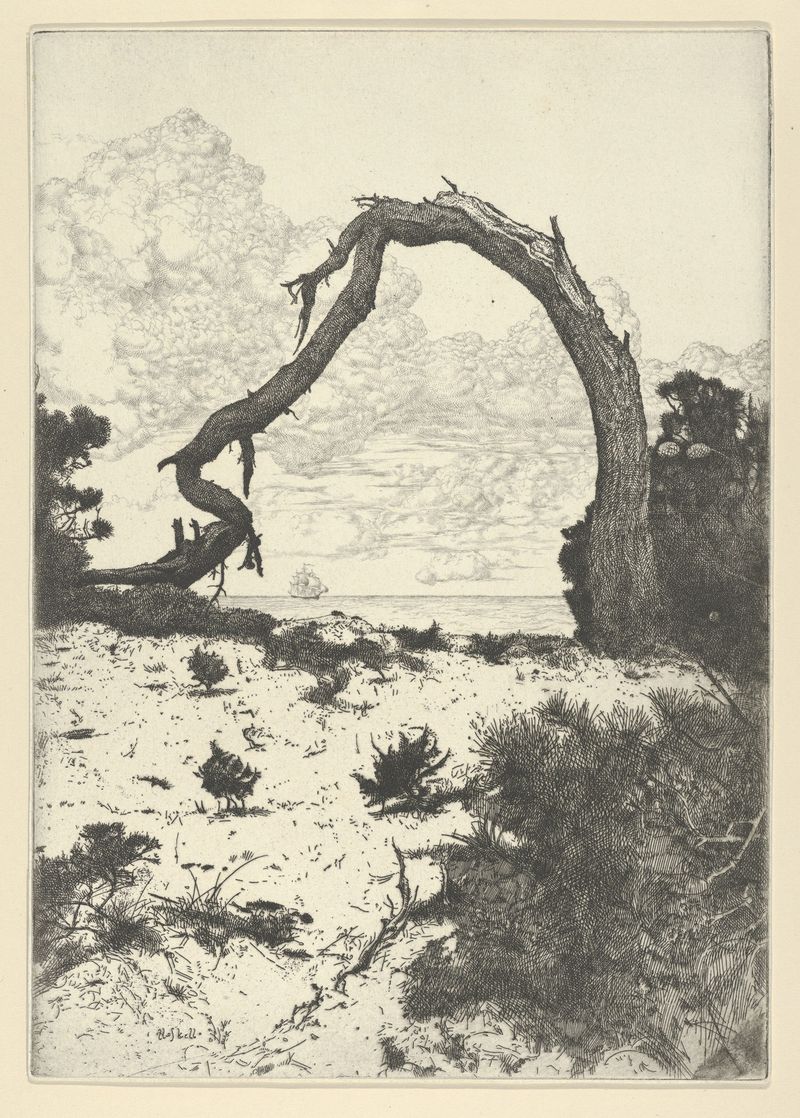
Pine Arch
Ernest Haskell

General Sherman
Ernest Haskell
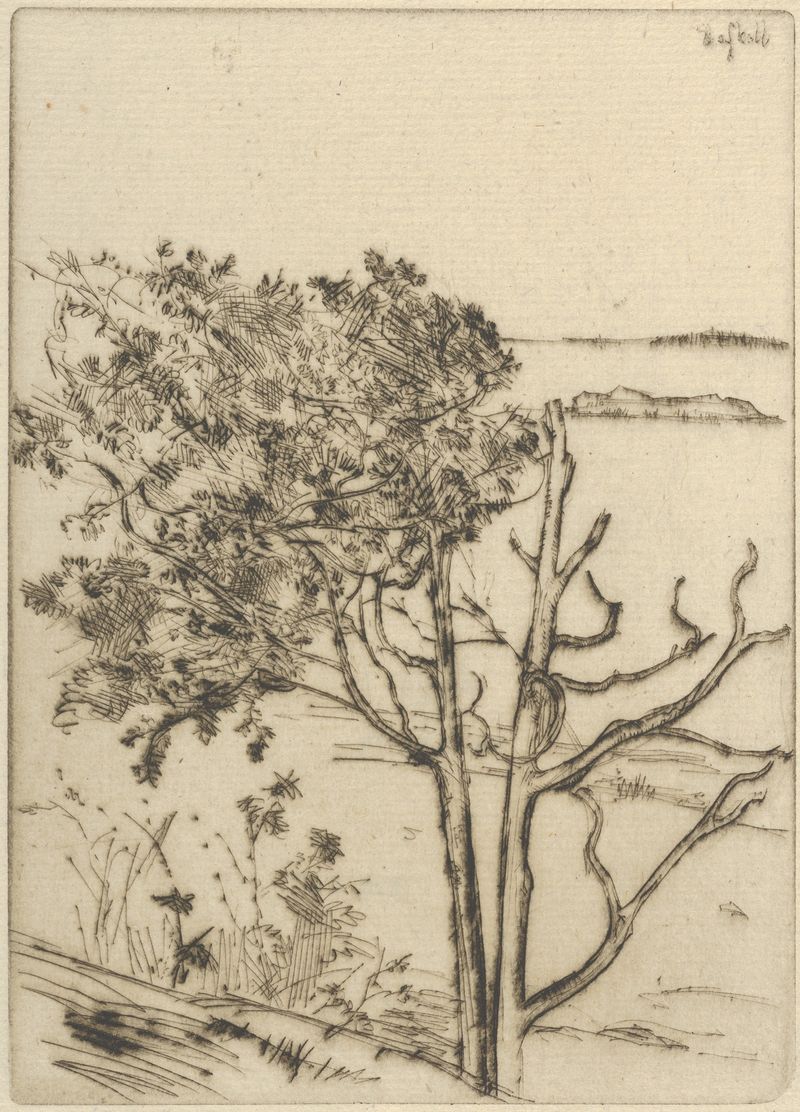
Ragged Tree – Maine
Ernest Haskell

Tide Mill
Ernest Haskell

Ship Building
Ernest Haskell
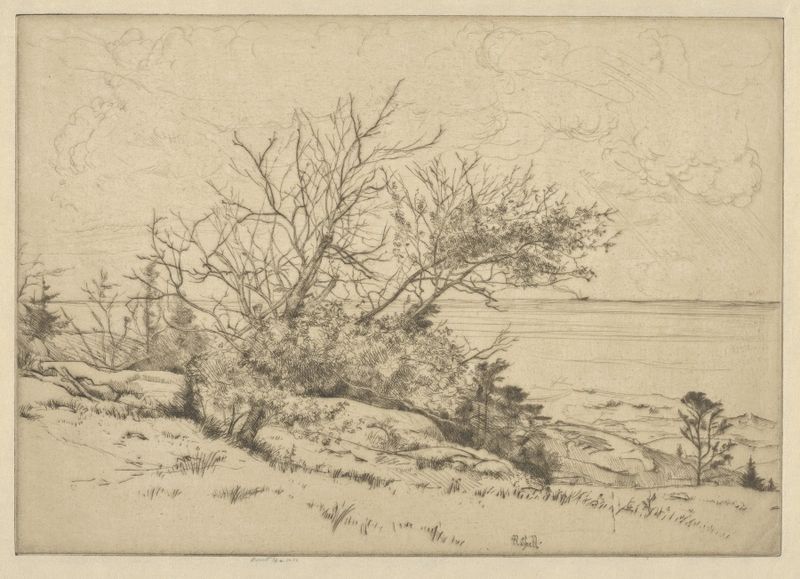
To the Southward – Ragged Island, Me.
Ernest Haskell
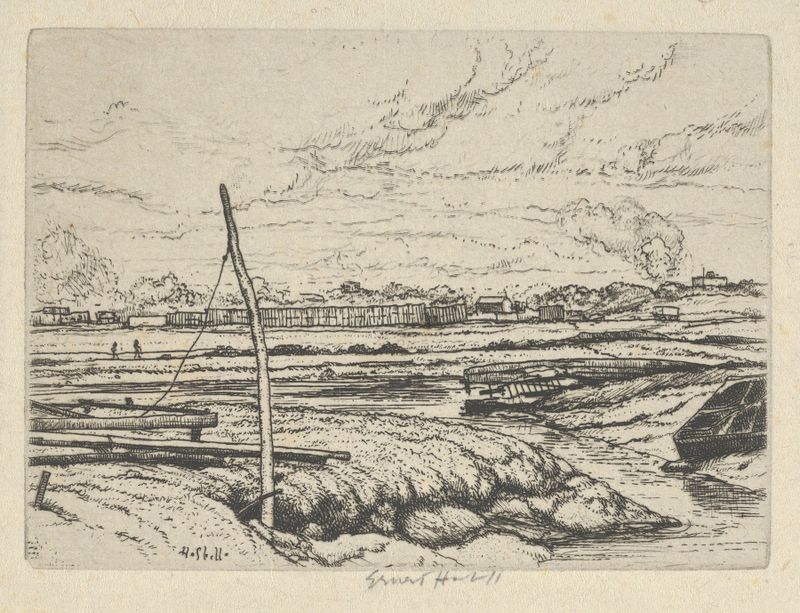
Long Island Marshes
Ernest Haskell





