
Alna Willows — History & Facts
When did color learn to lie? In the delicate interplay of hues and forms, fragility emerges as both a theme and a tension in this captivating work. Focus on the gentle curves of the willows, their slender branches arching gracefully against the backdrop. Notice how the muted greens and browns intertwine, creating a sense of depth and softness. The light dances across the canvas, illuminating the leaves with an ethereal glow, as if whispering secrets between the trees.
This subtle use of color evokes a feeling of nostalgia, drawing the viewer into a realm where time slows, and nature reveals its tender beauty. As you explore the painting, consider the nuanced contrasts between strength and vulnerability. The willows, though seemingly resilient, are depicted in such a way that they sway precariously, suggesting an underlying fragility in their existence. The interplay of shadows hints at the passing of time, while the serene landscape conveys a moment of respite amidst life's impermanence.
Each brushstroke carries an emotional weight, inviting reflections on nature's transient beauty. In 1924, the artist rendered this piece during a period of burgeoning modernism and introspection in the art world. Living in the vibrant context of the early 20th century, Haskell was influenced by movements that emphasized emotional depth and atmospheric qualities. His exploration of nature and its forms reflected both personal experiences and broader shifts in artistic expression, encapsulating a moment of profound observation and introspection.
More Artworks by Ernest Haskell
Browse all →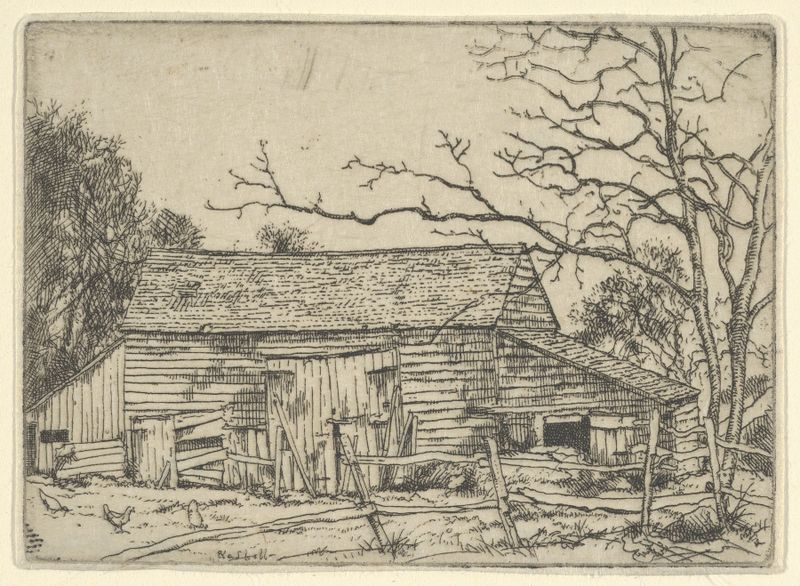
The Barn–Staten Island, N.Y.
Ernest Haskell

Four Live Oaks
Ernest Haskell
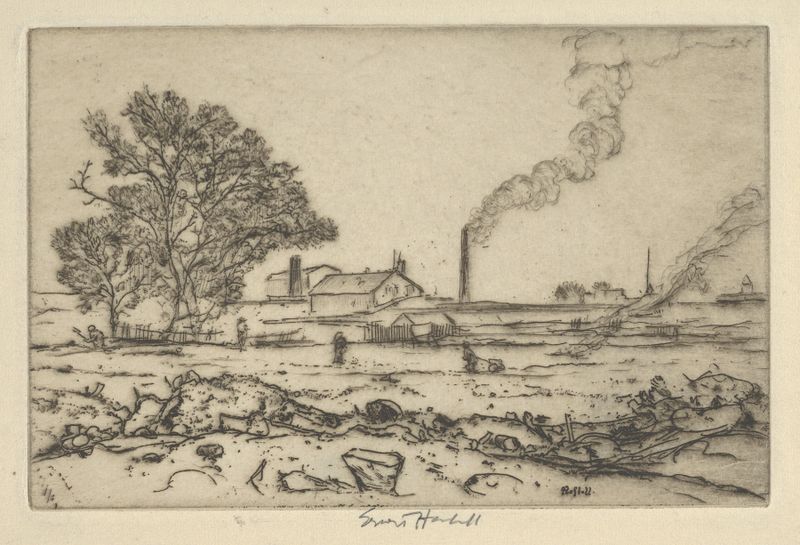
Outskirts of Boston
Ernest Haskell
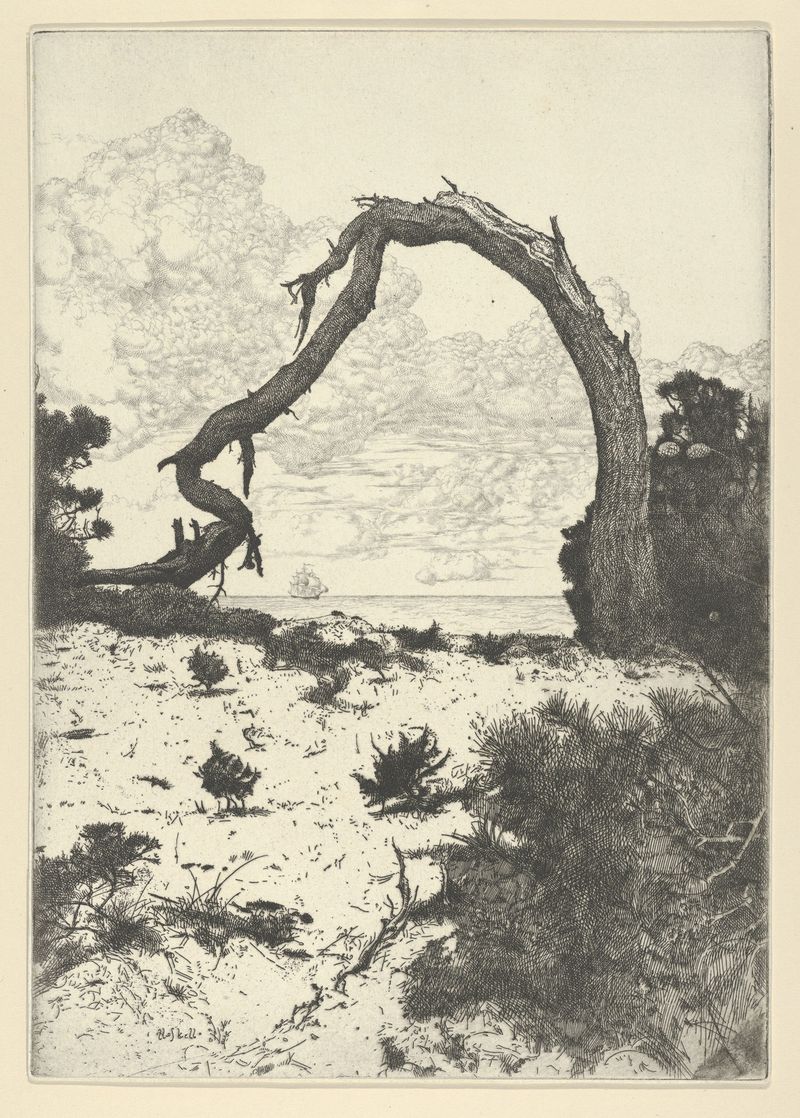
Pine Arch
Ernest Haskell

General Sherman
Ernest Haskell
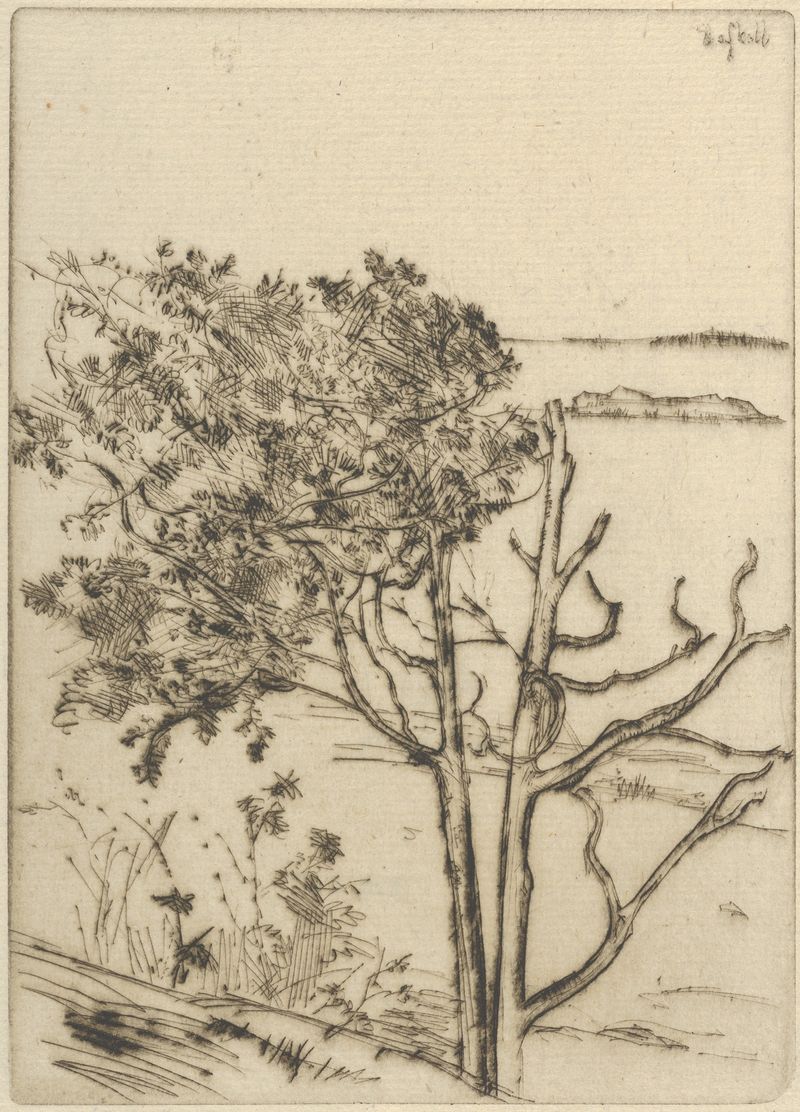
Ragged Tree – Maine
Ernest Haskell

Tide Mill
Ernest Haskell

Ship Building
Ernest Haskell
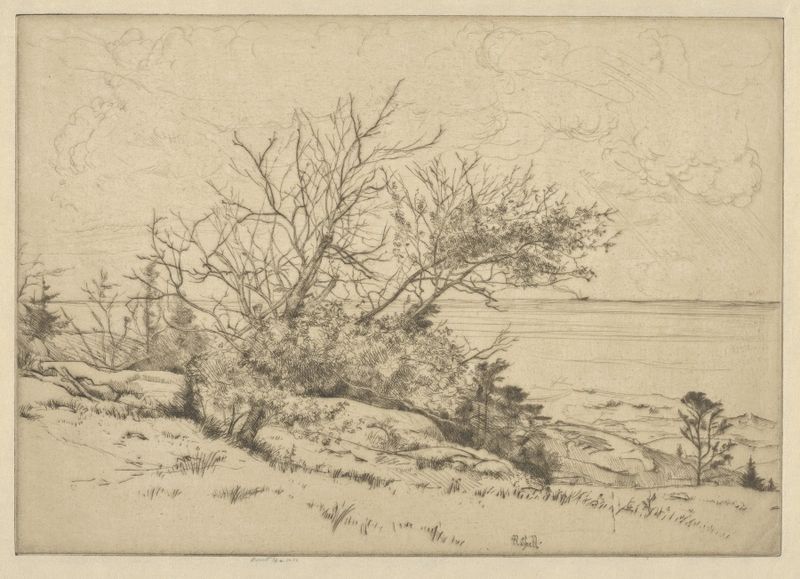
To the Southward – Ragged Island, Me.
Ernest Haskell
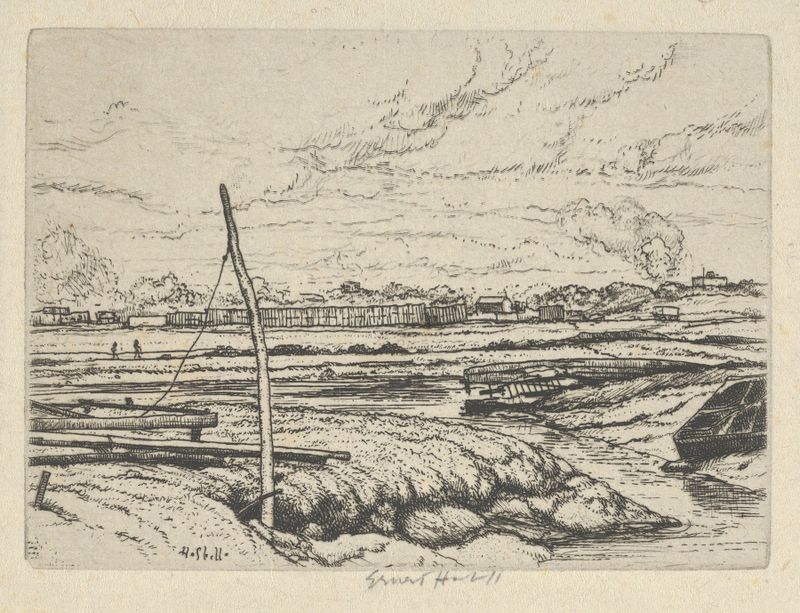
Long Island Marshes
Ernest Haskell





