
Amaranth — History & Facts
Can beauty exist without sorrow? In Amaranth, the delicate interplay of colors and forms evokes both yearning and resilience, capturing the essence of a time on the brink of change. Focus on the central figure, draped in rich hues of crimson and gold, exuding a sense of both strength and fragility. Notice how the soft brushstrokes create an almost ethereal quality to the subject, while the vibrant background pulses with a muted energy. The composition draws the eye inward, leading to the soulful gaze of the figure, whose expression hints at unfulfilled dreams and a longing for a better future. The juxtaposition of the vibrant palette against the somber undertones suggests a deeper narrative.
Each petal of the amaranth flower, symbolizing immortality, serves as a reminder of beauty enduring through adversity. The flowing lines and curves convey motion, echoing the tensions of a society on the cusp of revolution, while the figure remains anchored in a moment of introspection amidst chaos. Ambroży Sabatowski painted Amaranth in 1912, during a period when Europe was rife with political unrest and artistic experimentation. Living in Poland, Sabatowski was influenced by the tumultuous backdrop of shifting ideologies and cultural aspirations.
His work reflects a growing awareness of social issues and the human condition, marking him as a pivotal figure in the evolution of early 20th-century art.
More Artworks by Ambroży Sabatowski
Browse all →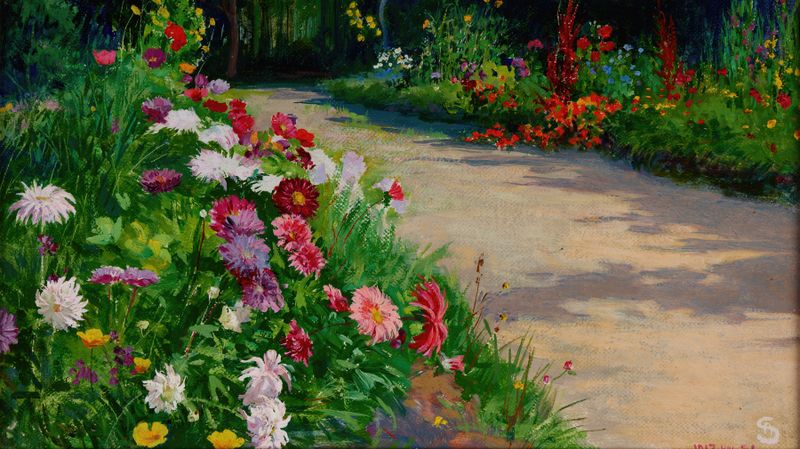
Asters
Ambroży Sabatowski
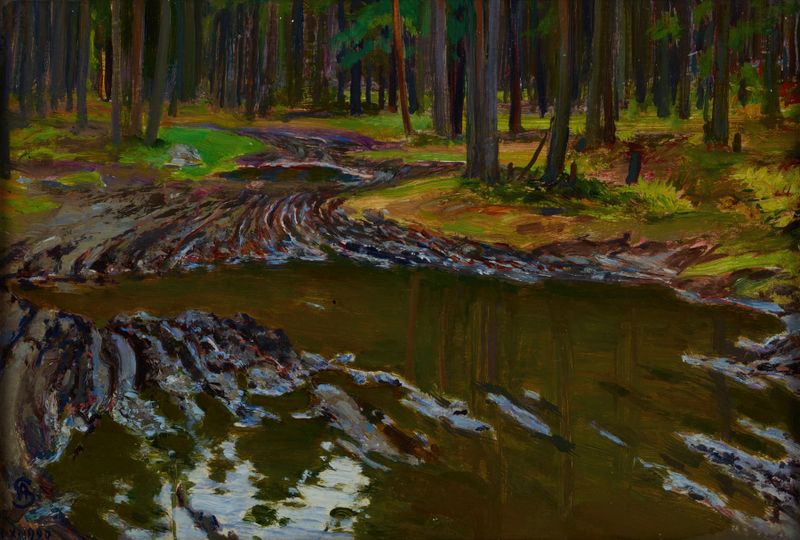
Mud in the Forest
Ambroży Sabatowski
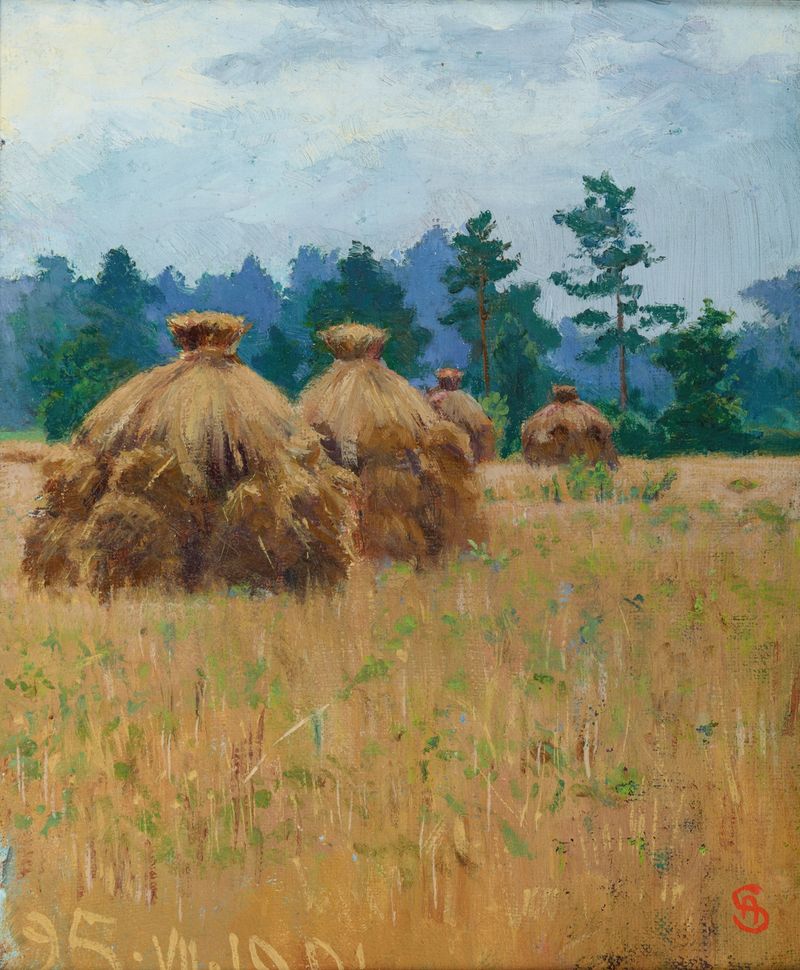
Volhynian Stacks of Corn
Ambroży Sabatowski
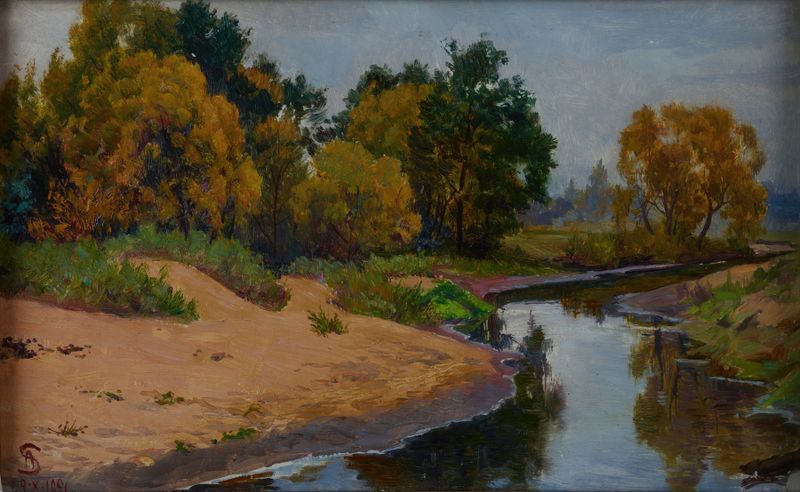
Autumn
Ambroży Sabatowski
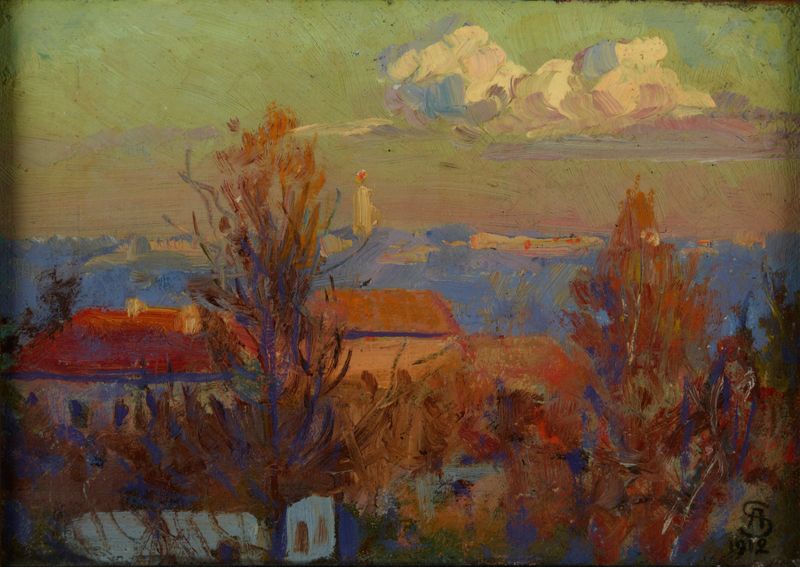
Landscape
Ambroży Sabatowski
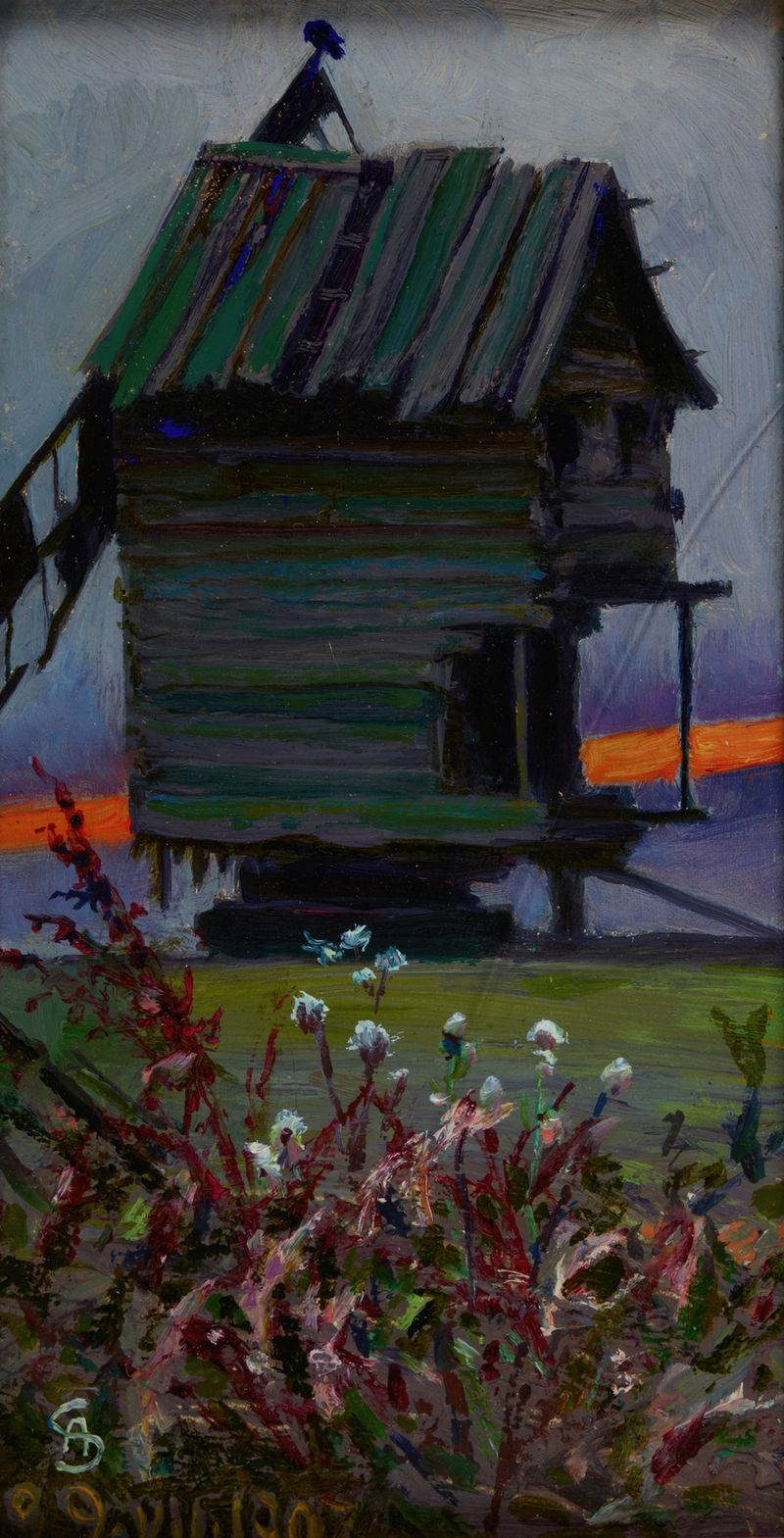
Old Windmill
Ambroży Sabatowski
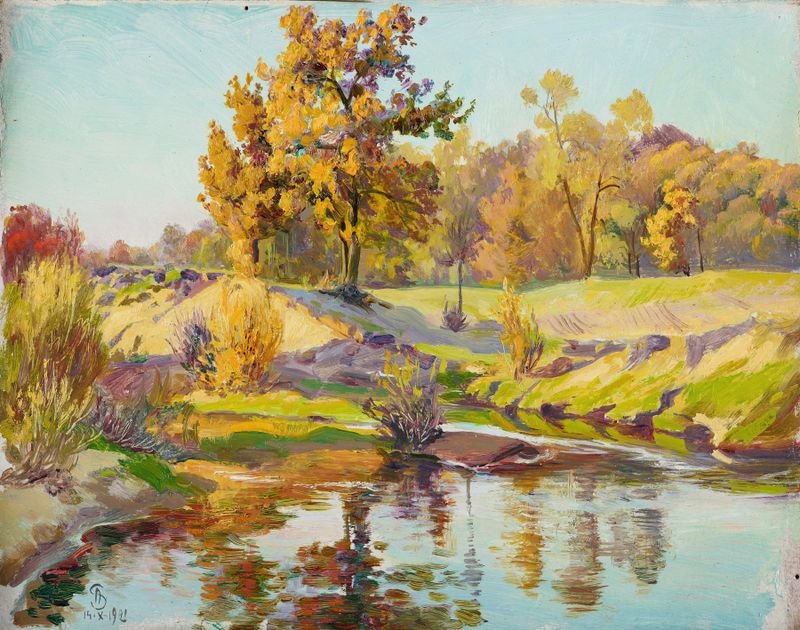
Sunny Autumn
Ambroży Sabatowski
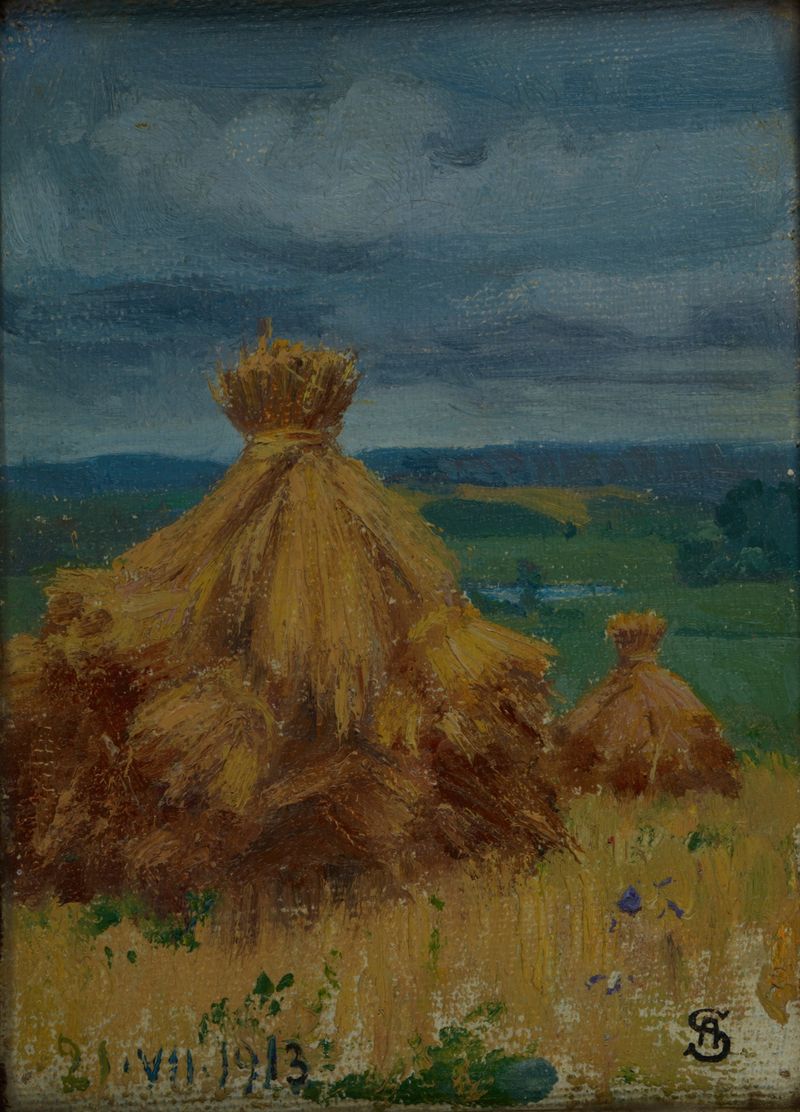
Cloudy Day
Ambroży Sabatowski
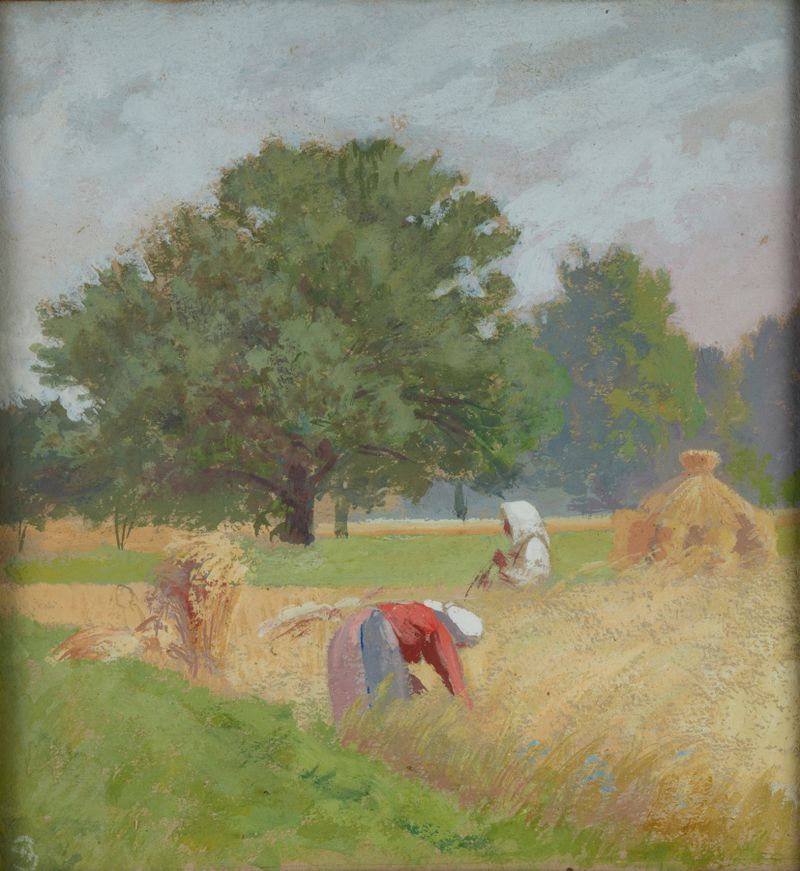
Three Moments – Triptych (Noon)
Ambroży Sabatowski
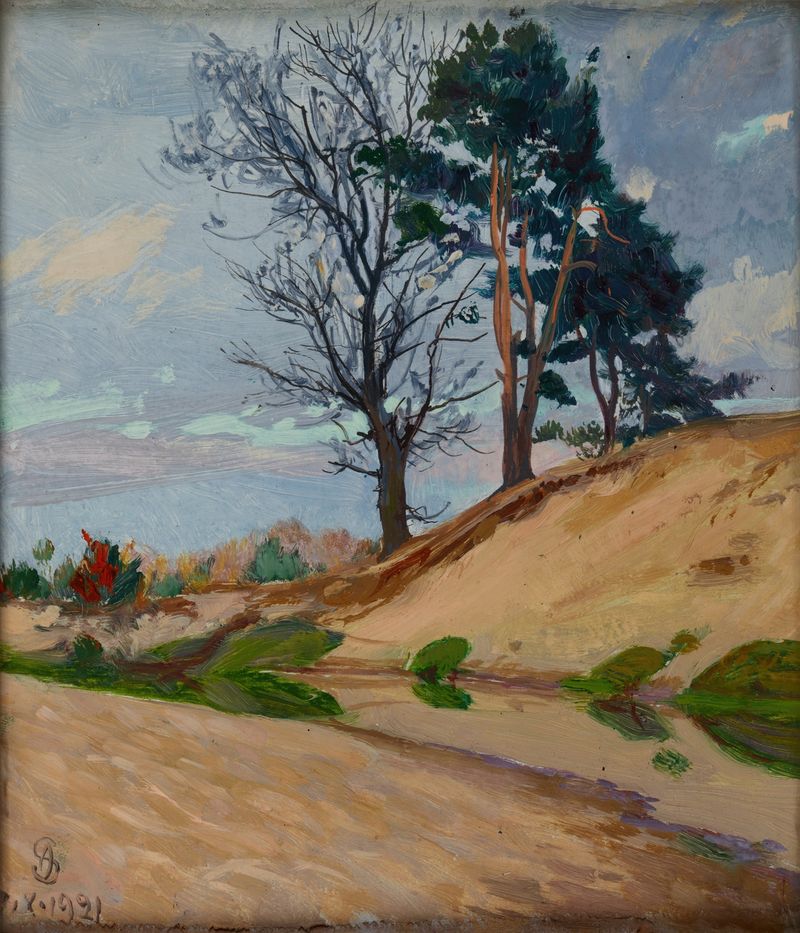
Sandy Bank of the Kamienna River
Ambroży Sabatowski





