
Ambassadors of Doge Ziani — History & Facts
In the shifting political landscape of Renaissance Venice, the arrival of foreign ambassadors was a spectacle loaded with ceremony and meaning. Ambassadors of Doge Ziani captures one such diplomatic encounter, centered on the figure of Doge Pietro Ziani, who ruled Venice in the early 13th century. The painting is often discussed for its enigmatic origins—neither its exact date nor its original commission are securely documented, and its attribution to Tintoretto has been the subject of scholarly debate.
What is certain is that the painting reflects the city’s pride in its diplomatic prowess and the elaborate rituals that defined its public life. The scene unfolds at the precise moment when the ambassadors, richly attired and bearing gifts, are received by the Doge in a grand hall. Tintoretto orchestrates the composition with dramatic diagonals, drawing the eye from the dignitaries’ solemn procession to the Doge’s elevated throne, where he gestures in a manner both welcoming and authoritative. The interplay of light heightens the theatricality, spotlighting the gold-threaded robes and the fluttering banners that signal Venice’s maritime power.
The inclusion of attentive courtiers and the careful rendering of architectural details root the event in the grandeur of the Venetian Republic. Unlike Gentile Bellini’s more static depictions of state ceremonies, Tintoretto infuses the gathering with a sense of movement and tension, hinting at the delicate balance of diplomacy. The painting’s journey through history is as shadowed as its origins. While it has long been associated with Tintoretto, some experts have suggested the hand of his workshop or even later followers, reflecting the collaborative nature of Venetian studios in the late Renaissance.
Its provenance prior to entering public collections remains unclear, though it is now housed in a major European museum, where it stands as a testament to Venice’s diplomatic legacy and the enduring fascination with its pageantry. For Tintoretto, whether painted by his own hand or under his direction, the work exemplifies his flair for drama and his ability to transform civic ritual into compelling visual narrative.
More Artworks by Tintoretto
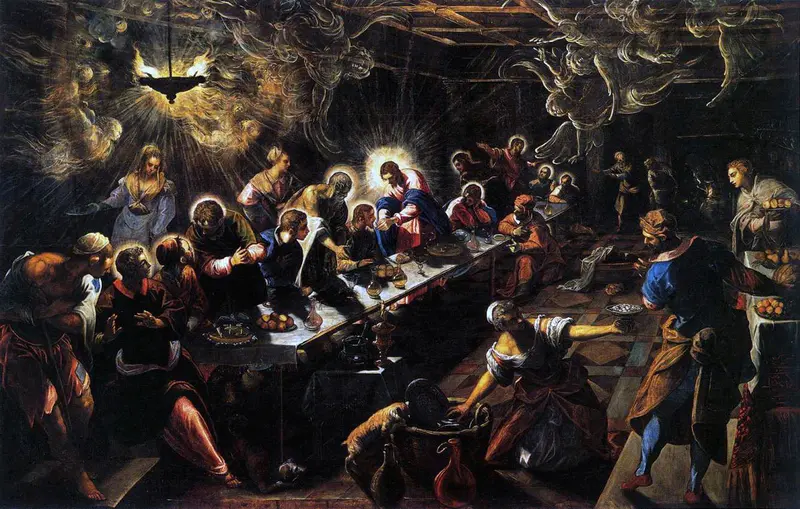
The Last Supper
Tintoretto
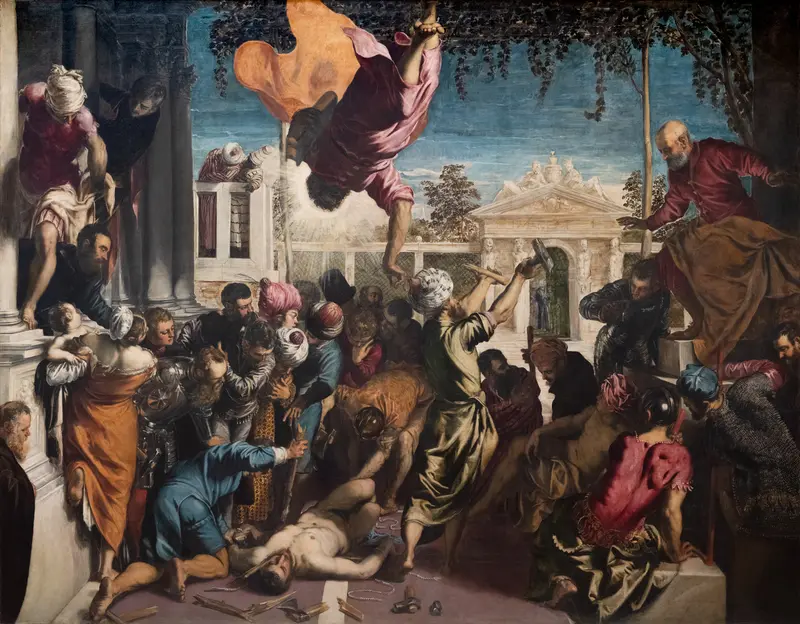
The Miracle of the Slave
Tintoretto
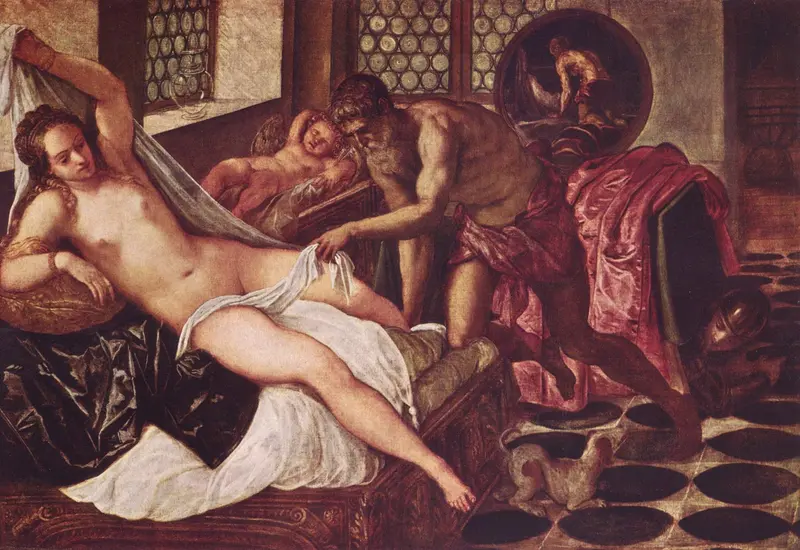
Venus and Mars Surprised by Vulcan
Tintoretto

Adoration of the Shepherds
Tintoretto
Adoration of the Magi
Tintoretto
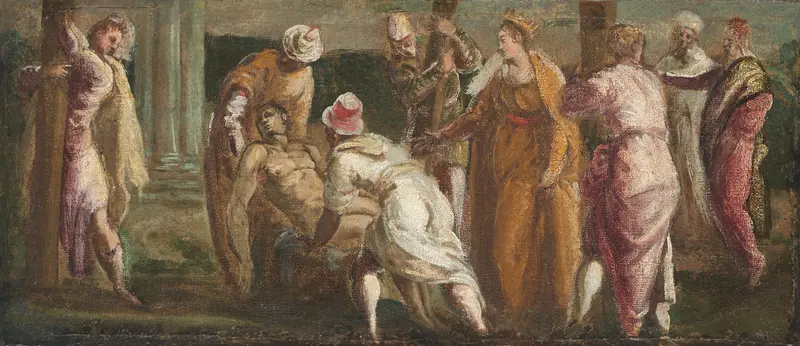
Saint Helen Testing the True Cross
Tintoretto
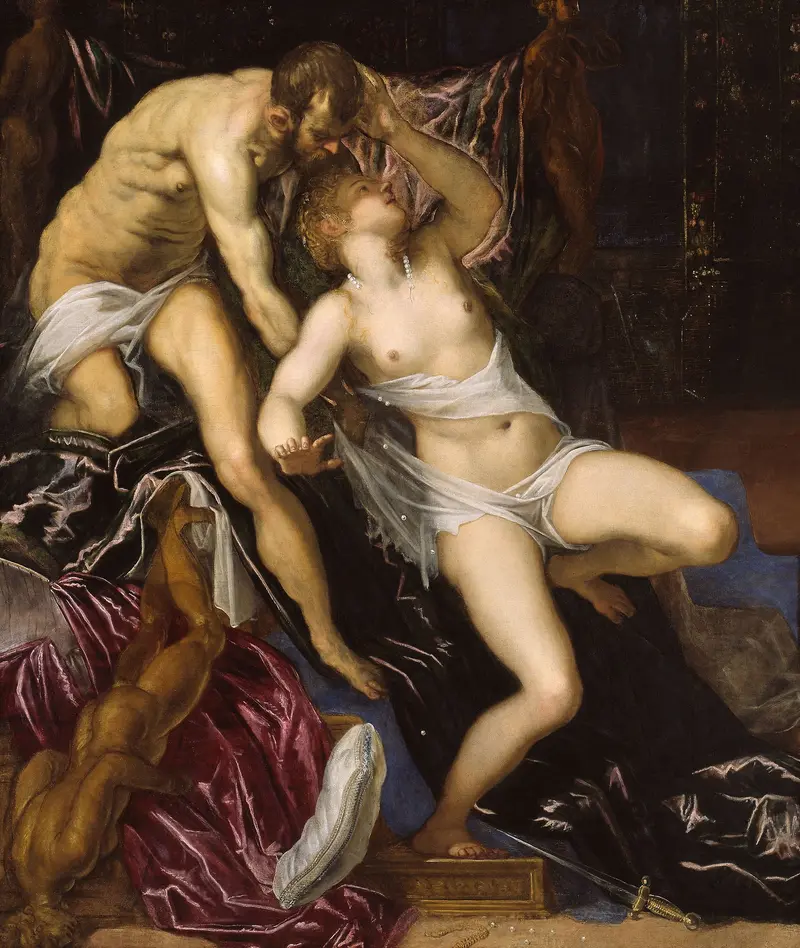
Tarquin and Lucretia
Tintoretto
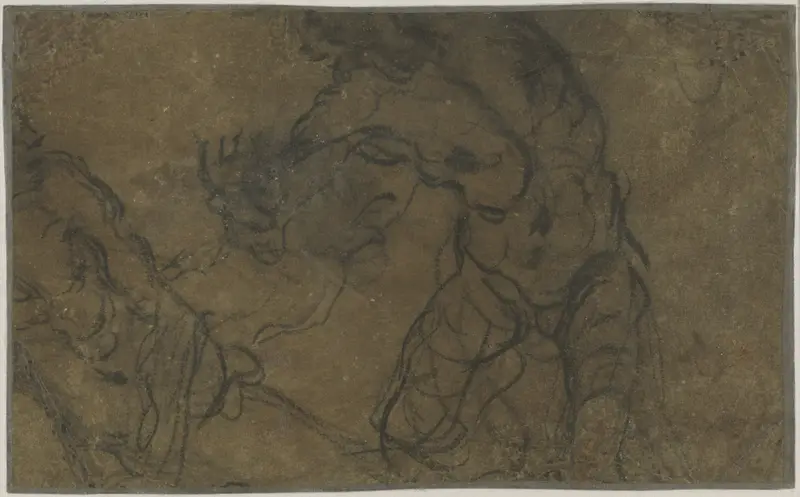
Two Male Figures in Motion (verso)
Tintoretto
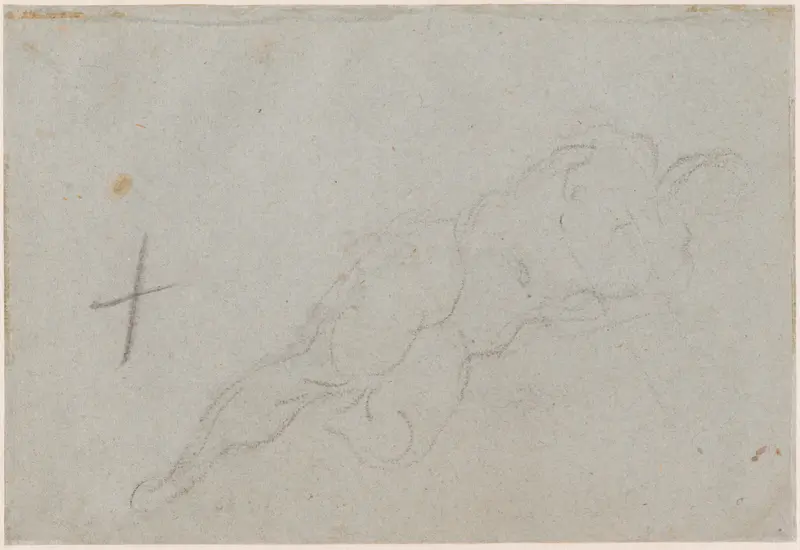
A Female Nude [verso]
Tintoretto
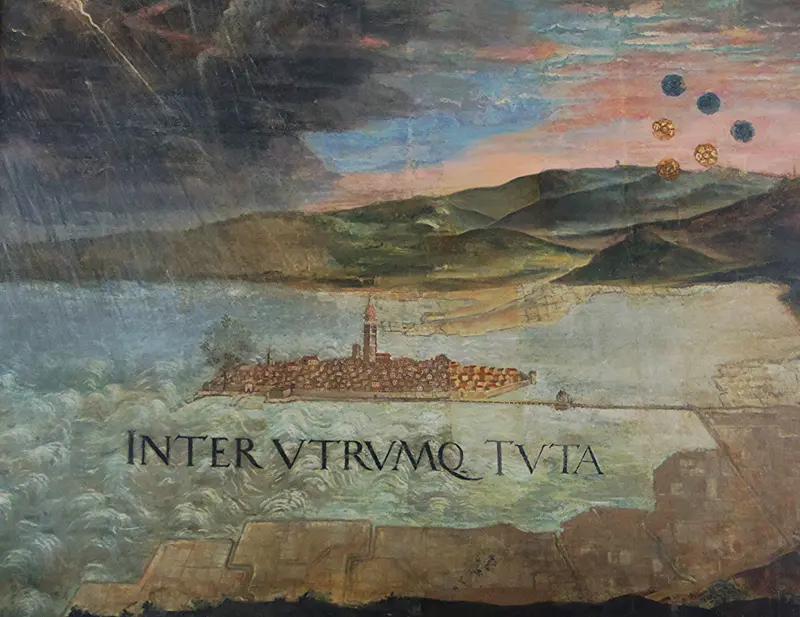
Veduta Kopra
Tintoretto





