
Ame no Omiya (Omiya in rain) — History & Facts
In the delicate strokes of this piece, one encounters a fleeting reminder of life’s ephemeral nature. Each drop of rain carries not only water but a whisper of mortality, urging us to pause and reflect on the moments that slip through our fingers. Look to the soft, muted palette that envelops the scene, where shades of gray and blue blend seamlessly into one another. The gentle wash of rain creates a veil, blurring the outlines of the structures and figures beneath it.
Focus on the central figure—a solitary person with an umbrella—who stands still amid the downpour, embodying both isolation and resilience. The way light dances off the wet surfaces brings a sense of stillness, inviting contemplation amid the chaos of nature. As you delve deeper, consider the contrast between the heavy rain and the protagonist’s calm demeanor. The storm symbolizes life's trials, yet the serene posture of the figure suggests acceptance and endurance.
This duality reflects an inner peace amidst adversity, resonating with the viewer's personal struggles. The blurred details in the background leave room for interpretation, allowing us to project our stories onto the canvas, engaging with our own realities of time and transience. In 1930, Kawase Hasui painted Ame no Omiya during a period of transformation in Japan. This was a time when the country was grappling with modernization and the encroachment of Western influences, yet Hasui sought to capture the beauty of traditional landscapes.
His work emerged as a poignant reminder of the past, a testament to fleeting moments and the quiet dignity found in everyday life, preserving memories as time relentlessly moves forward.
More Artworks by Kawase Hasui
Browse all →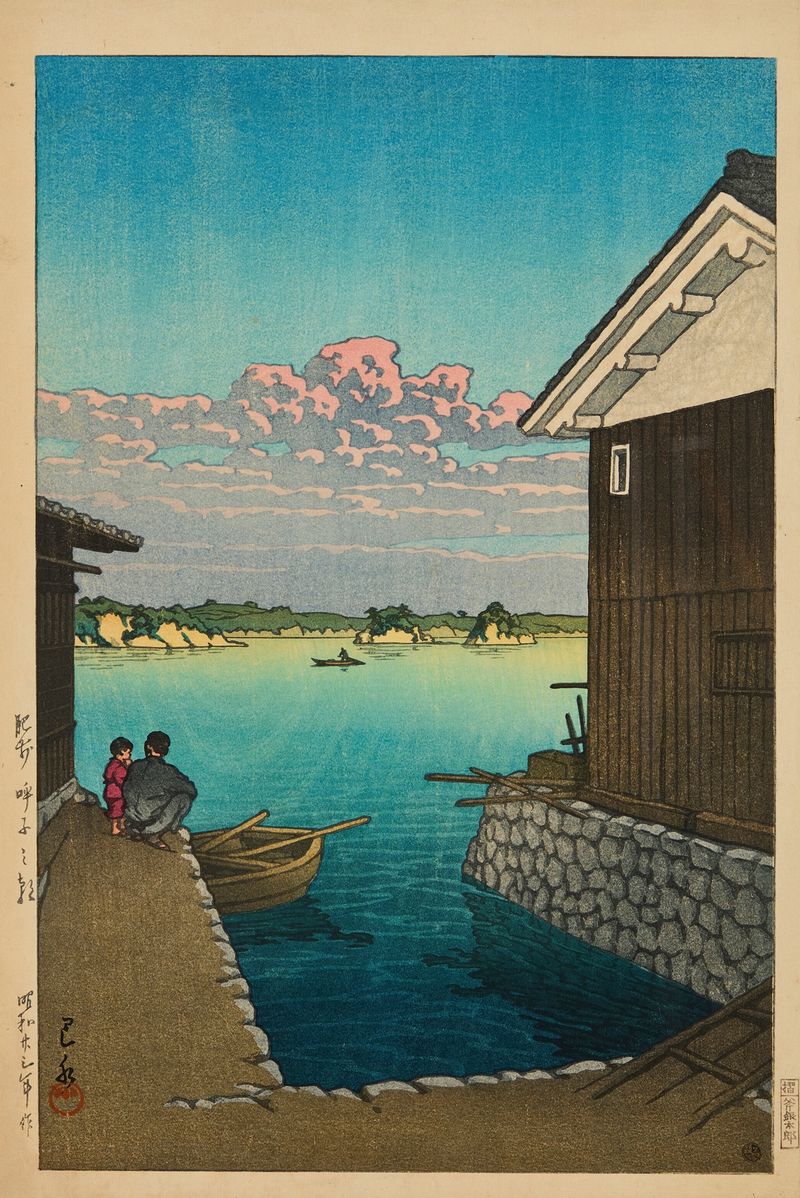
Hizen Yobuko no asa (Morning in Yobuko, Hizen)
Kawase Hasui
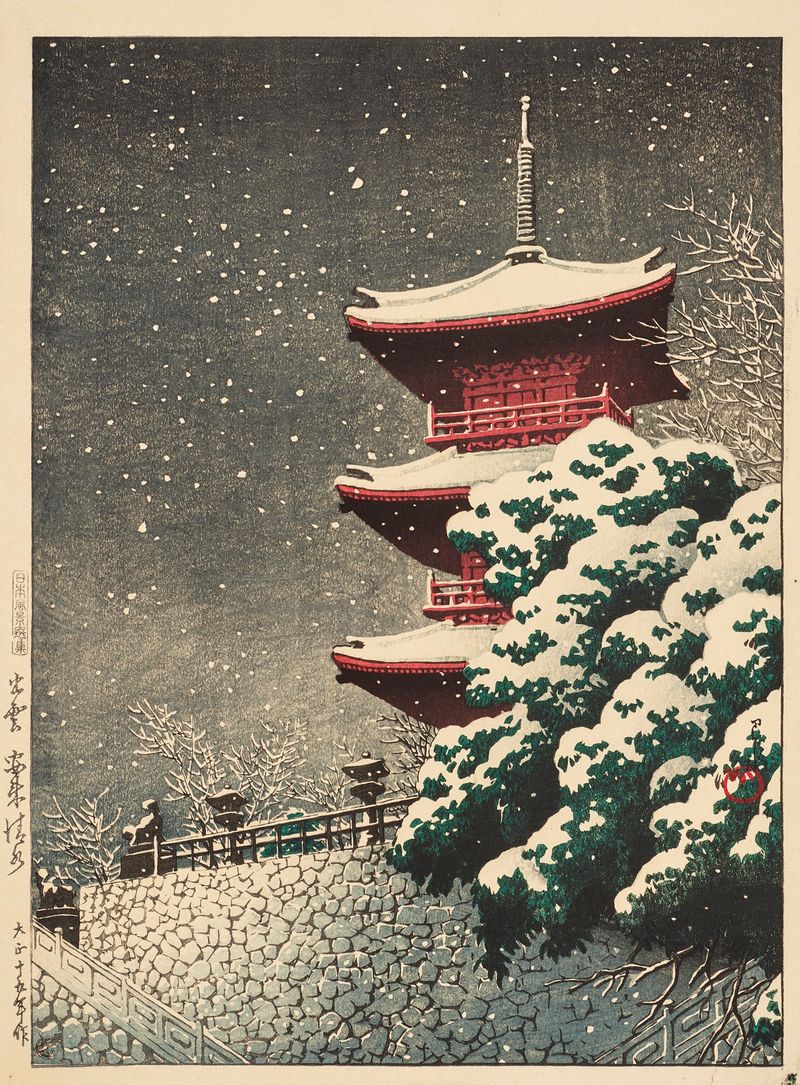
Izumo, Yasugi Kiyomizu (Yasugi Kiyomizu Temple at Izumo)
Kawase Hasui
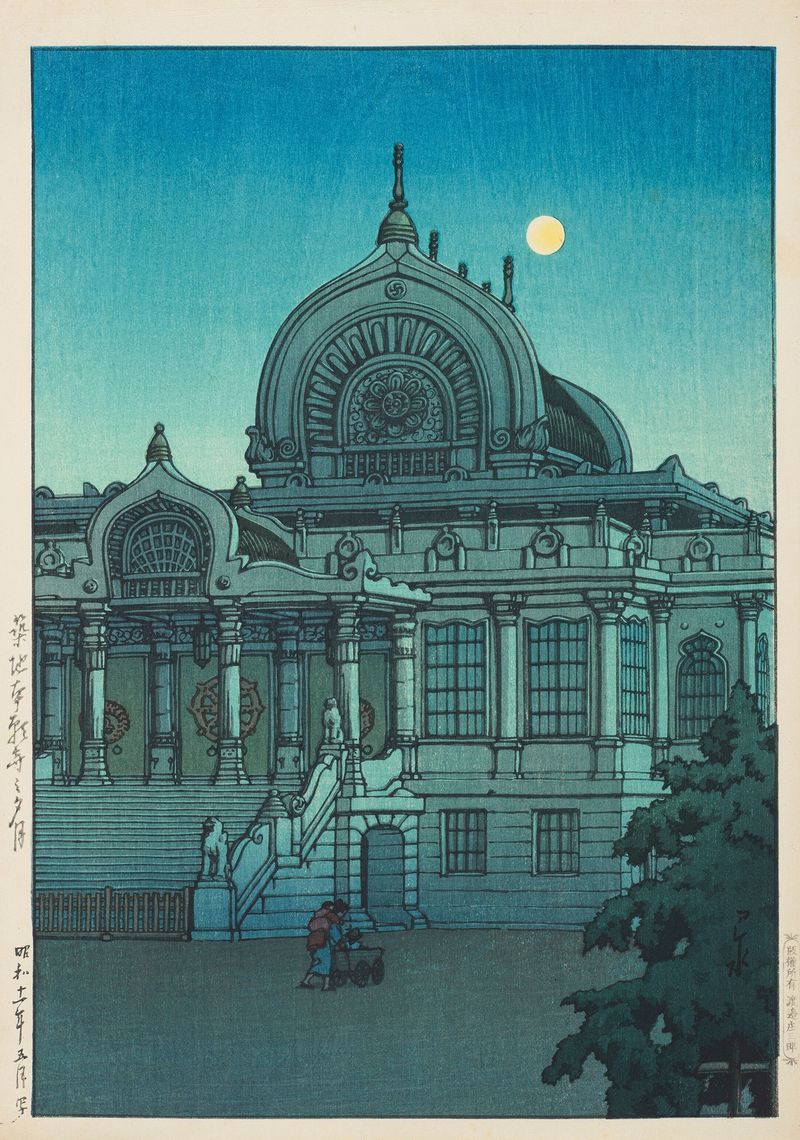
Tsukiji Honganji no yuzuki (Evening moon at Honganji Temple in Tsukiji)
Kawase Hasui
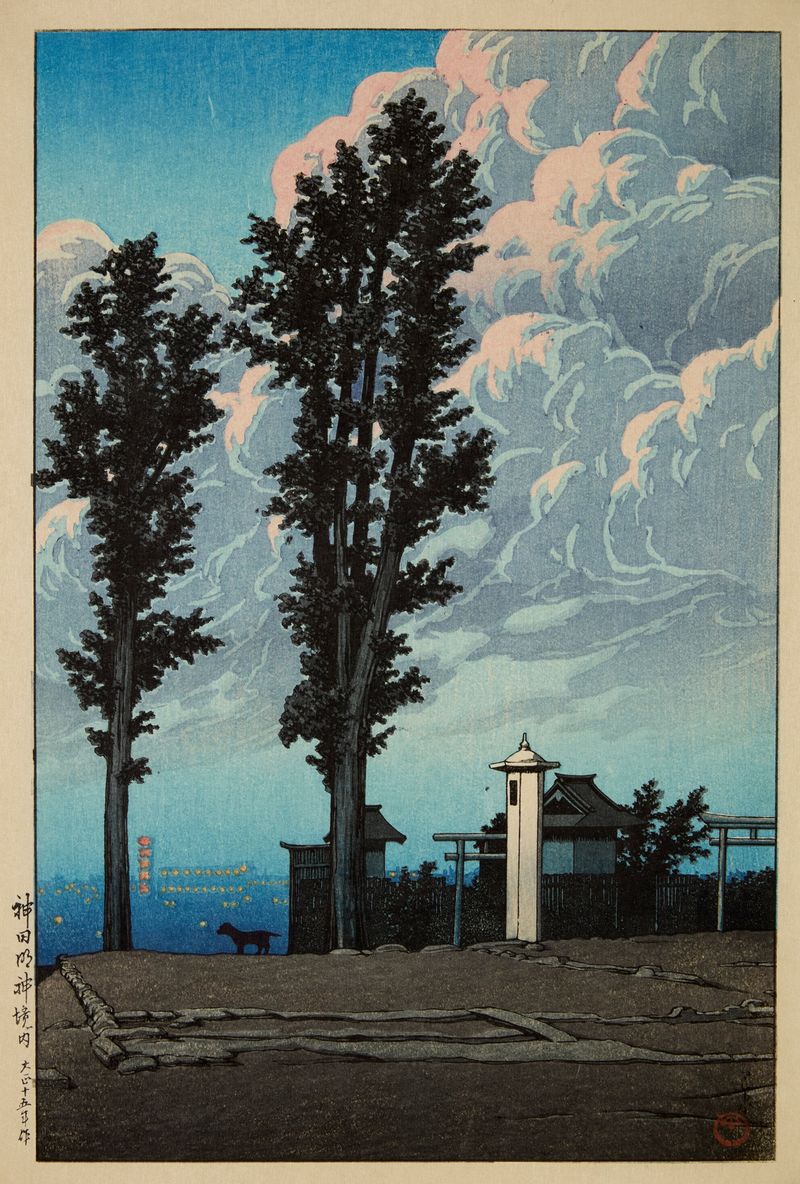
Kanda Myojin keidai (Kanda Myojin Shrine precent)
Kawase Hasui
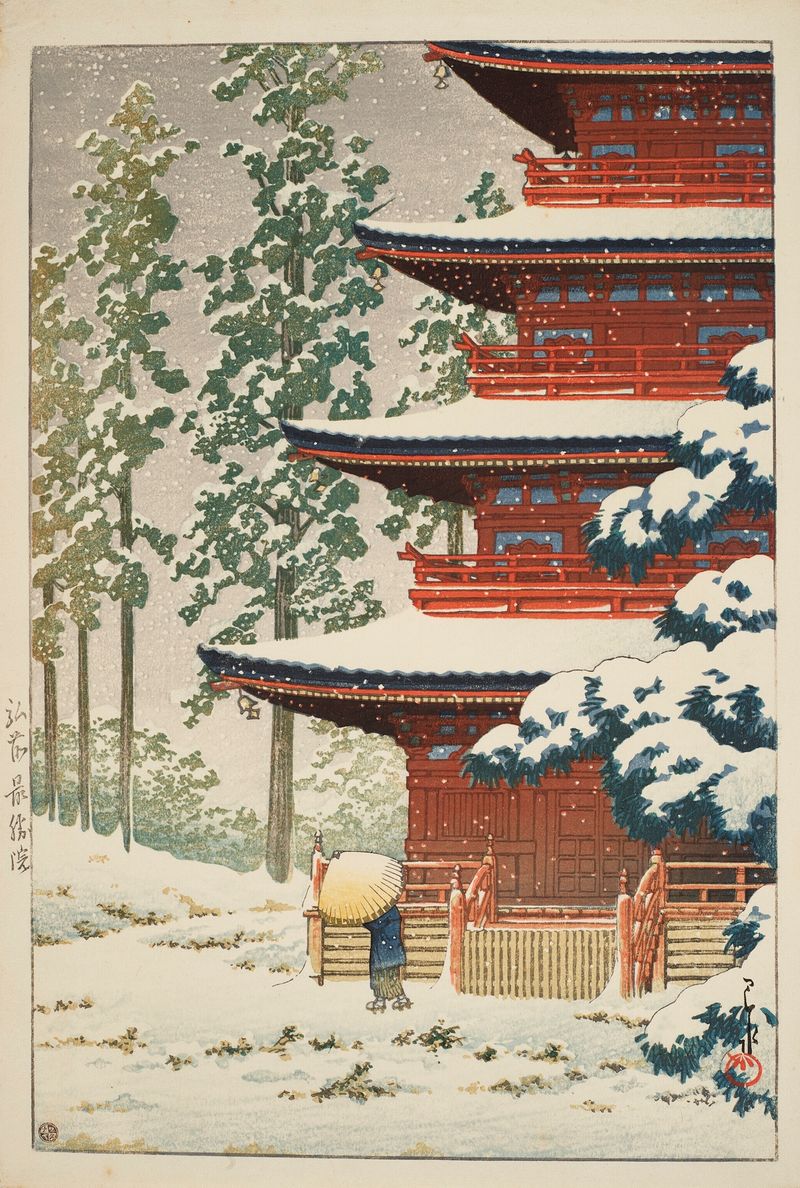
Saisho-in Temple, Hirosaki
Kawase Hasui
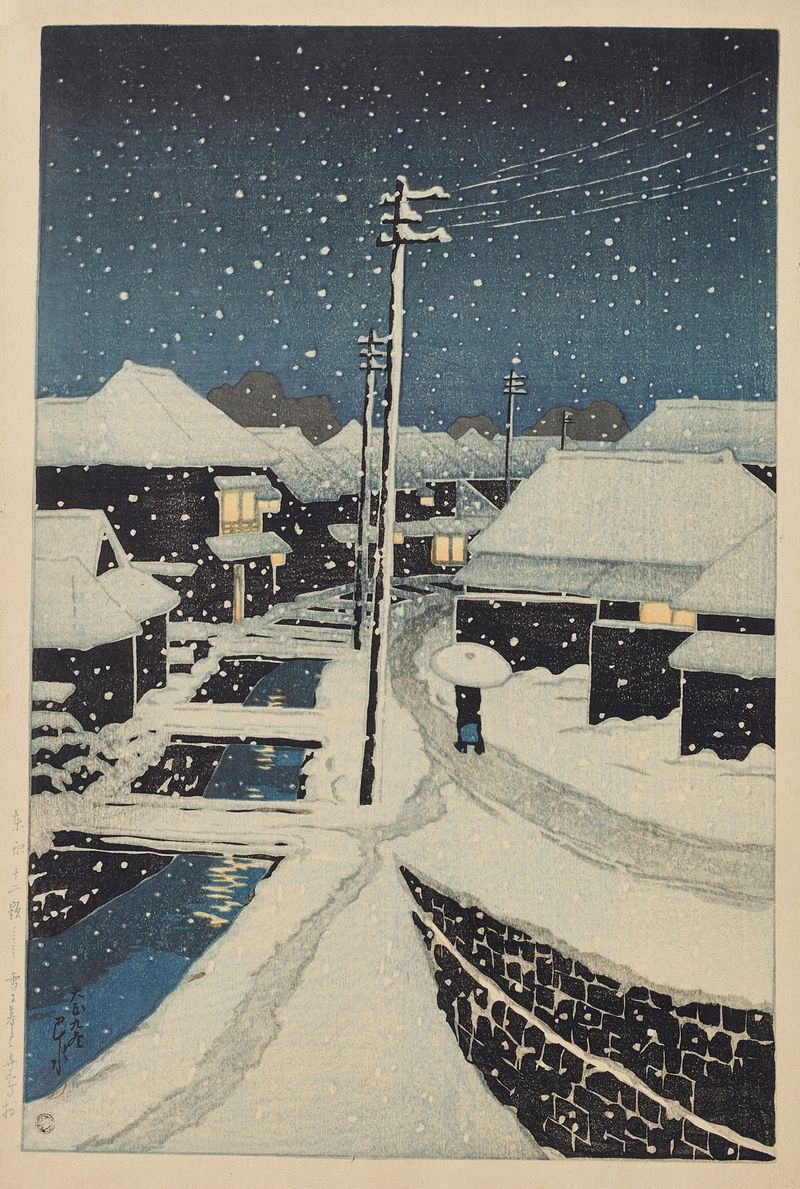
Yuki ni fururu Terajima mura (Evening snow at Terajima Village)
Kawase Hasui
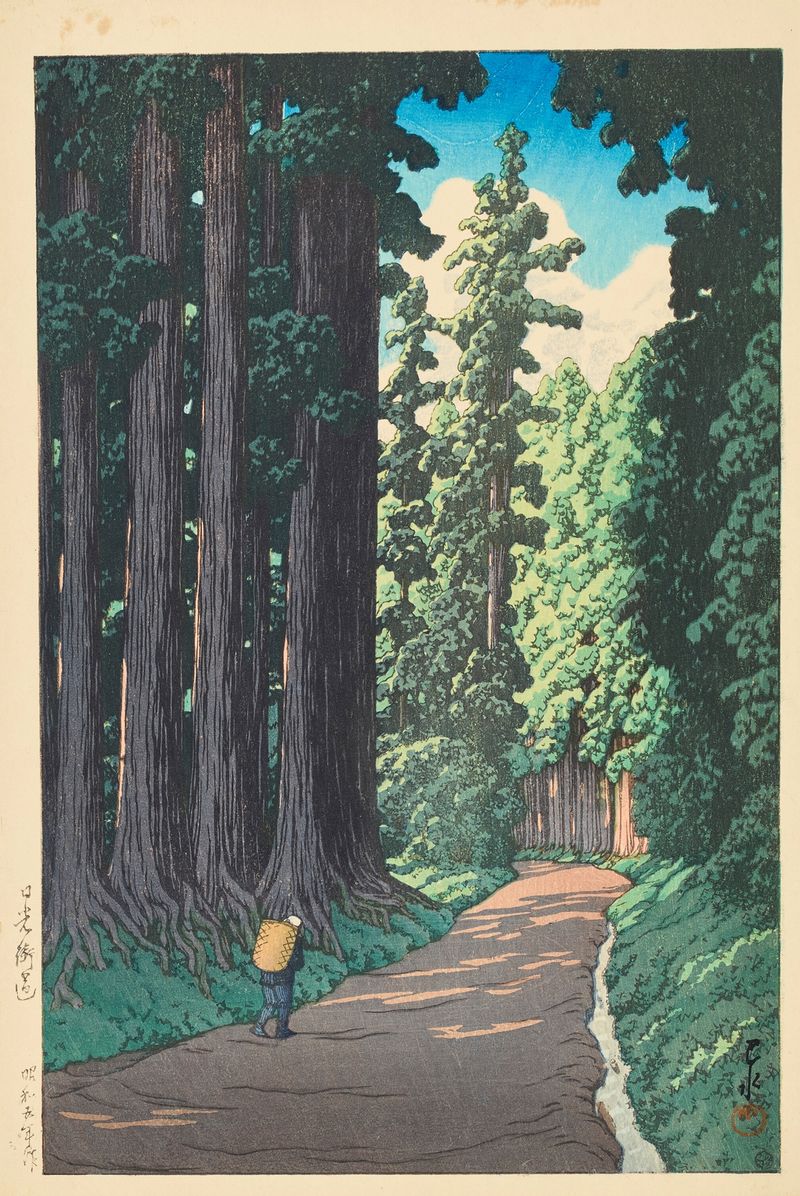
Nikko gaido (The Road to Nikko)
Kawase Hasui
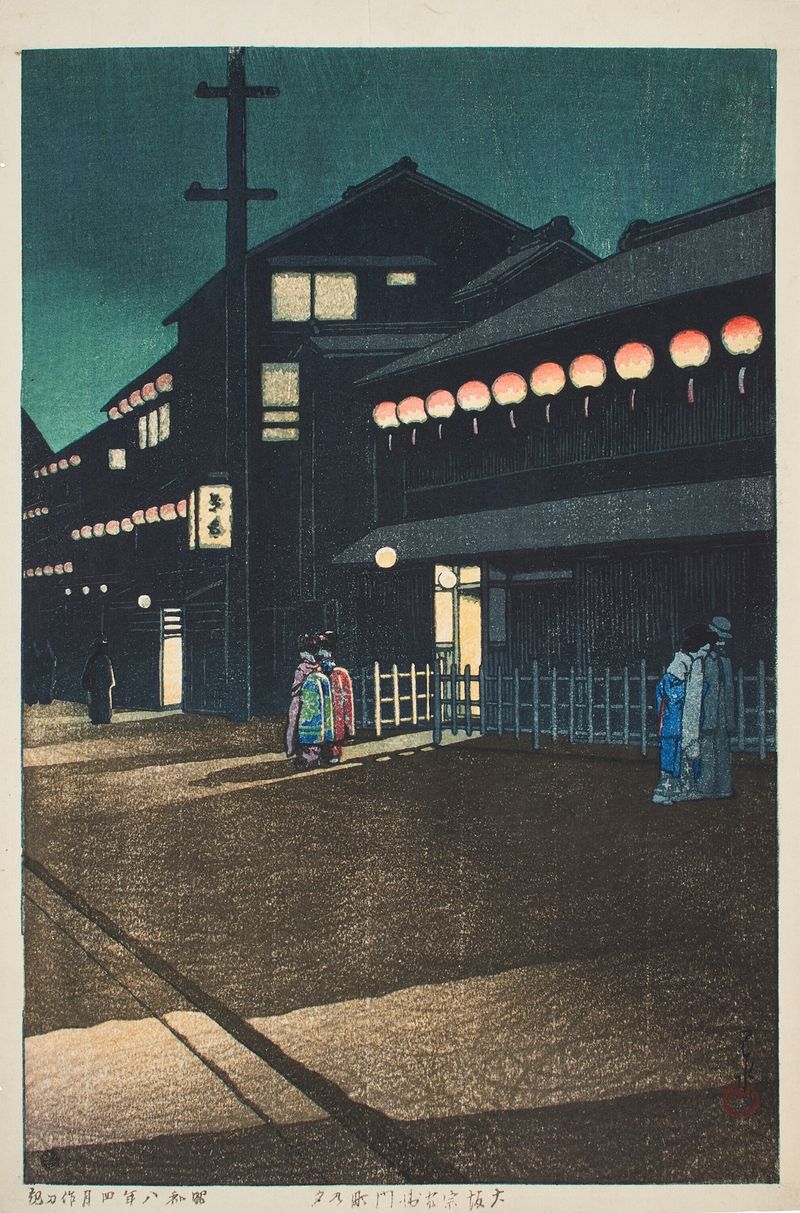
Osaka Soemon-cho no yu (Evening in Soemon-cho, Osaka)
Kawase Hasui
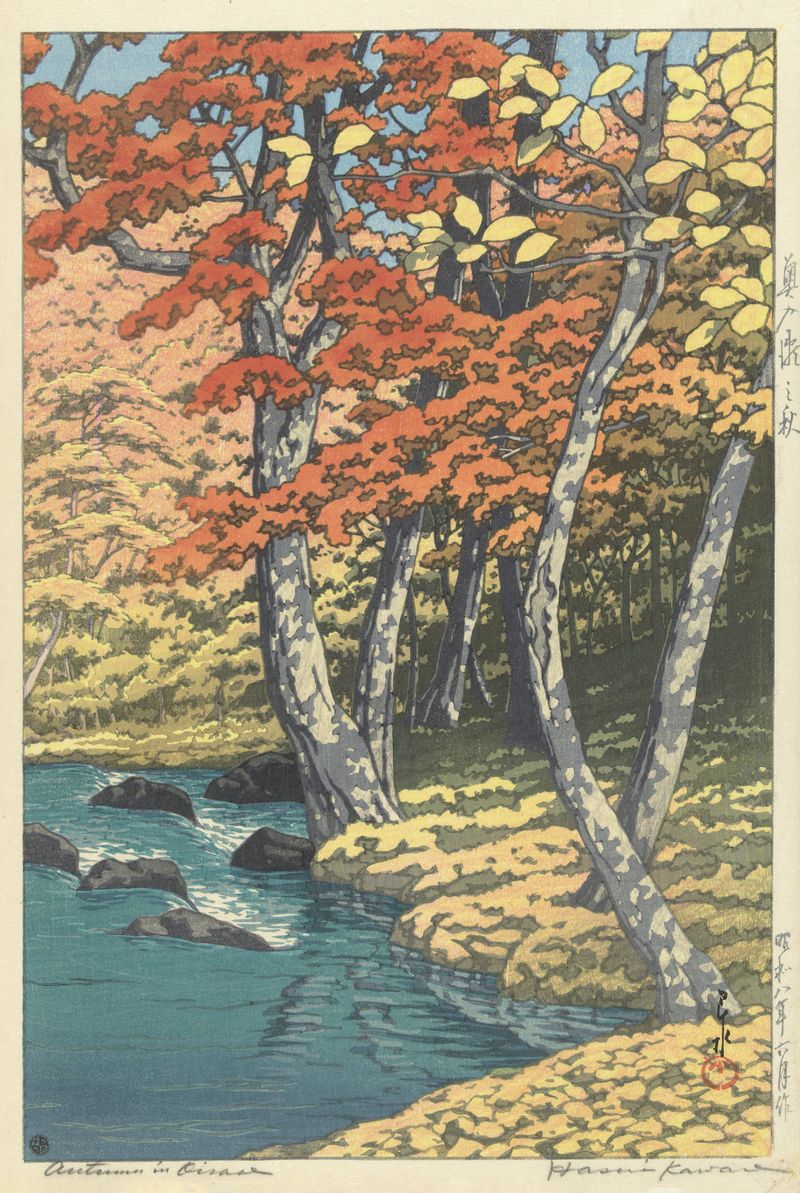
Autumn In Oirase
Kawase Hasui
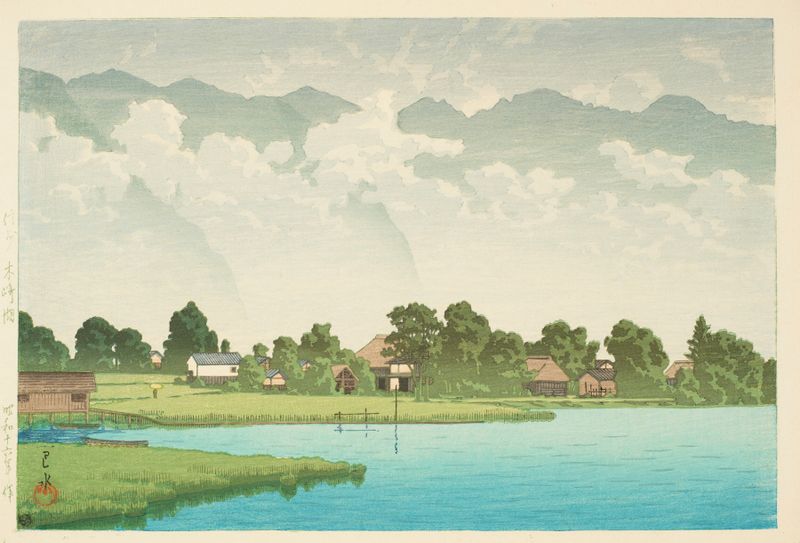
Shinshu Kizakiko (Kizaki Lake in Shinshu)
Kawase Hasui





