
Amerongen — History & Facts
What if Willem Adrianus Grondhout painted not what they saw, but what they feared? Look closely at Amerongen, and you will find an intricate interplay of shadow and light that draws you in, enveloping you in a silent dance of movement. The soft brushstrokes create a sense of fluidity, guiding your gaze across the canvas. Notice how the muted palette echoes the tranquility of the scene, inviting you to explore the gentle curves of the landscape and the static figures that emerge from it. In the foreground, a small group gathers, their postures suggestive of both community and solitude.
The contrast between the vibrancy of their clothing and the earthy tones of the background instills an underlying tension, as if they are caught between the comfort of companionship and the weight of unspoken fears. The distant horizon looms, a reminder of the inevitable passage of time, while the soft breeze simulated by Grondhout’s strokes whispers of change; it is this movement that binds the elements, creating a palpable unease beneath the serene surface. Willem Adrianus Grondhout painted Amerongen between 1888 and 1934, a period marked by significant shifts in the art world and in his own life. Working in the Netherlands, he was influenced by the rise of modernism and the shifting aesthetics of his contemporaries.
During this time, he confronted personal challenges, which infused his work with deeper emotional resonance, striking a balance between realism and the expression of inner turmoil.
More Artworks by Willem Adrianus Grondhout
Browse all →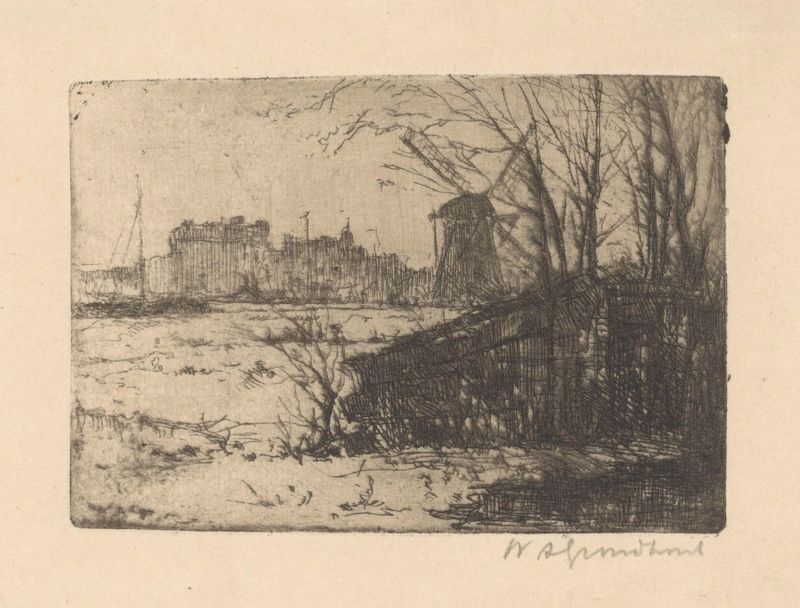
Landschap met molen in de Binckhorst in Den Haag
Willem Adrianus Grondhout
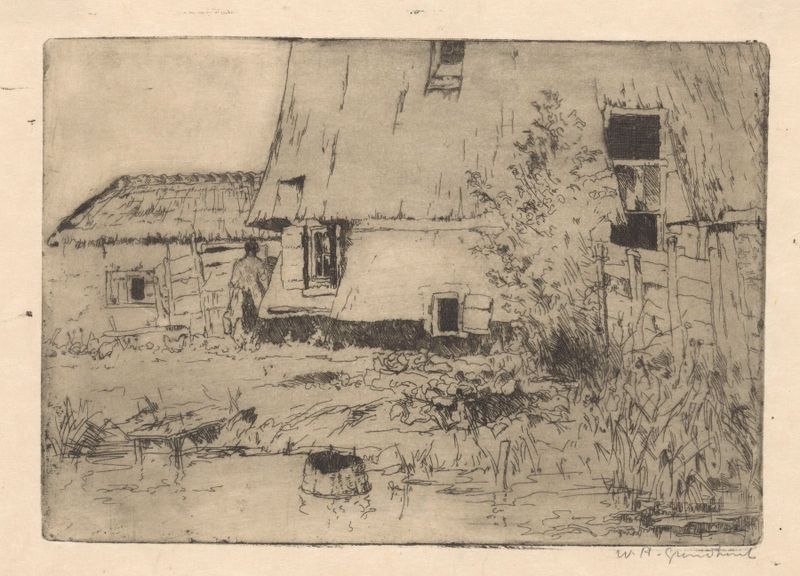
Voet van een molen in Voorburg
Willem Adrianus Grondhout
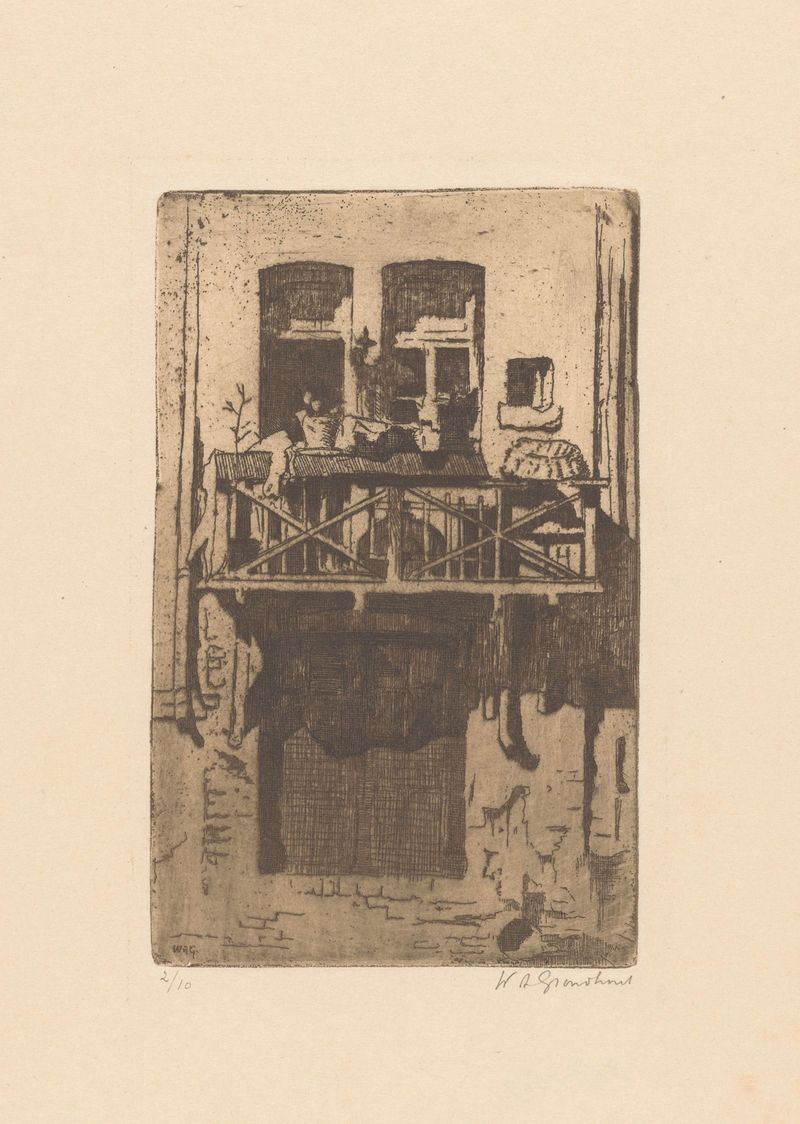
Balkon van een huis aan de Oudezijds Kolk in Amsterdam
Willem Adrianus Grondhout
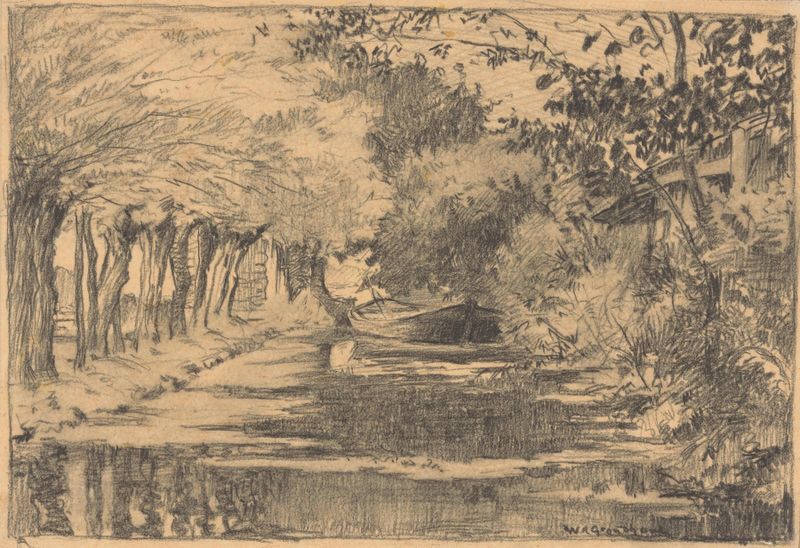
Broeksloot bij Voorburg
Willem Adrianus Grondhout
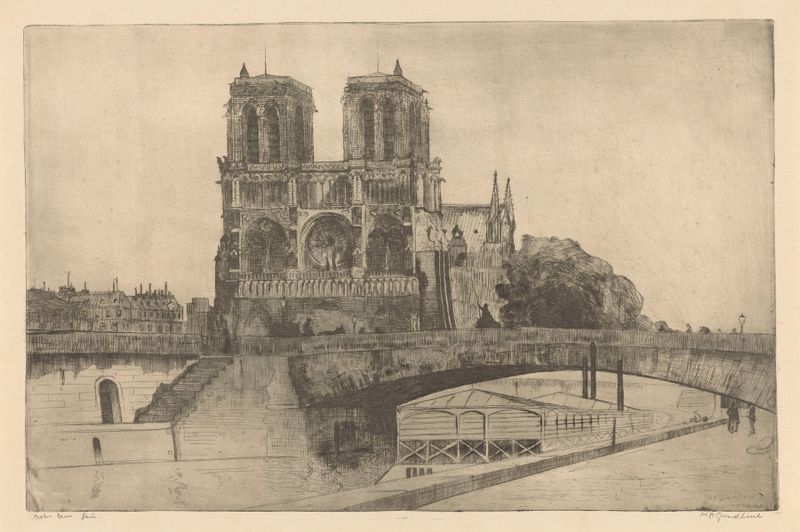
Notre-Dame, Paris
Willem Adrianus Grondhout
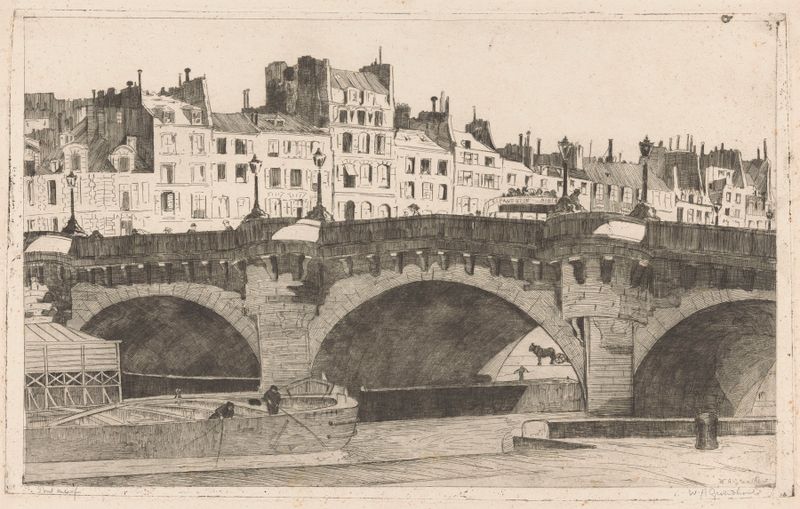
Pont Neuf
Willem Adrianus Grondhout
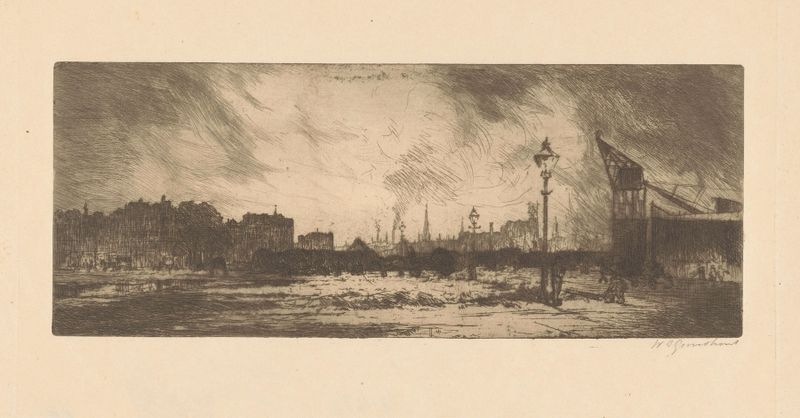
Havenkade met lantaarnpalen in Rotterdam
Willem Adrianus Grondhout
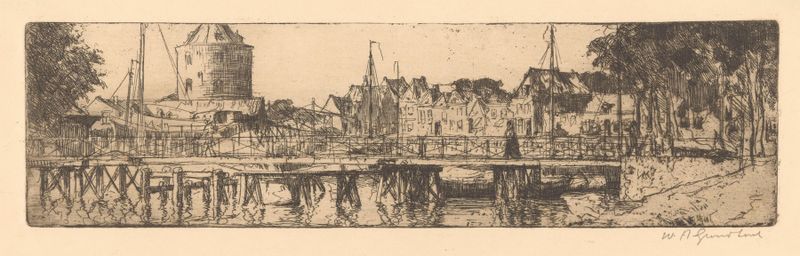
Enkhuizen
Willem Adrianus Grondhout
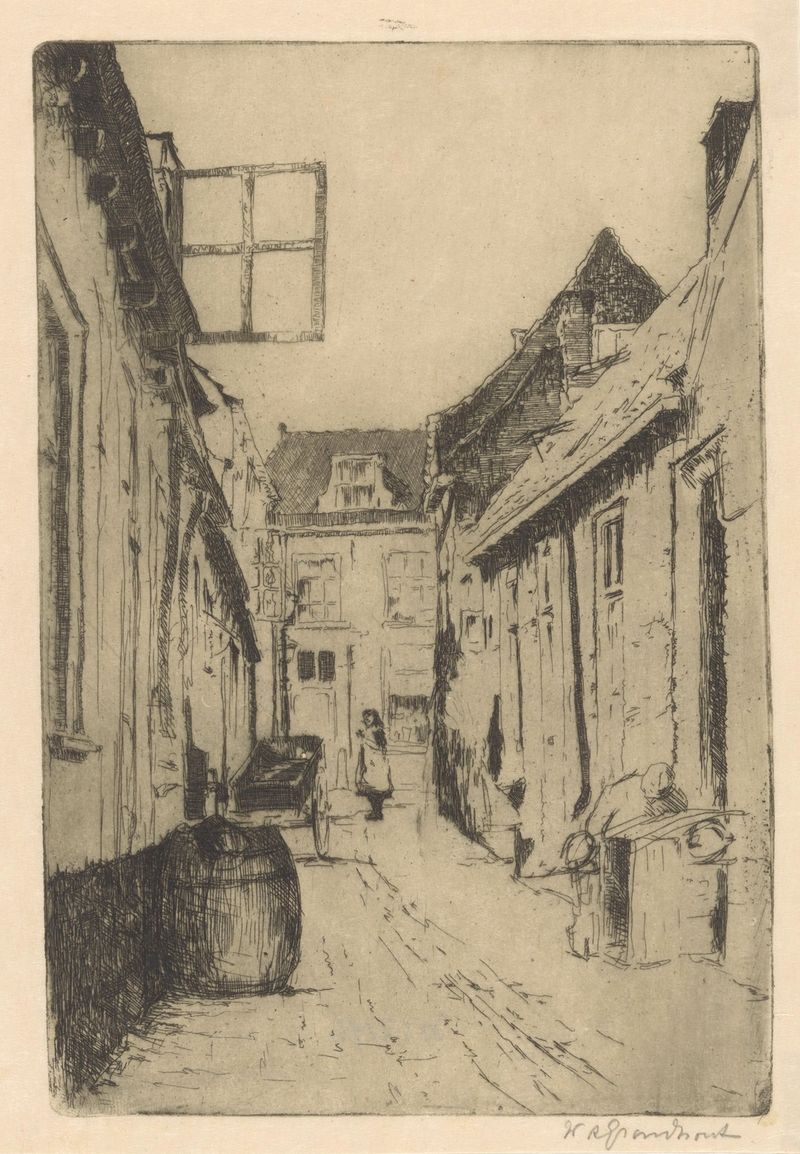
Straatje in Voorburg.
Willem Adrianus Grondhout
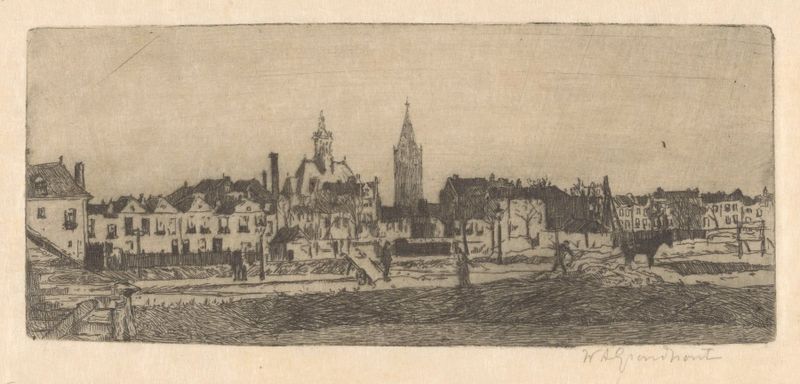
Delft
Willem Adrianus Grondhout





