Amiens — History & Facts
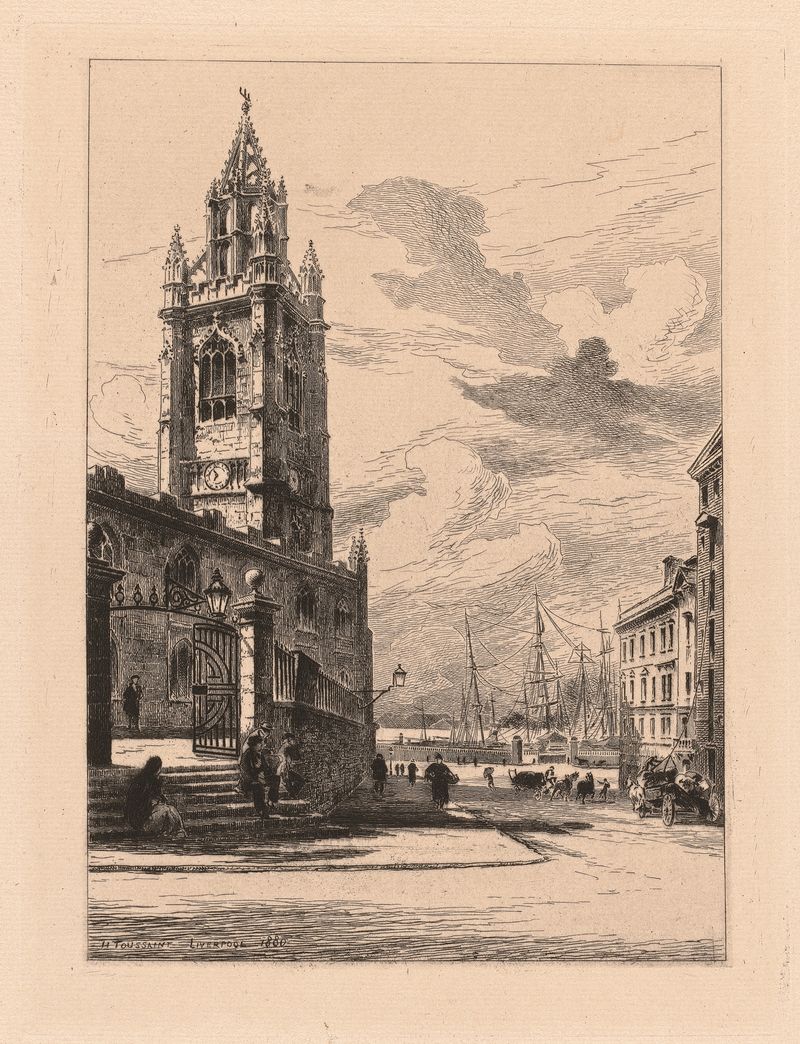
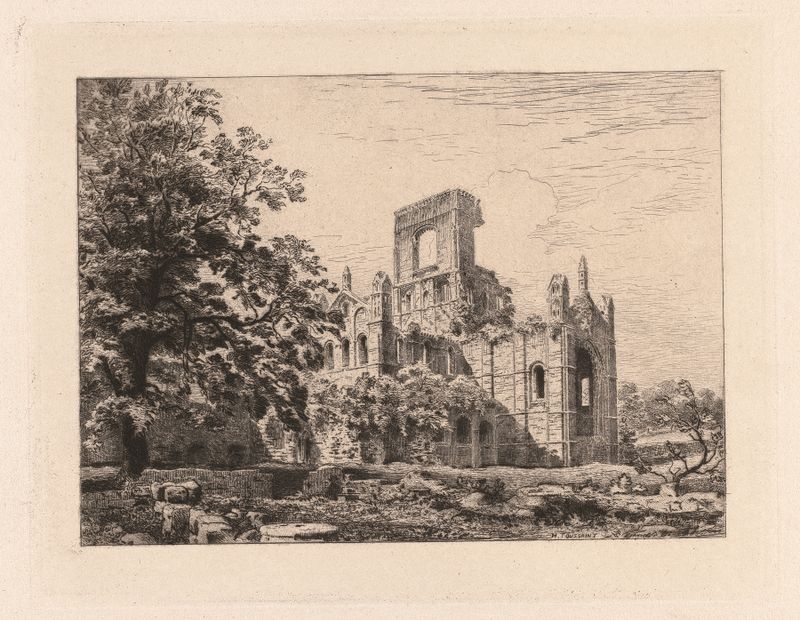
Could beauty survive in a century of chaos? In Amiens, the delicate interplay of light and shadow captures a moment suspended in time, invoking the fragility of existence against a backdrop of uncertainty. The painting invites reflection on how moments of serenity can emerge from turmoil, becoming poignant reminders of resilience. Look to the left at the intricate details of the architecture, where the soft colors harmonize with the vivid blue sky. The artist's brushwork is both deliberate and fluid, allowing the texture of the clouds to cascade gently against the sturdy stone structures.
Notice how the sunlight bathes the scene in a golden hue, illuminating the figures below, suggesting warmth and life amid the stillness. This composition balances the grandeur of the buildings with the intimacy of the human experience, drawing the eye toward the juxtaposition of permanence and transience. Within this serene landscape, there lies an emotional tension: the steadfastness of the cathedral dwarfs the small, fleeting figures that scurry below, embodying the fragility of human life against monumental stability. The subtle variations in tone evoke a sense of nostalgia, reminding us that even amidst chaos, beauty can flourish.
Each brushstroke conveys a yearning for peace, while the figures seem to navigate their reality, reflecting our own struggles to find solace. Henri Toussaint painted Amiens in 1884, during a time marked by rapid industrialization and societal change in France. At this juncture, the art world was shifting towards Impressionism, yet Toussaint’s work retained a classical sensibility, bridging the gap between tradition and modernity. The painting reflects his desire to capture the essence of a moment, showcasing the enduring beauty that persists even as the world around it evolves.