
Westminster, Henry VII Chapel — History & Facts
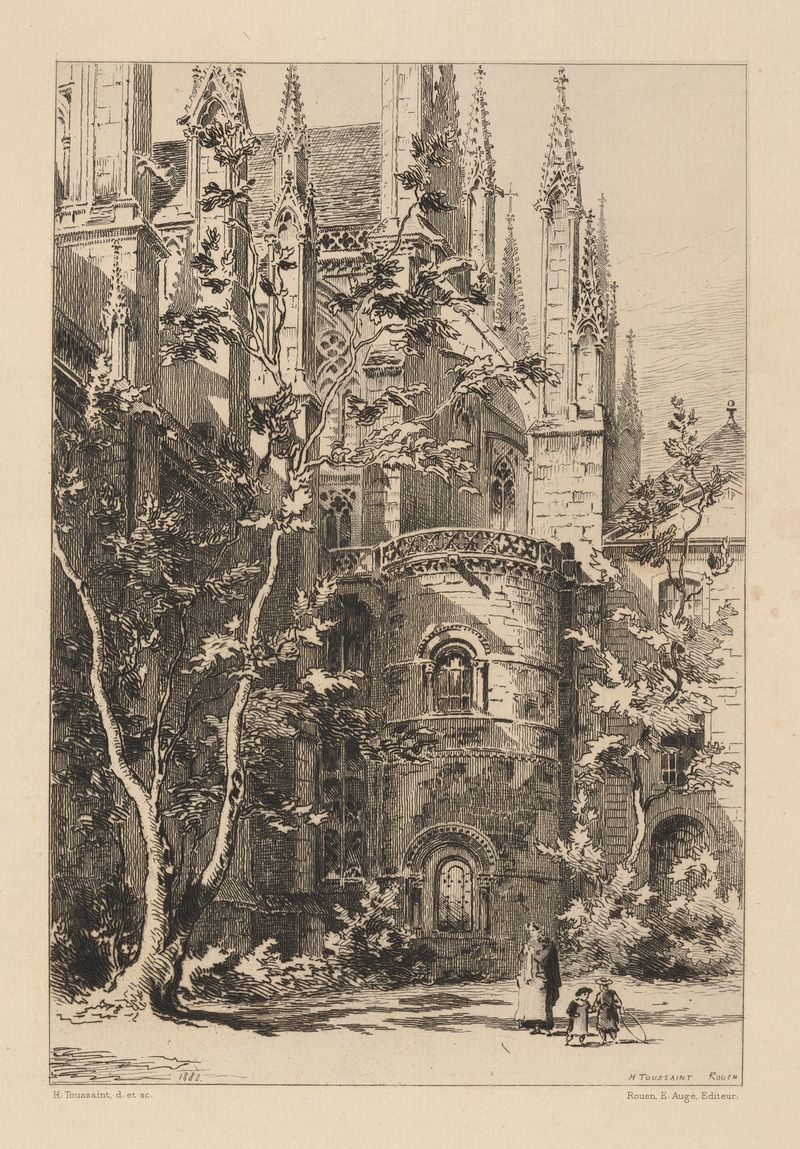
In the shadows of grand structures, echoes of violence linger long after the clash of swords has faded, reminding us of history's haunting scars. Focus first on the intricate details of the chapel’s architecture, where every stone tells a story. Notice the interplay of light and shadow, as beams cascade through stained glass, illuminating the delicate carvings of saints and martyrs who bear witness to centuries of turmoil. The depth of color in the darkened wood contrasts with the ethereal glow, creating a tension that feels both reverent and foreboding. Hidden within this serene scene are the remnants of conflict.
The ornate tombs, with their somber figures, stand as silent memorials to those whose lives were extinguished in the name of power. The juxtaposition of sacred beauty and historical violence invites contemplation on the nature of legacy—what we choose to honor and what we bury beneath the weight of time. Each element speaks to the duality of reverence and loss, urging the viewer to confront the past. Henri Toussaint painted this work during a time when the world was grappling with the aftermath of war and political upheaval.
His experiences in France, coupled with the rise of Impressionism, influenced his focus on architectural subjects imbued with emotion and memory. Creating this piece, he found himself at the intersection of history and artistry, capturing a moment that resonates with both beauty and the darker facets of human experience.
More Artworks by Henri Toussaint
Browse all →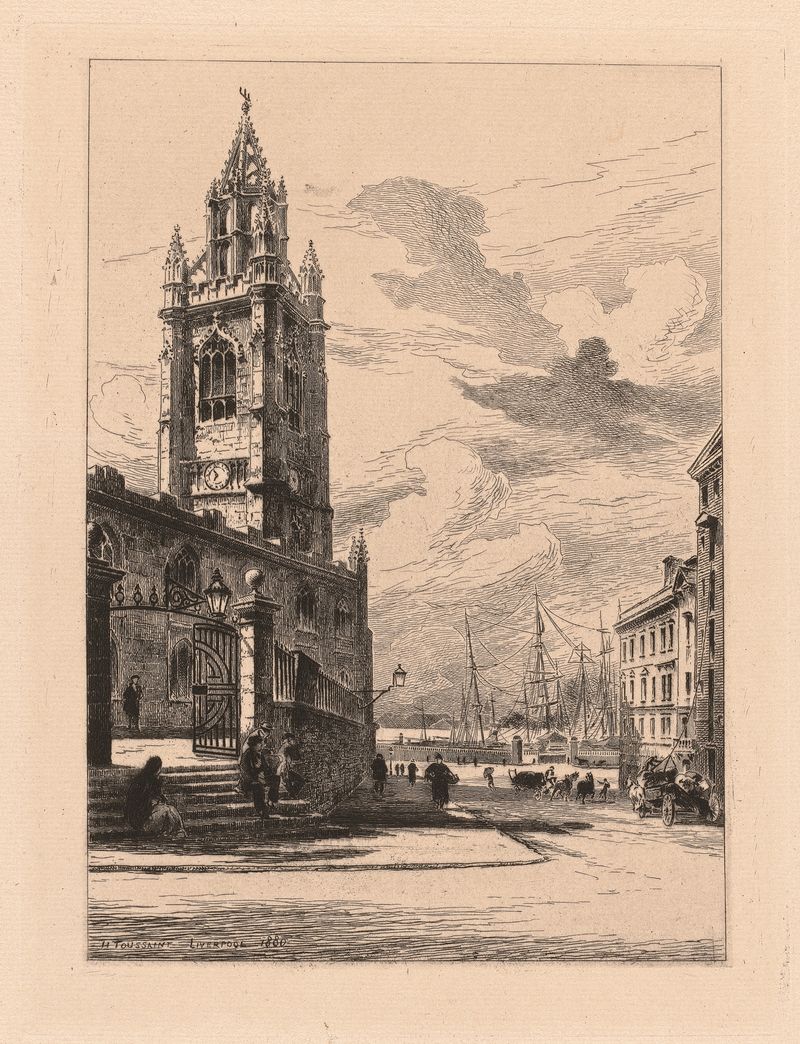
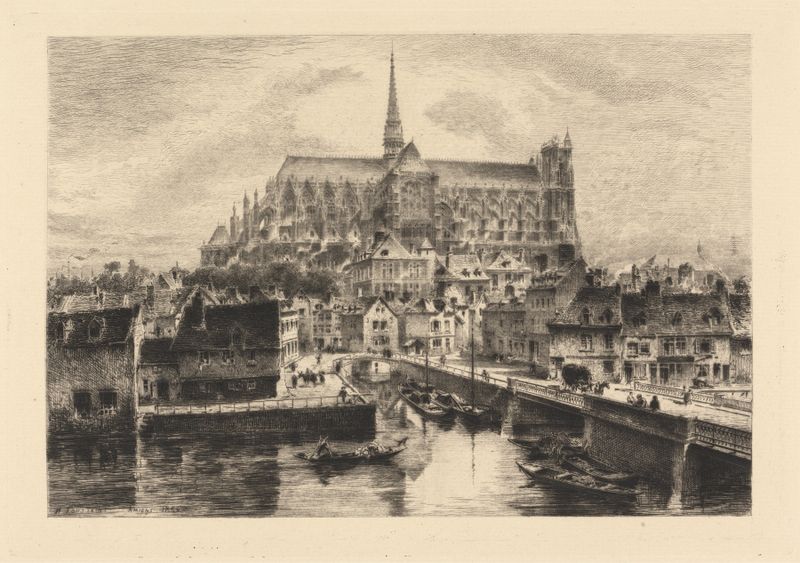
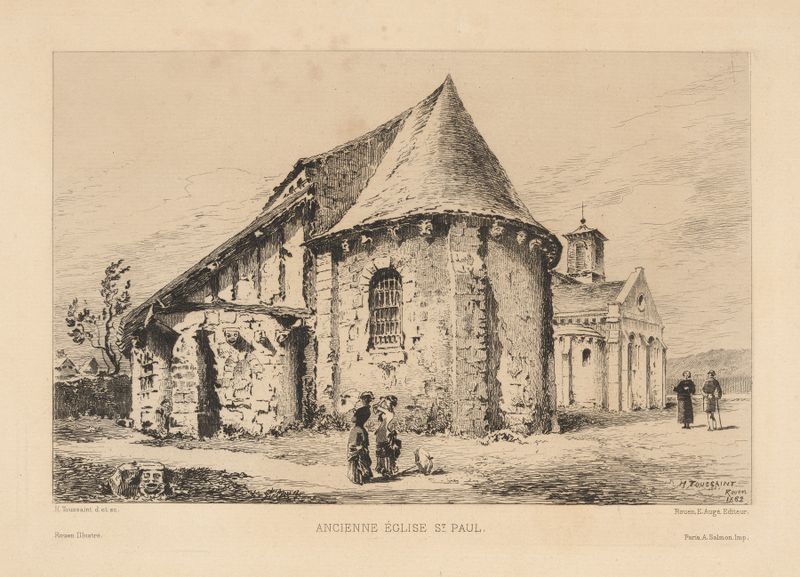
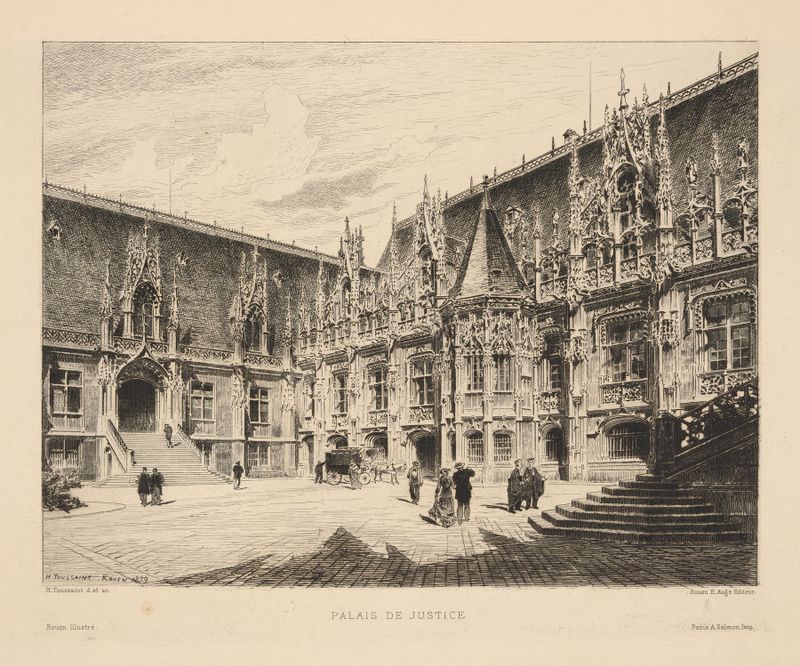


More Architecture Art
Browse all →
The statue of Liberty
Frédéric Auguste Bartholdi

View of Houses in Delft, Known as ‘The Little Street’
Johannes Vermeer

View of Houses in Delft, Known as ‘The Little Street’
Johannes Vermeer

The Cathedral in Rouen. The portal, Grey Weather
Claude Monet

The yellow house
Vincent van Gogh

The Church in Auvers-sur-Oise, View from the Chevet
Vincent van Gogh