Mount-Grace Abbey — History & Facts
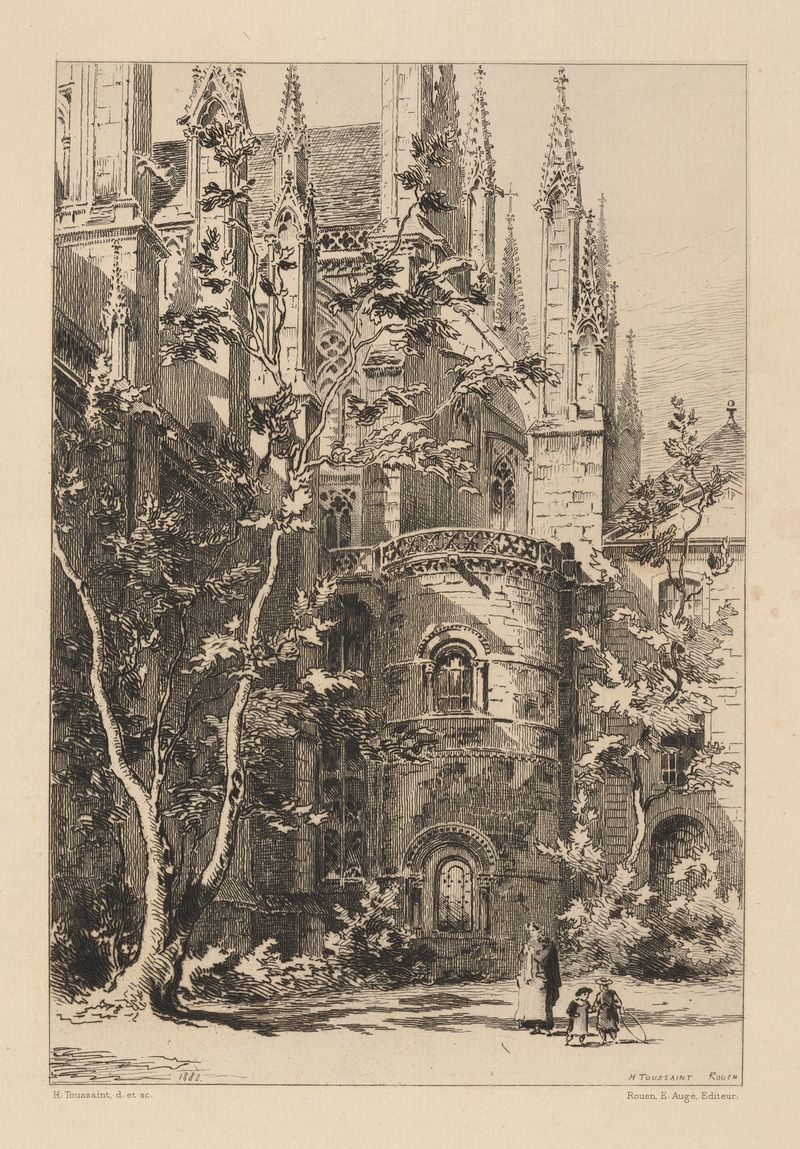
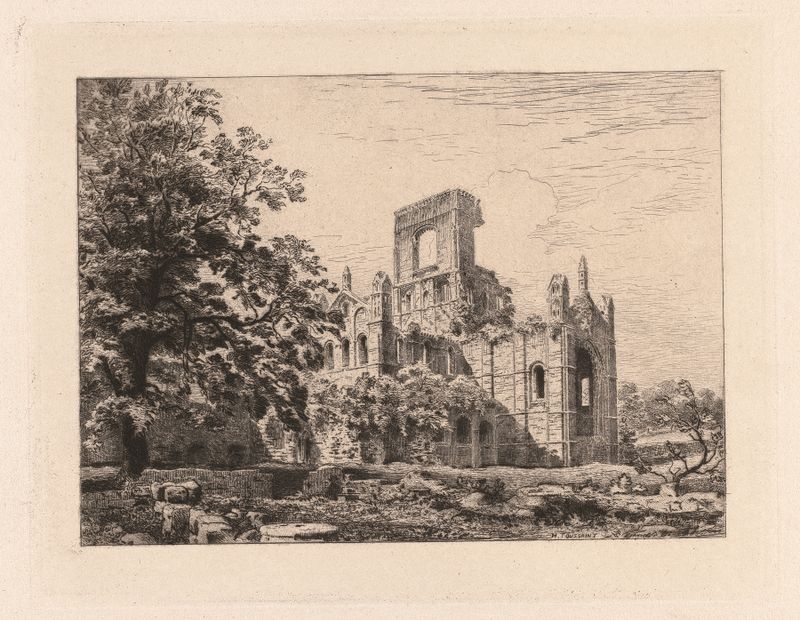
Could beauty survive in a century of chaos? Henri Toussaint’s Mount-Grace Abbey invites us to ponder this profound question, drawing us into a realm where desire and tranquility coexist amid turmoil. Look to the left at the serene cloister, where arches frame an inviting glimpse of verdant greenery. The gentle interplay of light and shadow caresses the aged stones, lending a warmth that contrasts with the cool blue sky above. Toussaint’s meticulous brushwork captures the texture of the weathered surfaces, while soft pastels evoke a dreamlike quality, enticing the viewer to linger within this tranquil sanctuary. As you explore further, notice the delicate interplay between the natural and the manmade.
The ivy creeping up the walls symbolizes resilience and the enduring power of nature in a world rife with upheaval. The abbey, a symbol of spiritual solace, stands as a testament to humanity's yearning for peace against the backdrop of chaos. Each detail — from the fluttering leaves to the contemplative silence — echoes an intrinsic desire for connection, inviting us to reflect on our own longings. Henri Toussaint painted Mount-Grace Abbey during a period of cultural transition, influenced by the changing tides of the late 19th century.
Living in France, he was part of a generation that sought to break free from traditional artistic constraints, exploring new ways to express beauty and emotion. This work reflects a time when artists grappled with their identity amidst societal shifts, seeking solace in the eternal and the sublime.