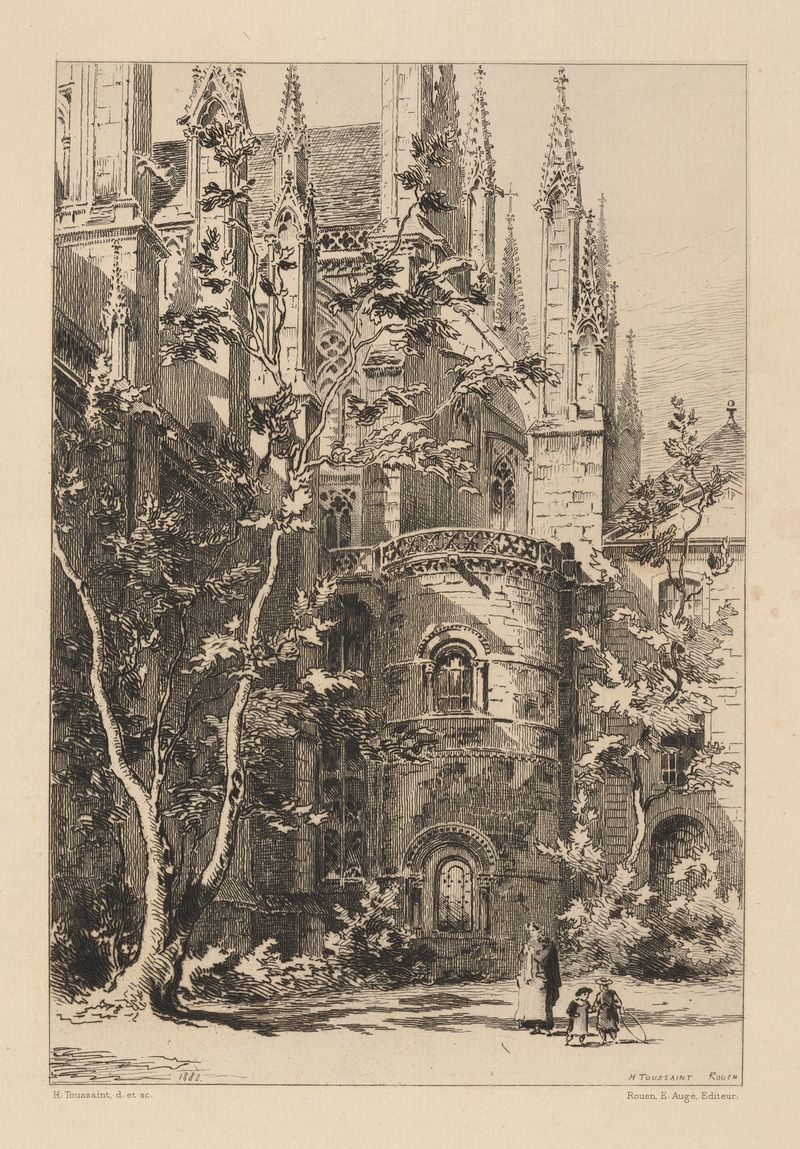
Kirstall from S.E. — History & Facts
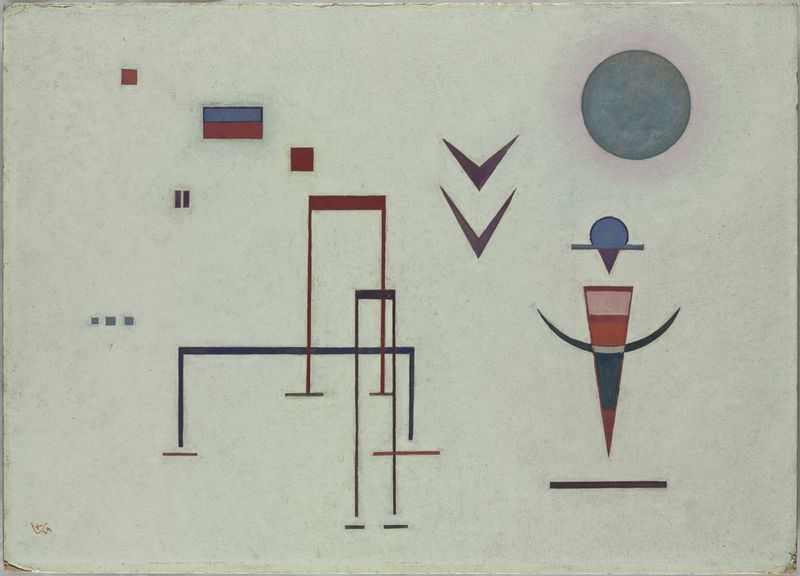
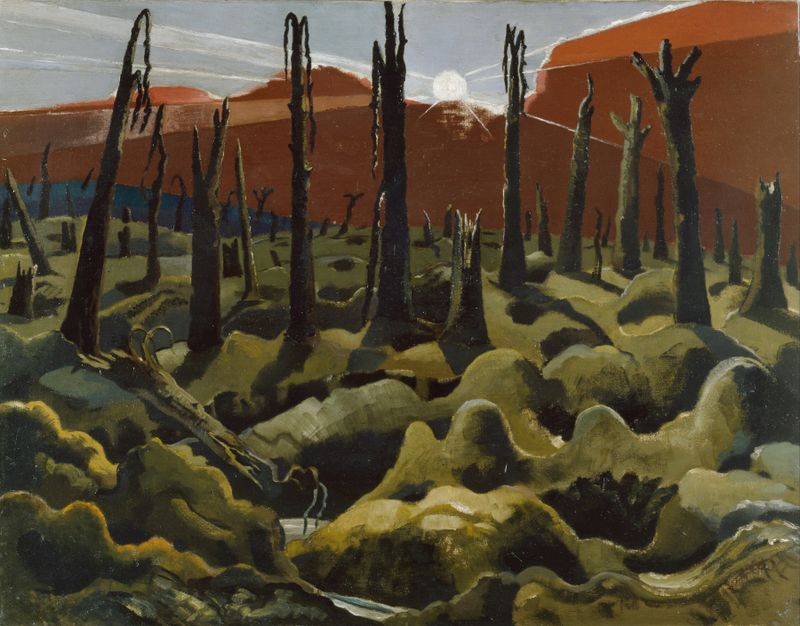
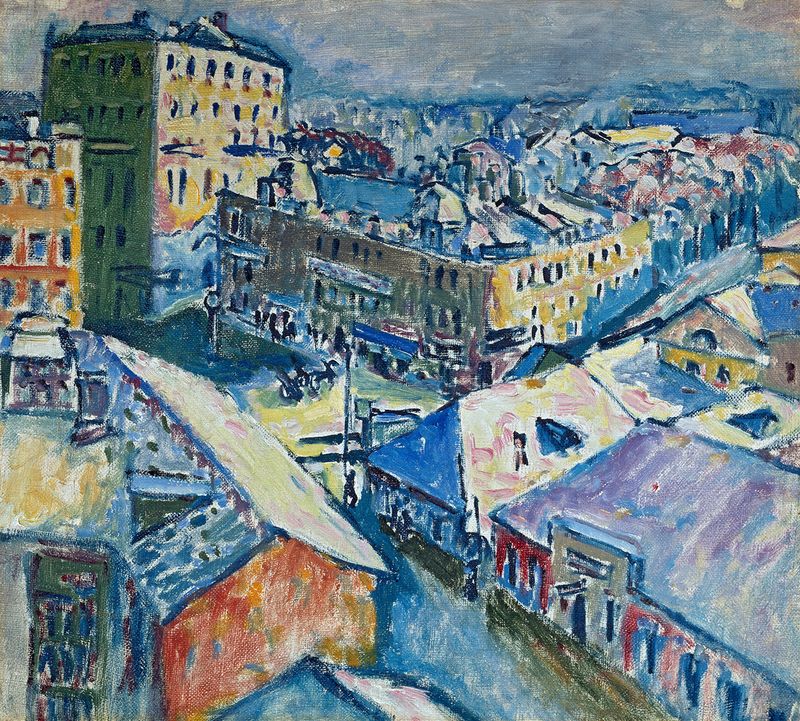
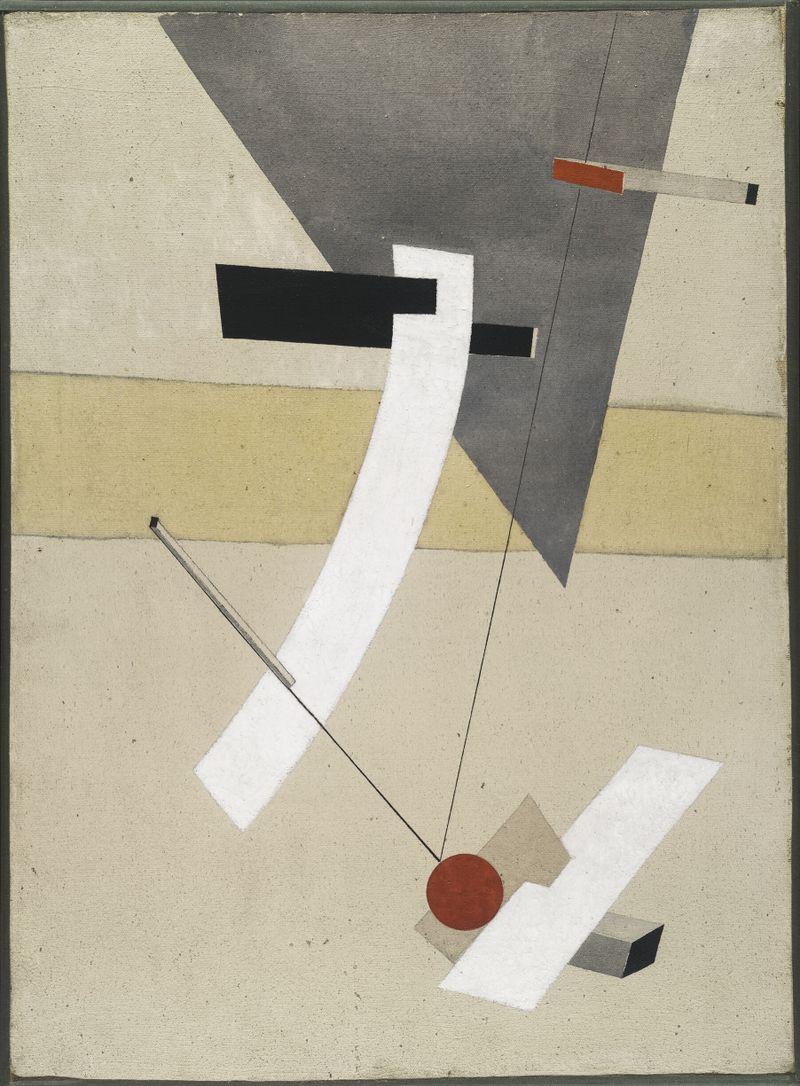
Can paint confess what words never could? In the chaotic embrace of color and form lies a world pulsating with untold stories and raw emotion. Focus on the swirling lines that dominate the canvas, drawing your eye toward the center where hues crash like waves against unseen shores. Notice the vibrant reds and blues intermingling, creating a tumultuous dance, while softer pastels in the background suggest an ephemeral calm that contrasts the energy of the foreground. This tension between chaos and tranquility is skillfully orchestrated, beckoning the viewer to explore the boundaries of sensation and intuition. As you delve deeper, observe how the jagged edges of overlapping shapes evoke a sense of conflict, mirroring the tumultuous nature of human experience.
Each brushstroke seems to pulse with urgency, suggesting a narrative that unfolds beyond mere visual representation. There’s an inherent contrast between the smooth gradients and the jagged dissonance that invites reflection on the duality of existence—how chaos can simultaneously inspire beauty and despair. Henri Toussaint created this piece during a period of artistic experimentation, likely influenced by the tumult of the early 20th century. With no specific date, it is believed to reflect the artist’s exploration of abstraction and emotion during a time when artists sought to transcend traditional representation, engaging more deeply with the inner workings of the mind and the chaotic world around them.