
Palais de Justice. — History & Facts
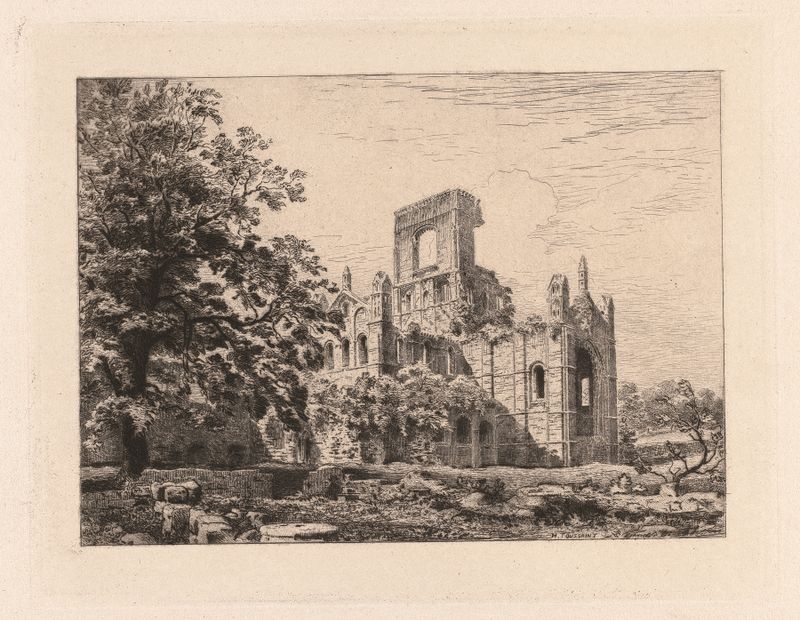
Could a single brushstroke hold eternity? In Palais de Justice, raw tension mingles with the architecture, whispering of violence concealed beneath the surface of justice. Look to the center of the canvas, where the grand structure of the Palais de Justice looms large, its intricate details demanding attention. The artist's use of a muted palette, punctuated by deep shadows and muted blues, evokes an atmosphere saturated with unease. Observe how the light subtly kisses the edges of the building, creating a stark contrast between the solidity of the stone and the ephemeral nature of human intentions.
Toussaint's delicate brushwork captures both the grandeur and the ominous weight of this iconic venue, framing it as a silent witness to the dramas unfolding within its walls. Beneath the surface, the painting implies a disquieting tension — the justice served here is as complex as the architecture itself. The imposing structure, while beautiful, suggests a history of suffering and conflict, hinting at the darker realities of human nature that often lurk in the shadows. Each stroke contributes to a sense of foreboding, a reminder that within these hallowed halls, the balance between justice and violence is ever tenuous. Henri Toussaint created this work in 1879, during a period marked by rapid change in the world of art and society.
Residing in Paris, he was influenced by the shifting movements towards realism and impressionism. This painting reflects the evolving tension between beauty and the darker themes of human experience, embodying a moment in which artistic expression began grappling with the complexities of modern life.
More Artworks by Henri Toussaint
Browse all →



More Architecture Art
Browse all →
The statue of Liberty
Frédéric Auguste Bartholdi

View of Houses in Delft, Known as ‘The Little Street’
Johannes Vermeer

View of Houses in Delft, Known as ‘The Little Street’
Johannes Vermeer

The Cathedral in Rouen. The portal, Grey Weather
Claude Monet

The yellow house
Vincent van Gogh

The Church in Auvers-sur-Oise, View from the Chevet
Vincent van Gogh