
Westminster Abbey — History & Facts
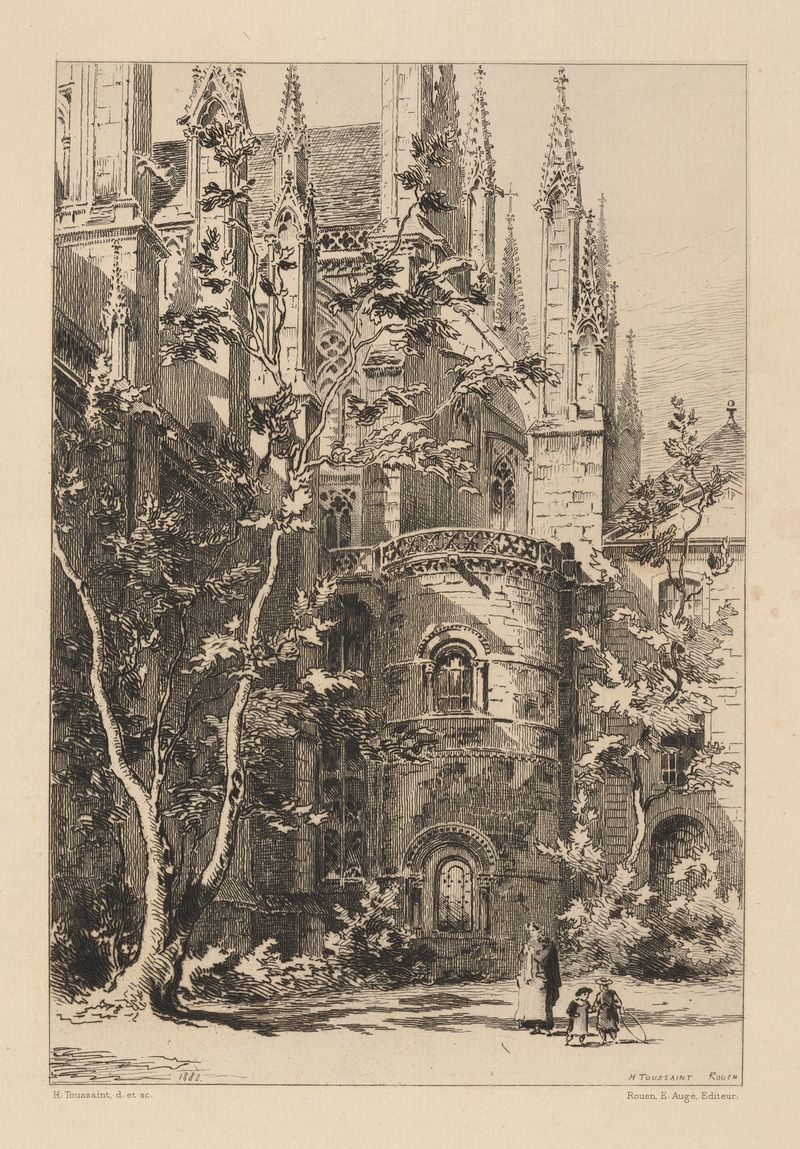
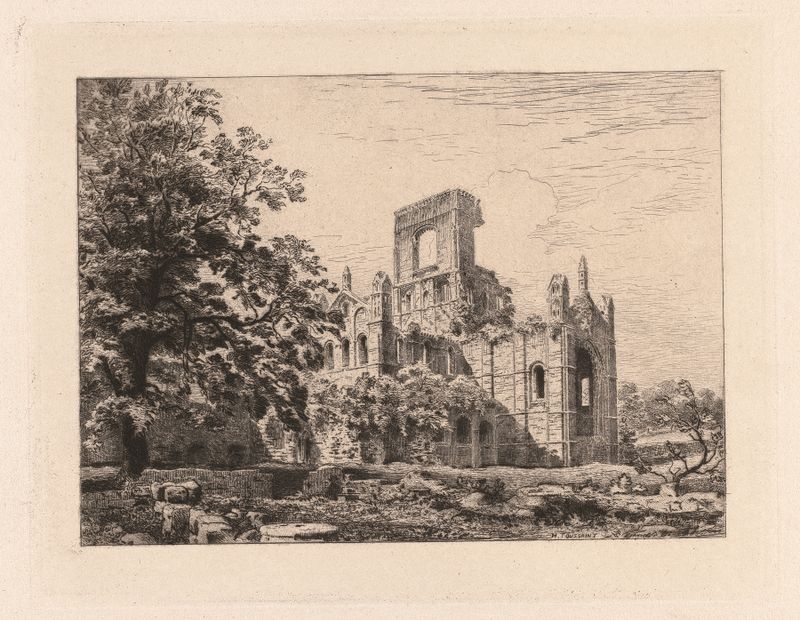
When did color learn to lie? In the realm of art, such questions linger, inviting viewers to delve beneath the surface of what they see. Focus on the intricate play of light and shadow across the stone arches of the abbey. The soft hues of blue and gray seem to dance, reflecting not just the architecture but the very spirit of the past. Notice how the artist captures the ethereal quality of the stained glass, its vibrant colors bleeding into the muted tones of the stone, creating a tapestry that bridges time.
The composition draws your eye upward, amplifying the grandeur of the vaulted ceilings, while hints of warm sunlight filter through, suggesting a moment suspended between day and dusk. Beneath the surface lies a poignant contrast between solidity and transience. The majestic structure stands resolute, embodying centuries of history, yet it exists in a moment of fleeting beauty—the reflections that shimmer on the stone hint at the lives that have passed through its doors. The colors, while vibrant, are tinged with a subtle melancholy, evoking an awareness of the inevitable passage of time that the abbey itself has witnessed. Henri Toussaint created this work in a period where architectural fidelity was paramount in the art world.
While exact dating remains elusive, his attention to detail and the interplay of color reflect a time when artists sought to capture both the physicality and the essence of their subjects. Emerging from the heart of the 19th century, Toussaint’s work resonates with a reverence for history, fitting seamlessly into the broader narrative of Romanticism that enveloped his contemporaries.
More Artworks by Henri Toussaint
Browse all →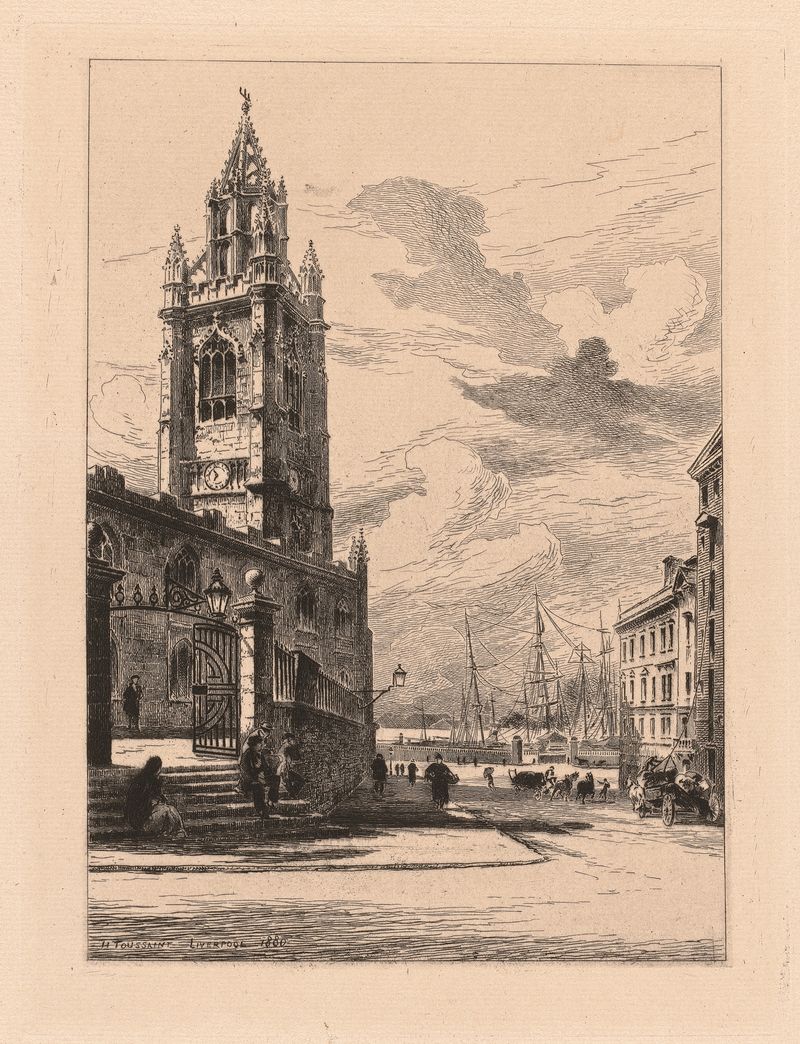
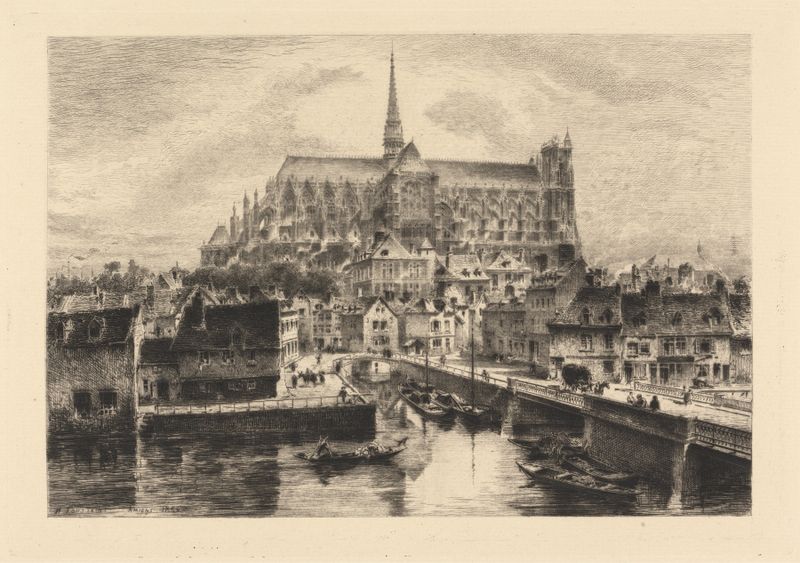
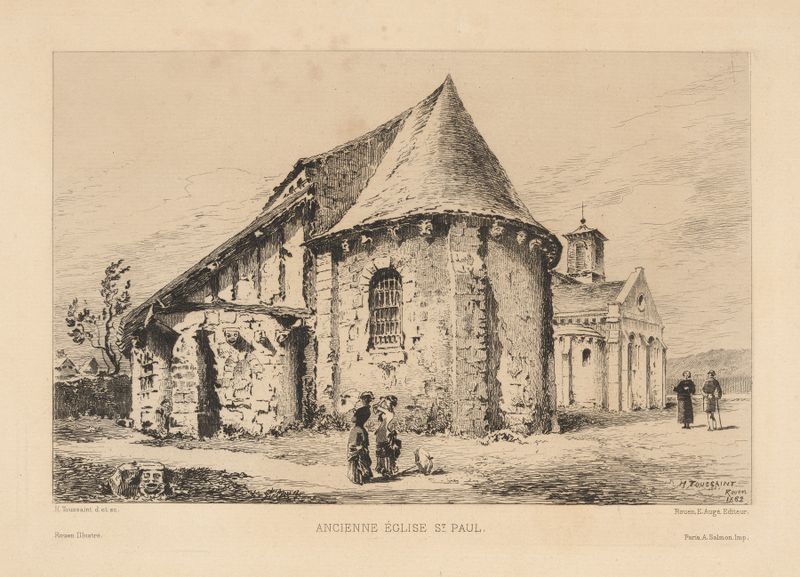
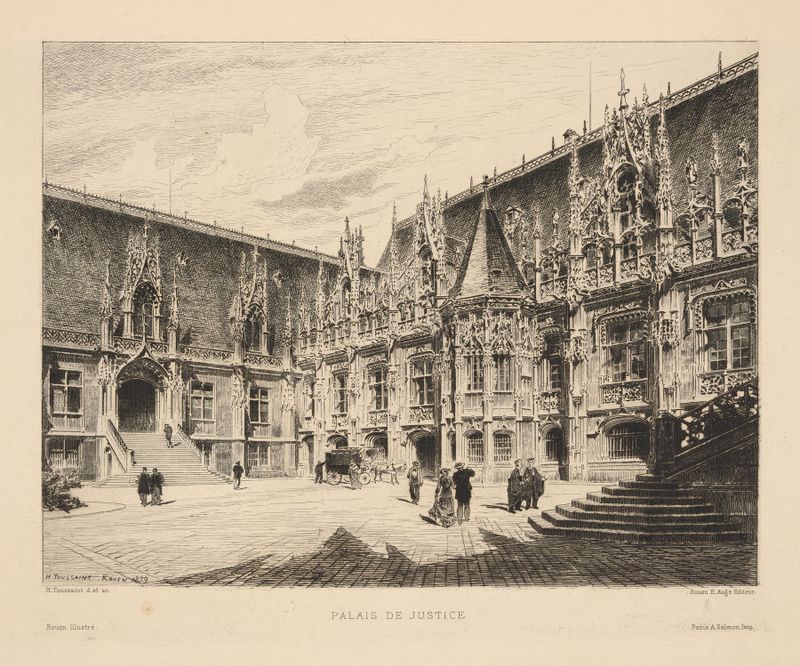


More Architecture Art
Browse all →
The statue of Liberty
Frédéric Auguste Bartholdi

View of Houses in Delft, Known as ‘The Little Street’
Johannes Vermeer

View of Houses in Delft, Known as ‘The Little Street’
Johannes Vermeer

The Cathedral in Rouen. The portal, Grey Weather
Claude Monet

The yellow house
Vincent van Gogh

The Church in Auvers-sur-Oise, View from the Chevet
Vincent van Gogh