
Among the Hills — History & Facts
Could a single brushstroke hold eternity? In Among the Hills, the essence of time is captured in a landscape that feels both timeless and transient, beckoning viewers to contemplate the delicate balance between permanence and change. Look to the left where rolling hills embrace the horizon, the gentle undulation of the land rendered in soft greens and muted browns. Notice how the light dances across the surface, highlighting the textured application of paint that creates depth and movement. The sky overhead, a wash of blues and grays, reflects a fleeting moment, suggesting the passage of day into dusk, as if the world holds its breath in anticipation. Beneath the serene surface lies a tension between solidity and ephemerality.
The hills, sturdy in their form, evoke a sense of grounding, yet the fading light hints at the inevitability of time's march. Small details, like the wisps of clouds and the intimate play of shadow, suggest movement—each element is alive with potential, reminding us that every second is a fleeting gift. Haskell deftly captures this juxtaposition, inviting us to consider our own place within the continuum of time. In 1919, Haskell painted this work during a period marked by immense change in both his life and the art world.
After serving in World War I, he returned to a society grappling with the aftermath of conflict and the dawning of modernism. The landscape genre was transforming, and his exploration of light, color, and emotional depth reflects an artist navigating personal and collective crises, striving to find beauty in the transient moments of existence.
More Artworks by Ernest Haskell
Browse all →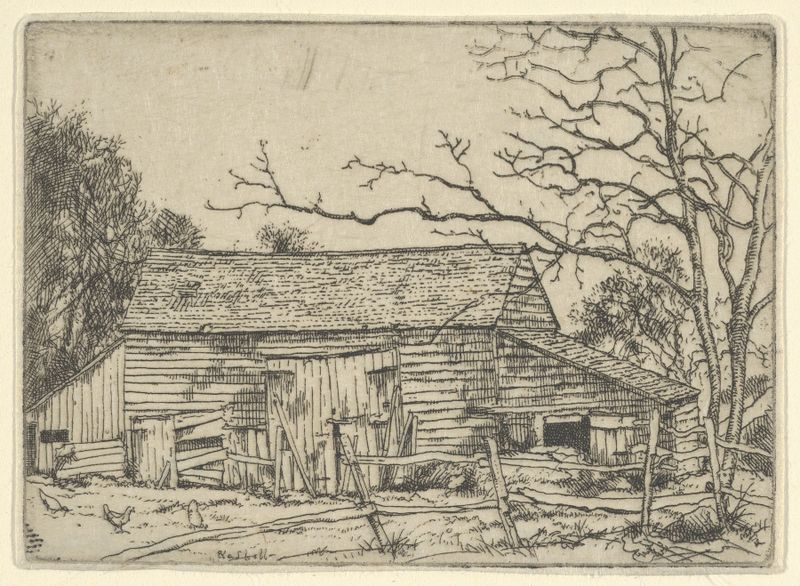
The Barn–Staten Island, N.Y.
Ernest Haskell

Four Live Oaks
Ernest Haskell
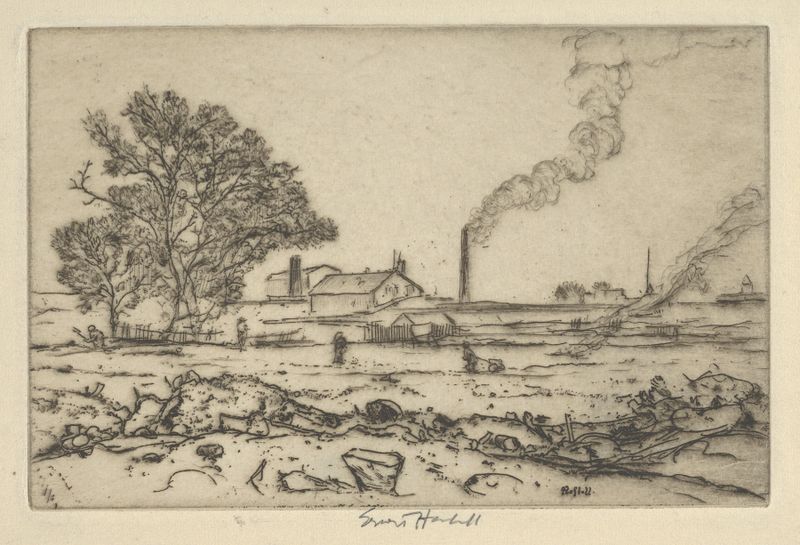
Outskirts of Boston
Ernest Haskell
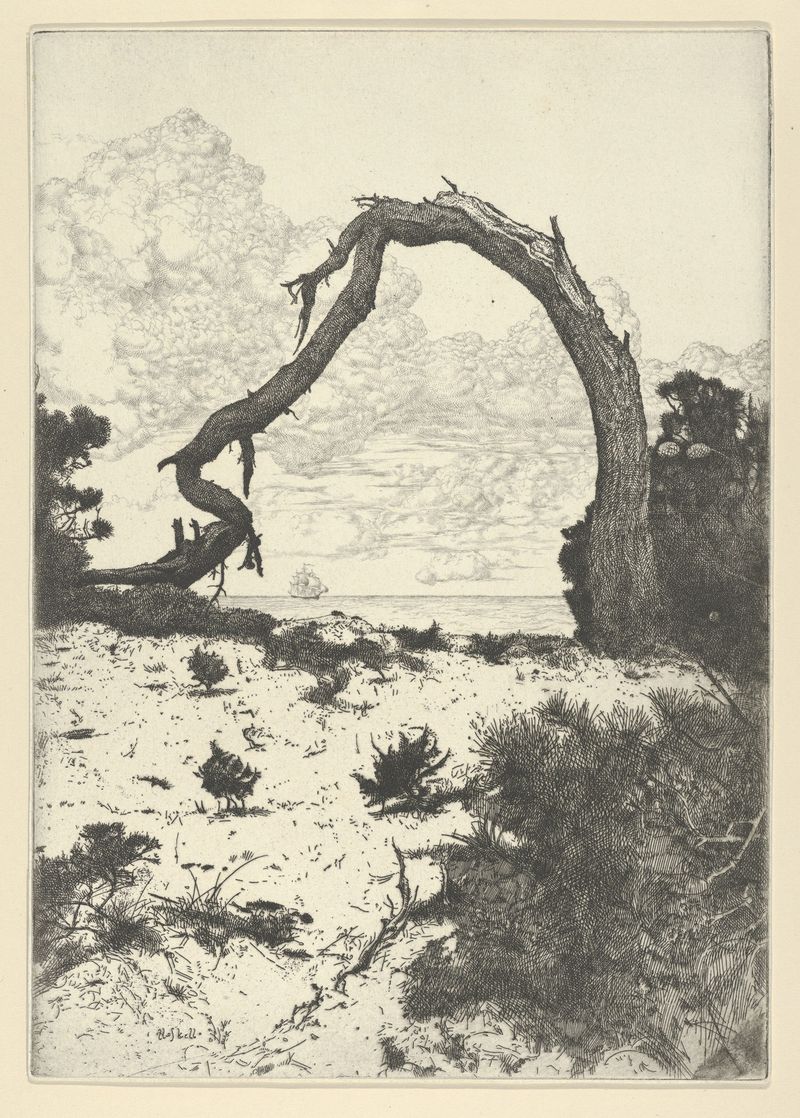
Pine Arch
Ernest Haskell

General Sherman
Ernest Haskell
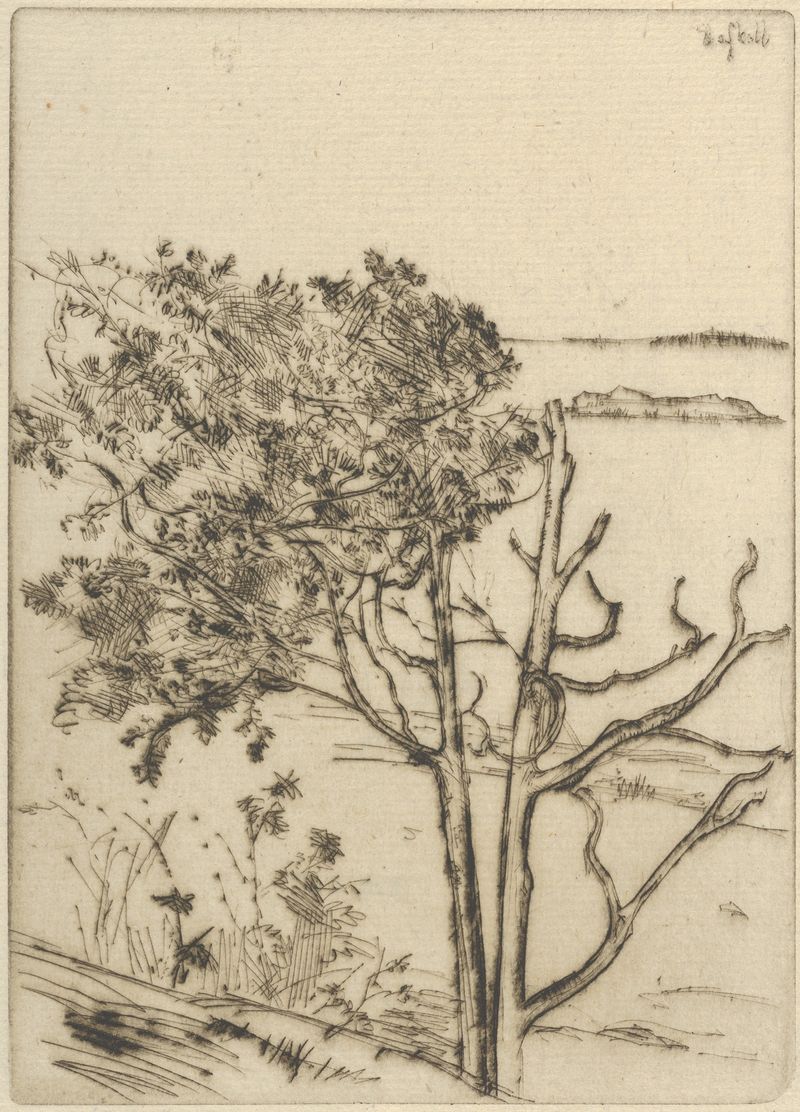
Ragged Tree – Maine
Ernest Haskell

Tide Mill
Ernest Haskell

Ship Building
Ernest Haskell
To the Southward – Ragged Island, Me.
Ernest Haskell
Long Island Marshes
Ernest Haskell





