
An Alleyway between Houses — History & Facts
What secret hides in the quiet of the canvas? In An Alleyway between Houses, the weight of grief resonates, revealing the unspoken stories that linger in the shadows. Focus on the narrow passage that draws you into the heart of the painting. Look to the left, where the textured brick walls stand sentinel, cloaked in a muted palette of warm browns and soft grays. Notice how the dappled light filters through the gap above, creating a gentle contrast against the cool darkness that envelops the alleyway.
Each brushstroke evokes a sense of stillness, inviting you to step forward yet holding you back in contemplation. In the depths of this scene, the alleyway becomes a metaphor for isolation and memory. The quietness is palpable, suggesting a moment frozen in time, where the whispers of the past echo faintly. The interplay of light and shadow hints at the duality of presence and absence, evoking the lingering effects of loss.
Small details—like the overgrown weeds at the base of the wall—impart a sense of neglect, mirroring the emotional weight carried within the confined space. Created in 1858 during a period of artistic transformation in France, the work reflects Rousseau's exploration of nature and the passage of time. At this juncture, he was deeply influenced by the Barbizon School, which emphasized realism over romanticism. With a profound connection to his surroundings, he sought to capture the essence of everyday life, often infusing it with a somber introspection that speaks to the human condition.
More Artworks by Théodore Rousseau
Browse all →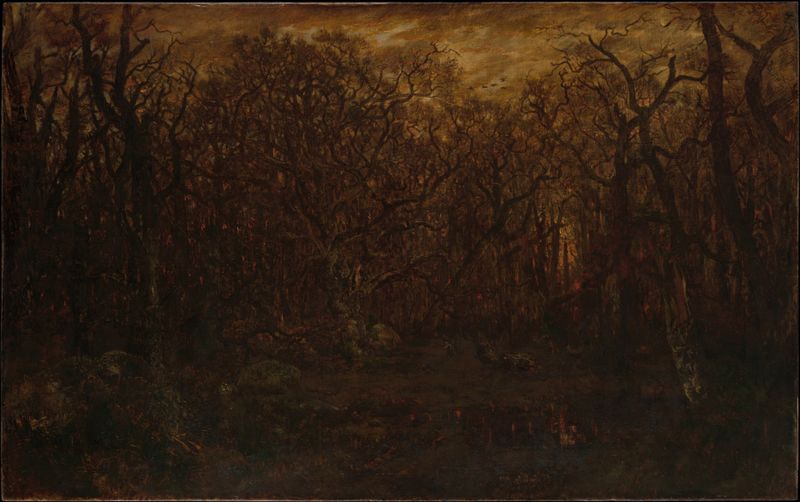
The Forest in Winter at Sunset
Théodore Rousseau
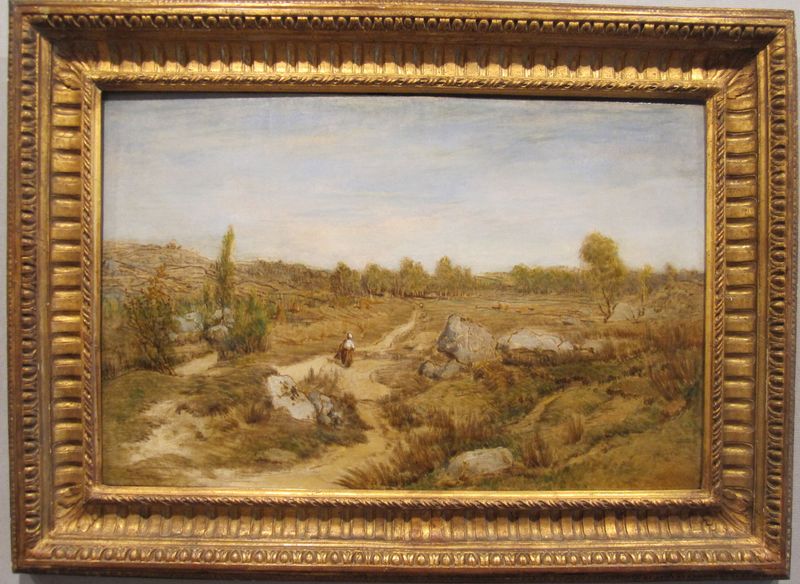
Valley of the Rouars in the Gorges d’Apremont
Théodore Rousseau
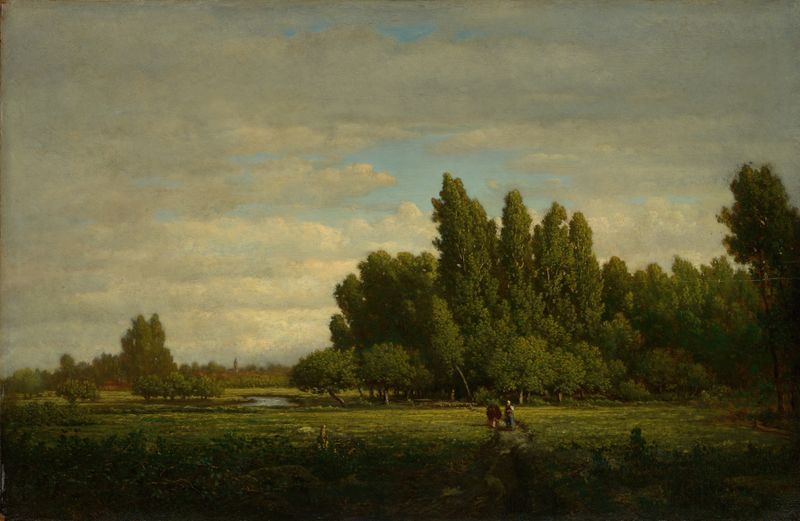
A Meadow Bordered by Trees
Théodore Rousseau
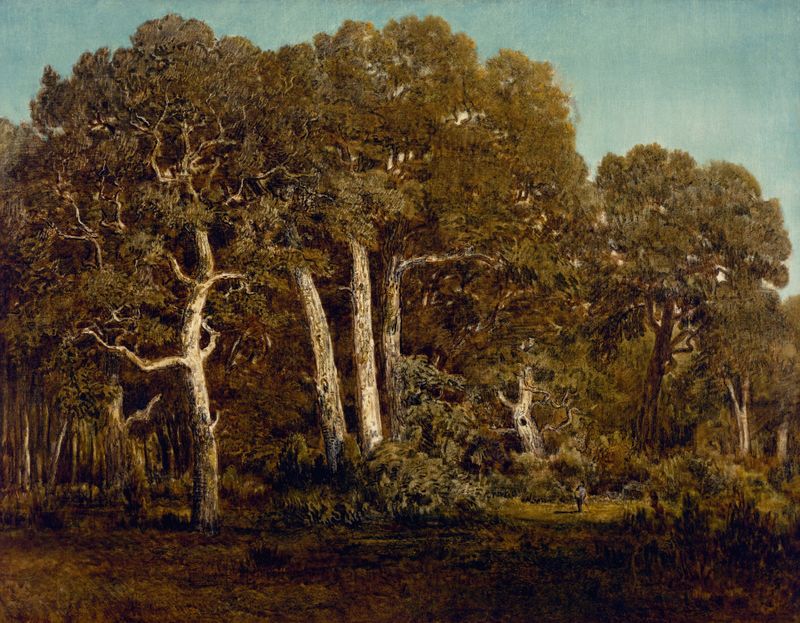
The Great Oaks of Old Bas-Bréau
Théodore Rousseau
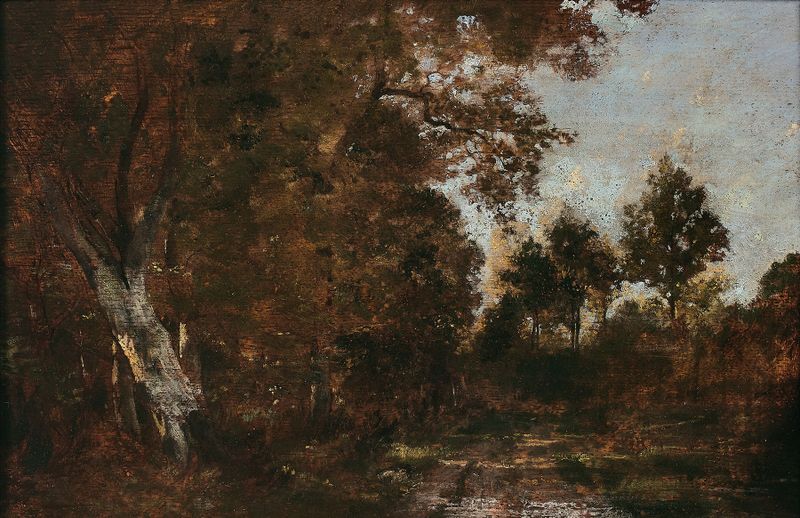
Paysage de sous-bois
Théodore Rousseau
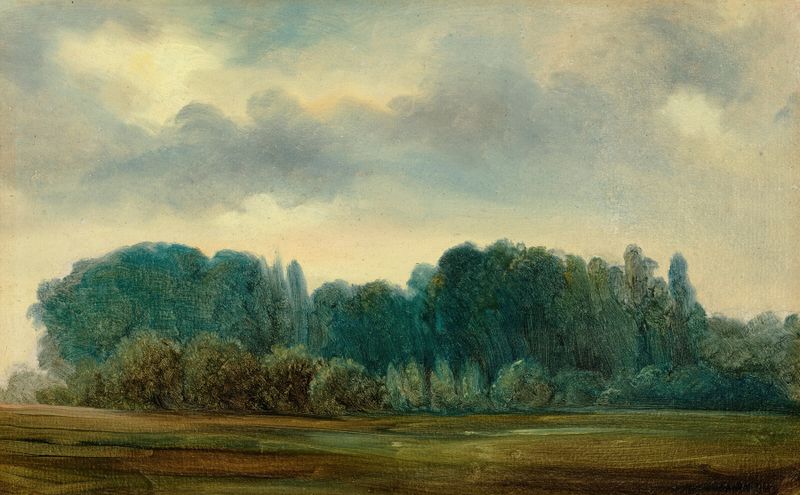
Paysage
Théodore Rousseau
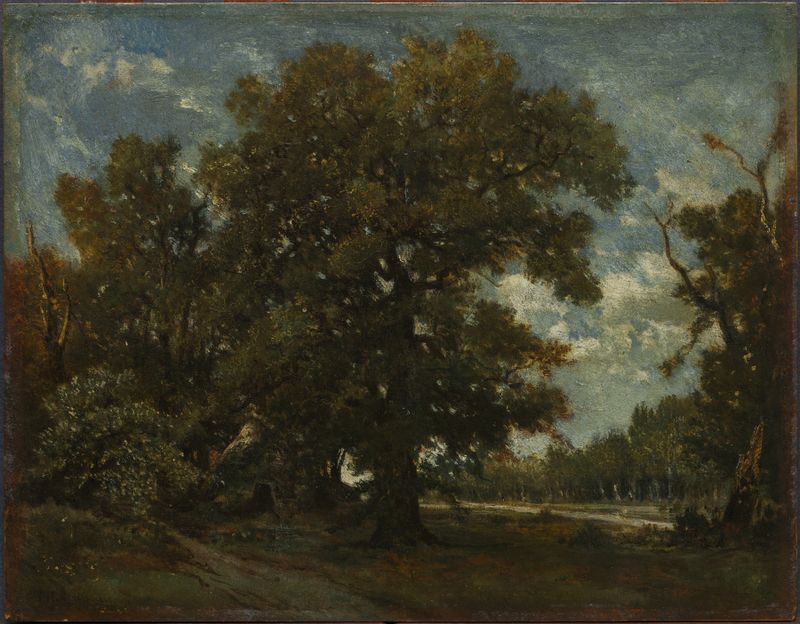
The Oak Tree
Théodore Rousseau
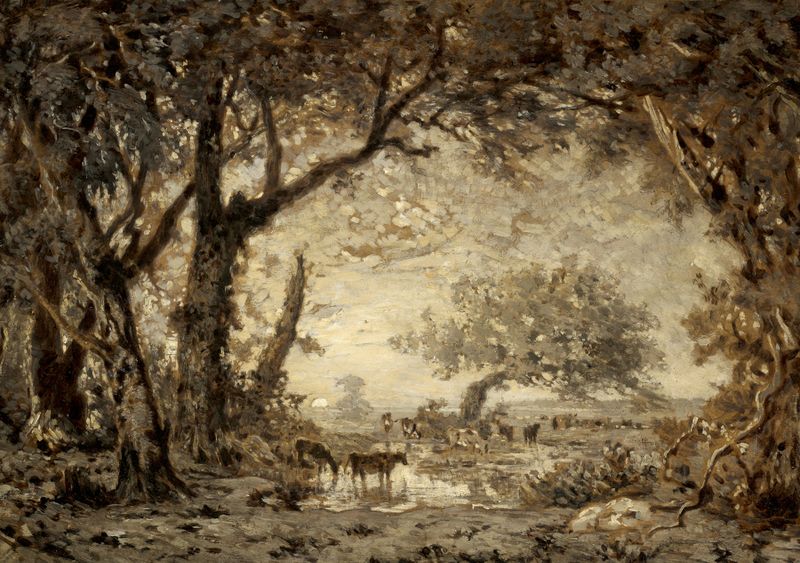
Sunset from the Forest of Fontainebleau
Théodore Rousseau
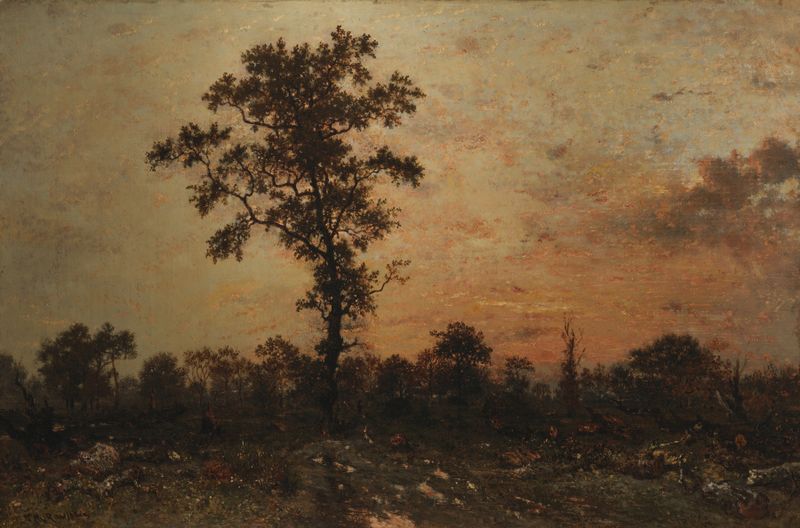
Edge of the Forest, Sun Setting
Théodore Rousseau
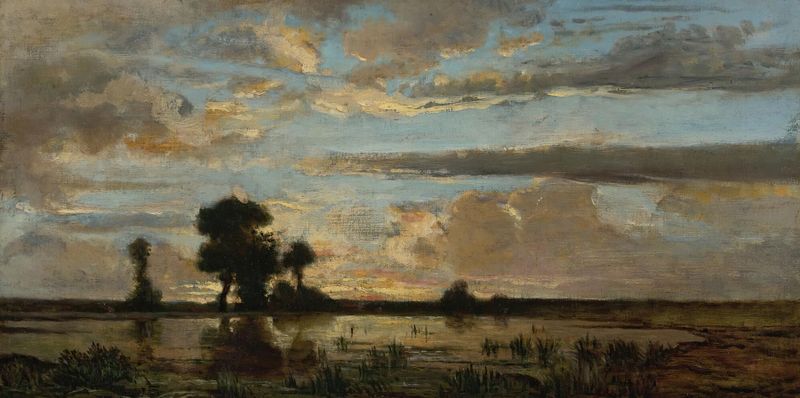
Soleil Couchant
Théodore Rousseau





