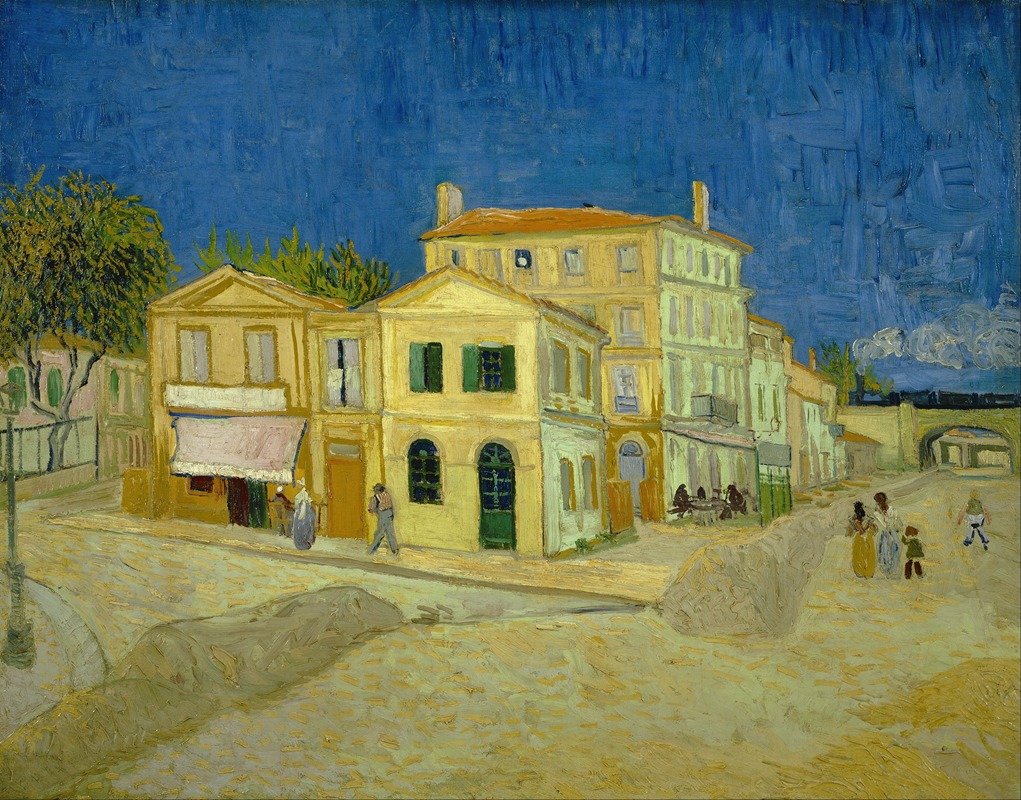
Discover insights about this artwork
An Architectural Capriccio, with Classical Ruins — History & Facts
In An Architectural Capriccio, with Classical Ruins, Francesco Guardi presents a vibrant scene filled with classical architecture. The painting features a blend of warm and cool colors, creating a lively atmosphere. Ruins of ancient structures are interspersed with lush greenery and serene water.
Figures can be seen wandering through the landscape, adding a sense of life to the composition. The painting is executed in oil on canvas, a common medium for Guardi's works. Viewers can observe the delicate brushwork that characterizes the Rococo style, with soft transitions between colors. The use of light and shadow enhances the three-dimensionality of the structures.
The overall composition is balanced, guiding the viewer's eye through the architectural elements. Francesco Guardi was known for his depictions of Venice and its surroundings, often blending reality with imagination. This particular work, created around the 1760s, showcases his ability to create fantastical landscapes filled with classical references. An interesting fact about this painting is that it reflects the 18th-century fascination with ruins, which were seen as romantic and picturesque.
Guardi's unique style helped pave the way for later Romantic artists.
More Artworks by Francesco Guardi
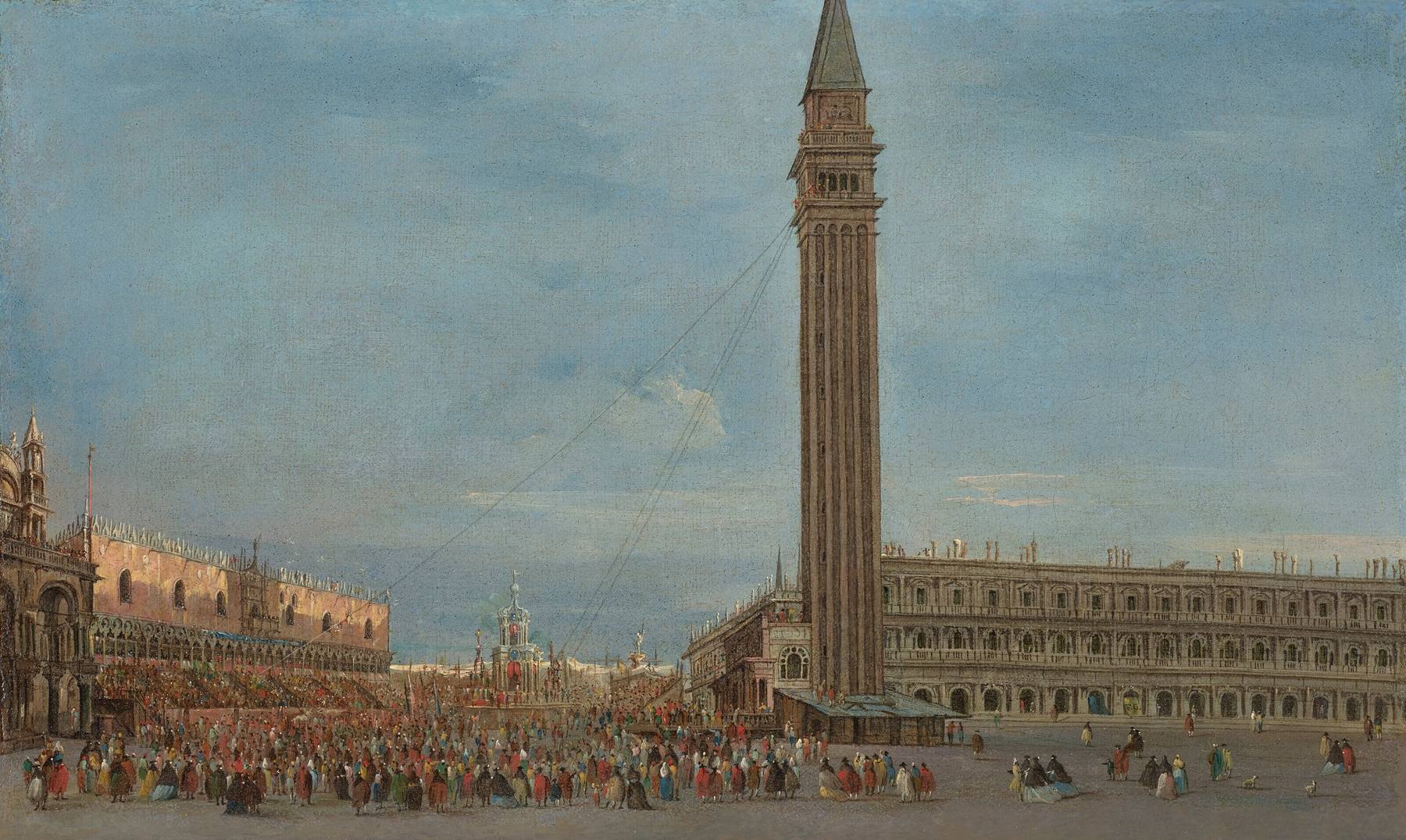
Venice, the Piazzetta San Marco with the Festival of Giovedì Grasso
Francesco Guardi
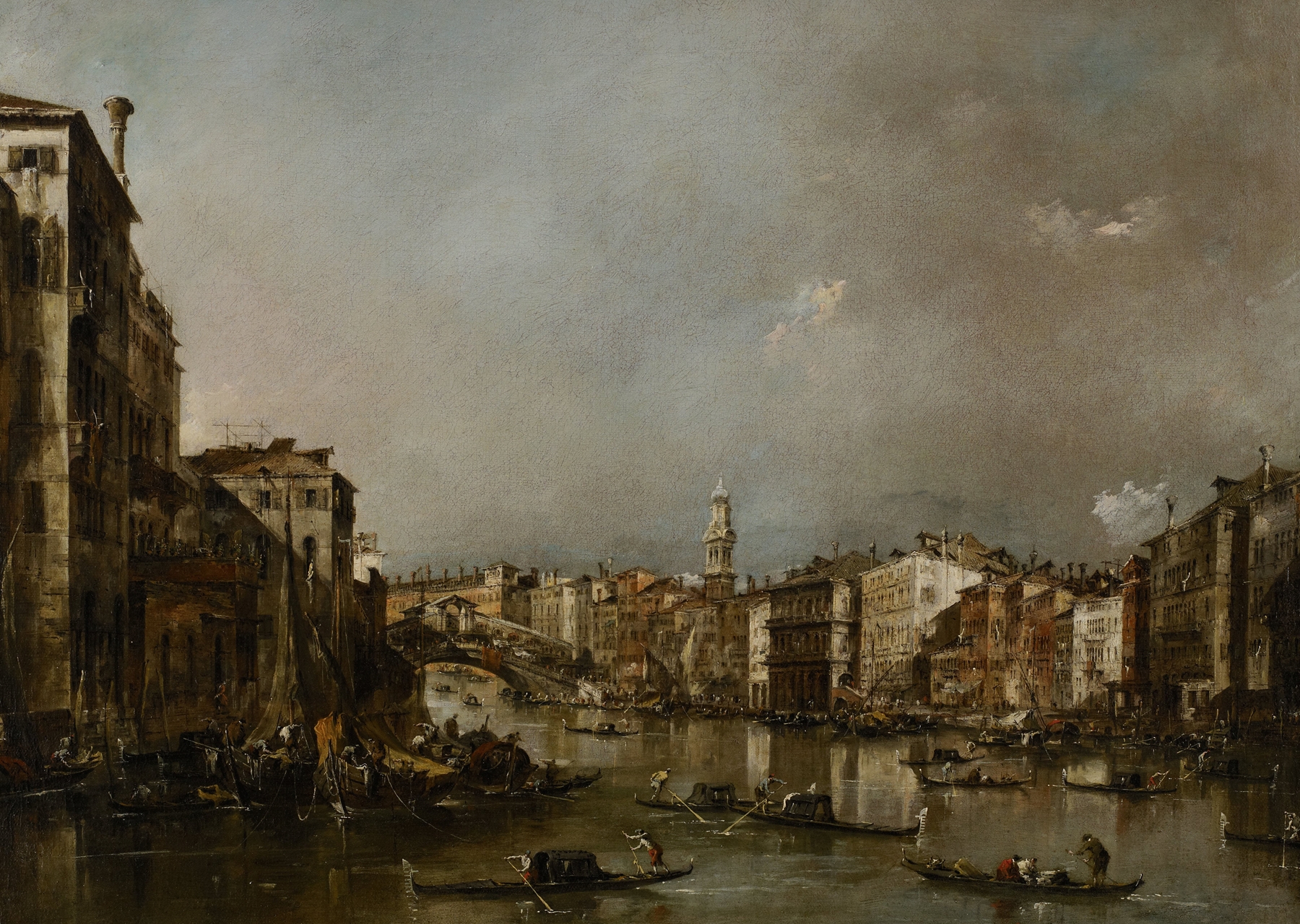
View up the Grand Canal toward the Rialto
Francesco Guardi
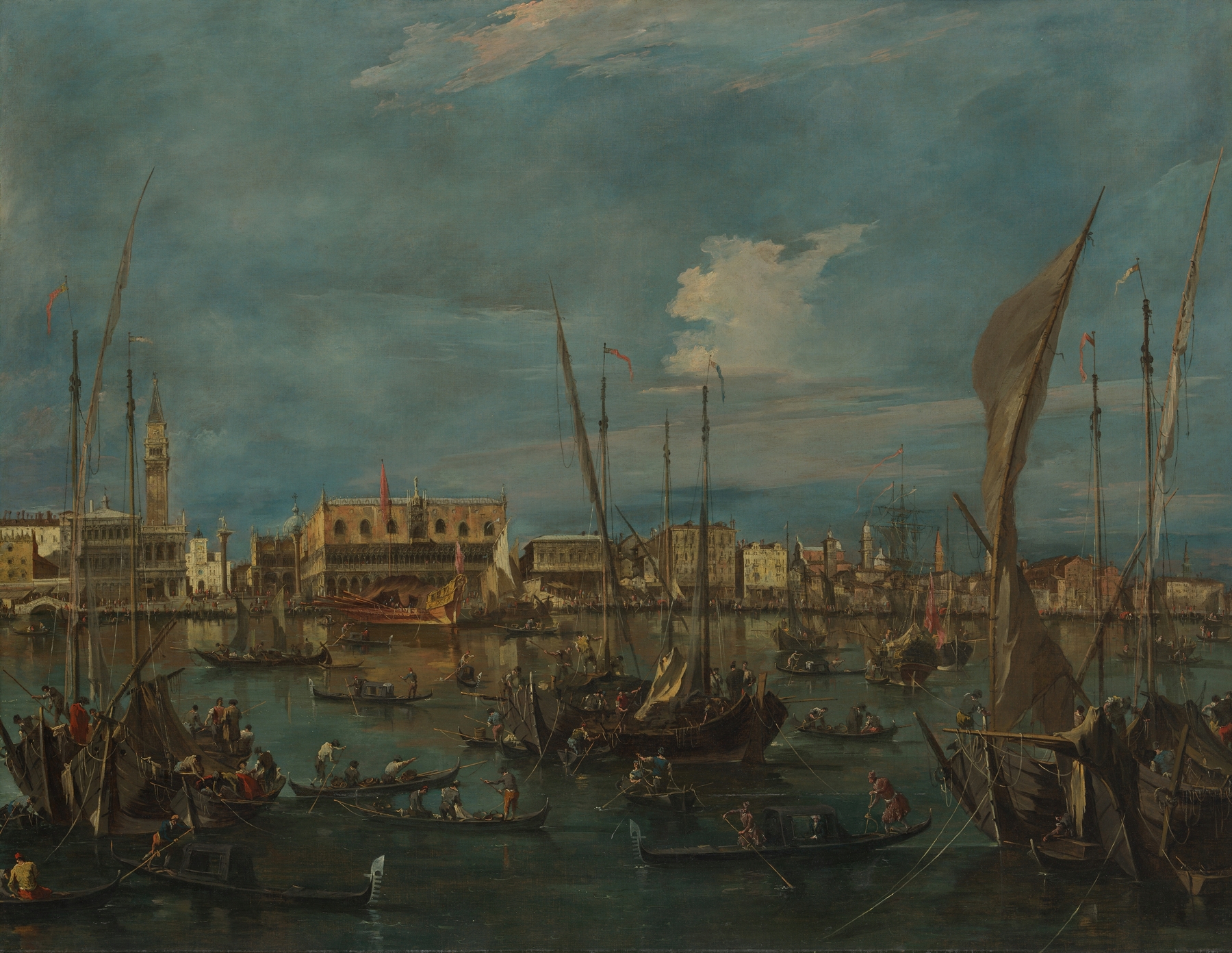
Venice from the Bacino di San Marco
Francesco Guardi
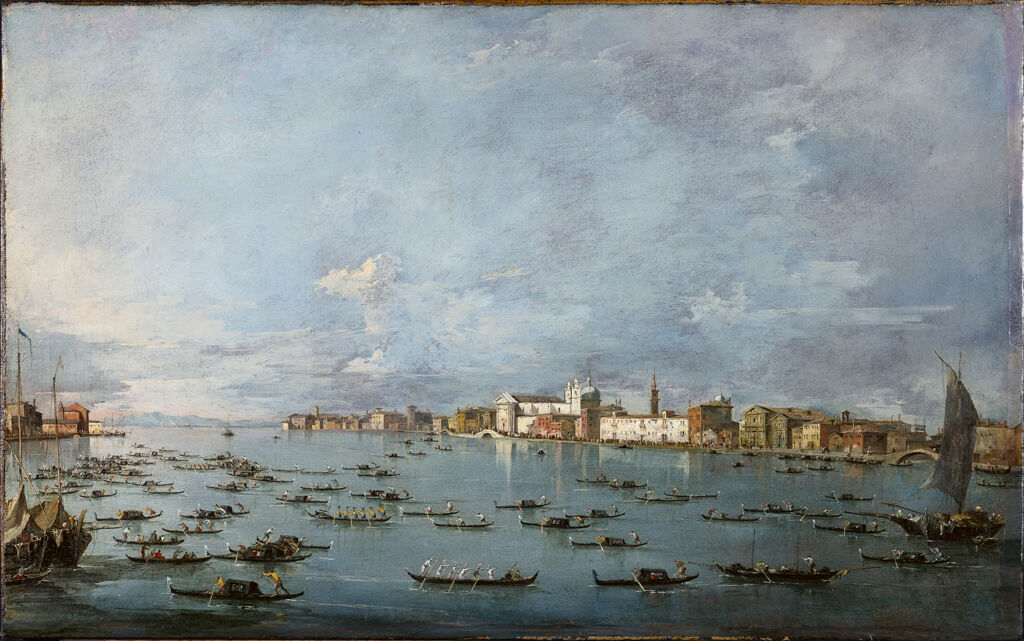
The Fondamenta della Zattere, Venice
Francesco Guardi
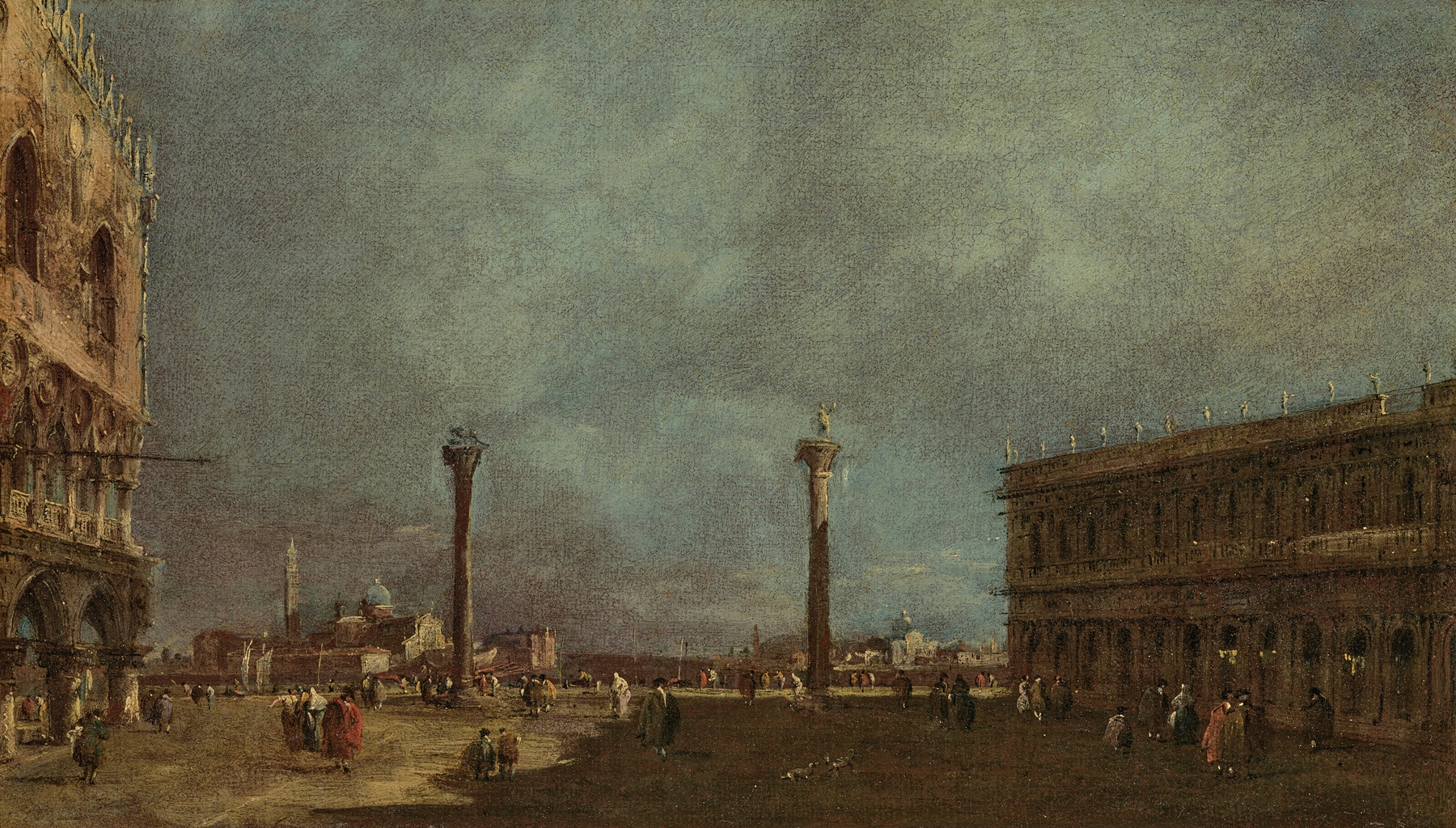
Venice, the Piazzetta looking south, with a view of the Doge’s Palace and the Biblioteca Marciana, the island of San Giorgio Maggiore beyond
Francesco Guardi
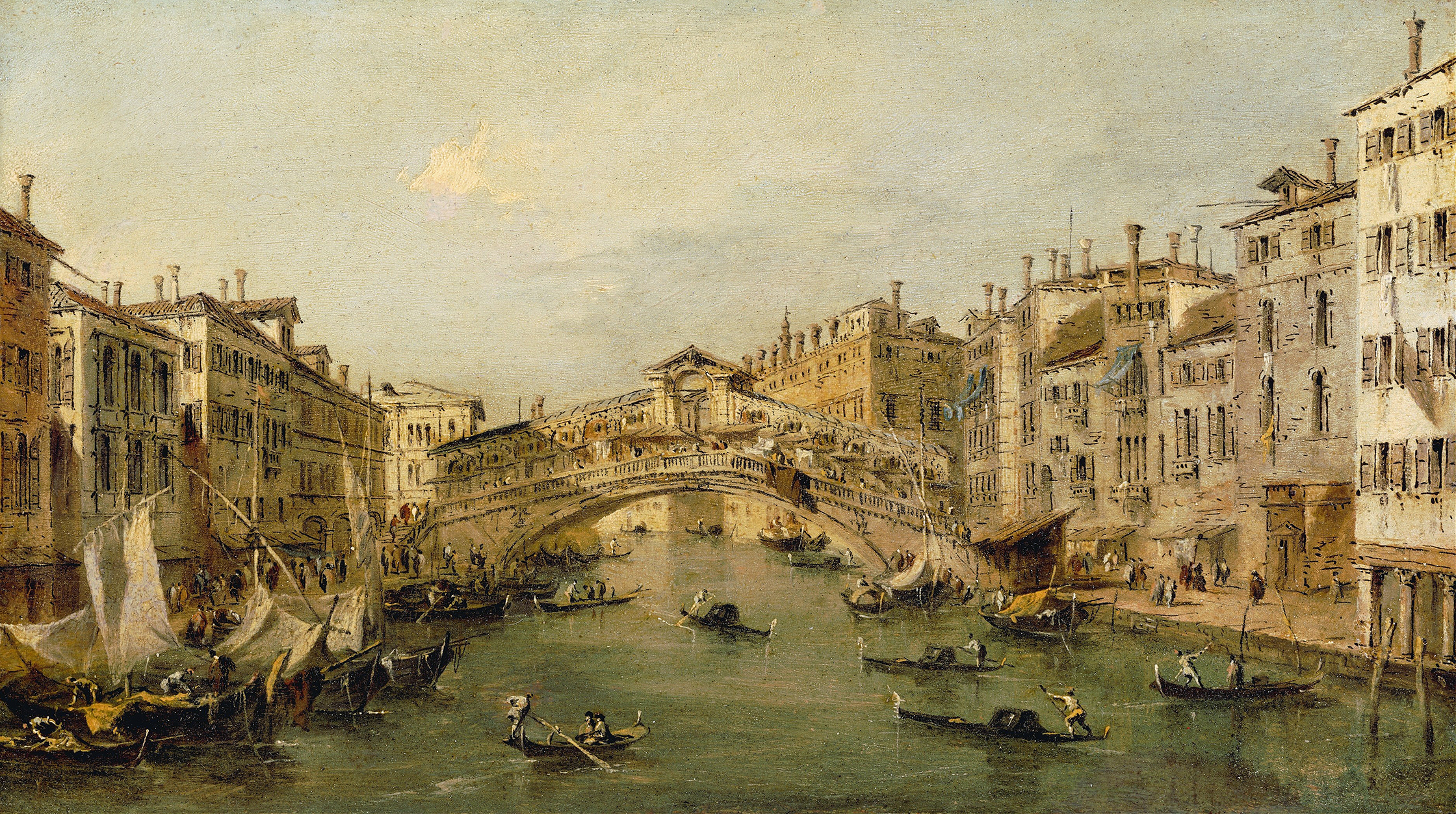
Venice, The Rialto
Francesco Guardi
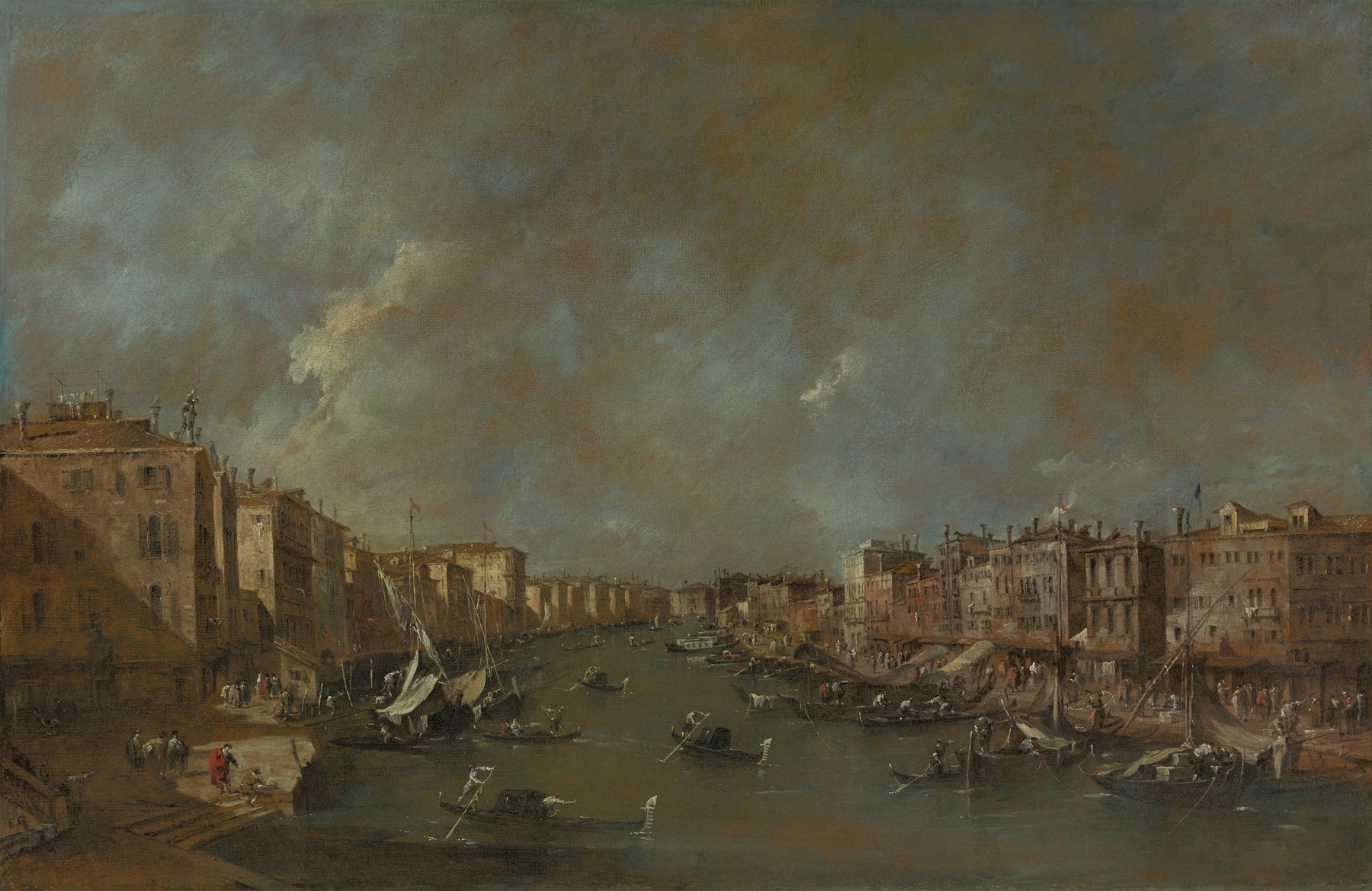
View of the Grand Canal from the Ponte di Rialto
Francesco Guardi
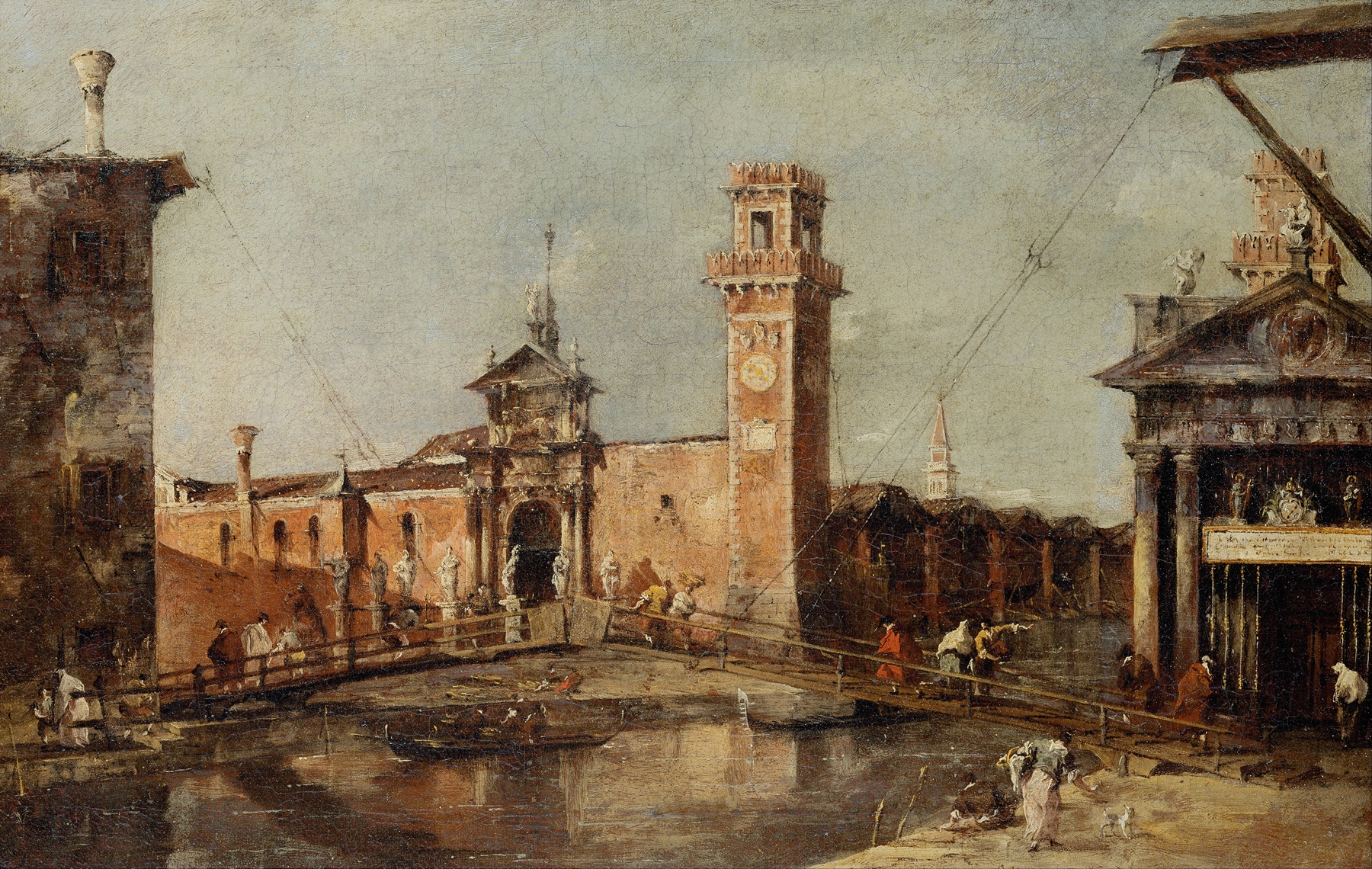
The Entrance to the Arsenal in Venice
Francesco Guardi
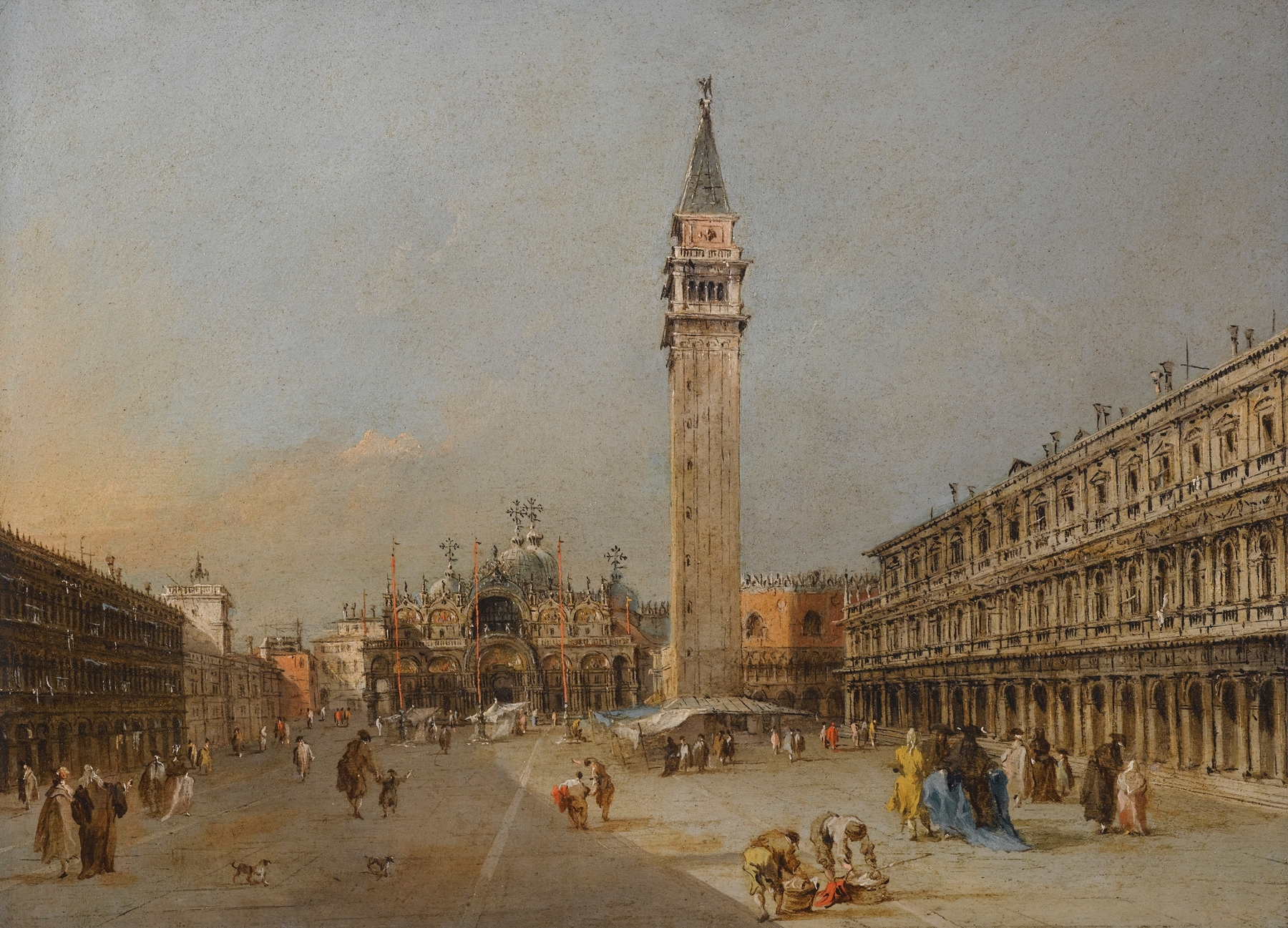
The Piazza San Marco With The Basilica And Campanile
Francesco Guardi
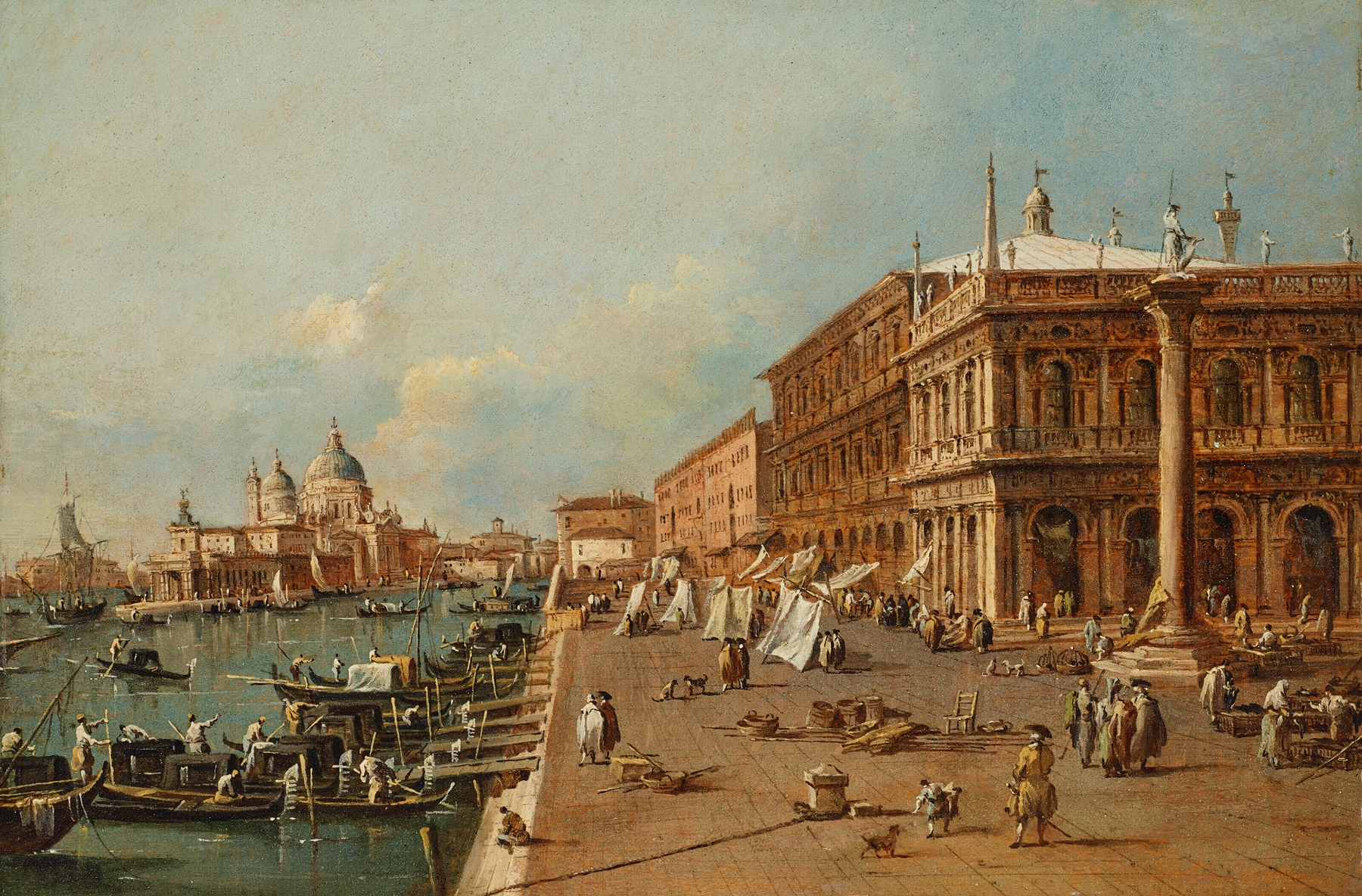
Venice; The Molo with the Libreria, the Punta della Dogana and Santa Maria della Salute
Francesco Guardi