Venice from the Bacino di San Marco — History & Analysis
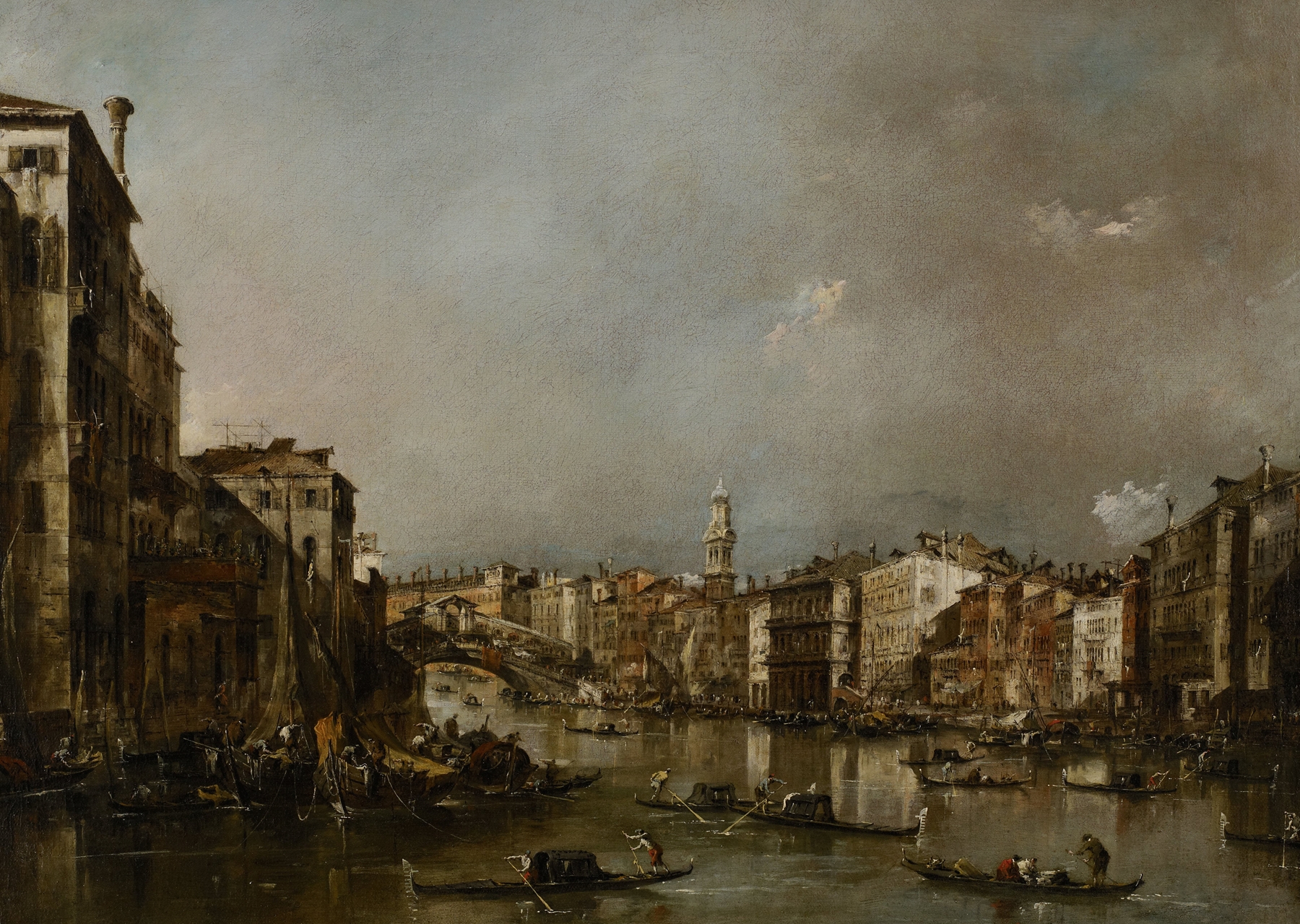
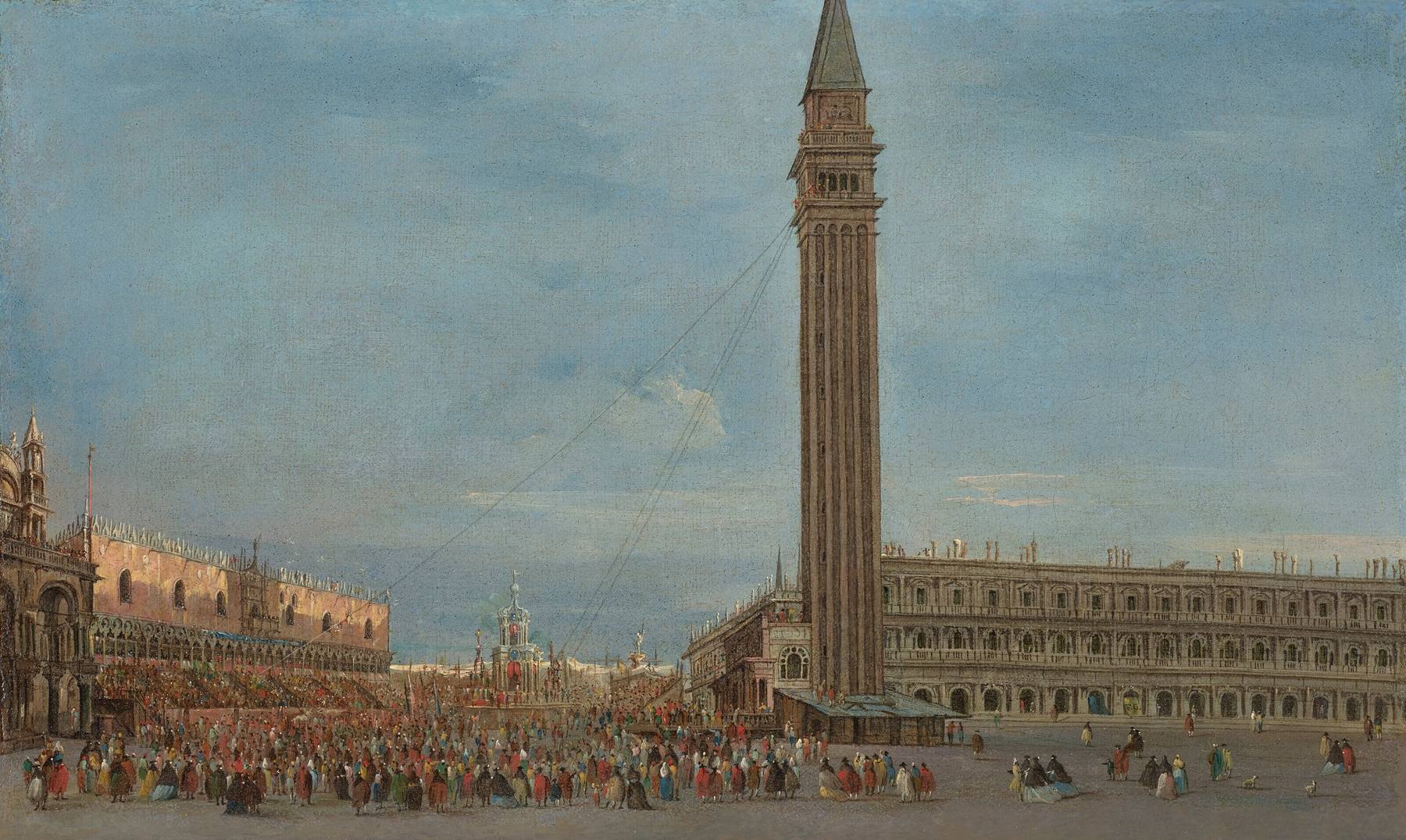
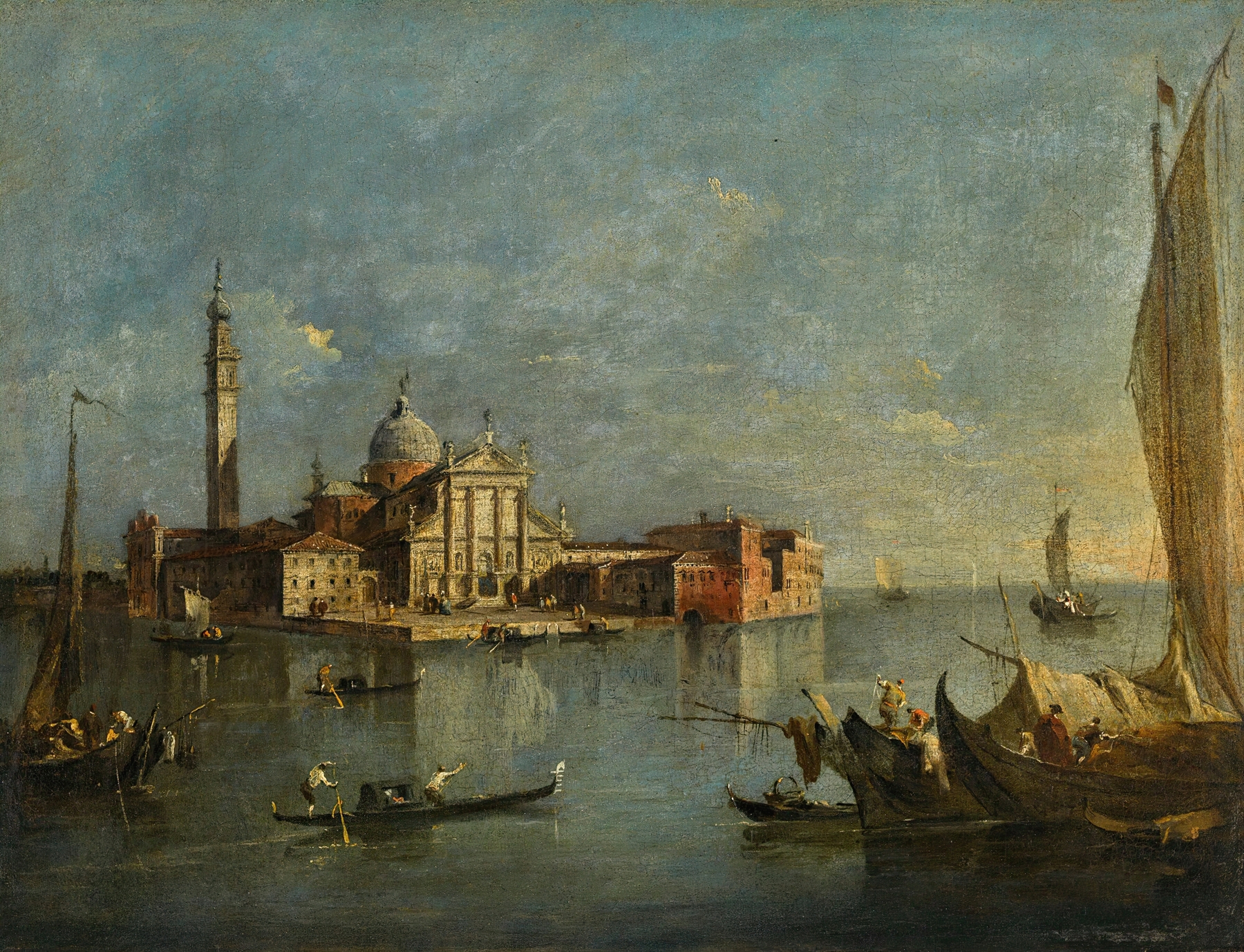
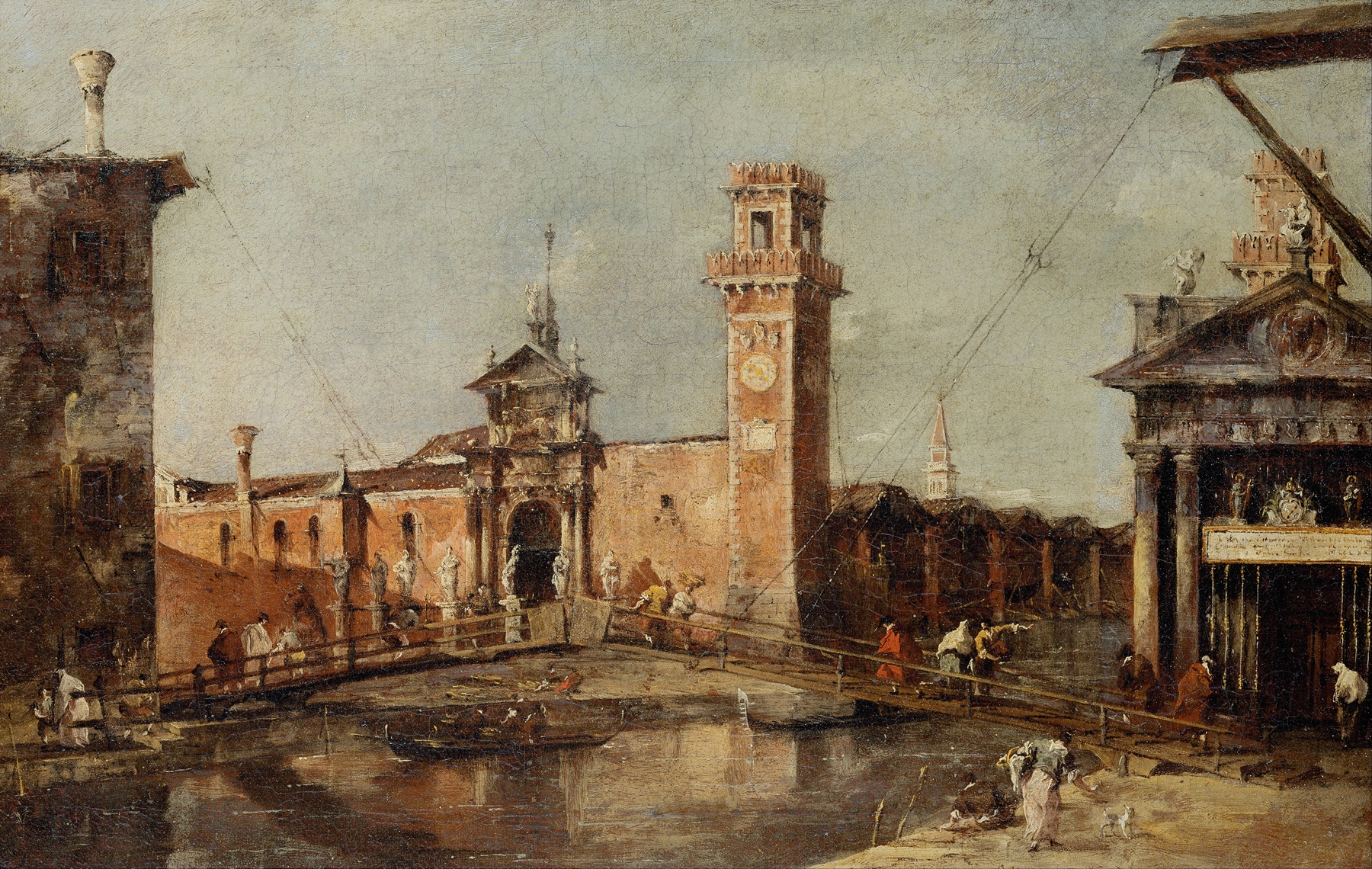
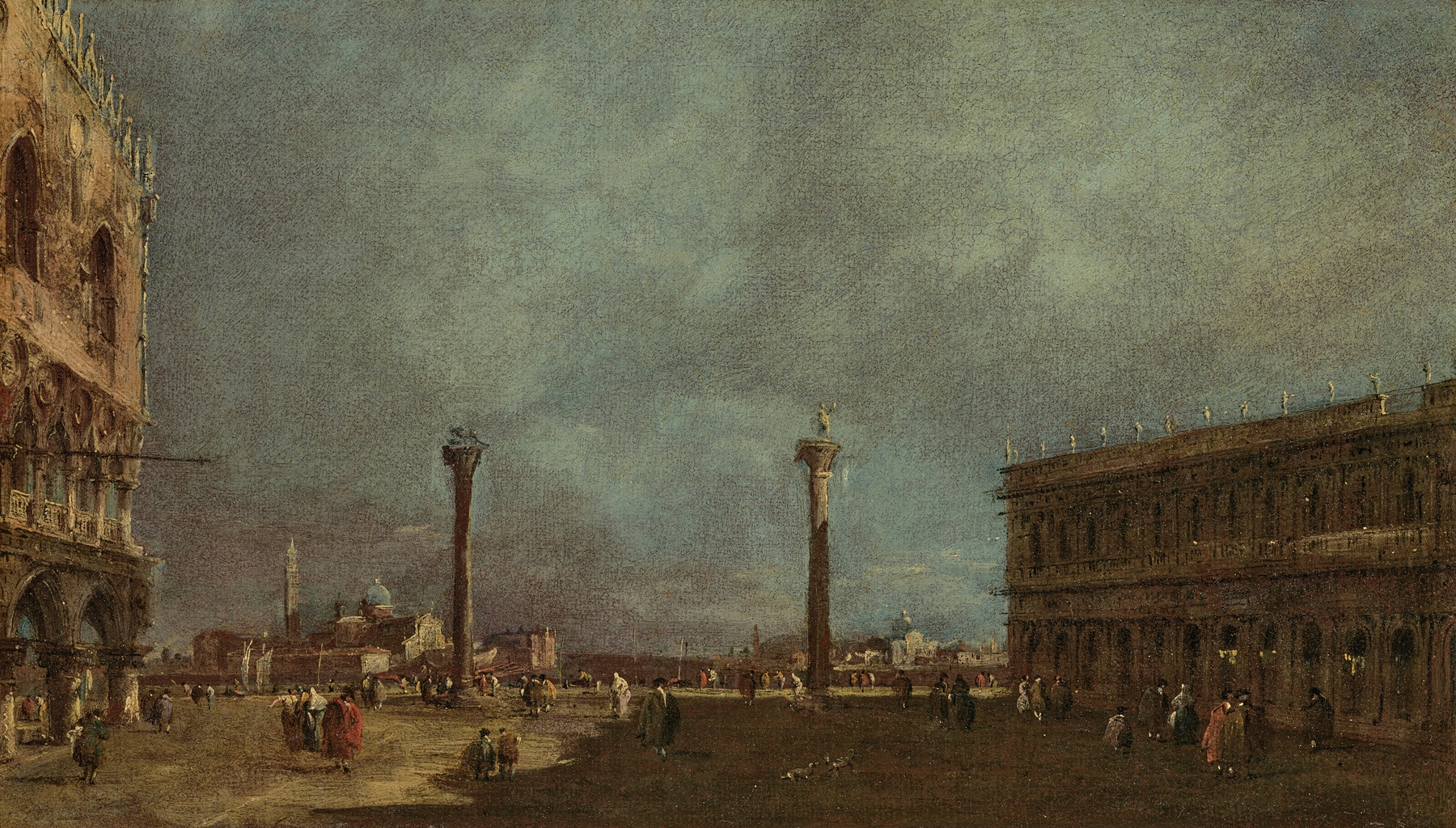
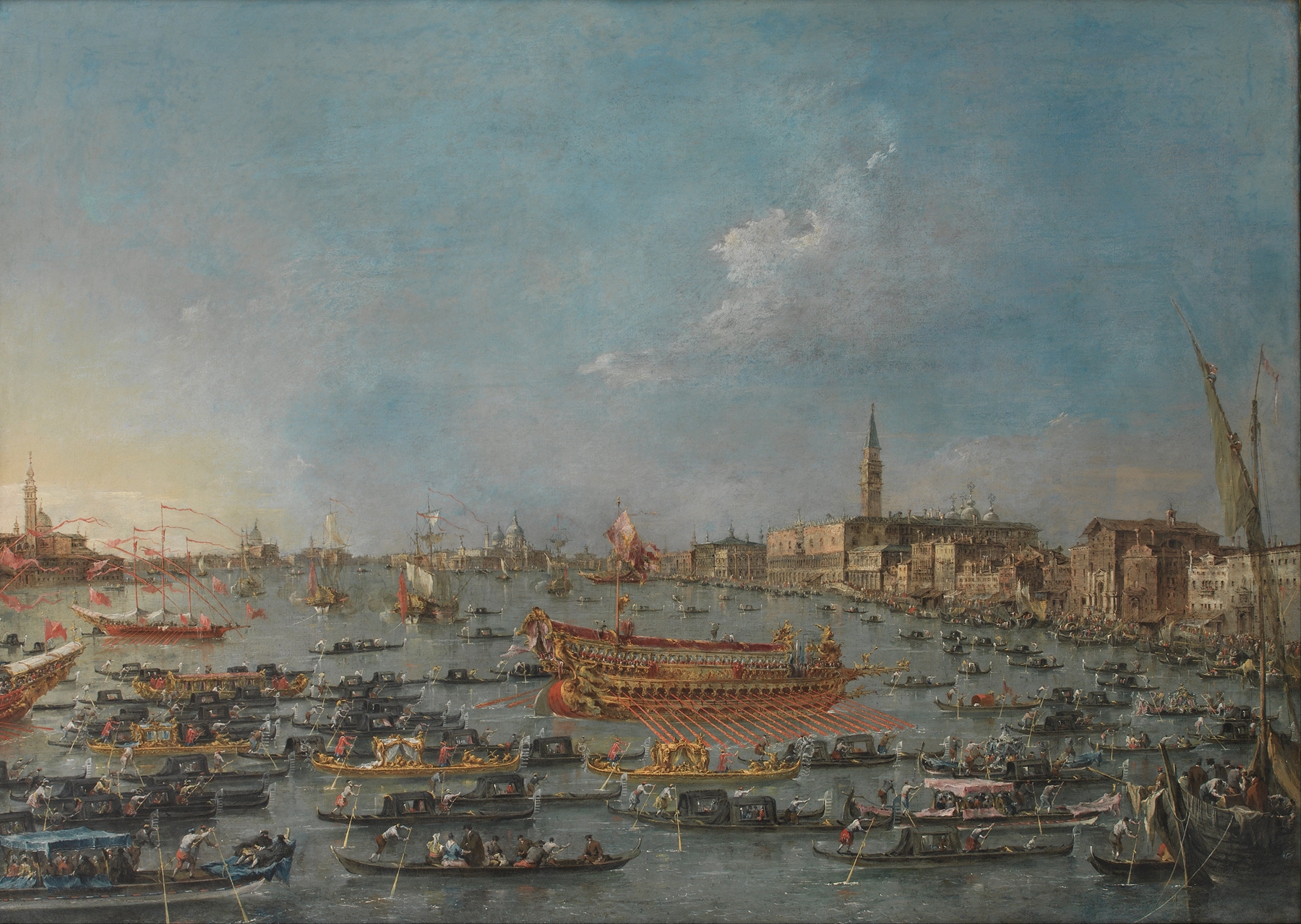
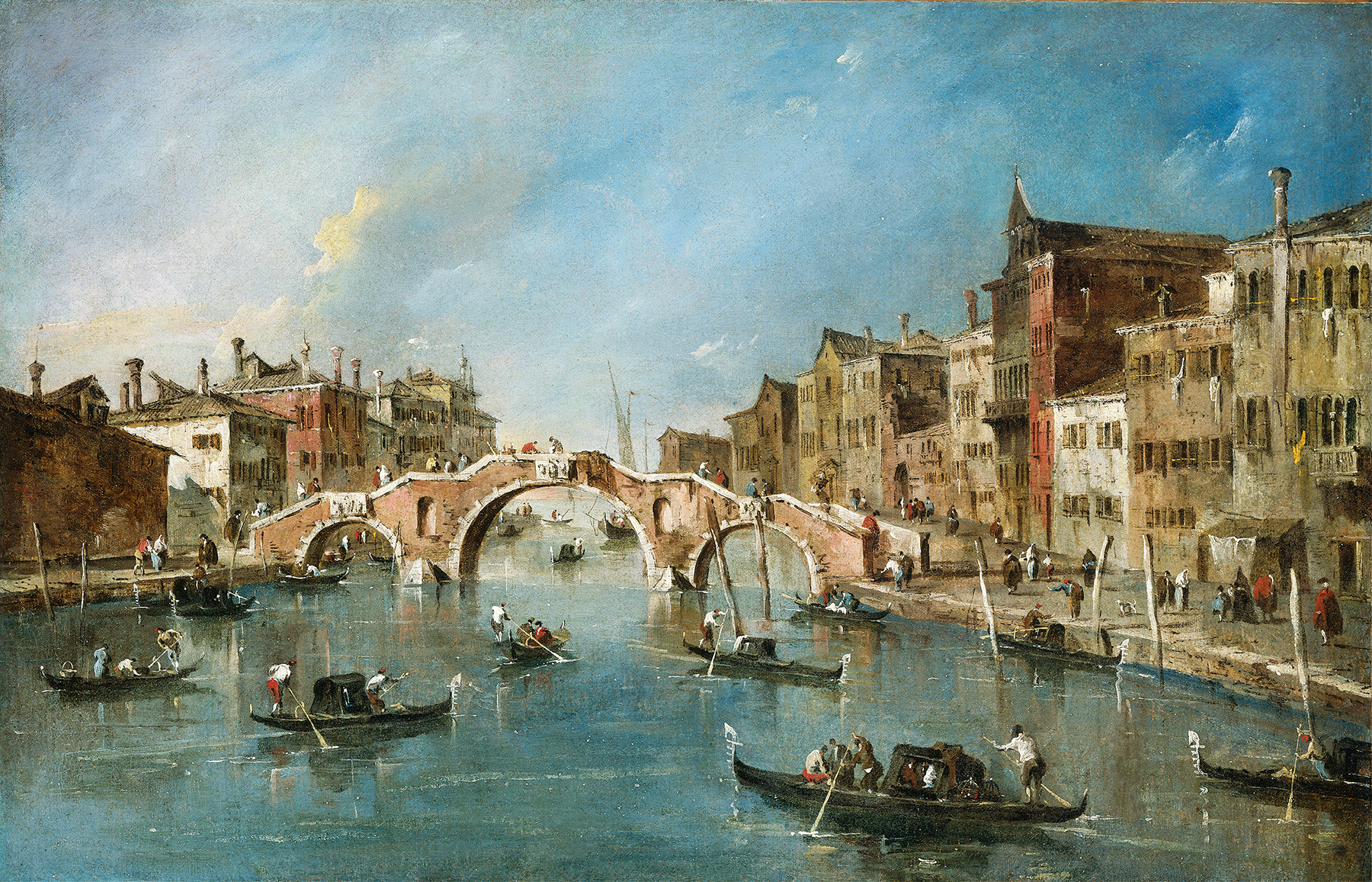
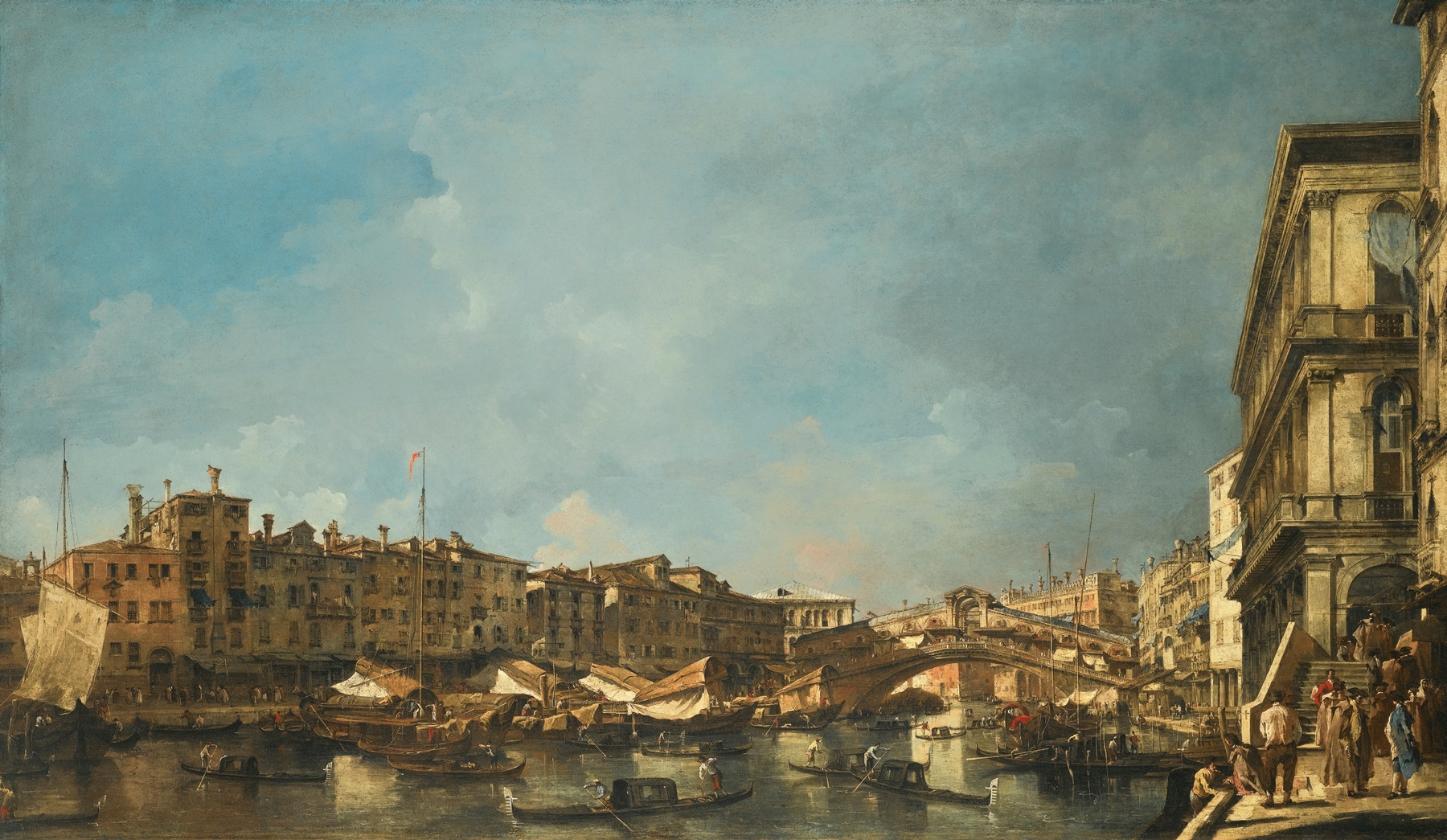
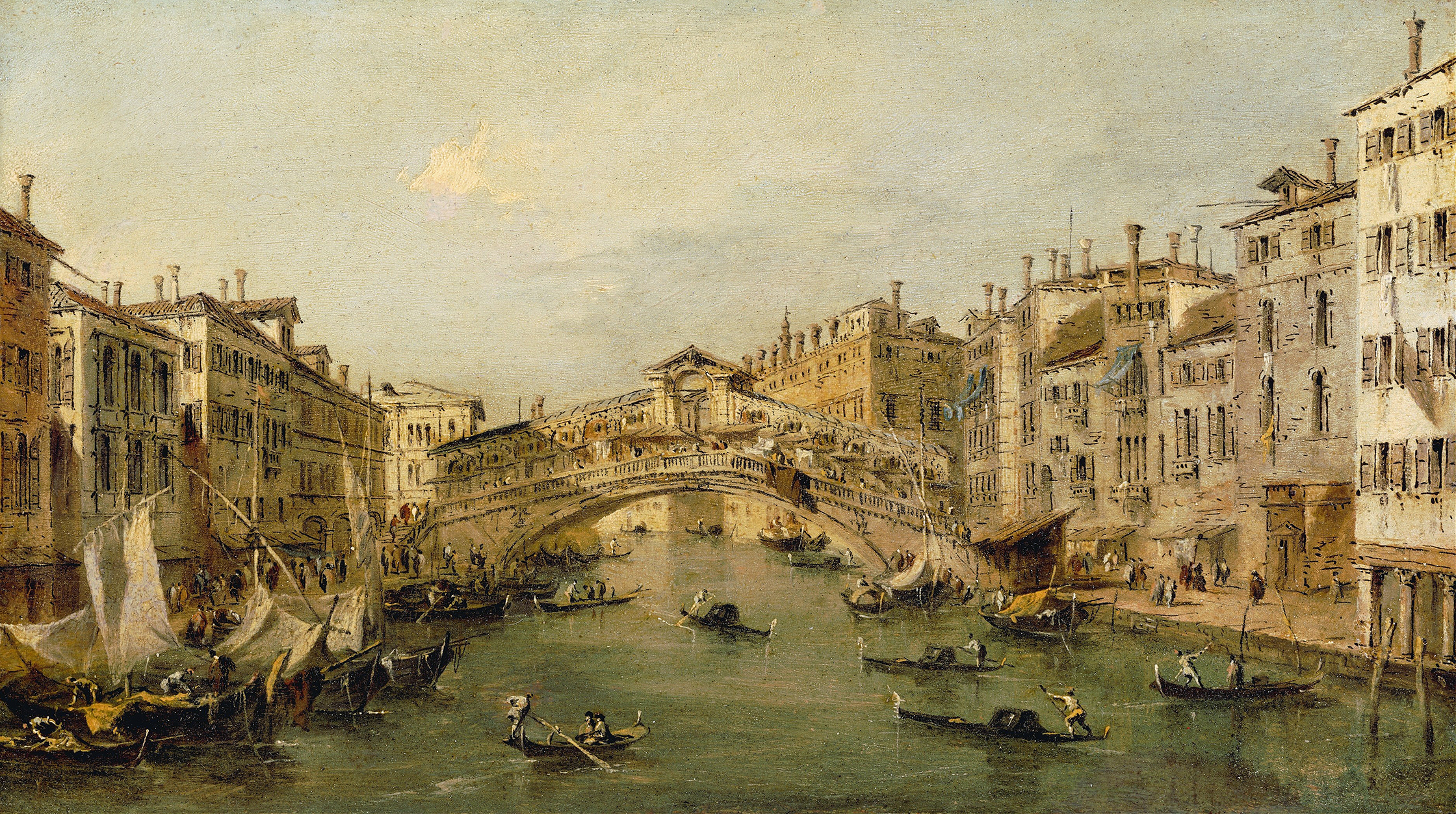
Where does light end, and longing begin? In the shimmering expanse of water, the boundary blurs, inviting us to dream of distant shores and hidden stories. Look to the left where the sun gently caresses the façades of Venice’s timeless architecture, illuminating the intricate details of the buildings. Notice how the warm golden hues of the sunset are reflected in the rippling waters of the Bacino, creating a mesmerizing dance of light and color.
The composition leads your gaze across the canvas, guiding you from the bustling wharves filled with boats to the ethereal outline of the city’s skyline, which seems to float in a world between reality and reverie. Beneath the surface of this enchanting view lies a deeper resonance of desire and nostalgia. The vibrant colors evoke a sense of yearning, as if the viewer stands on the cusp of a journey, caught between the allure of the city and the weight of its history.
The gentle movement of the water might symbolize the passage of time, hinting at the stories of love and loss that echo through the ages, captured in every wave lapping at the city’s feet. Francesco Guardi painted this masterwork between 1765 and 1775, during a vibrant period of Venetian culture that saw a renewed interest in the city's breathtaking beauty. Influenced by the transition from Rococo to Neoclassicism in the broader art world, he crafted delicate scenes that celebrated both the everyday life and the romantic allure of Venice, marking his unique voice in the tapestry of 18th-century art.