
An den müden Grossratswähler — History & Facts
What first catches the eye in Otto Plattner’s An den müden Grossratswähler is the sly, conspiratorial wink of the central figure—a man bundled in nightclothes, slippers, and a cap, lounging with a shepherd’s crook and a pipe, as if presiding over his own private kingdom of comfort. The bold, cartoon-like outlines and the limited palette of blue, red, and white give the scene a theatrical clarity, drawing the viewer into the cozy, slightly absurd domesticity on display. Every detail here is a nudge: the untouched cup, the bottle of spirits, the comically attentive cat, and the chef in red presenting a cake as if it were a crown.
The entire composition seems to tease the viewer—this is not just a scene of leisure, but a gentle caricature of indolence and self-indulgence, with the figure’s contented smirk inviting us to share in the joke. Created in 1923, this work belongs to a world where posters and satirical illustrations were powerful tools of public persuasion and commentary, especially in the politically charged atmosphere of postwar Europe. The text at the bottom, written in German, addresses the “tired Grand Council voter,” urging him to remain behind the stove and not to stir, with a wry reference to the events of 1920 and the fate of Basel compared to Moscow. Such images were often commissioned for political campaigns, public events, or social satire, meant to catch the eye and provoke a smile or a knowing nod from passersby.
Little is recorded about the specific journey of this poster beyond its date and self-scanned collection, but its humor and style are unmistakably rooted in the lively visual culture of early twentieth-century Switzerland. The longer you look, the more the image reveals about the era’s appetite for both comfort and irony.
More Artworks by Otto Plattner
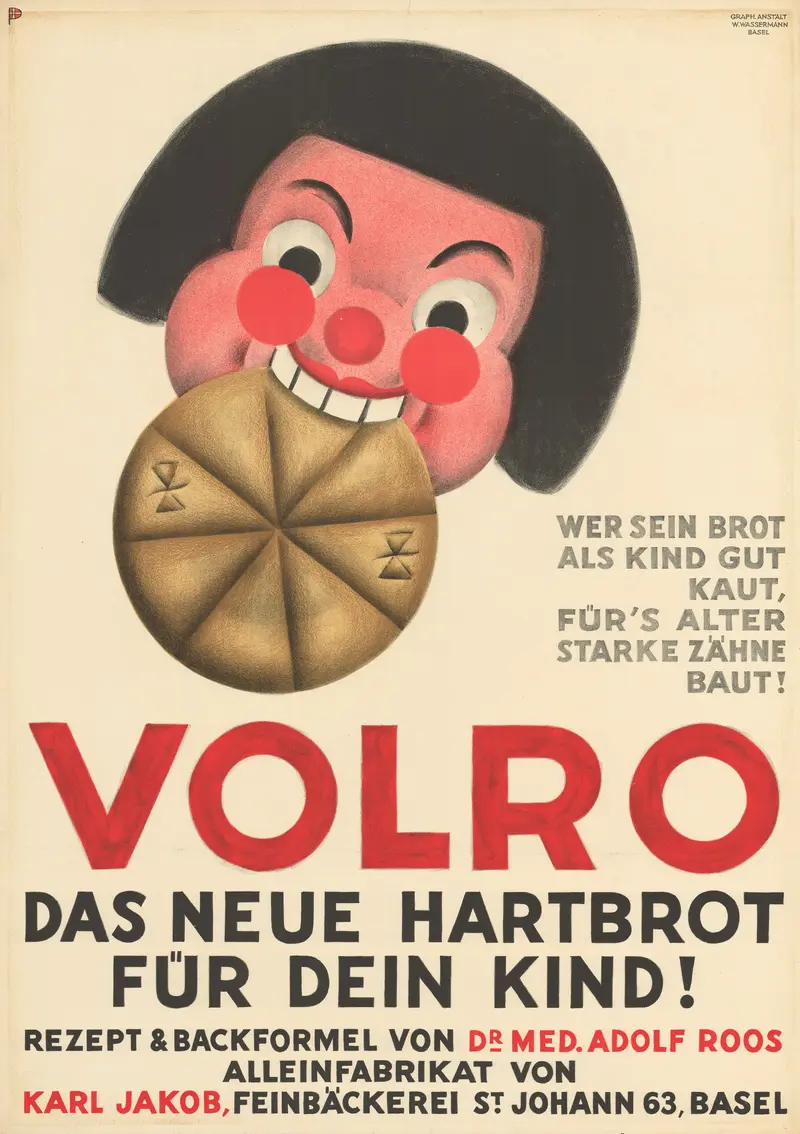
Volro – Das neue Hartbrot für dein Kind
Otto Plattner
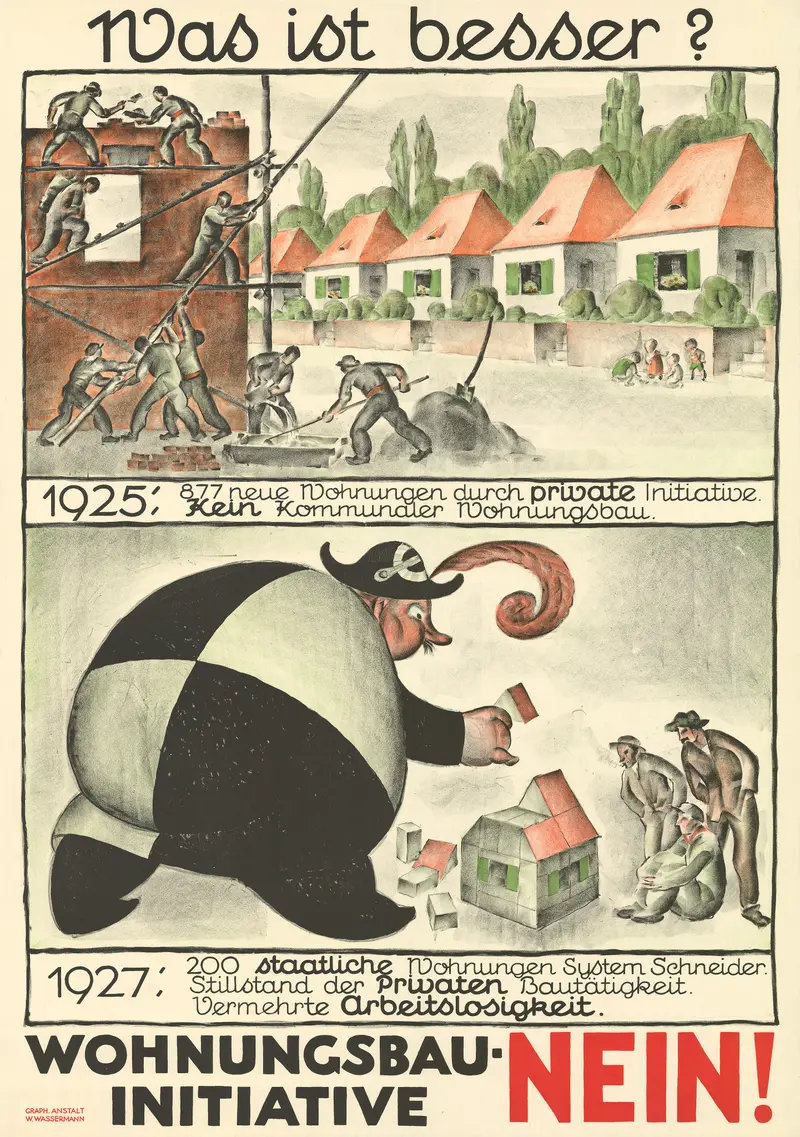
Was ist besser? – Wohnungsbau-Initiative Nein!
Otto Plattner
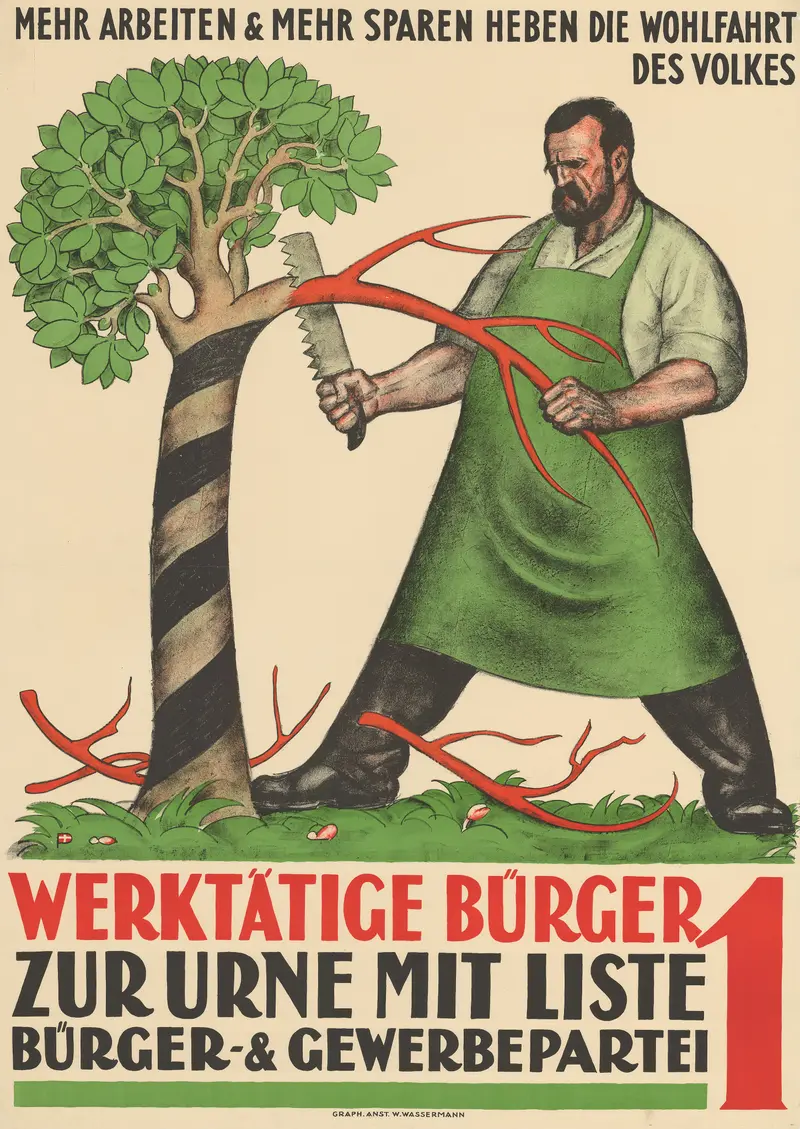
Werktätige Bürger – Zur Urne mit Liste 1 – Bürger- & Gewerbepartei
Otto Plattner
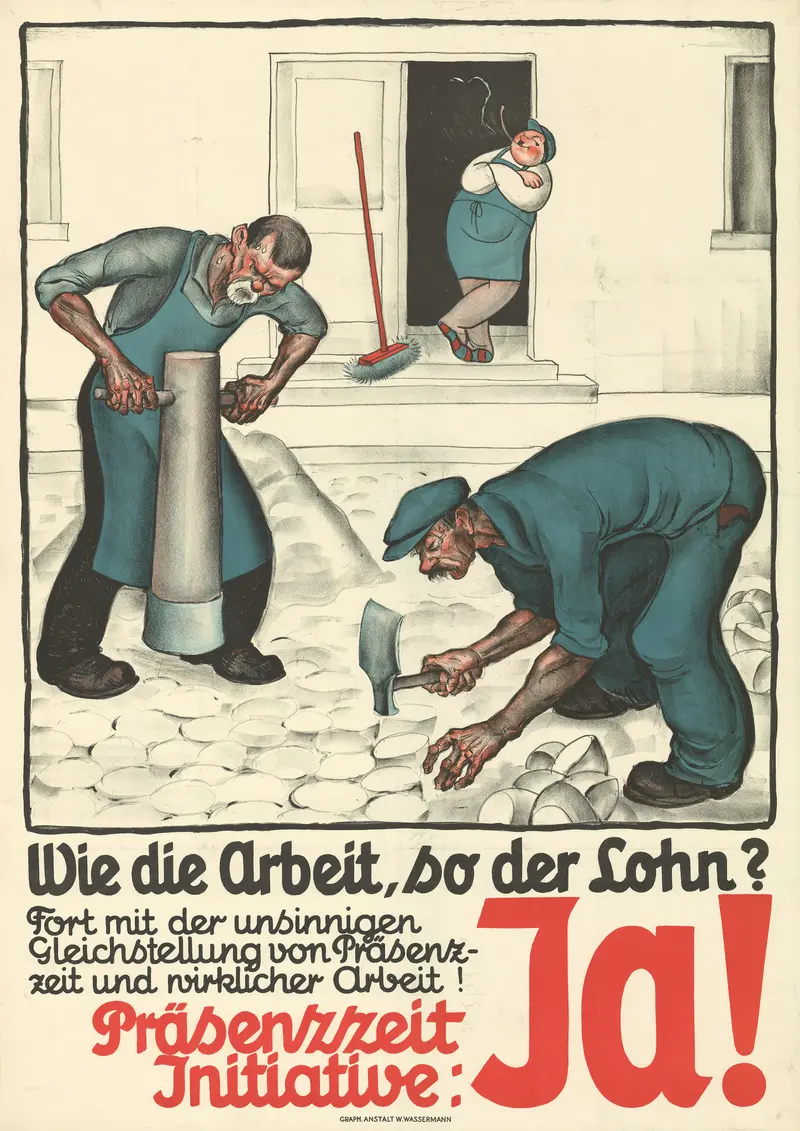
Wie die Arbeit, so der Lohn? Präsenzzeit-Initiative: Ja!
Otto Plattner

Zu den eigenen Lasten soll die Stadt auch noch die der Vororte tragen? – Wiedervereinigung Nein
Otto Plattner
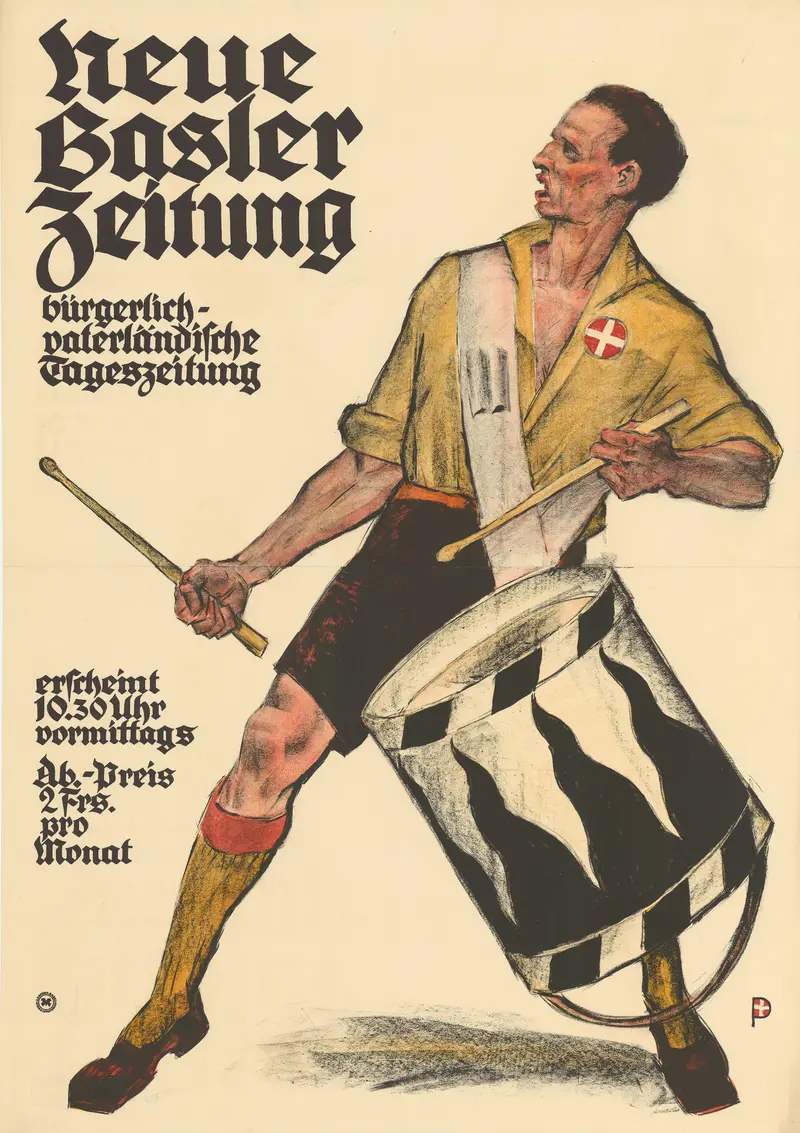
Neue Basler Zeitung
Otto Plattner
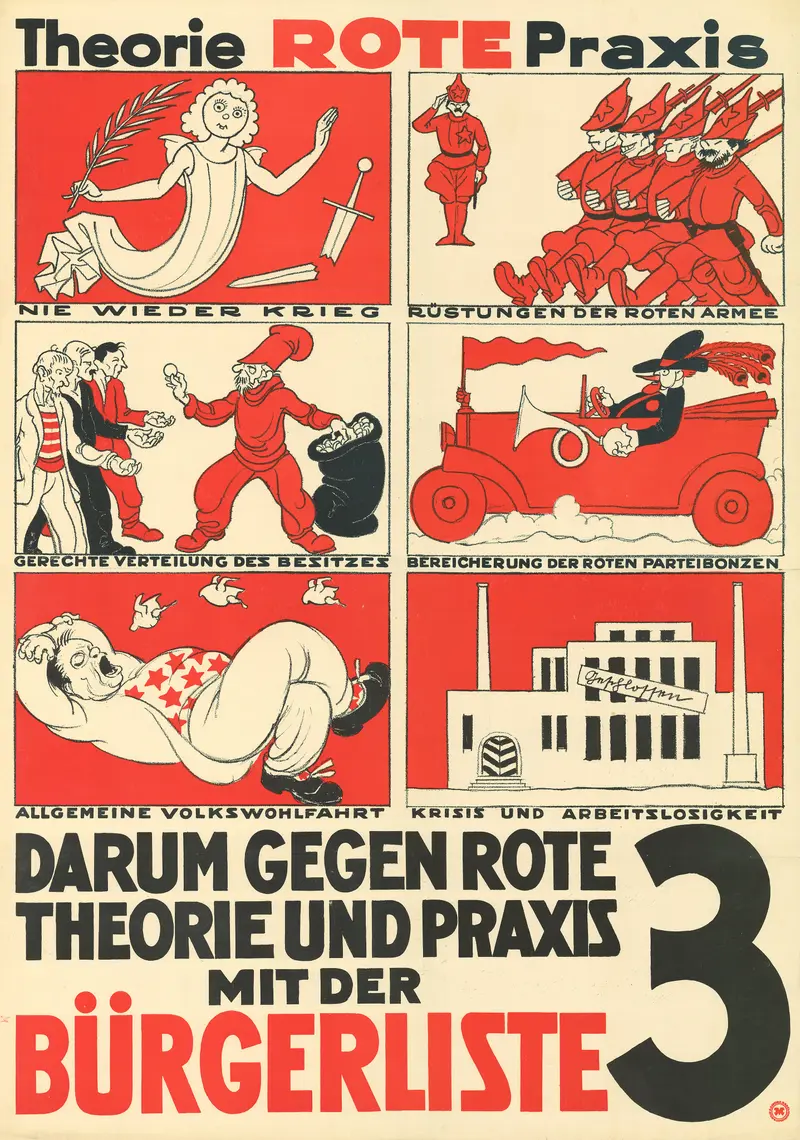
Gegen rote Theorie und Praxis – Bürgerliste 3
Otto Plattner
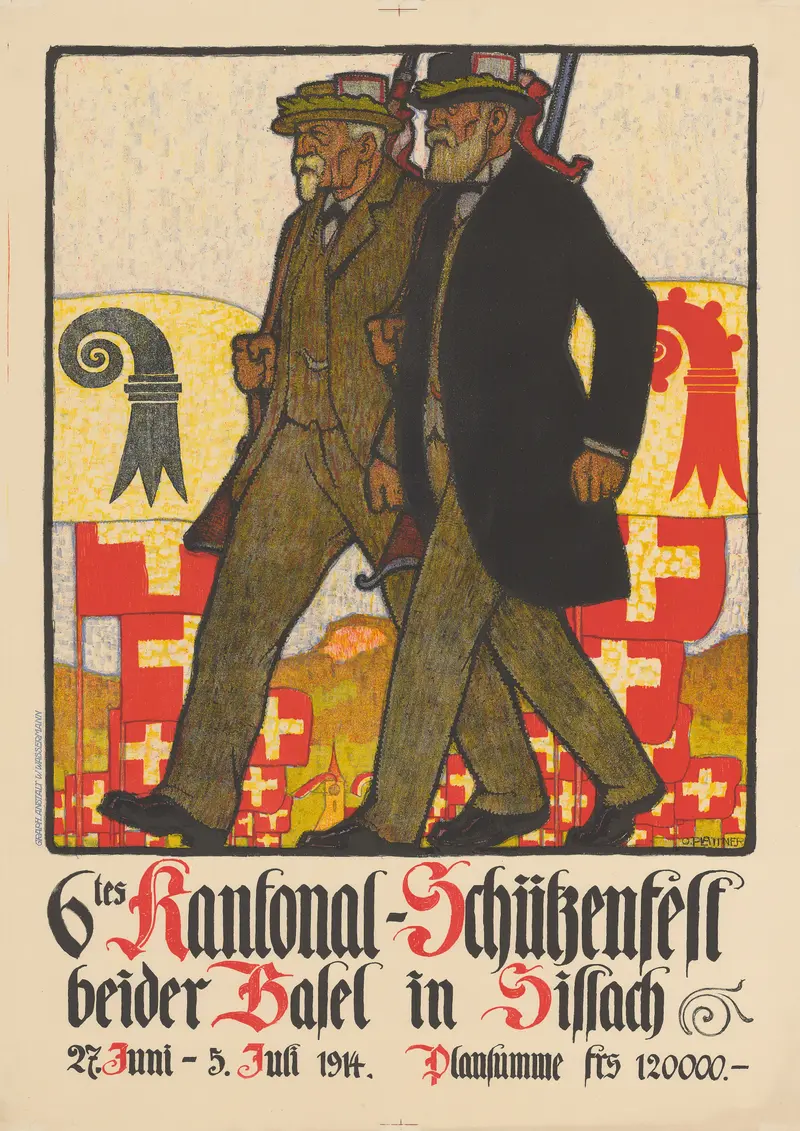
6tes Kantonal-Schützenfest beider Basel in Sissach
Otto Plattner
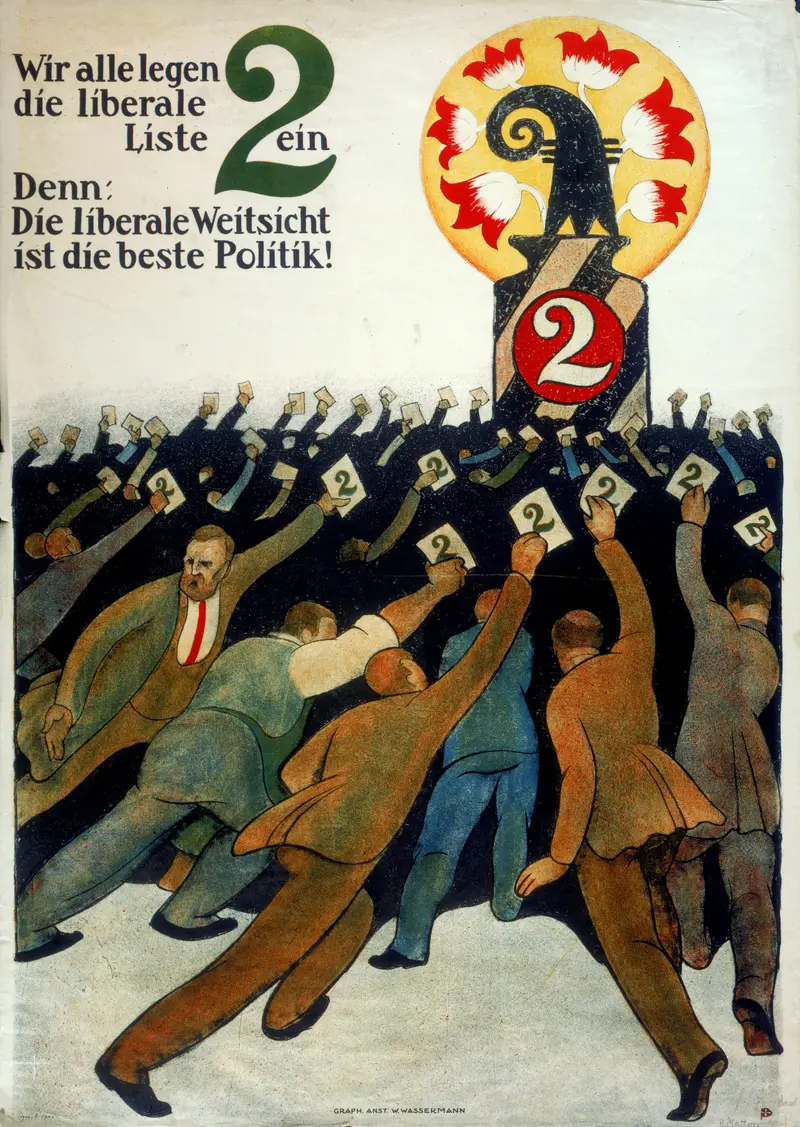
CH-NB Poster Collection SNL POL 370
Otto Plattner
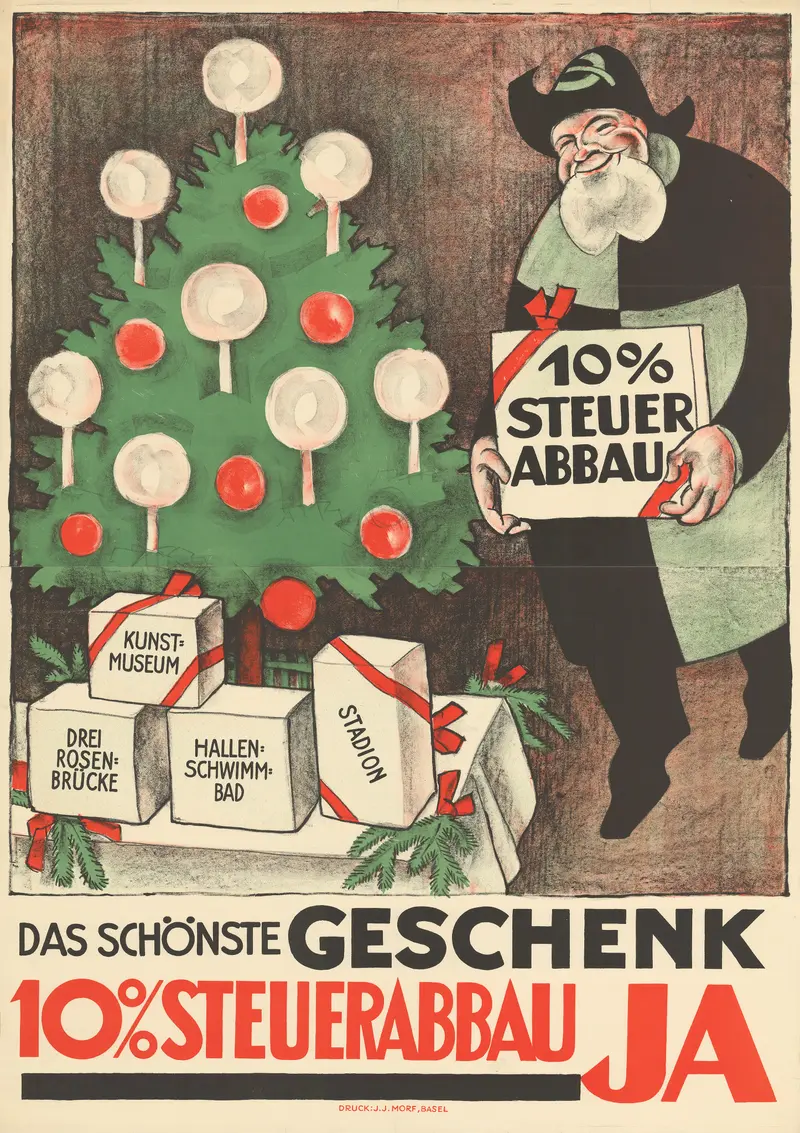
Das schönste Geschenk – 10% Steuerabbau – Ja
Otto Plattner
More Genre Scene Art

Banquet of the Officers of the St George Civic Guard
Frans Hals

Rembrandt and Saskia in the Scene of the Prodigal Son
Rembrandt van Rijn

Bal du moulin de la Galette
Pierre-Auguste Renoir

Quadrille at the Moulin Rouge
Henri de Toulouse-Lautrec

A Burial at Ornans
Gustave Courbet

When Will You Marry?
Paul Gauguin