An English Woman. After a Drawing by Hans Holbein the Younger — History & Facts
What first catches the eye in An English Woman. After a Drawing by Hans Holbein the Younger by Rembrandt van Rijn is the sense of movement held in a single, fluid gesture. The woman's figure is rendered in brisk, searching lines, her posture both upright and relaxed, as if she has just paused mid-step.
The veil floats behind her, a few swift strokes suggesting its lightness, while the heavy folds of her gown are anchored by darker, more deliberate marks. Rembrandt’s hand lingers on the interplay between structure and spontaneity: the careful delineation of her face and bodice gives way to the almost improvisational sweep of her skirt. The drawing’s unfinished quality draws the viewer in, inviting us to imagine the rest of her world just beyond the paper’s edge. Created in 1639, this work speaks to a period when artists across Europe looked to earlier masters for inspiration and study.
Rembrandt, working in the Dutch Republic, was deeply engaged with the art of the past—here, he responds to the legacy of Hans Holbein the Younger, whose portraits of English sitters were famed for their clarity and psychological insight. Such drawings were valued not only as exercises in observation but as a means of connecting with distant courts and fashions. Today, this sheet resides in the National Museum of Art, Architecture and Design, a quiet testament to how artists borrow, adapt, and transform.
The woman’s gaze, gentle and reserved, still holds the viewer, centuries after Rembrandt set down his pen.
More Artworks by Rembrandt van Rijn
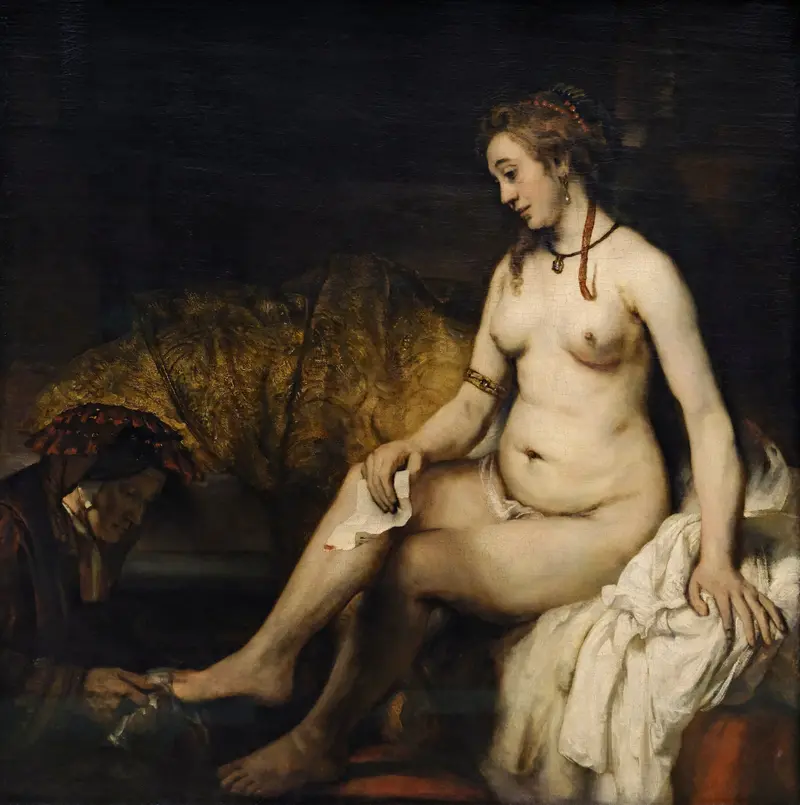
Bathsheba at Her Bath
Rembrandt van Rijn
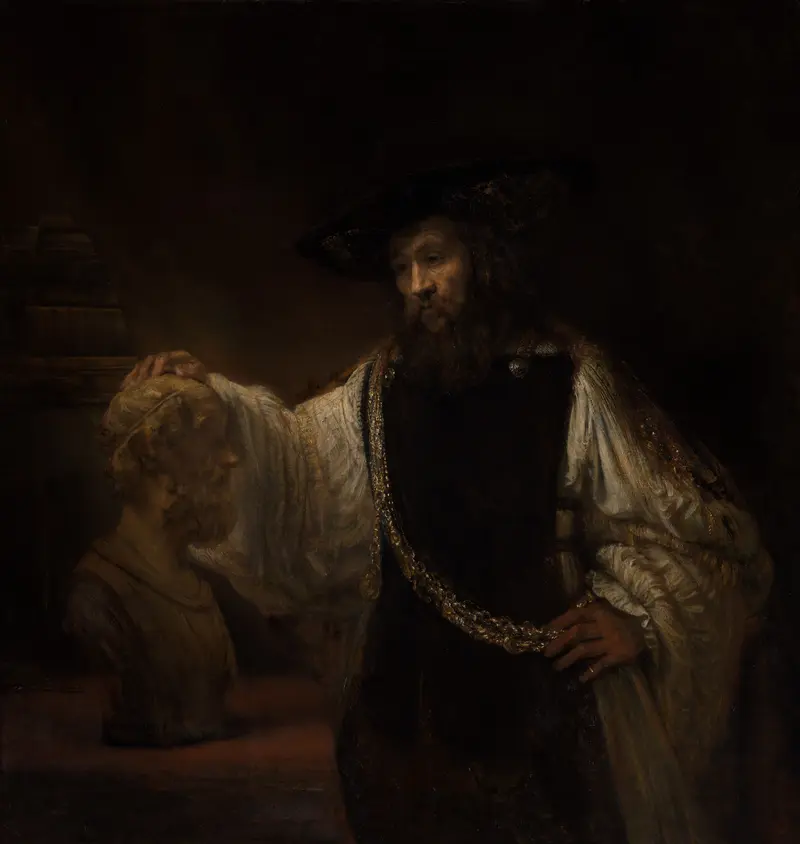
Aristotle with a Bust of Homer
Rembrandt van Rijn
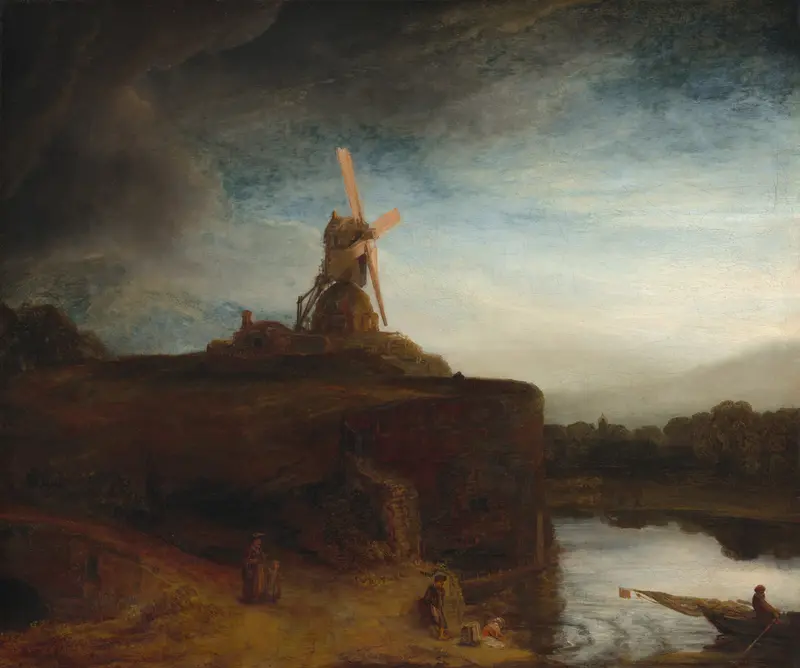
The Mill
Rembrandt van Rijn
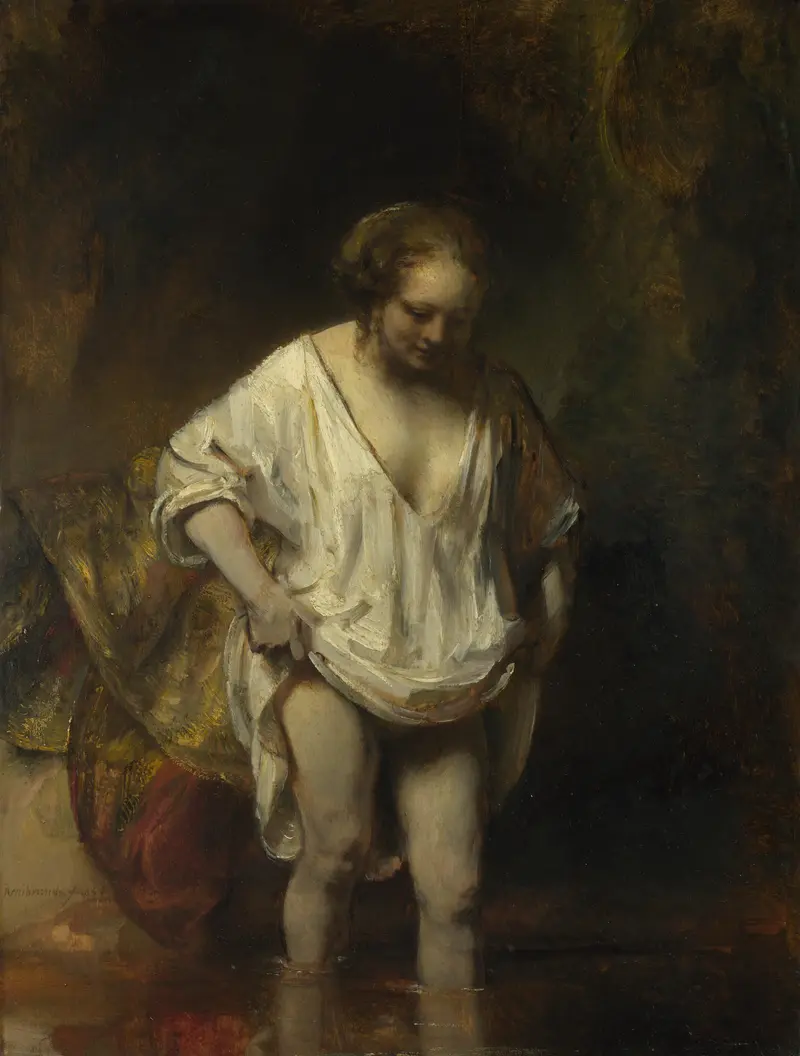
A Woman Bathing in a Stream
Rembrandt van Rijn
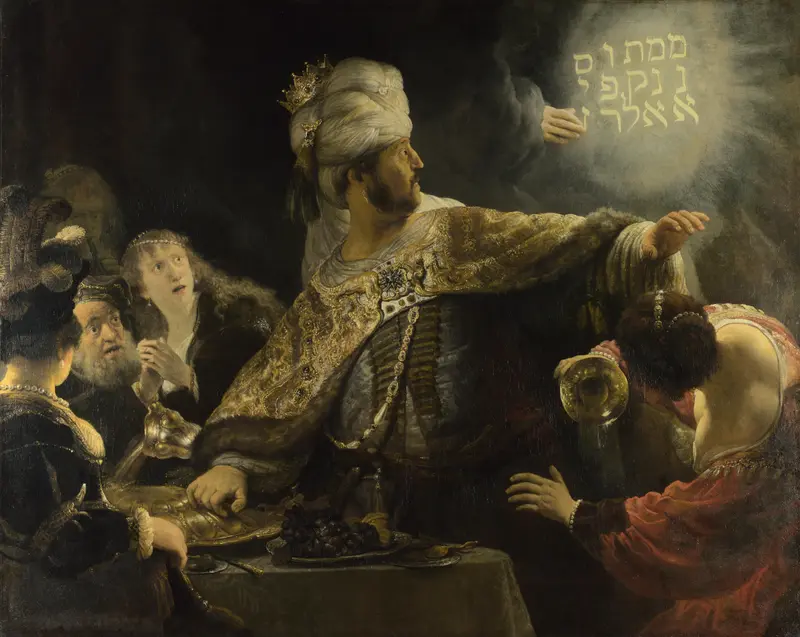
Belshazzar’s Feast
Rembrandt van Rijn
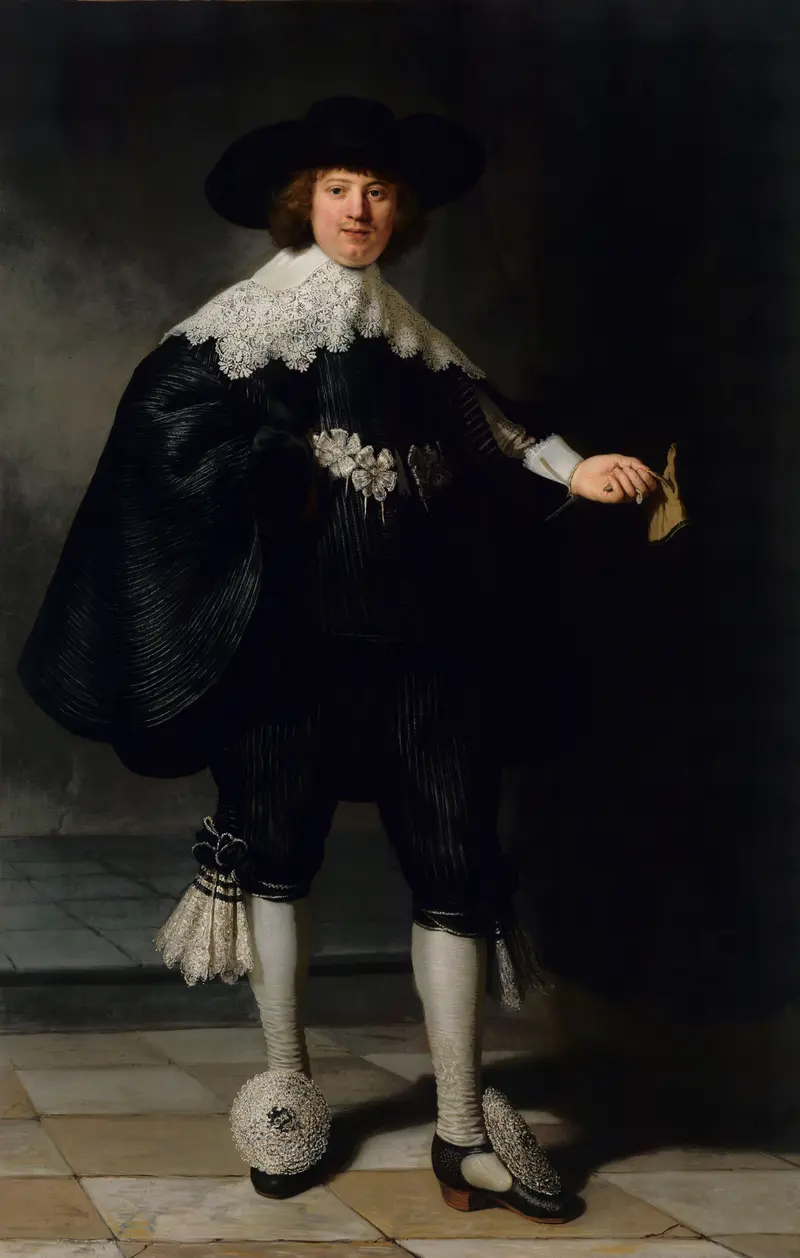
Portrait of Marten Soolmans
Rembrandt van Rijn
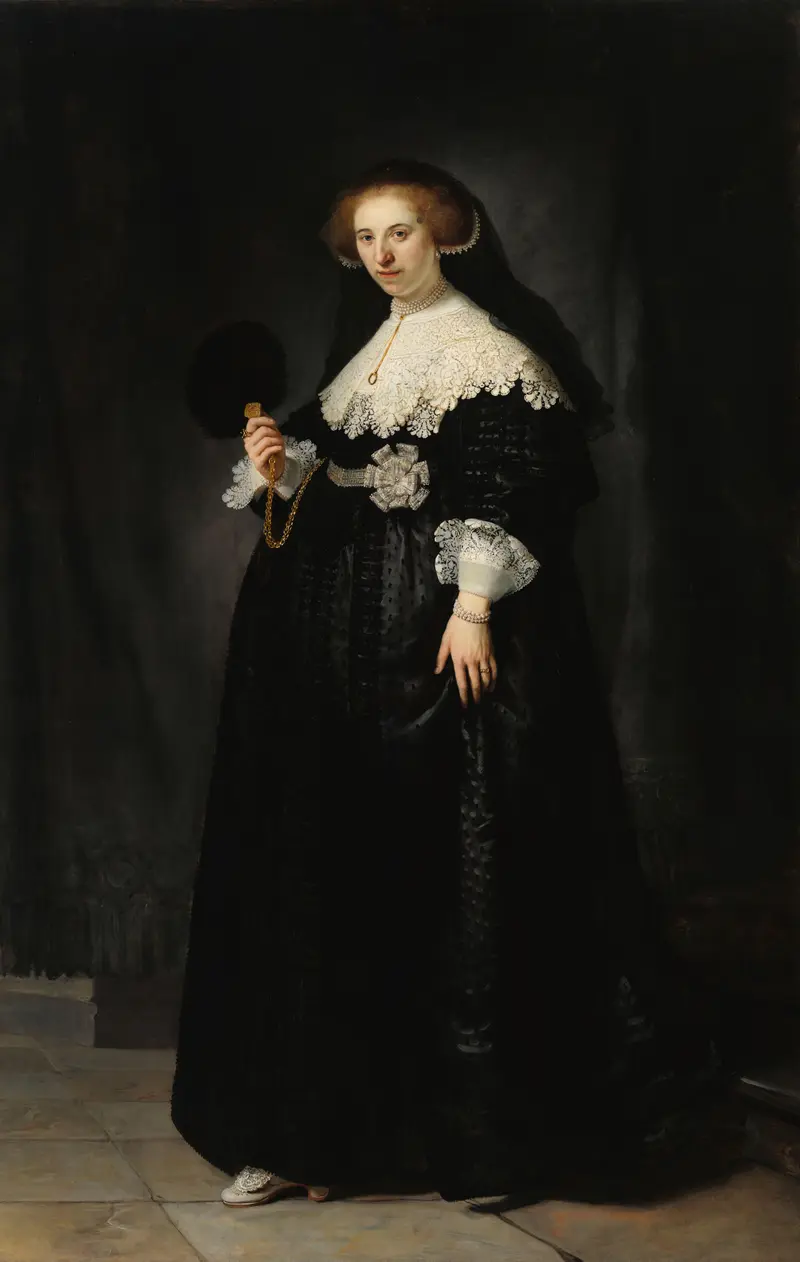
Portrait of Oopjen Coppit
Rembrandt van Rijn

The Prodigal Son in the Tavern
Rembrandt van Rijn
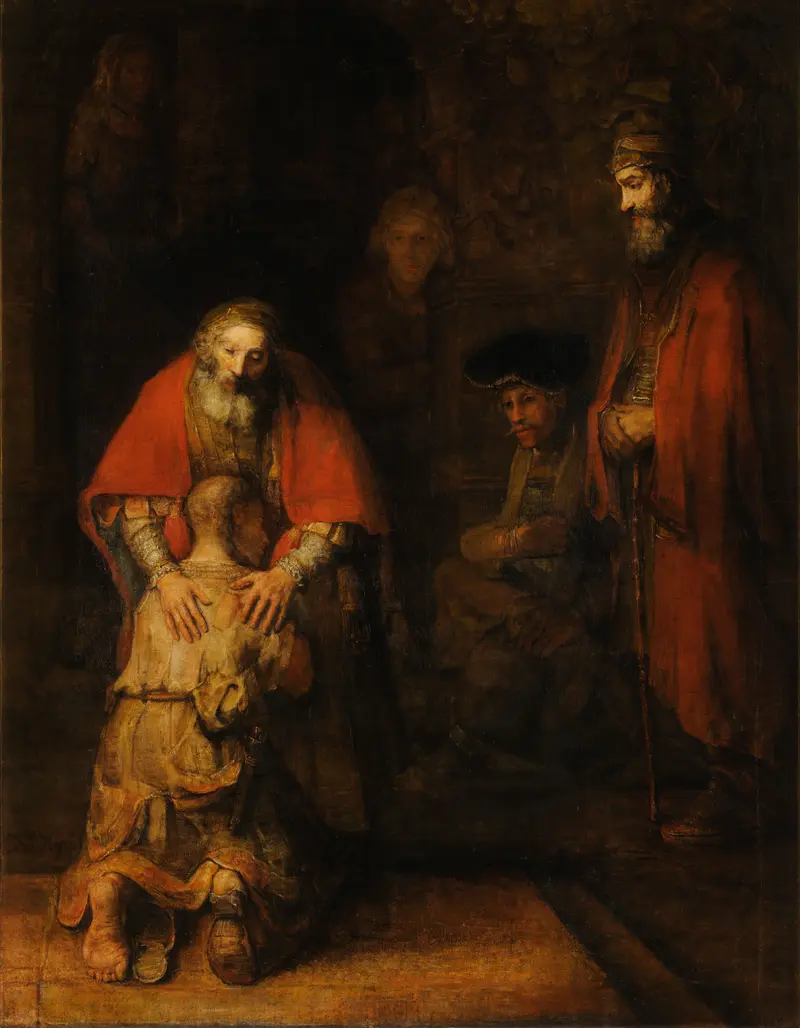
The Return of the Prodigal Son
Rembrandt van Rijn
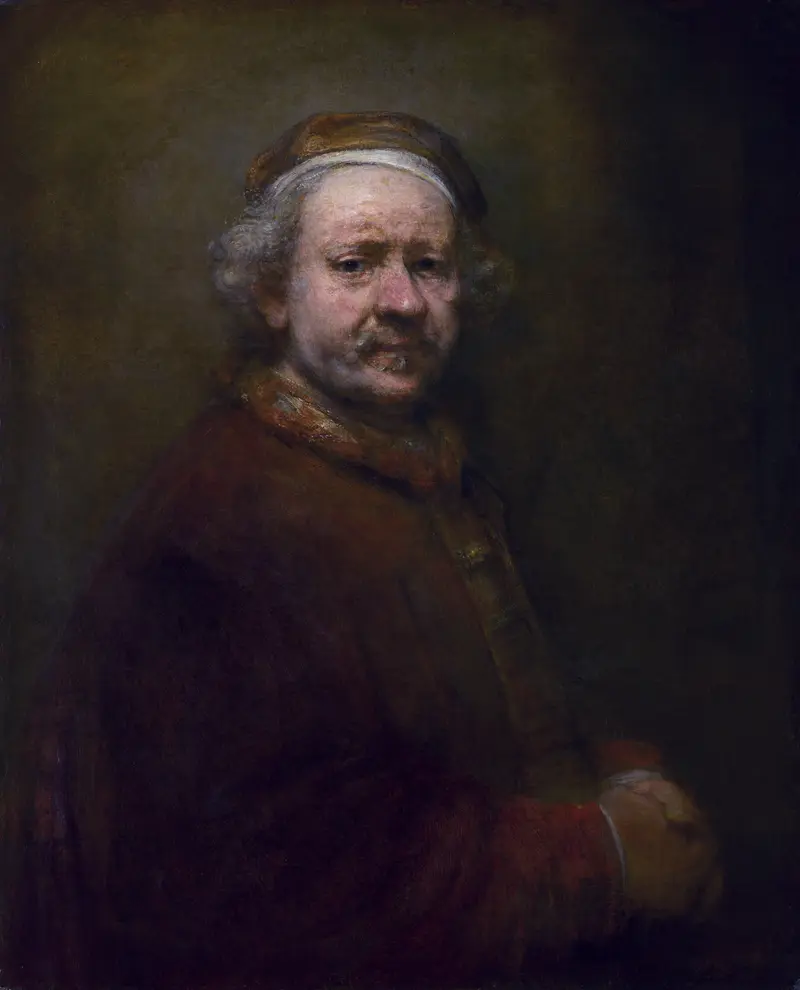
Self-Portrait at the Age of 63
Rembrandt van Rijn