An Interior of a Church — History & Facts
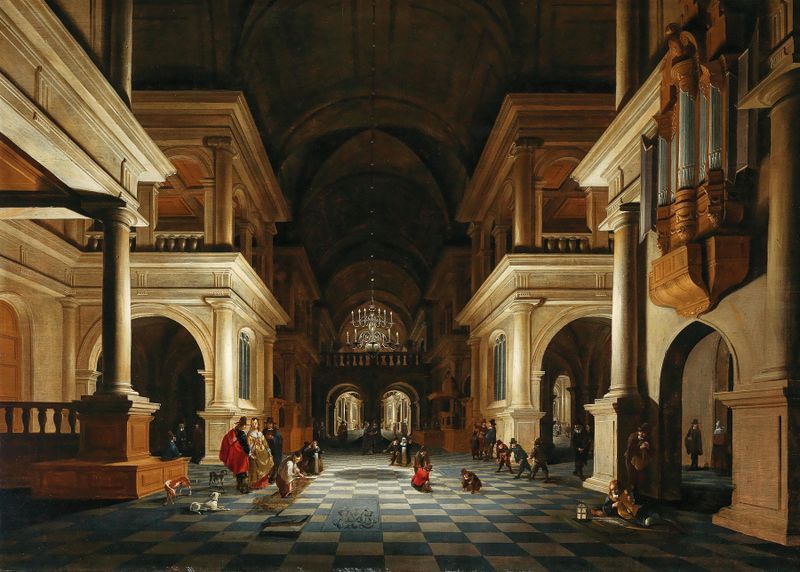
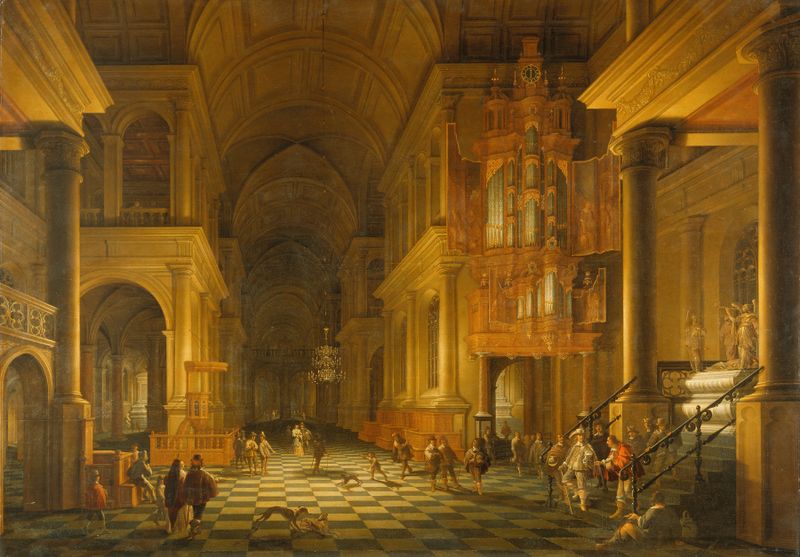
In the hushed sanctuary of an interior space, light filters through stained glass, casting colorful reflections upon worn stone. Each shadow and flicker offers a moment of transcendence, an invitation for contemplation in the heart of stillness. Look to the left at the intricate carvings adorning the altar, their delicate details contrasting with the austere walls. Notice how the light falls upon the pews, illuminating the quiet reverence of this sacred space.
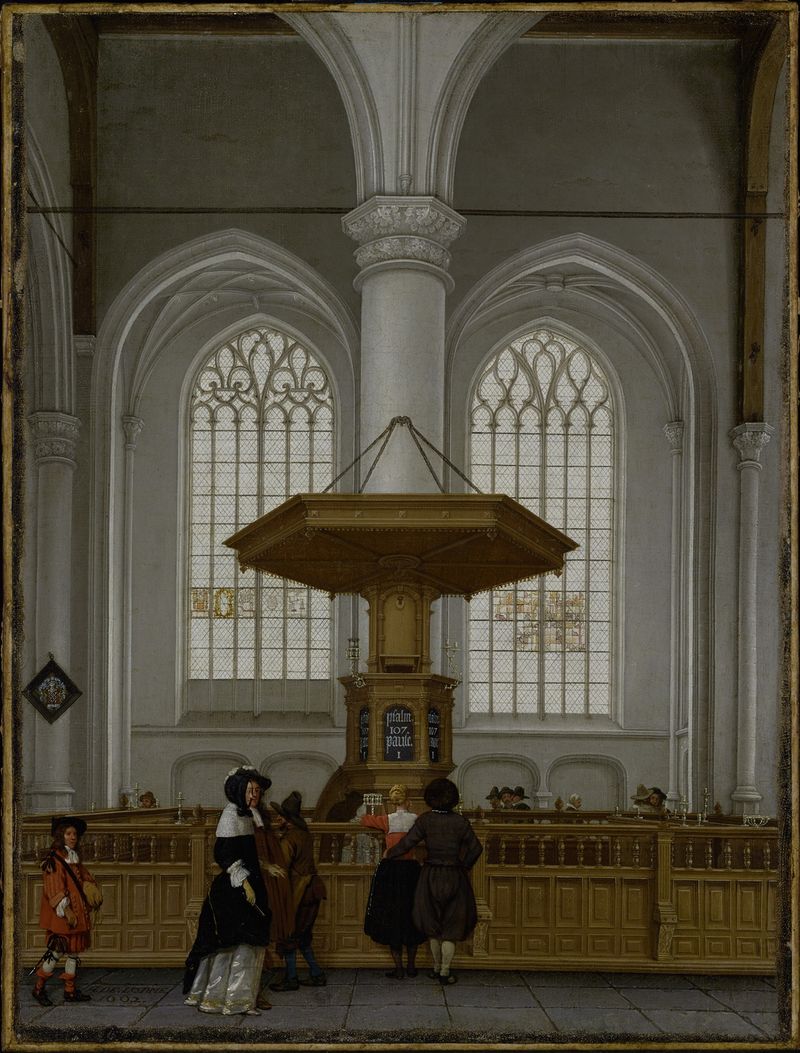
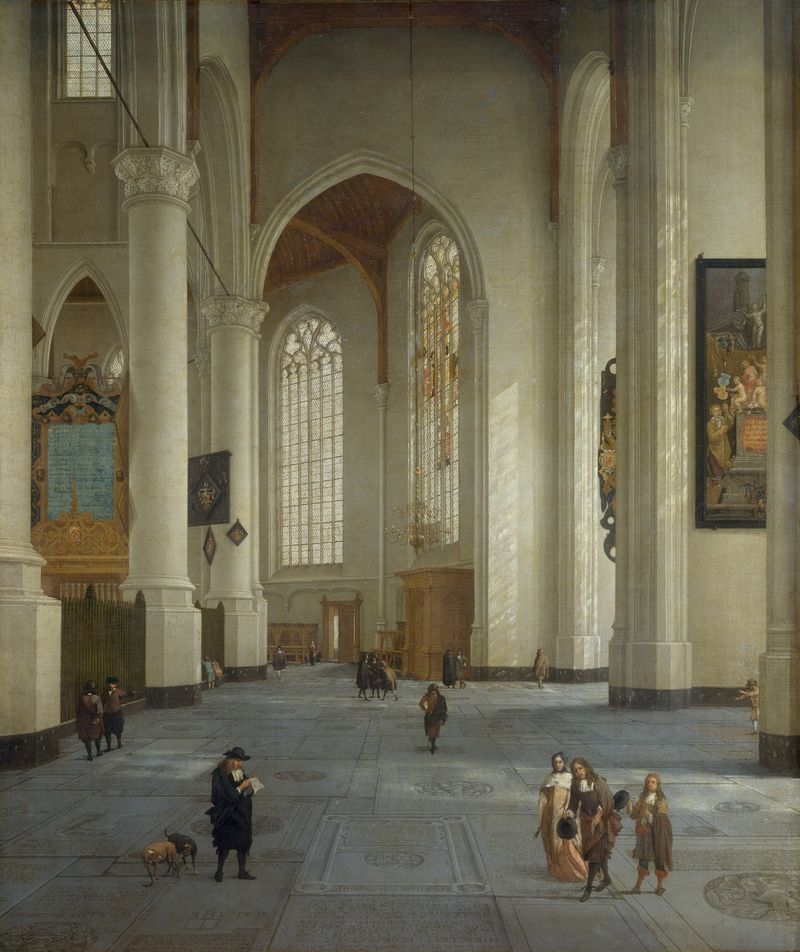
The artist employs a muted palette, rich browns and soft golds, to evoke a sense of warmth and solace, guiding the viewer’s gaze deeper into the church’s architectural grandeur. As your eye travels through the composition, consider the interplay of light and shadow, representing the duality of the divine and the earthly. The open spaces invite a feeling of spaciousness, while the gathering shadows hint at the unseen, a reminder of the mysteries that lie within faith. Each figure, seemingly lost in prayer or reflection, embodies an emotional tension between solitude and community, evoking a sacred intimacy. Created in 1650, this piece emerged during a pivotal moment in the Netherlands, as artists began to explore spiritual themes amidst the backdrop of the Protestant Reformation.
Anthonie de Lorme, influenced by the Baroque style, captured not just the architectural beauty but the essence of worship, providing a glimpse into the spiritual life of his era. This work stands as a testament to the enduring power of faith, inviting viewers to pause and reflect on their own journeys.