Interior of the Laurenskerk at Rotterdam — History & Facts
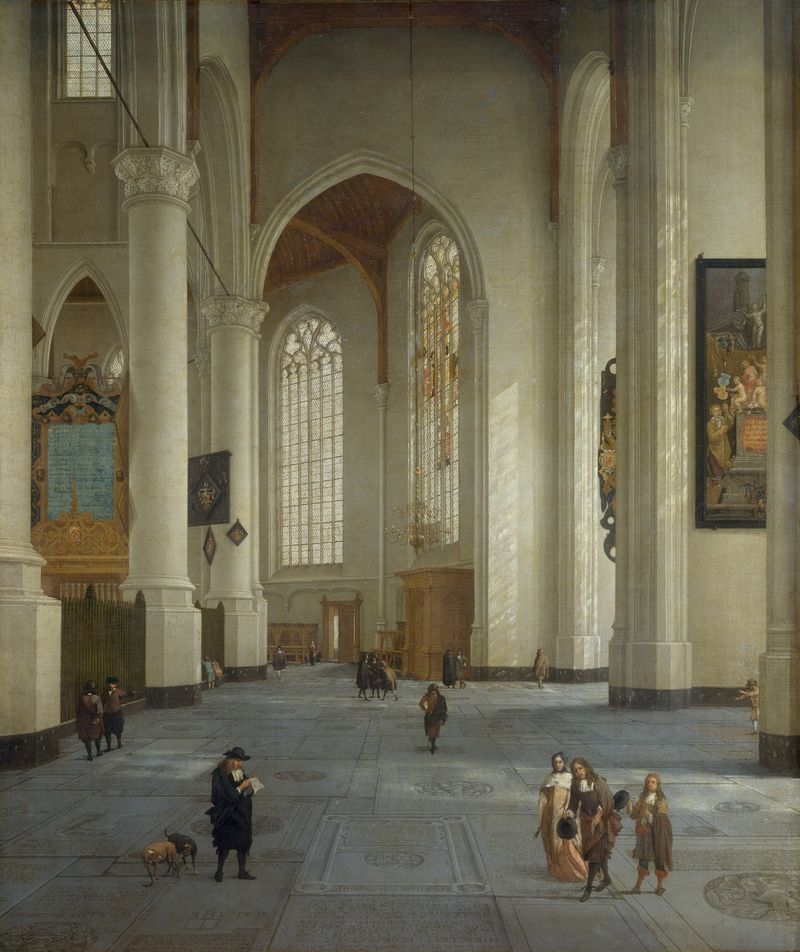
Can beauty exist without sorrow? The interplay of light and shadow within sacred spaces suggests that divinity is often found at the intersection of joy and loss. Look to the left at the majestic columns that rise towards the vaulted ceiling, their intricate details drawing your gaze upward. Notice how the ethereal sunlight filters through the stained glass, casting a kaleidoscope of colors upon the cold stone floor, creating a tapestry of warmth in an otherwise solemn environment. The gentle play of light highlights the contrasting dark tones of the wood, while the subdued palette evokes a sense of tranquility that permeates the vastness of this architectural marvel. Within the church's vast expanse, the serene atmosphere offers solace, yet there is an undercurrent of tension—an echo of prayers and whispers that have lingered in the air over centuries.
Each pew, empty yet inviting, stands as a testament to countless souls seeking refuge and connection. The harmonious balance between the grandeur of the structure and the subtleties of human presence evokes a poignant reflection on faith and solitude. Anthonie de Lorme created this depiction in 1662, a time when the Netherlands was experiencing a thriving period of artistic innovation. Working in Rotterdam, he captured the essence of the Laurenskerk at a moment when Protestantism was reshaping religious art, pushing for simplicity and spiritual clarity.
Amidst personal and societal change, this piece stands as a bridge between the past’s reverence and the present’s contemplations, showcasing the profound relationship between architecture, faith, and the human experience.