Interior of a Church Built in the Late-Renaissance Style — History & Facts
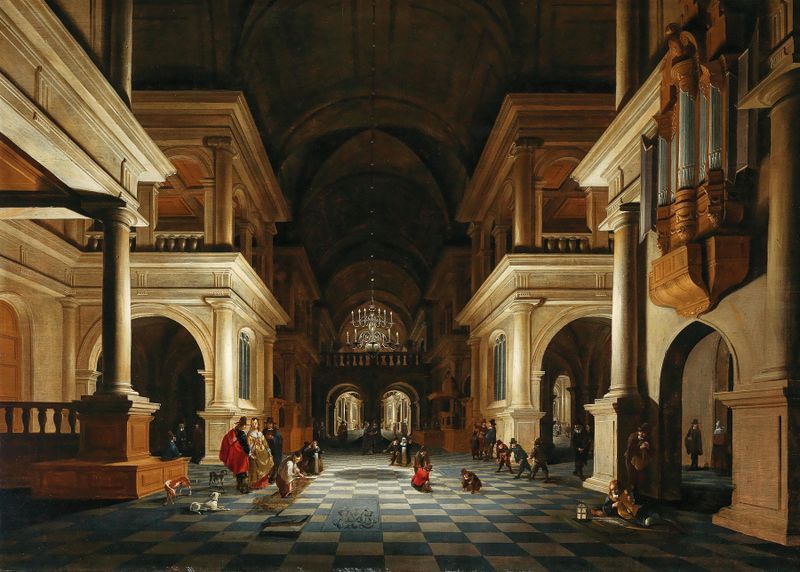
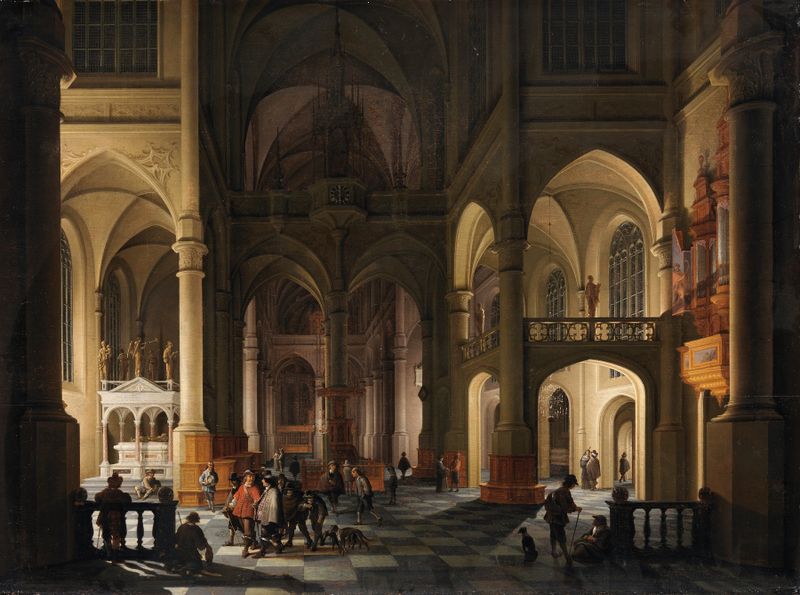
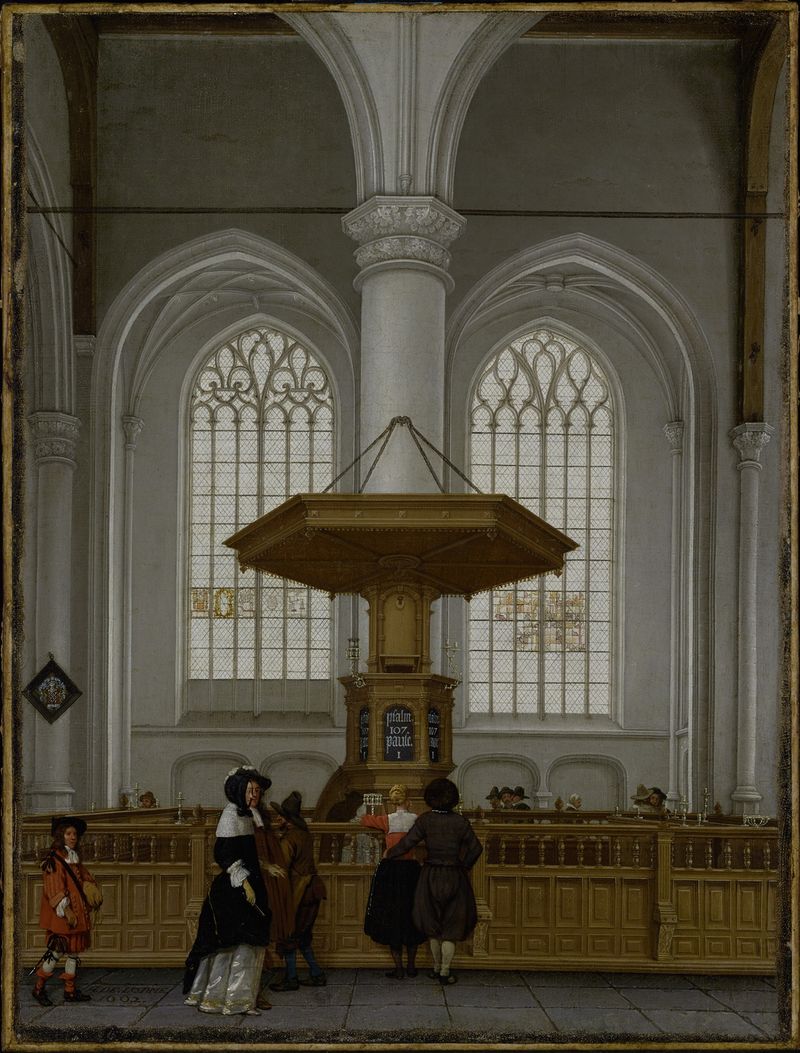
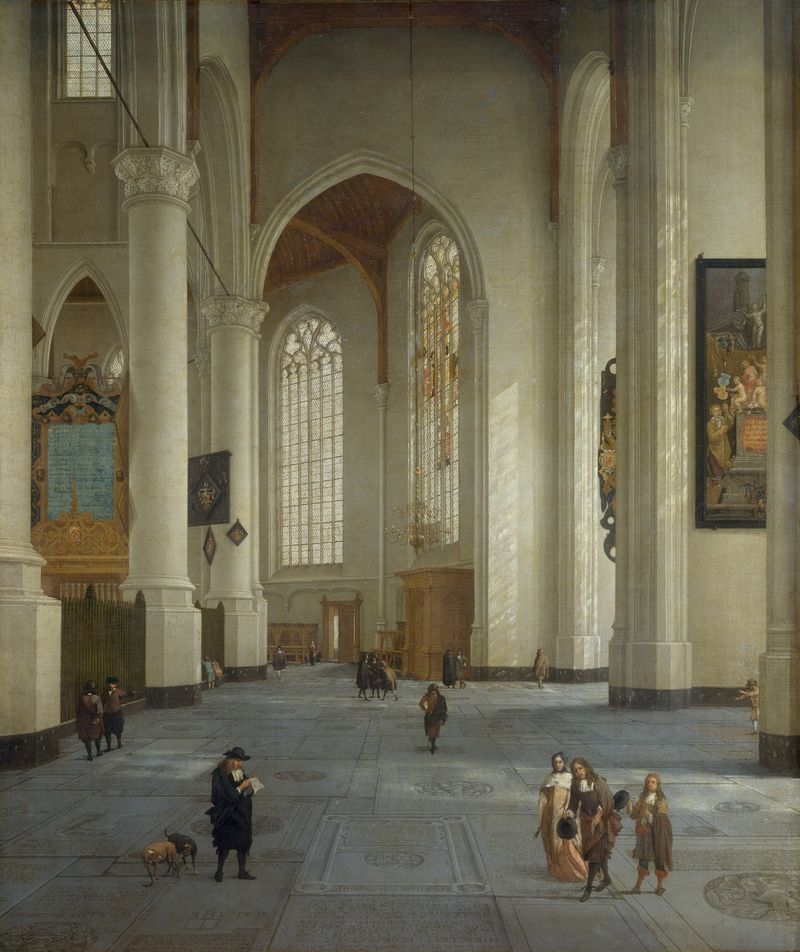
Who listens when art speaks of silence? Within the hushed confines of sacred architecture lies a profound chaos, a tension that invites reflection. Focus on the towering arches that stretch towards the heavens; they create a sense of grandeur that is both overwhelming and serene. The muted light pours through the stained glass, casting fractured colors that dance across the smooth stone floor. Notice how the deep shadows loom behind the pews, emphasizing the emptiness of the space, while the golden hues illuminate the intricately carved altar—a stark contrast that whispers of reverence amidst an underlying chaos. In the church's stillness, there exists a juxtaposition of faith and absence.
Echoes of prayers long forgotten seem trapped within the walls, each silent plea tangled with the vibrant colors splashed across the glass. The interplay of light and shadow serves as a reminder of life's dualities—hope and despair, presence and absence—capturing both the sanctity and solitude of spiritual devotion. Created in 1646, this work emerged from the brush of Anthonie de Lorme during a period of religious fervor and artistic transformation. Situated within the context of the late Renaissance, his focus on interior spaces reflected the era's search for divine beauty amidst the complex realities of life.
At this time, art was evolving to embrace the baroque style, yet de Lorme retained a measured approach, honoring tradition while quietly interrogating the nature of spirituality itself.