
An Old Chapel in a Valley — History & Facts
When did color learn to lie? In the hands of the master, it whispers secrets, evoking the very breath of life within stillness. Look to the center of the canvas, where the chapel stands, framed by the lush greens and earthy browns of the valley. The rustic structure, with its rugged stones and humble steeple, commands attention against the backdrop of towering trees. Notice how the light filters through the leaves above, casting dappled shadows that dance upon the ground, creating a sense of movement that belies the serene atmosphere.
The color palette is rich yet subtle, with deep greens that evoke the tranquility of nature and warm earth tones that ground the viewer in reality. Yet beneath this serene exterior lies a tension between the natural world and human presence. The chapel acts as a bridge between the sacred and the mundane, suggesting a quiet reverence amid nature's grandeur. The juxtaposition of the sturdy architecture against the soft, flowing landscape hints at a harmony that is both fragile and resilient.
The brushwork is expressive, conveying an almost palpable energy, as if the scene is alive, breathing with the pulse of the valley itself. Created in 1835, this piece reflects Rousseau's deep connection to the Barbizon School's ideals, emphasizing a return to nature and the quotidian. At this time, the artist was exploring the interplay of light and shadow, striving to capture the essence of the landscape around him. His commitment to realism in nature stood in contrast to the more dramatic Romantic tendencies of his contemporaries, marking a pivotal moment in the evolution of landscape painting.
More Artworks by Théodore Rousseau
Browse all →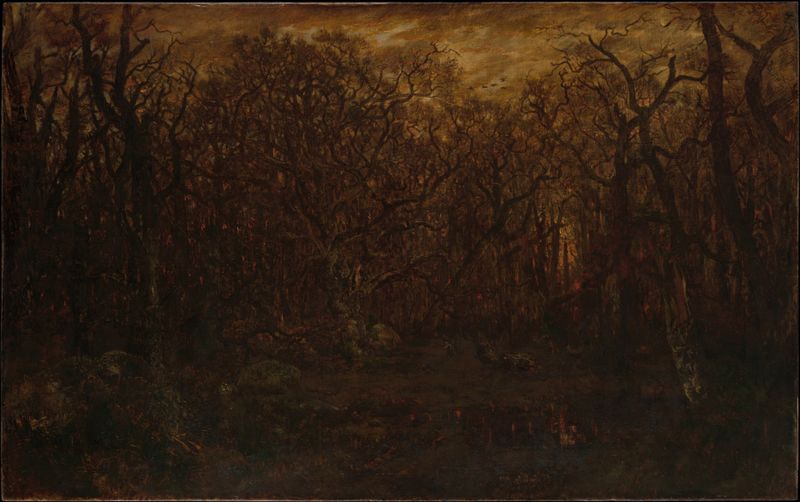
The Forest in Winter at Sunset
Théodore Rousseau
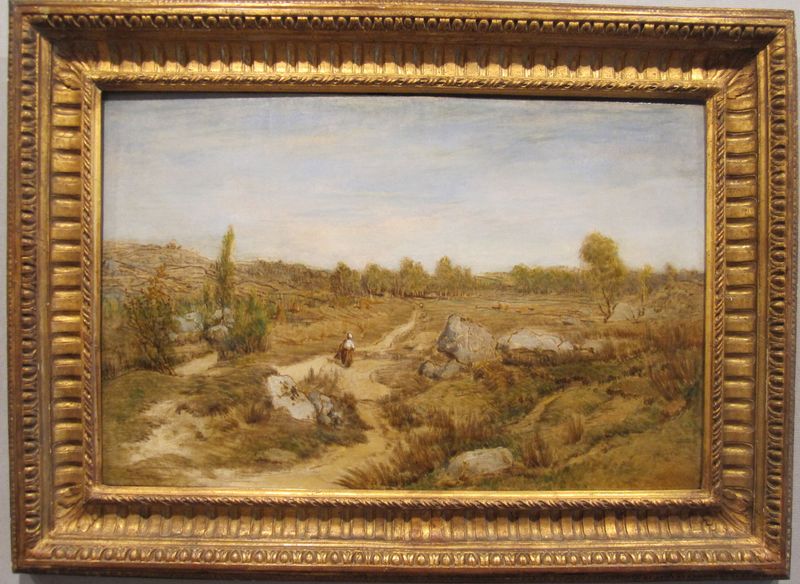
Valley of the Rouars in the Gorges d’Apremont
Théodore Rousseau
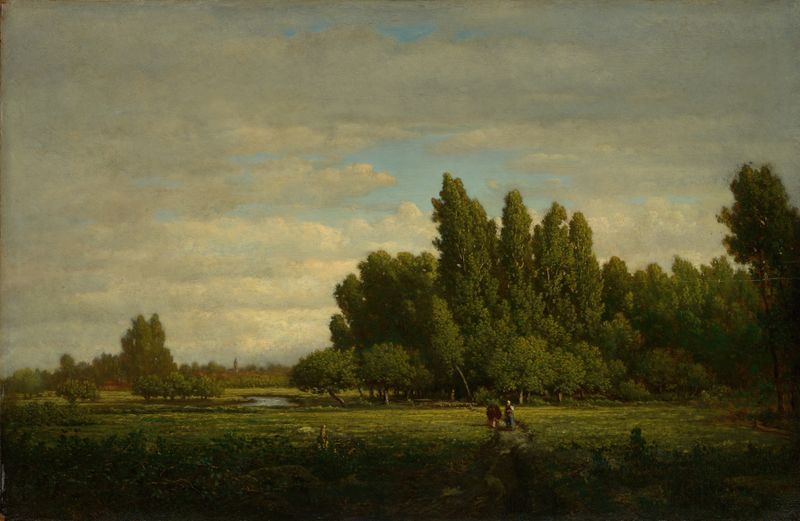
A Meadow Bordered by Trees
Théodore Rousseau
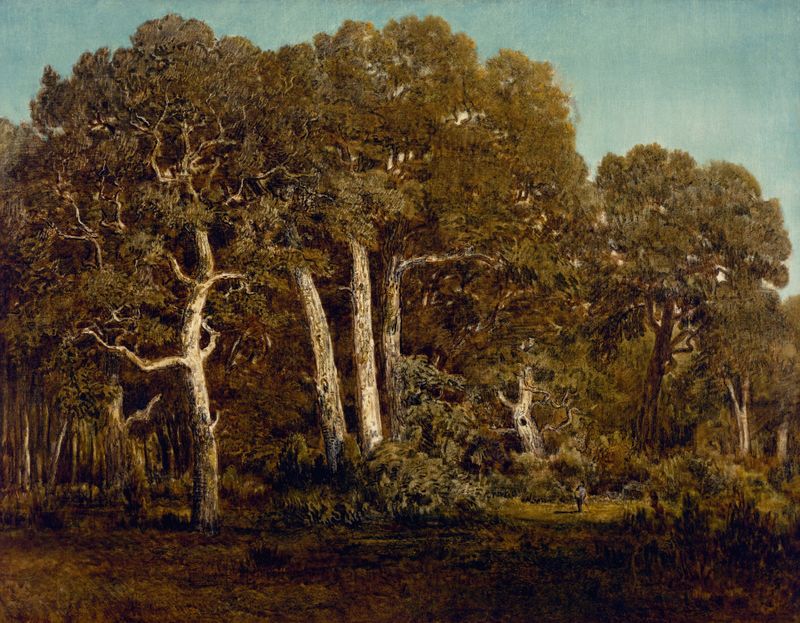
The Great Oaks of Old Bas-Bréau
Théodore Rousseau
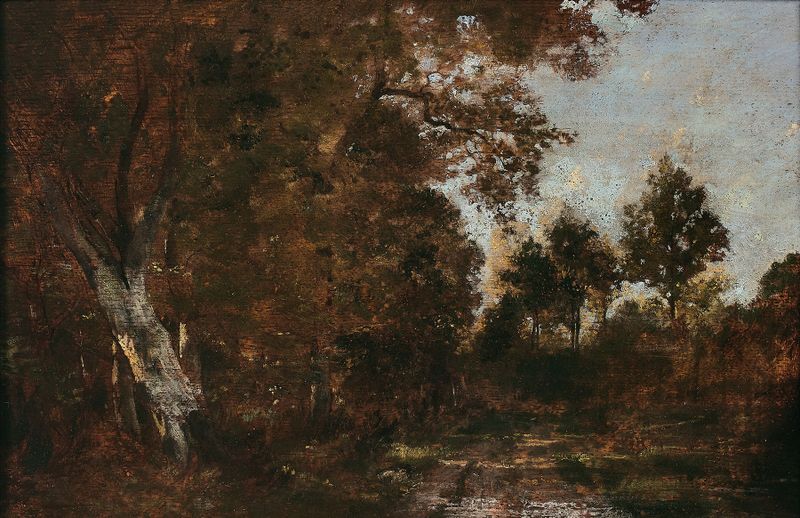
Paysage de sous-bois
Théodore Rousseau
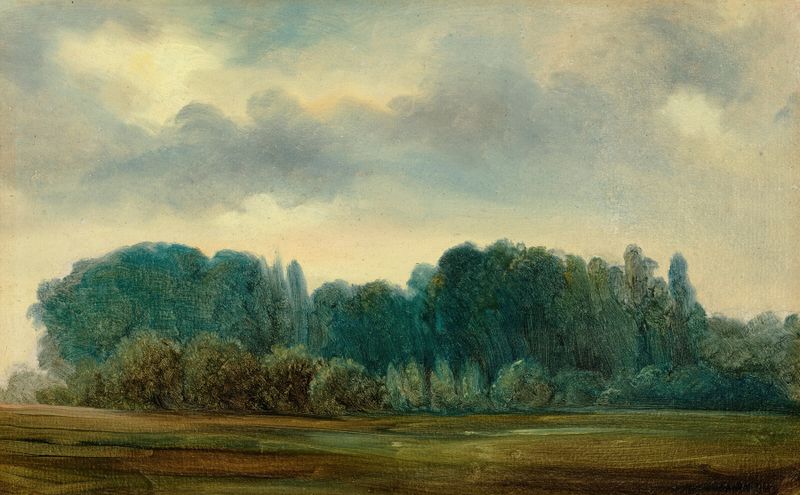
Paysage
Théodore Rousseau
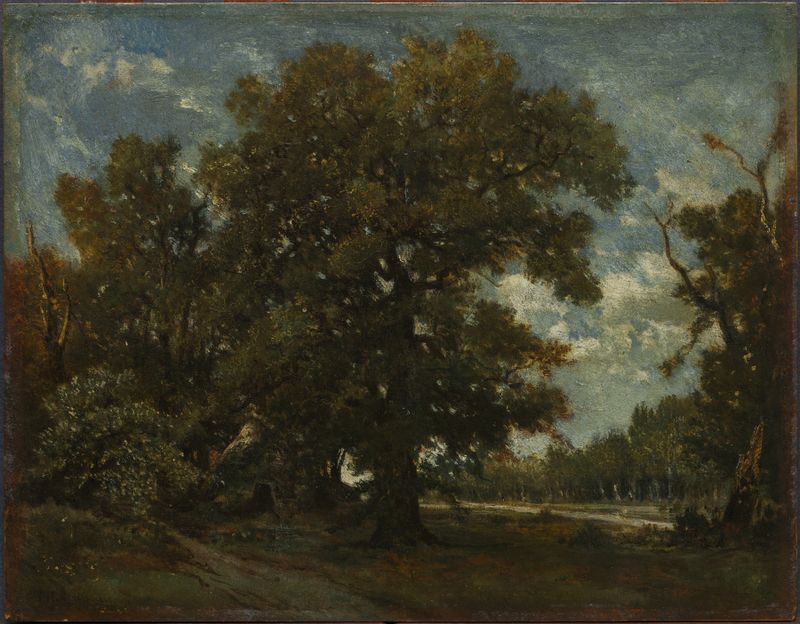
The Oak Tree
Théodore Rousseau
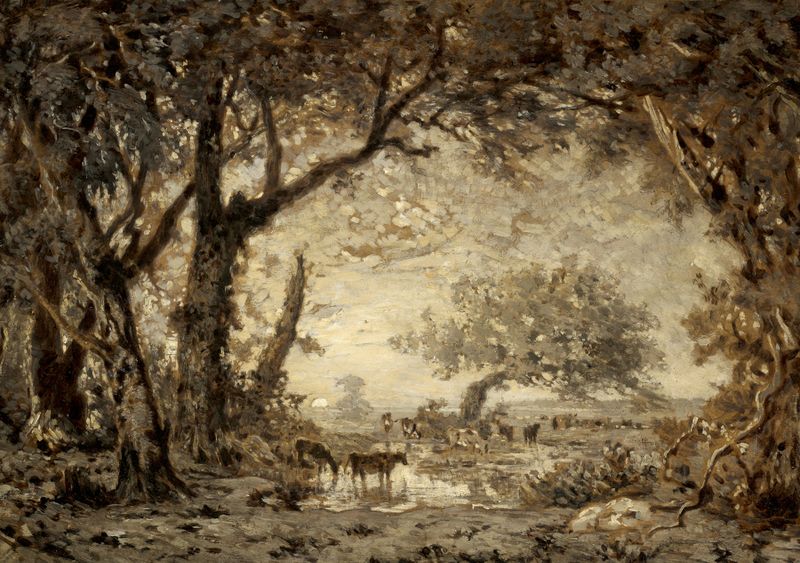
Sunset from the Forest of Fontainebleau
Théodore Rousseau
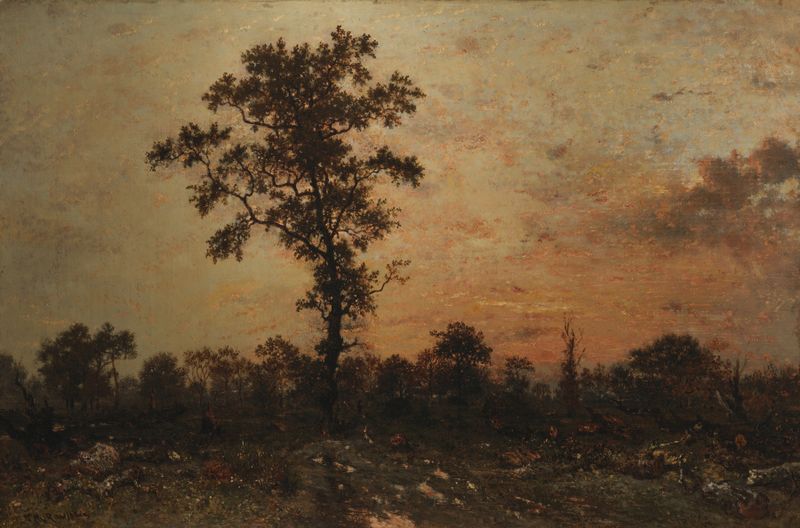
Edge of the Forest, Sun Setting
Théodore Rousseau
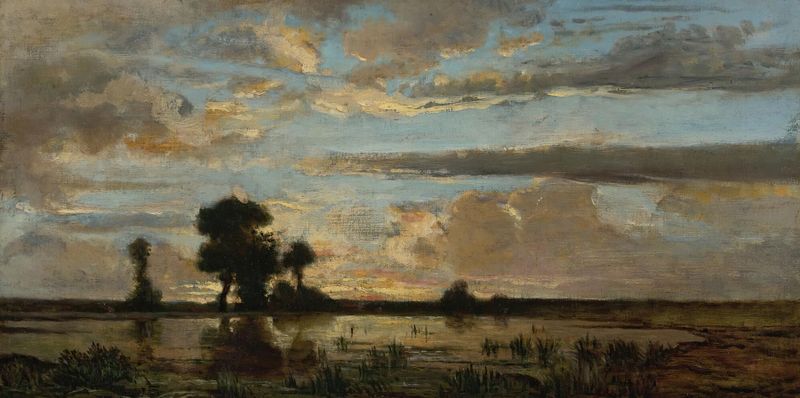
Soleil Couchant
Théodore Rousseau





