
An Unknown Man with His Daughter — History & Facts
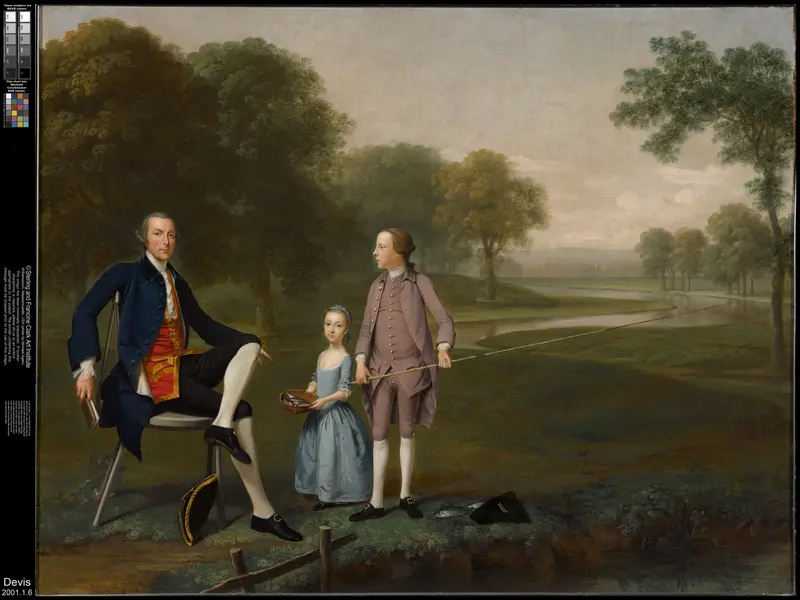
A sense of quiet formality hangs between the man and his daughter, their relationship delicately staged in the open air yet bound by the codes of mid-eighteenth-century portraiture. The father, dressed in sober black with a powdered wig, leans thoughtfully against a stone balustrade, his hand to his cheek in a gesture that hints at both contemplation and a touch of theatricality. By his side, the young girl stands upright, her pale dress and flower basket catching the softest light, her gaze steady and composed.
The artist, Arthur Devis, arranges them not as an intimate family scene but as figures in a genteel tableau, each detail—the lace cuffs, the careful posture, the distant landscape—serving to announce their place in society and their aspirations. This kind of double portrait flourished in Britain between 1746 and 1748, the years when this work was created, as families sought to display their lineage and refinement through art. Painters like Devis specialized in these quiet, mannered conversations between sitters and their surroundings, often placing them in imagined gardens or terraces that spoke as much of taste as of reality. Such paintings were typically commissioned by the rising middle classes, eager to claim a visual legacy in an era when social mobility was on the rise.
Though the identities of this man and his daughter are lost to history, their carefully orchestrated presence invites us to imagine the ambitions and affections that shaped their world—an invitation to linger over every fold of fabric and every shadow on the lawn.
More Artworks by Arthur Devis
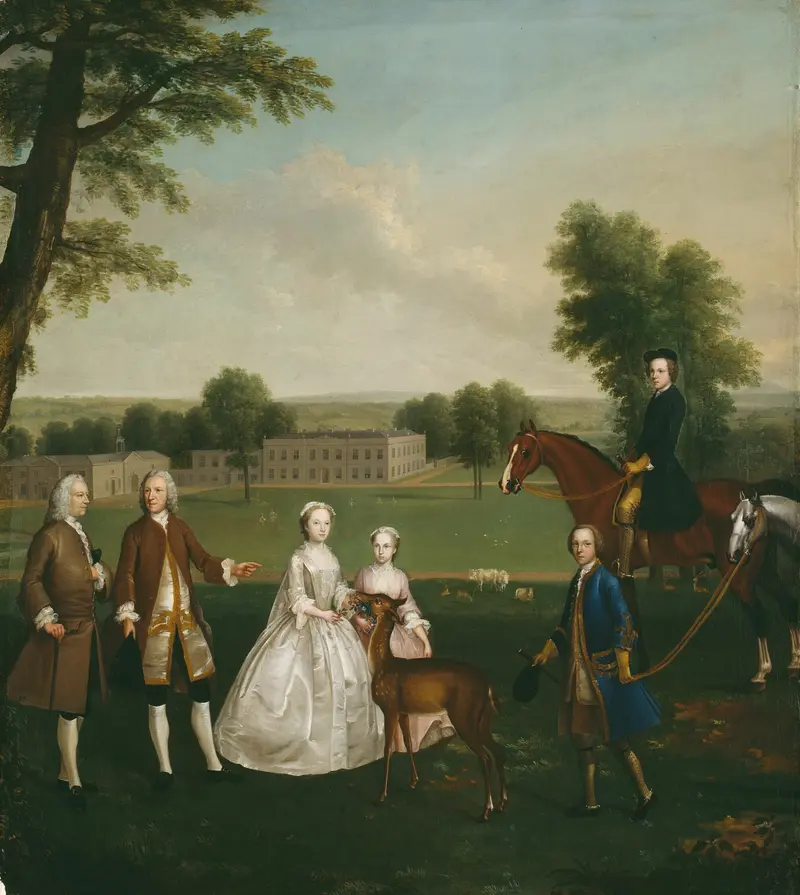
Thomas Lister and Family at Gisburne Park
Arthur Devis

Sir John Shaw and his Family in the Park at Eltham Lodge, Kent
Arthur Devis
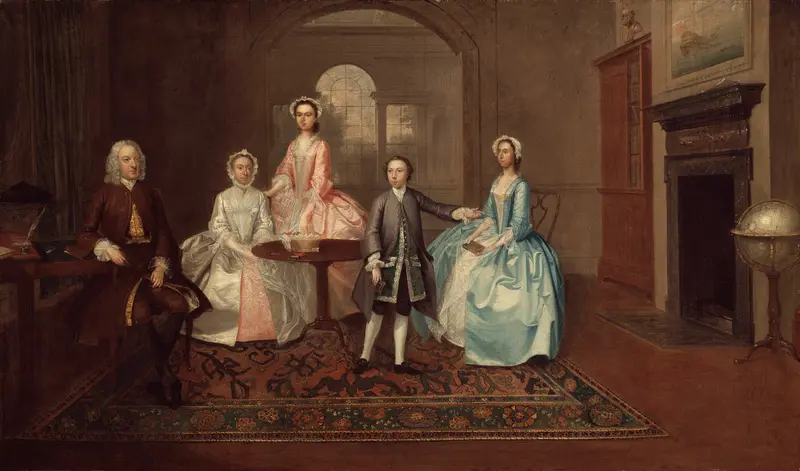
John Thomlinson and His Family
Arthur Devis
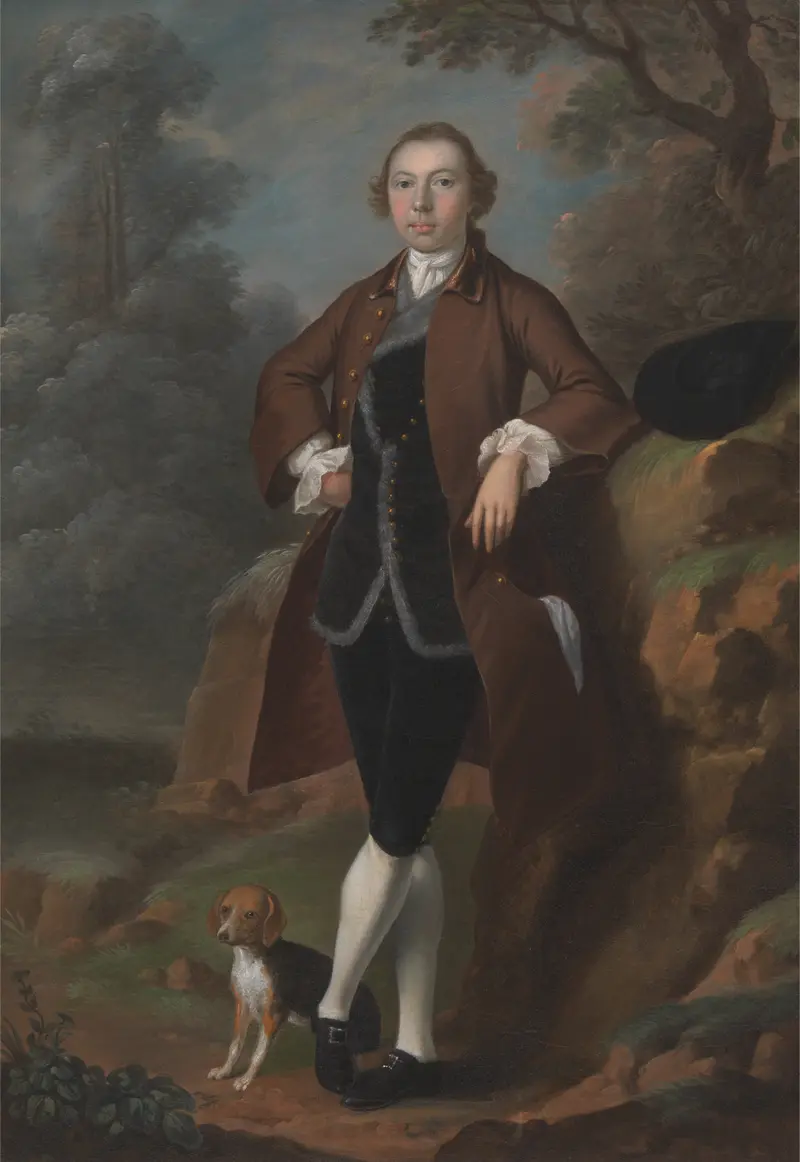
William Farington of Shawe Hall, Lancashire
Arthur Devis
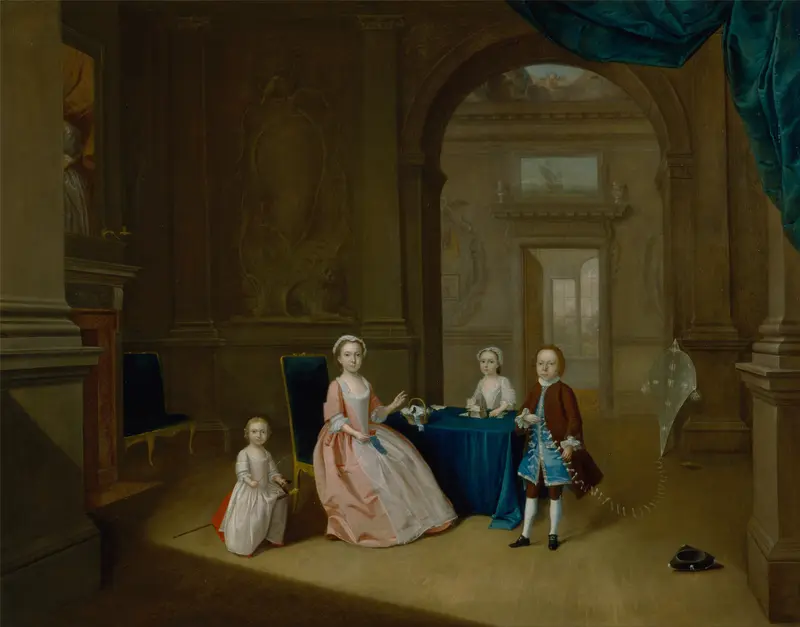
Children in an Interior
Arthur Devis
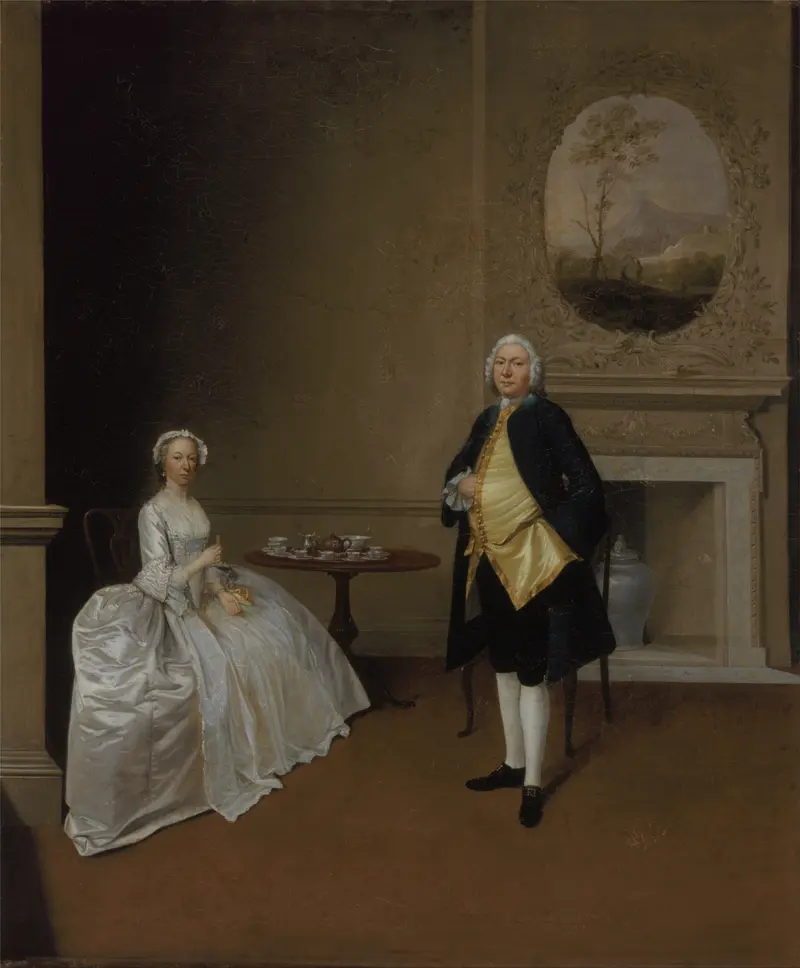
A Couple, Traditionally Identified as Mr. and Mrs. Hill
Arthur Devis
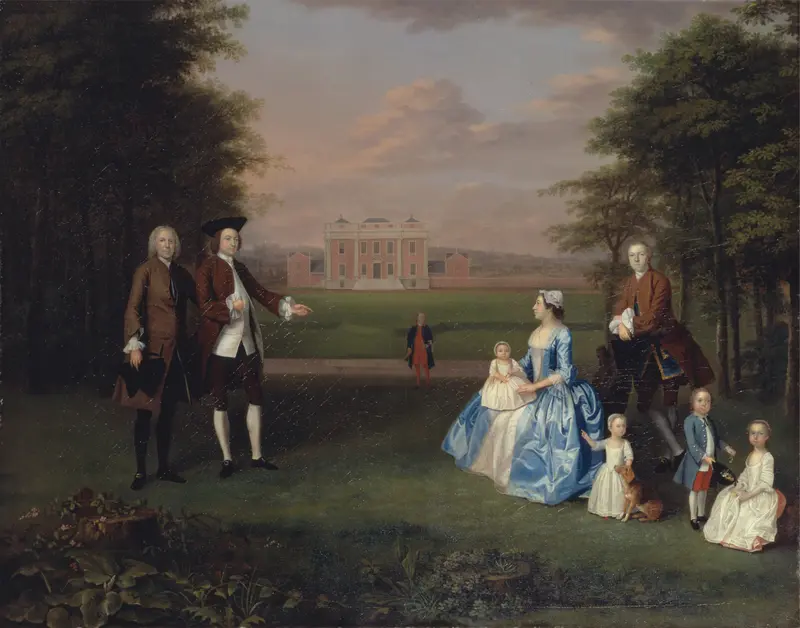
Robert Gwillym, Elizabeth Gwillym (née Atherton), and Their Family
Arthur Devis
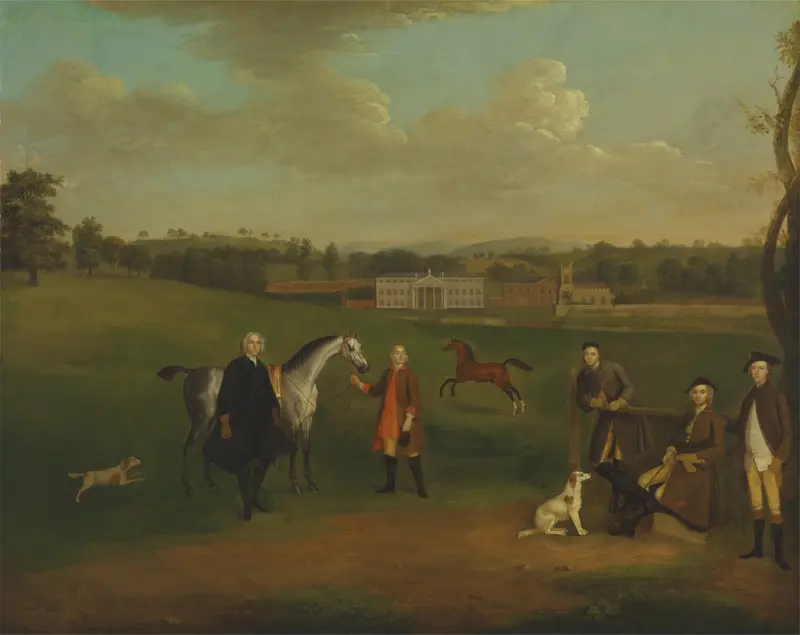
Leak Okeover, Rev. John Allen and Captain Chester at Okeover Hall, Staffordshire
Arthur Devis
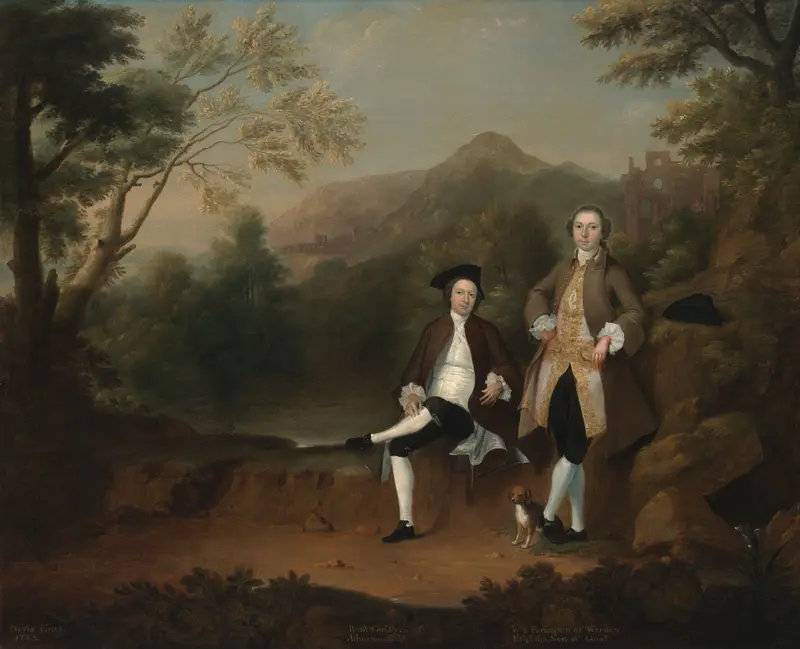
Robert Gwillym of Atherton and William Farington of Werden
Arthur Devis
Richard Moreton, Esq. of Tackley with His Nephew and Niece John and Susanna Weyland
Arthur Devis





