
William Farington of Shawe Hall, Lancashire — History & Facts
The crisp self-possession of the young man in William Farington of Shawe Hall, Lancashire draws the viewer in before a word is spoken. His stance, with one hand confidently at his hip and the other resting on a mossy rock, signals a world of inheritance and expectation. The light falls directly on his face and chest, picking him out from the misty, wooded landscape behind—a stage for his social identity.
At his feet, a small dog gazes outward, a loyal companion and a symbol of landed leisure. The hat, set aside on the rock, suggests a pause in some outdoor pursuit, but nothing in his expression hints at distraction; this is a portrait of someone entirely at home in his world. Works like this, painted in mid-18th century England, were often commissions from families eager to assert their place in the rural gentry. The year circa 1743 places this painting at a time when artists like Arthur Devis specialized in such genteel likenesses, blending portraiture with landscape to root their subjects in both family and estate.
These paintings were less about capturing a fleeting moment and more about constructing a lasting image of status, taste, and control. History has kept few traces of the specific stories behind many such portraits, but their careful balance of costume, gesture, and setting continues to invite us to read between the lines—and to imagine the lives that once filled these shoes.
More Artworks by Arthur Devis
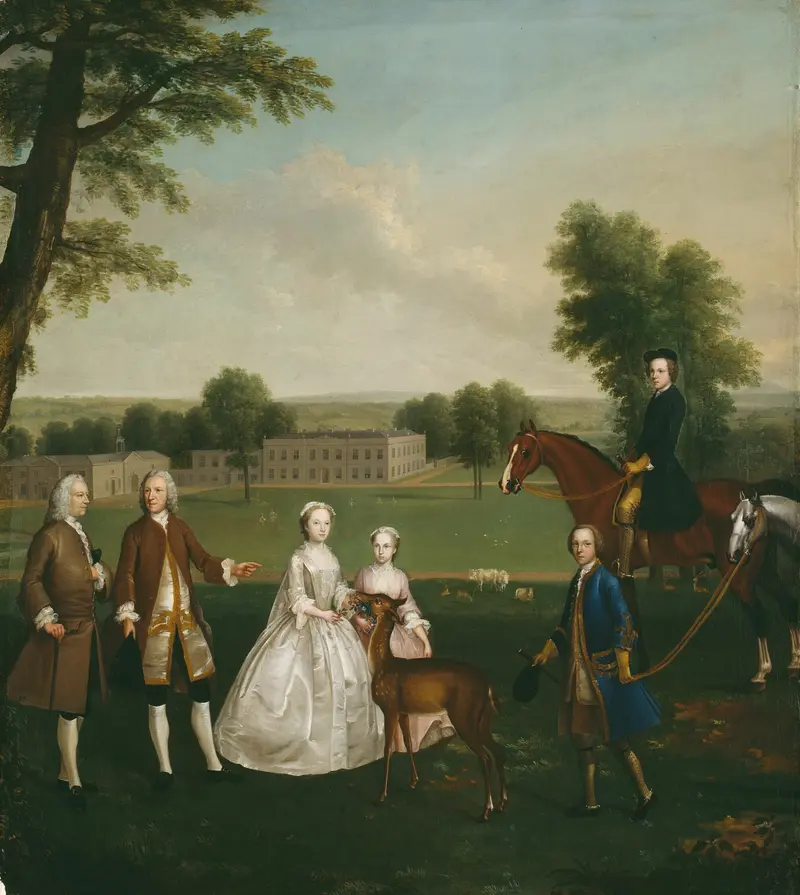
Thomas Lister and Family at Gisburne Park
Arthur Devis

Sir John Shaw and his Family in the Park at Eltham Lodge, Kent
Arthur Devis
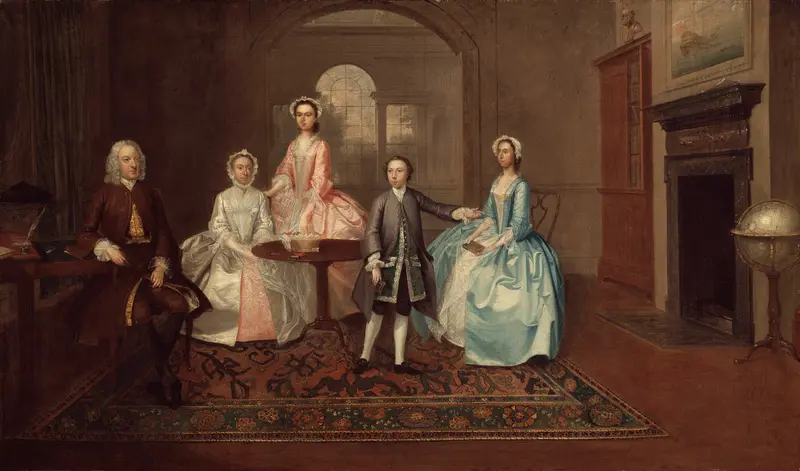
John Thomlinson and His Family
Arthur Devis
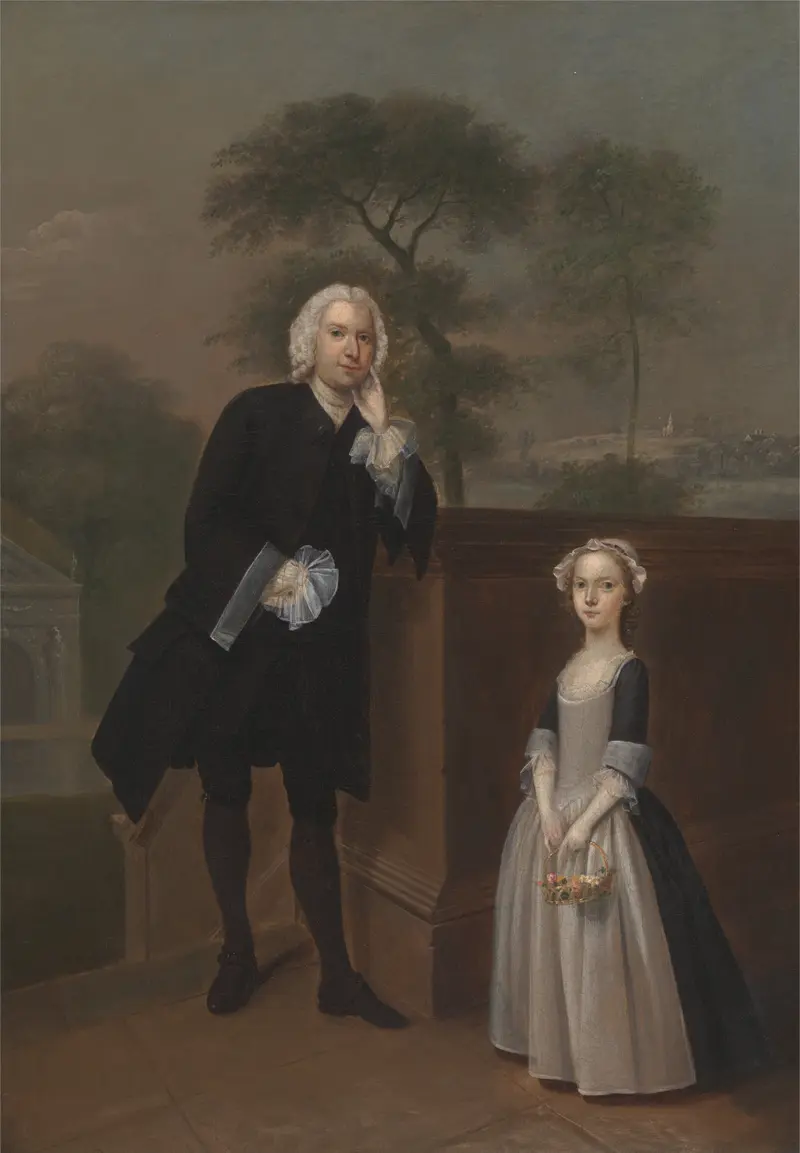
An Unknown Man with His Daughter
Arthur Devis
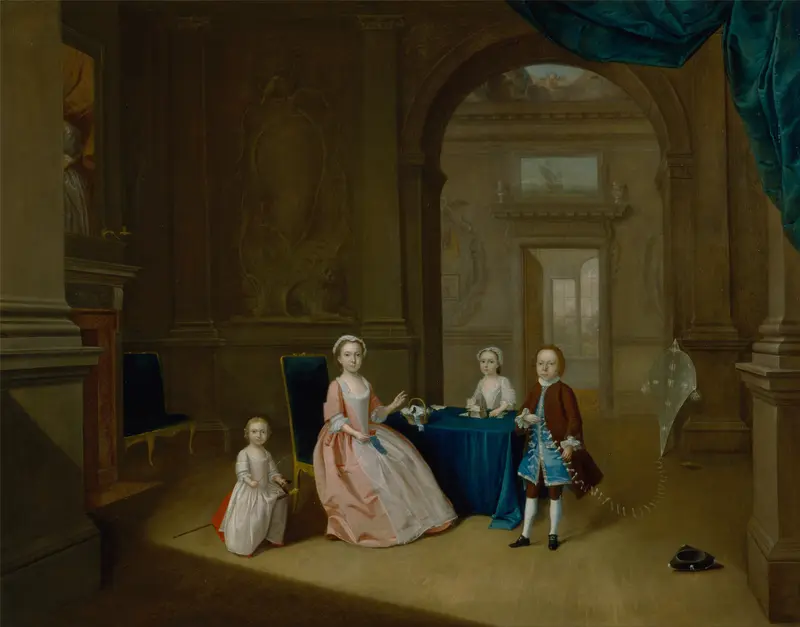
Children in an Interior
Arthur Devis
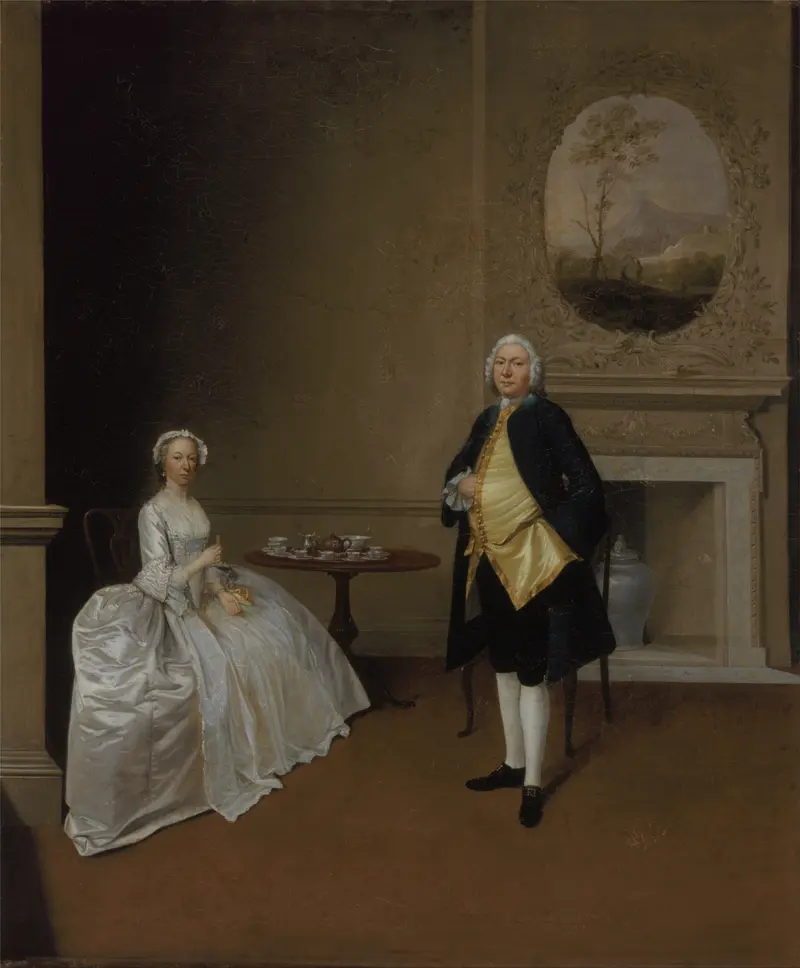
A Couple, Traditionally Identified as Mr. and Mrs. Hill
Arthur Devis
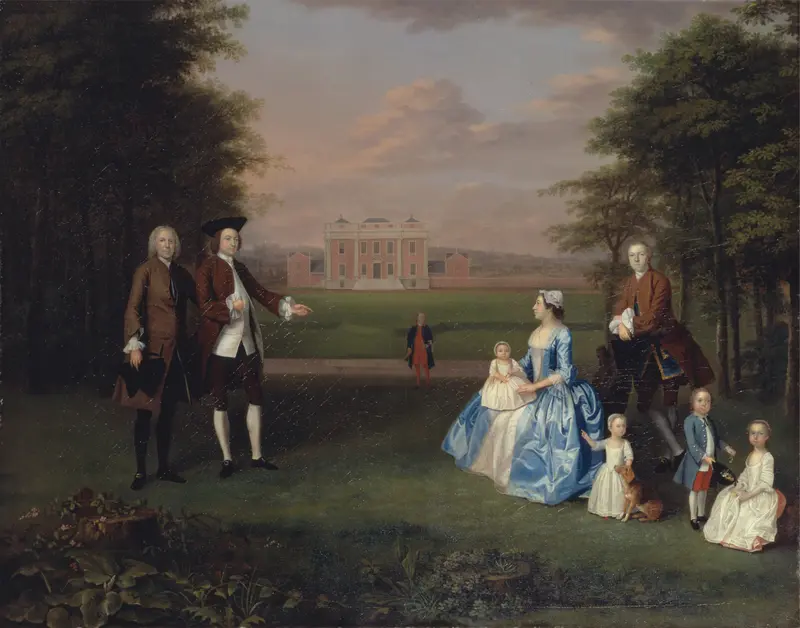
Robert Gwillym, Elizabeth Gwillym (née Atherton), and Their Family
Arthur Devis
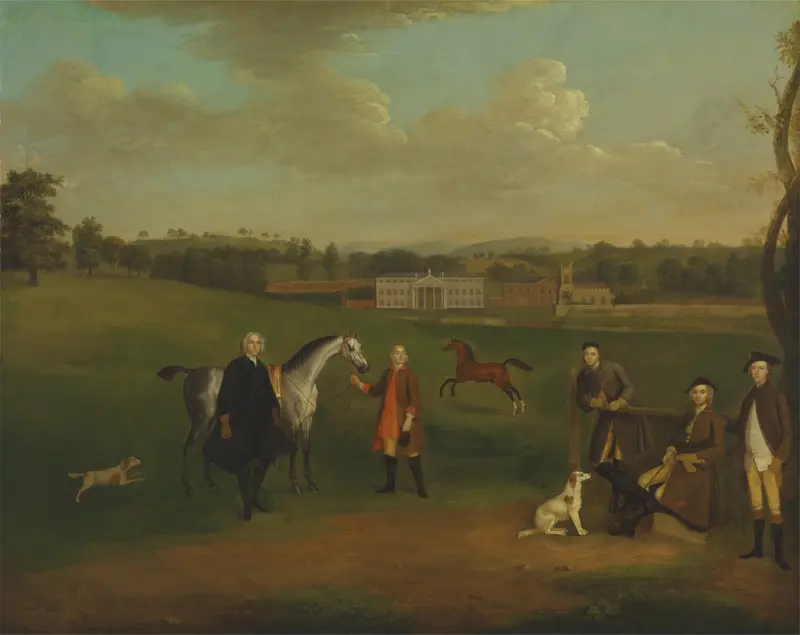
Leak Okeover, Rev. John Allen and Captain Chester at Okeover Hall, Staffordshire
Arthur Devis
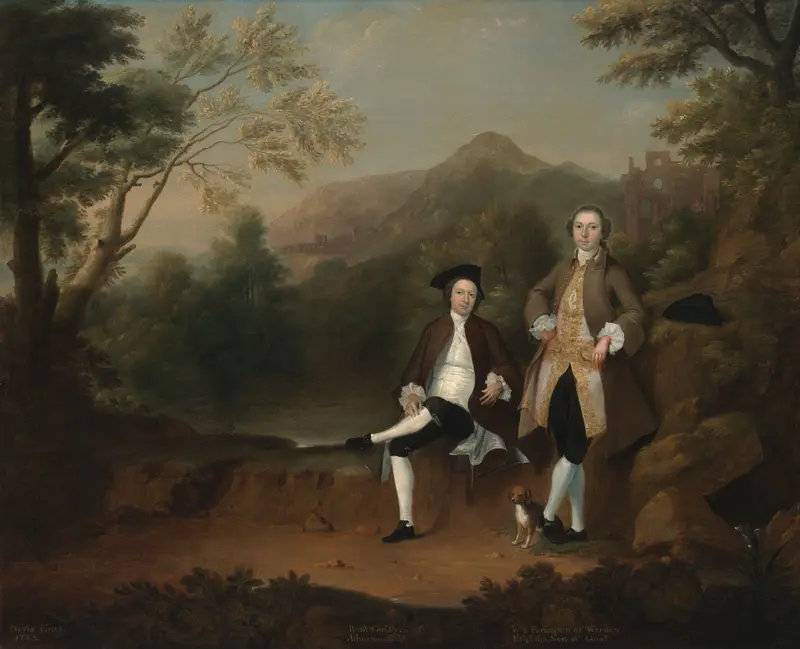
Robert Gwillym of Atherton and William Farington of Werden
Arthur Devis
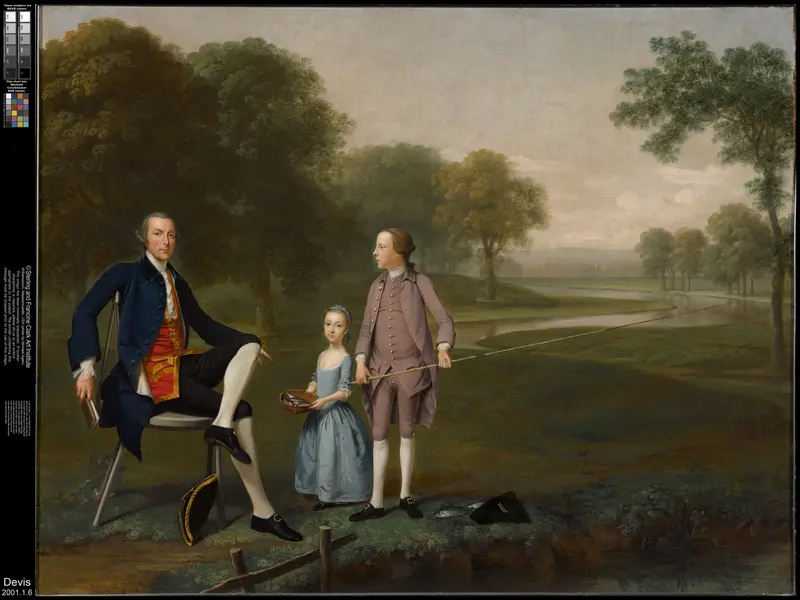
Richard Moreton, Esq. of Tackley with His Nephew and Niece John and Susanna Weyland
Arthur Devis





