
Ancient tombs in the vicinity of Albano — History & Facts
This profound reflection invites us into the depths of memory and truth, where the fragile remnants of the past come alive on canvas. Look closely at the weathered stones in the foreground; their surfaces are textured, almost whispering the secrets of ages long gone. The muted earth tones blend harmoniously with patches of verdant green, suggesting a landscape that has witnessed both decay and renewal. The soft, diffused light bathes the scene, enhancing the sense of timelessness as it caresses the ancient structures, hinting at stories buried beneath layers of history. As you delve deeper, notice how the juxtaposition of light and shadow creates a dialogue between the past and present.
The broken columns stand stoic, evoking feelings of loss and nostalgia, while the surrounding foliage suggests nature's resilience—an eternal witness to human endeavors. Each brushstroke captures not only the physical decay but also the emotional weight of memory, prompting the viewer to reflect on the transient nature of existence and the enduring truths enshrined within these ancient tombs. Arthur Blaschnik painted this work in 1880 while residing in Italy, a time when European art was immersing itself in historical themes and Romantic ideals. The artist, influenced by the archaeological discoveries of the era, sought to convey a sense of truth and authenticity in his depictions of classical ruins.
His exploration of memory through art resonates with the cultural zeitgeist, as society grappled with the remnants of its own expansive history amidst rapid modernization.
More Artworks by Arthur Blaschnik
Browse all →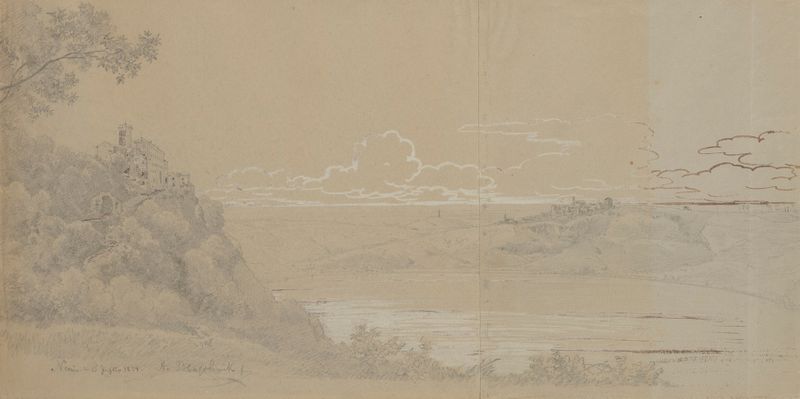
Palazzo Ruspoli by Lake Nemi, in the Distance the Town of Genzano di Roma
Arthur Blaschnik
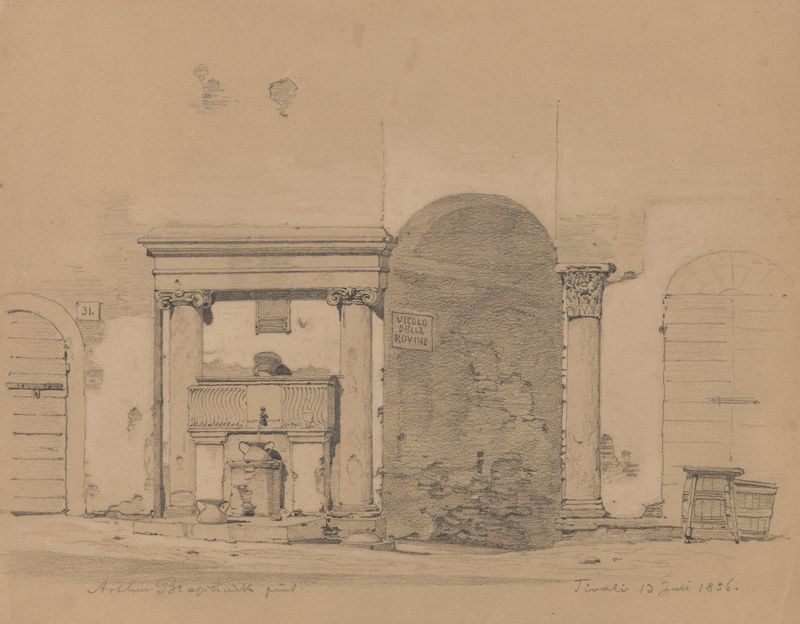
Gate Leading to Vicoli dei Grana near Piazza Palatina in Tivoli
Arthur Blaschnik
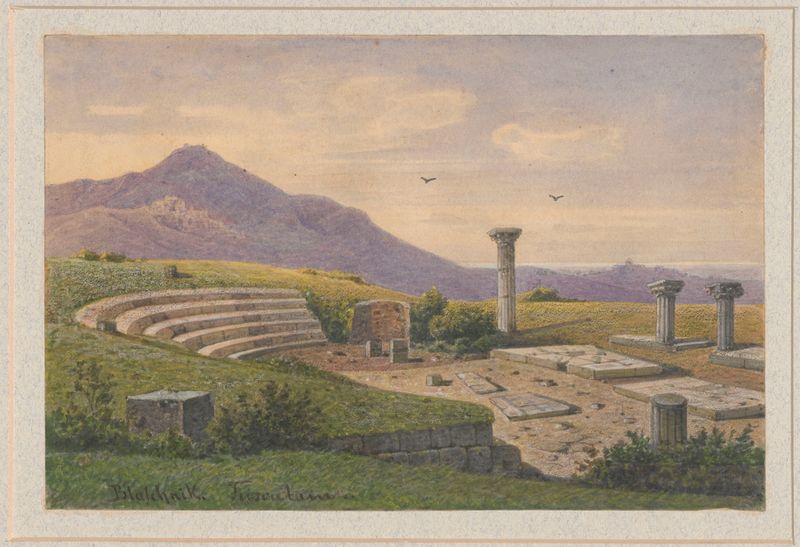
Amphitheatre in Tusculum
Arthur Blaschnik
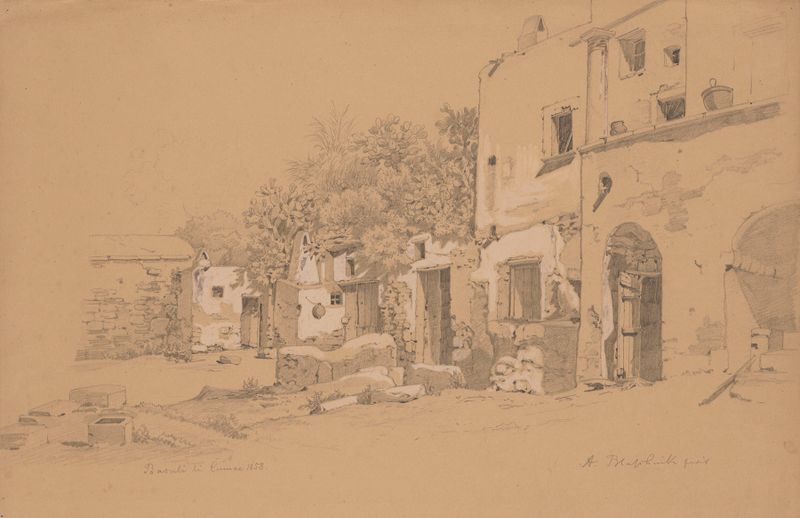
House and Outbuildings in Bacoli
Arthur Blaschnik
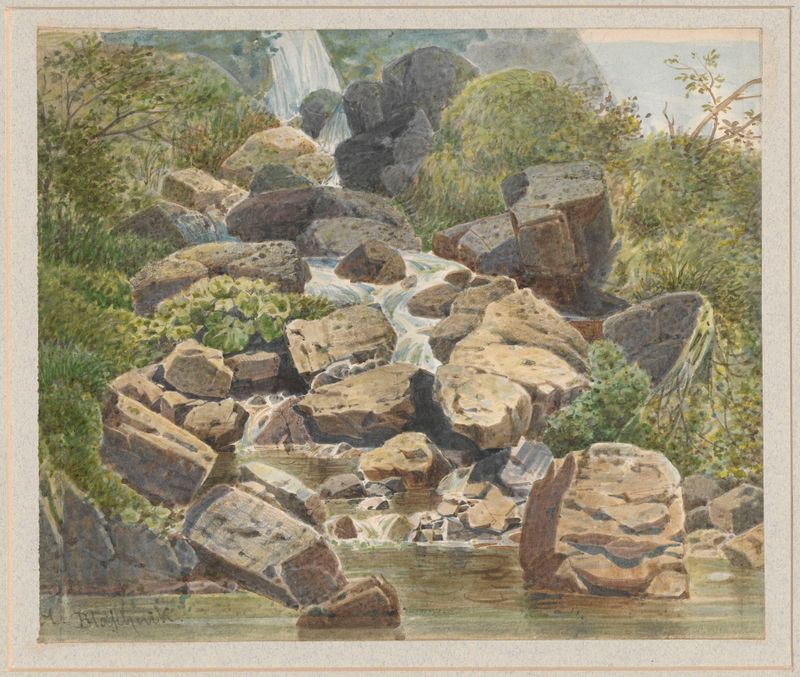
View of a small waterfall near Covigliaio, Tuscany
Arthur Blaschnik
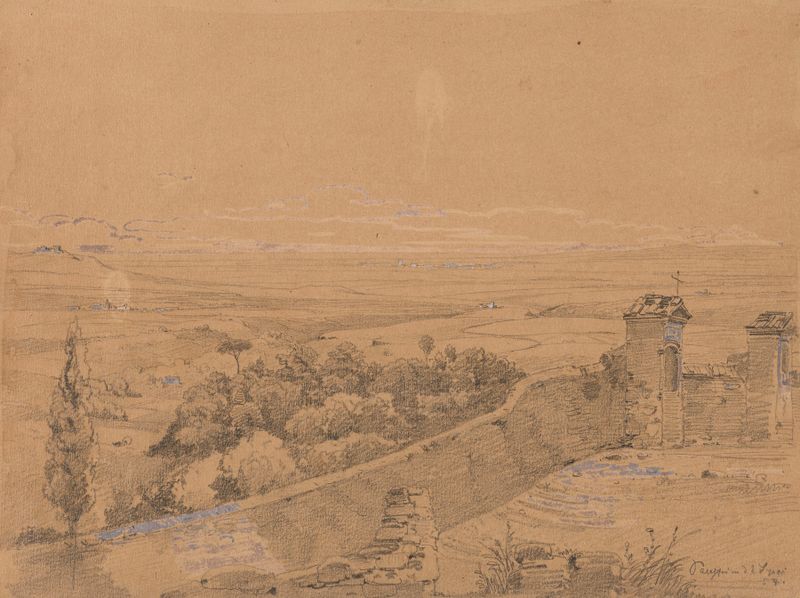
Landscape from the Vicinity of Palestrina
Arthur Blaschnik
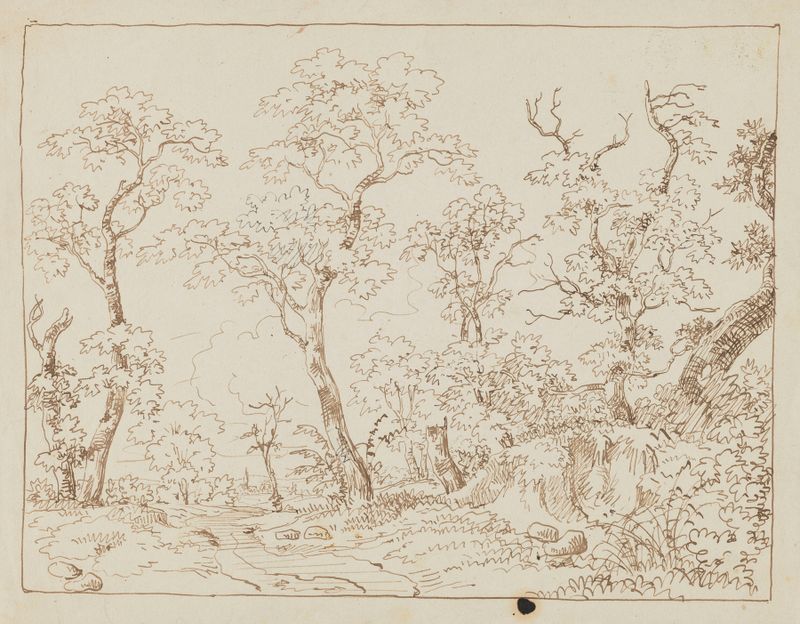
Studies of Trees, Landscape
Arthur Blaschnik
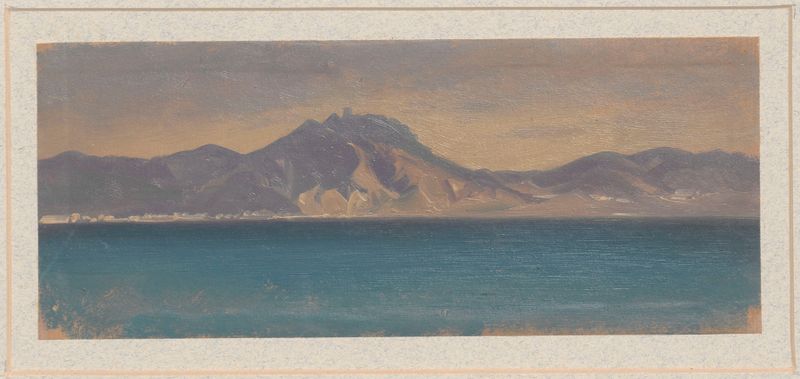
View of the Island of Capri
Arthur Blaschnik
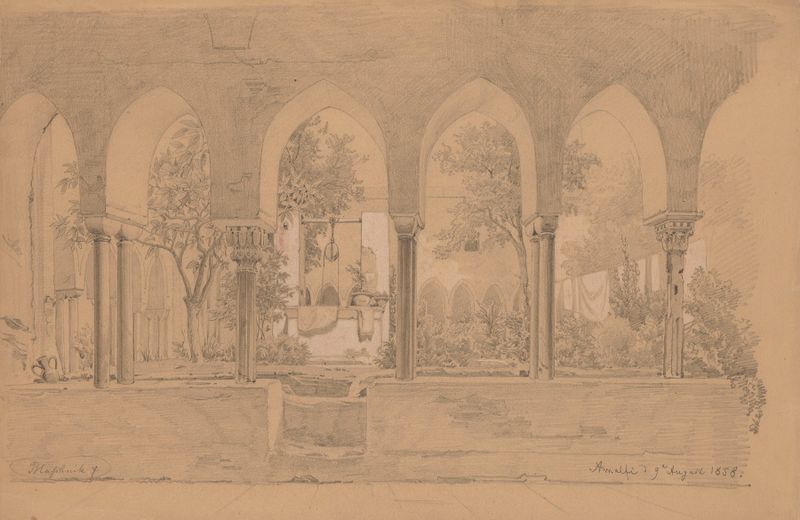
Cloister with Arcade Gallery in Amalfi
Arthur Blaschnik
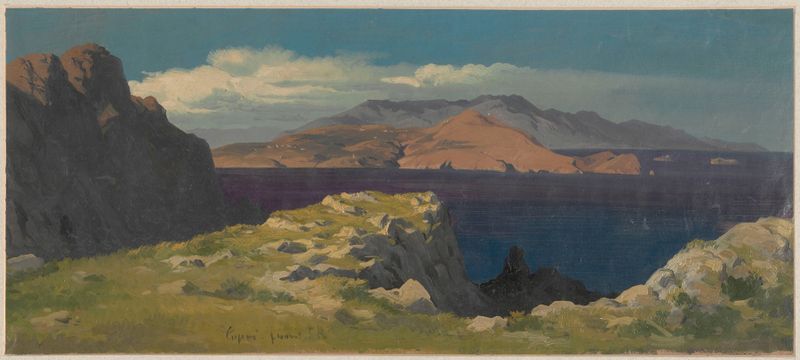
View of Capri
Arthur Blaschnik





