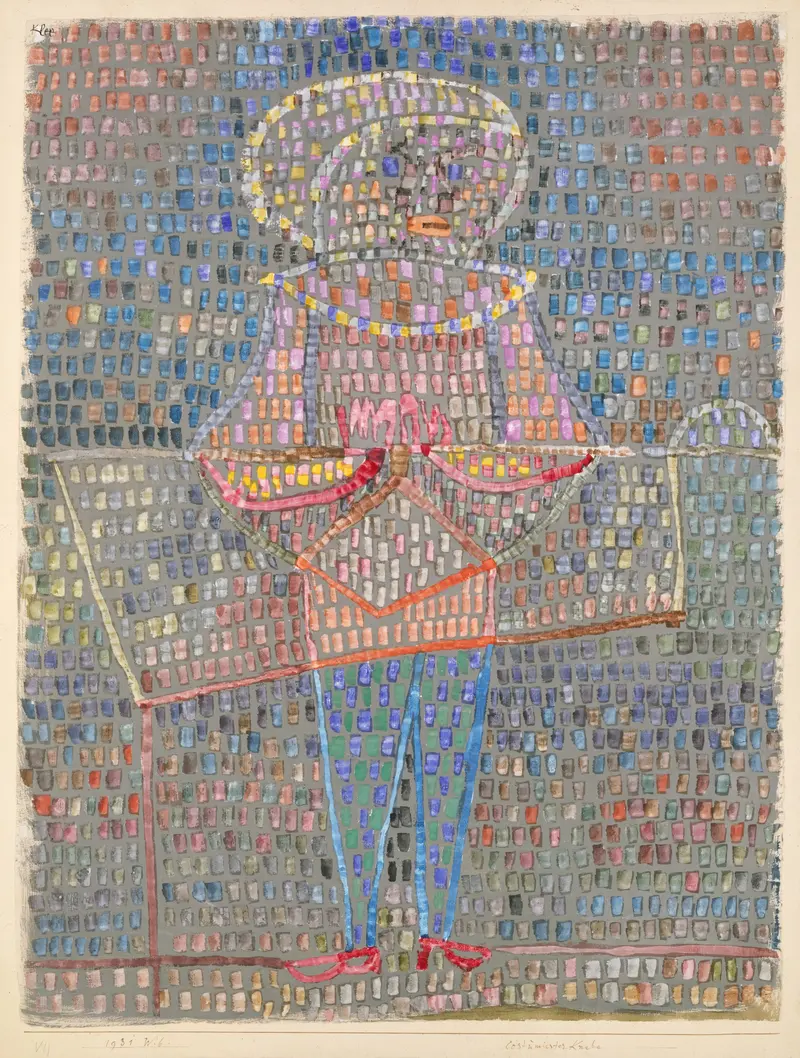
Anfänge von Sakralbauten (Beginnings of sacred buildings) — History & Facts
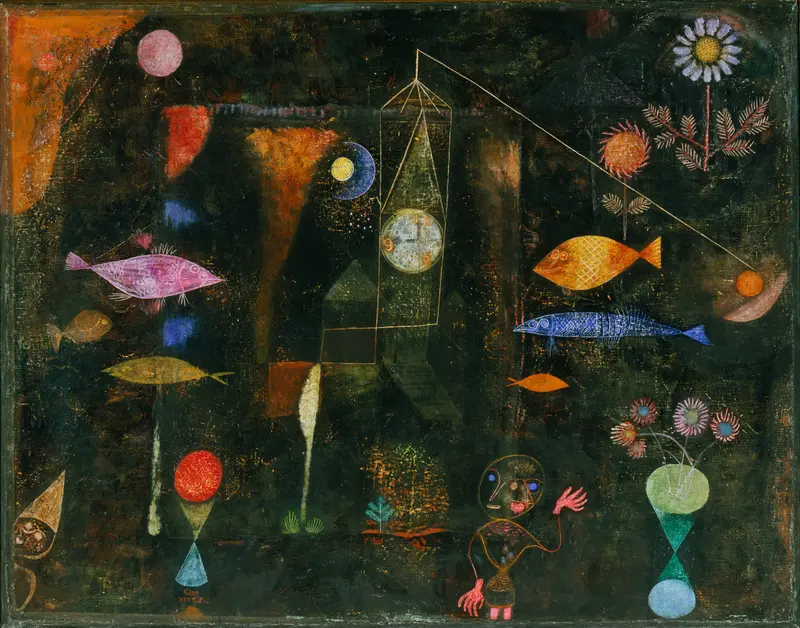
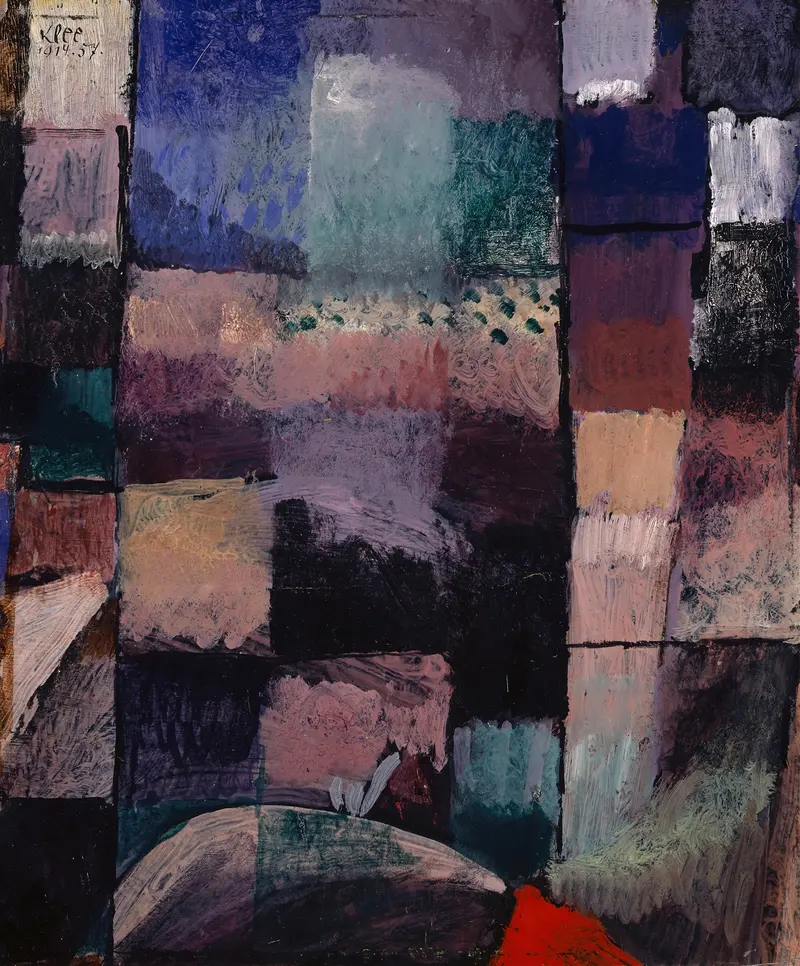
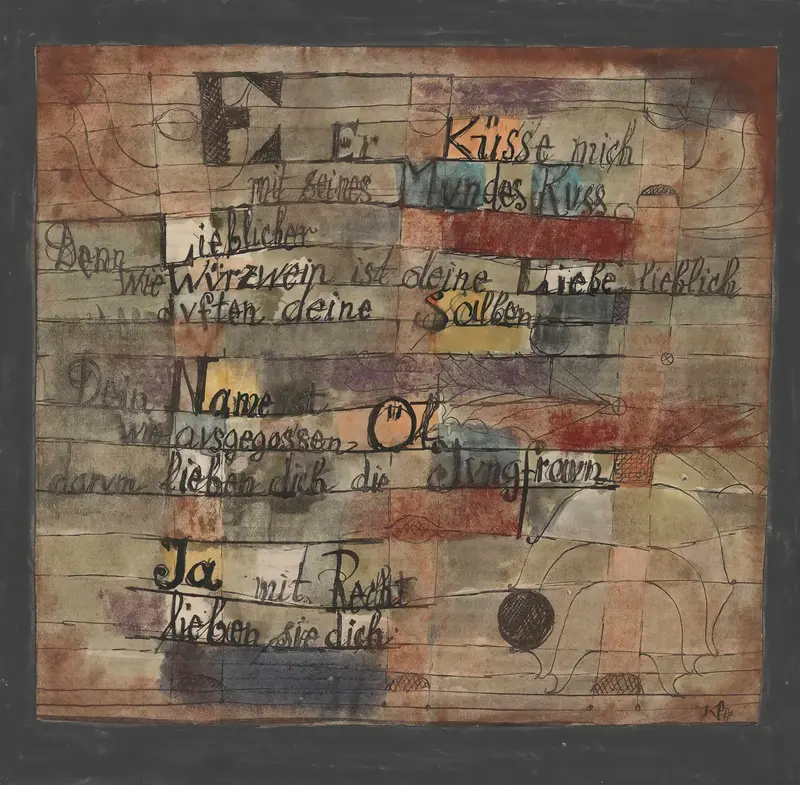
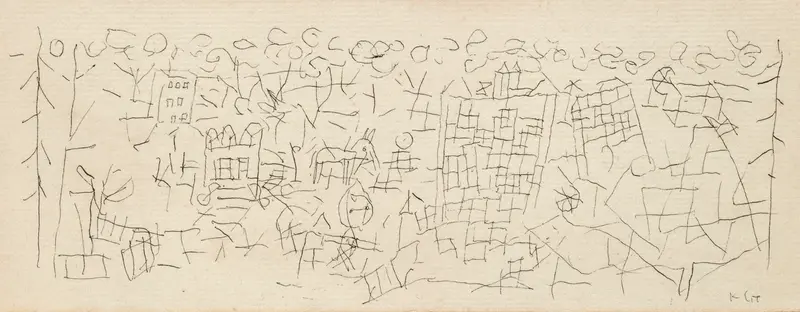
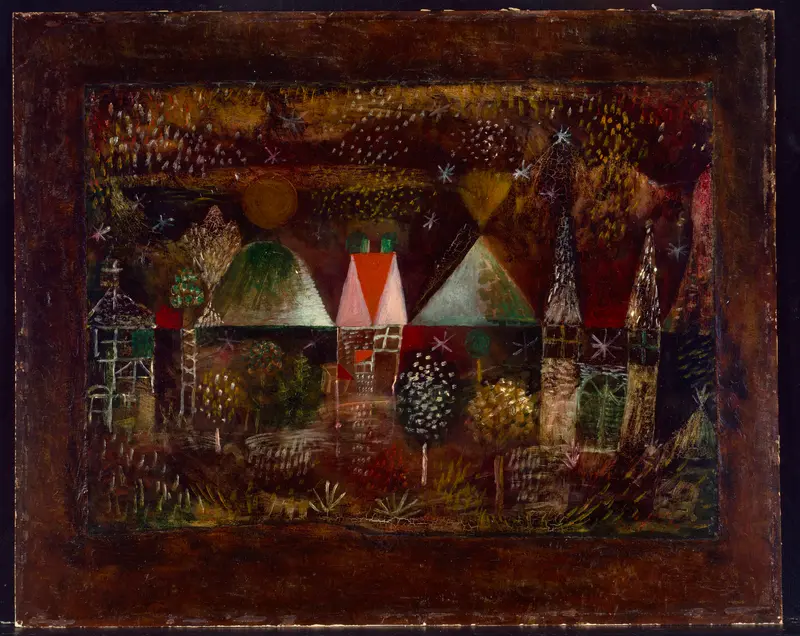
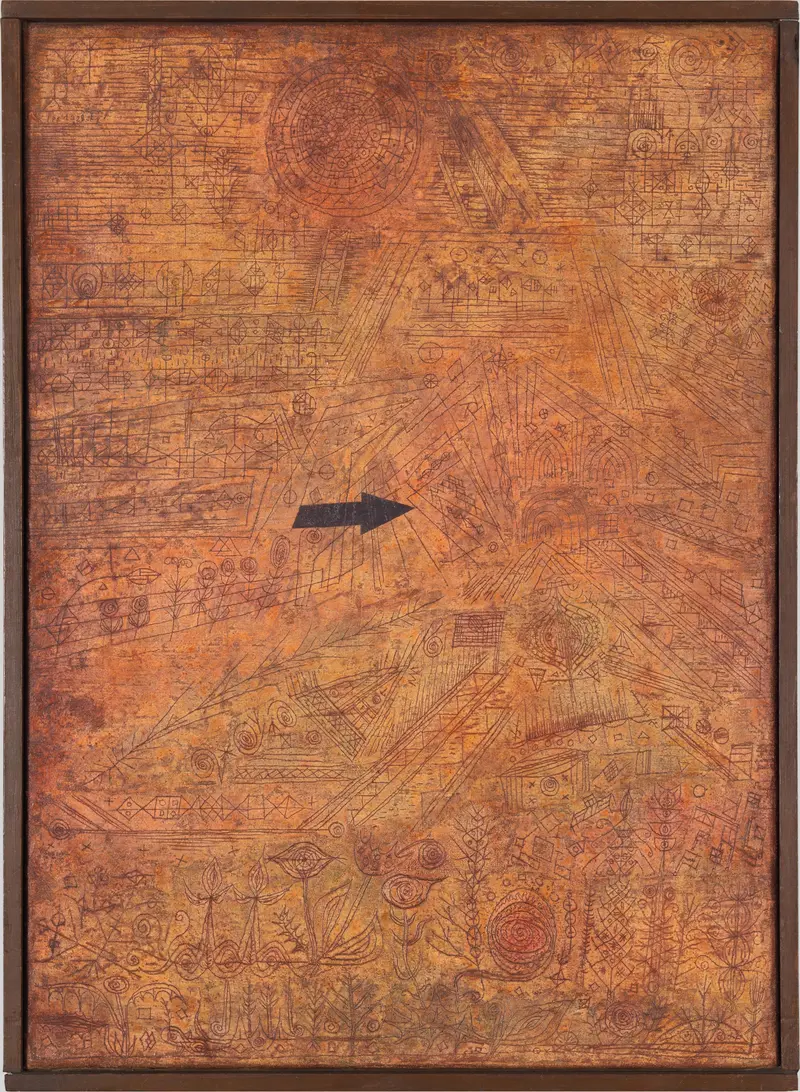
In Anfänge von Sakralbauten, Paul Klee uses a palette of muted colors, primarily earthy tones and soft pastels. The composition features abstract forms that suggest the outlines of sacred buildings. These forms are layered and interwoven, creating a sense of depth and complexity.
The overall effect is both whimsical and contemplative, inviting the viewer to ponder the nature of spirituality and architecture. The painting is characterized by Klee's signature style, which blends abstraction with playful geometry. The use of lines and shapes is deliberate, guiding the viewer's eye through the composition. Klee often employed oil on canvas, allowing for rich textures and a vibrant color palette.
The dimensions are approximately 60 x 80 cm, making it a medium-sized work that can be appreciated up close. Paul Klee was a key figure in the development of modern art, often exploring themes of spirituality and nature in his work. Anfänge von Sakralbauten reflects his interest in the intersection of architecture and the sacred. Interestingly, Klee was influenced by his travels and the architecture he encountered, which inspired this piece.
This painting exemplifies his unique ability to transform complex ideas into visual forms.