
Annie Bjarne — History & Facts
When Amedeo Modigliani painted Annie Bjarne in 1919, he was living in Paris in the final year of his life, producing a remarkable series of portraits that would later define his legacy. The sitter, Annie Bjarne, remains an enigmatic figure—her identity is not as well documented as some of Modigliani’s other muses, and for decades, scholars puzzled over who she was and what drew the artist to her. This air of mystery has only deepened the painting’s allure, with some suggesting Annie may have been a friend or acquaintance from Modigliani’s Montparnasse circle.
The portrait stands as one of the last in a line of works that capture the fleeting connections and bohemian spirit of Paris before Modigliani’s untimely death in January 1920. In the painting, Annie sits upright, her elongated neck and almond-shaped eyes unmistakably rendered in the signature style of Modigliani. Her gaze is direct yet distant, a hallmark of the artist’s portraits, which often suggest both presence and introspection. The simplified forms, muted palette, and sculptural quality of the face recall Modigliani’s admiration for African masks and Renaissance portraiture.
Unlike the psychological intensity found in Van Gogh’s portraits, Modigliani’s Annie seems to float between individuality and archetype—her identity both specific and universal. The absence of background detail focuses all attention on the sitter’s expression and posture, inviting viewers to search for meaning in her silence. Annie Bjarne was likely painted in Modigliani’s Paris studio, during a period when he was struggling with illness but still surrounded by fellow artists and patrons. The exact provenance of the painting is not fully documented, a common situation for Modigliani’s works, many of which passed through private hands before entering public collections.
Today, the portrait is recognized as a key example of Modigliani’s late style, when his portraits achieved a haunting clarity and simplicity. It stands as a testament to his enduring fascination with the human face, and to the fleeting encounters that shaped his brief, brilliant career.
More Artworks by Amedeo Modigliani
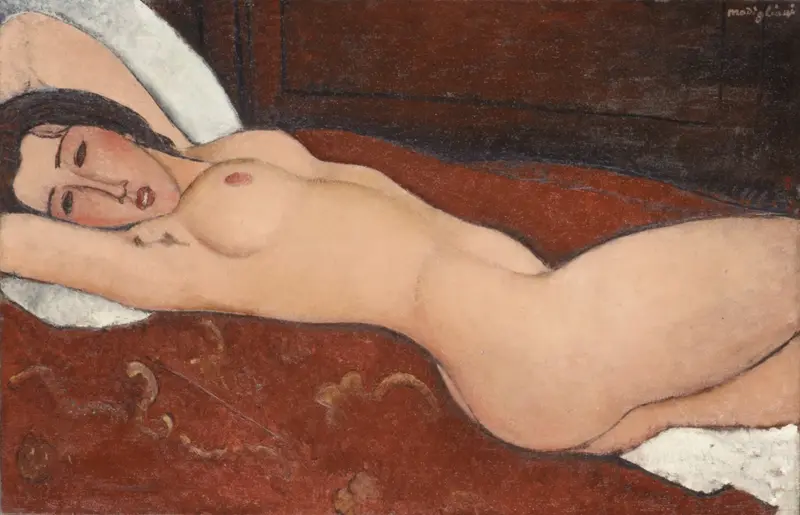
Reclining Nude
Amedeo Modigliani

Portrait Of Jeanne Hébuterne
Amedeo Modigliani

Jeanne Hébuterne
Amedeo Modigliani
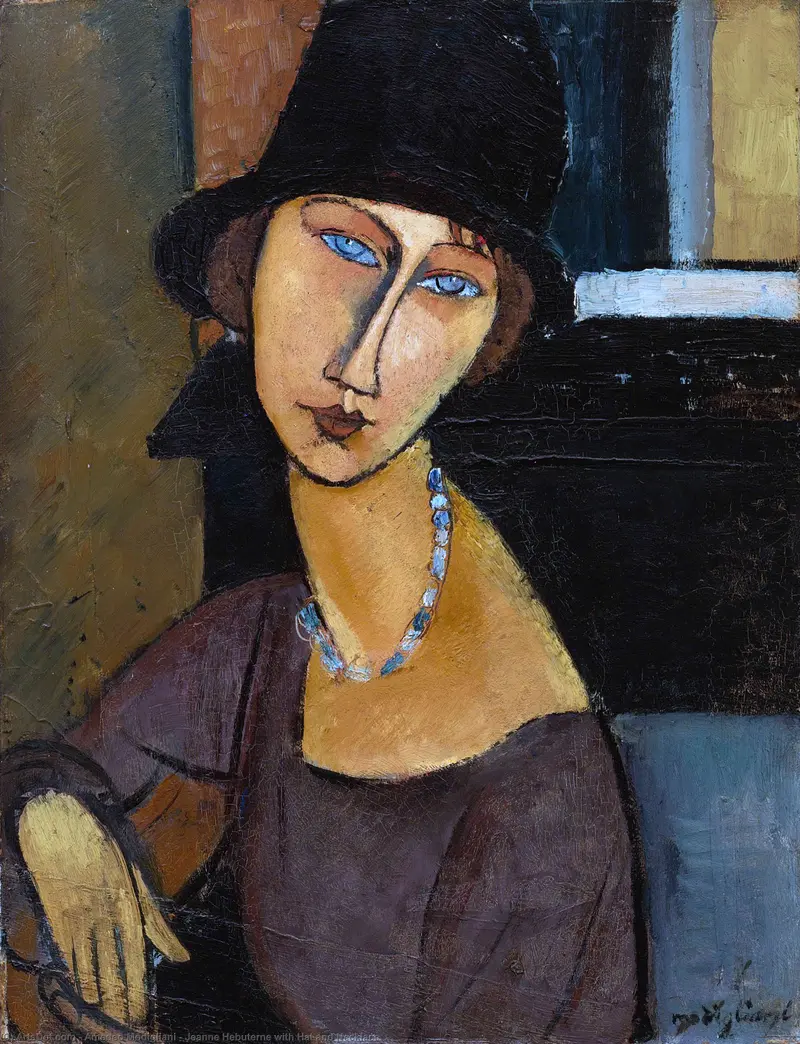
Jeanne Hébuterne with Hat and Necklace
Amedeo Modigliani
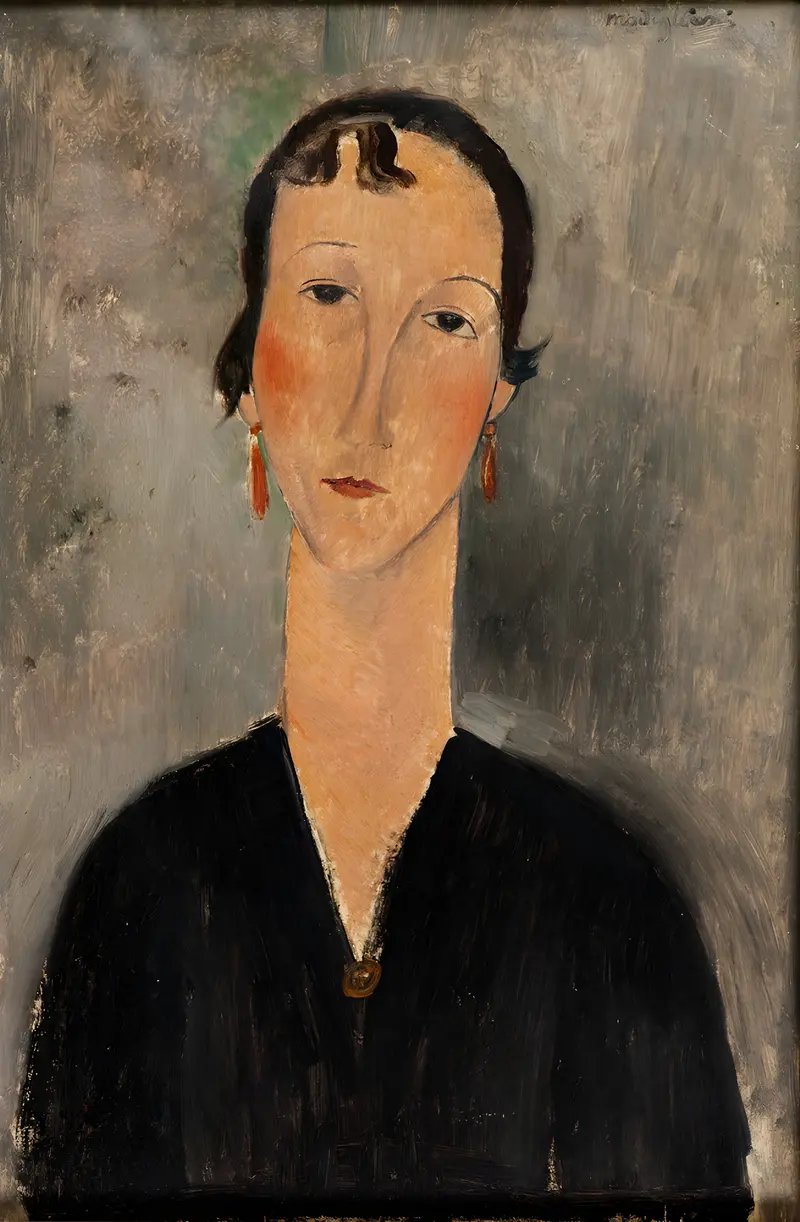
Femme aux boucles d'oreilles
Amedeo Modigliani
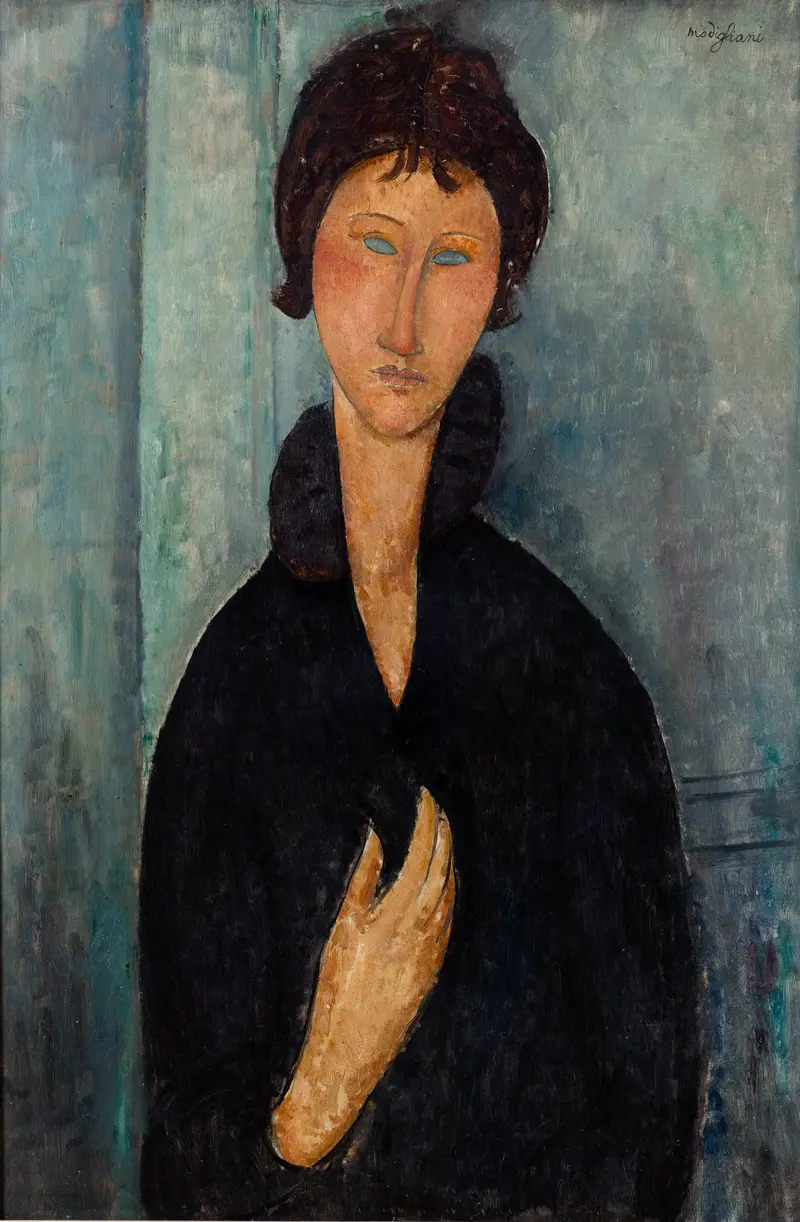
Femme aux yeux bleus
Amedeo Modigliani
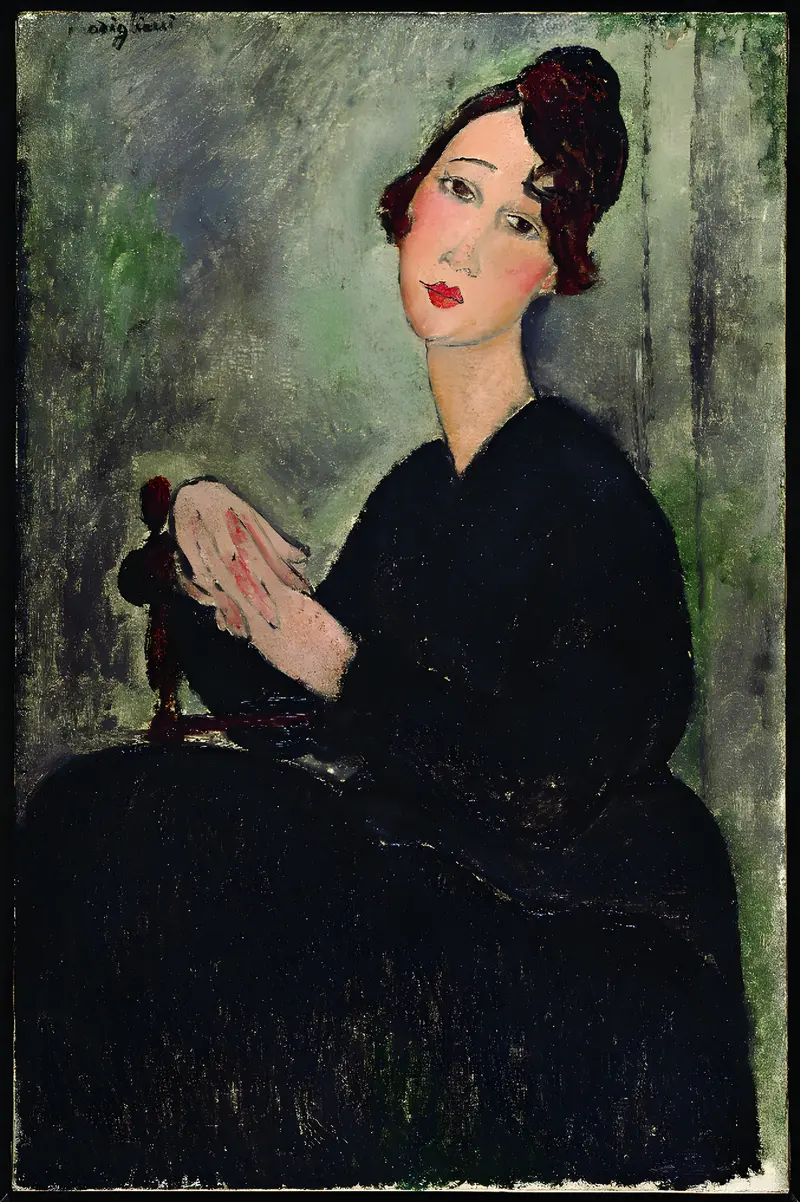
Portrait of Dedie
Amedeo Modigliani
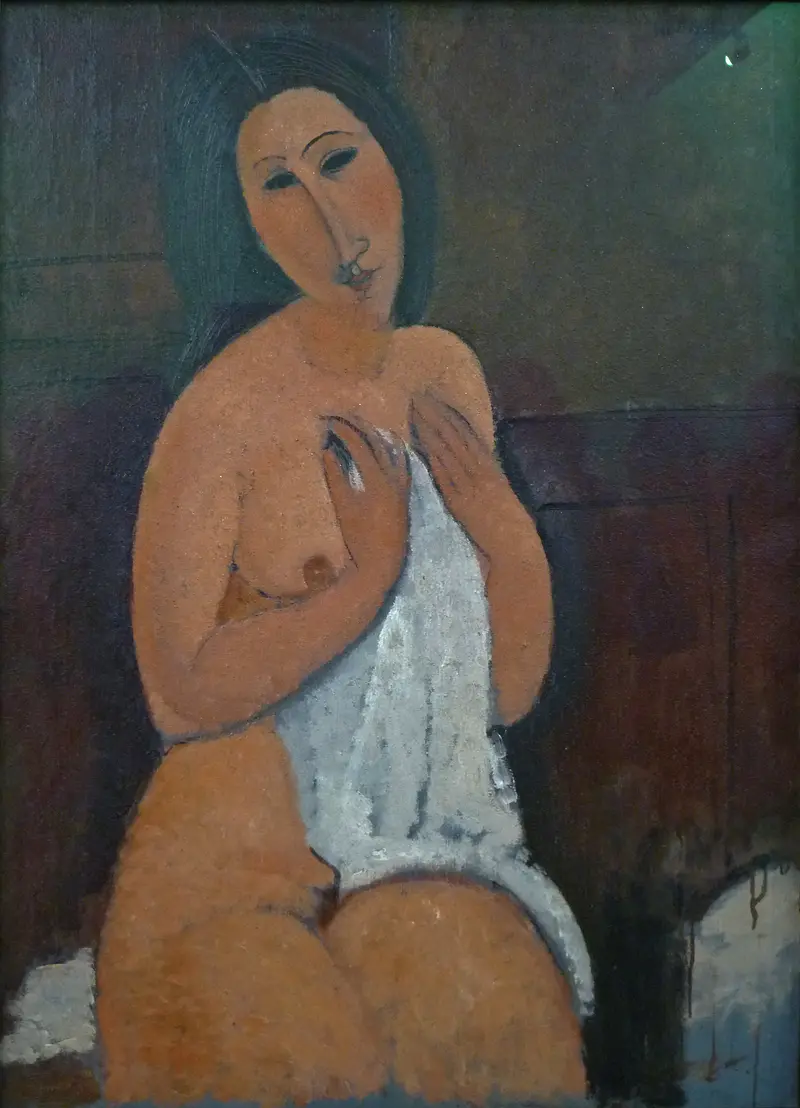
Seated nude with shirt
Amedeo Modigliani
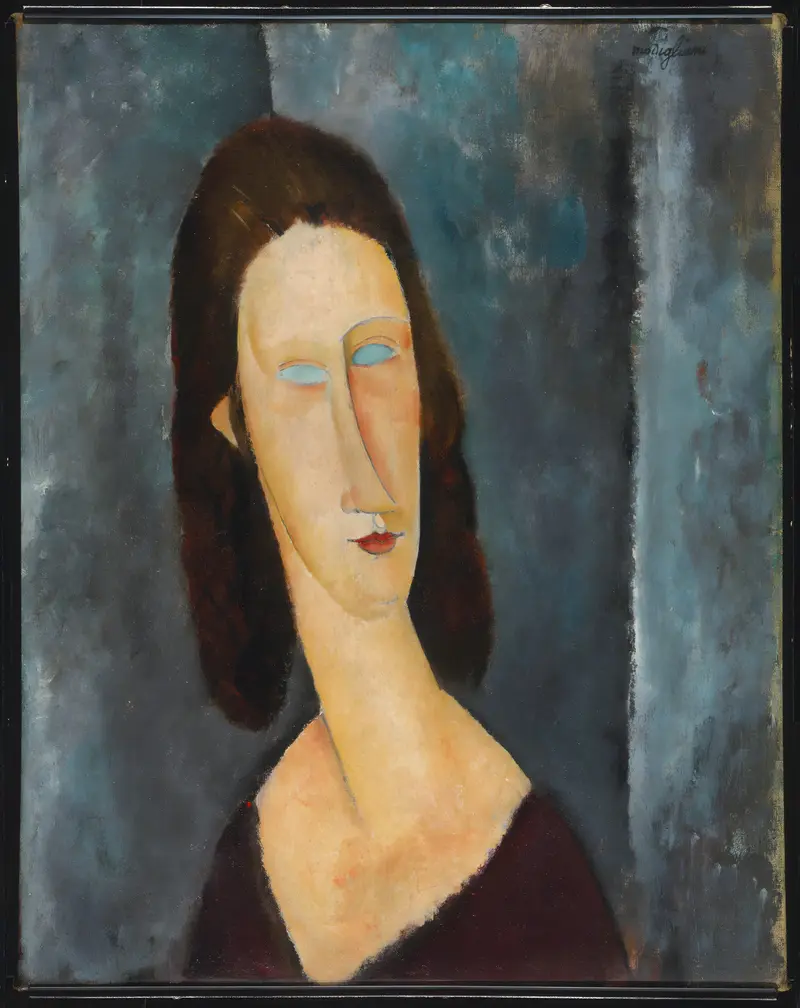
Blue Eyes (Portrait of Madame Jeanne Hébuterne)
Amedeo Modigliani
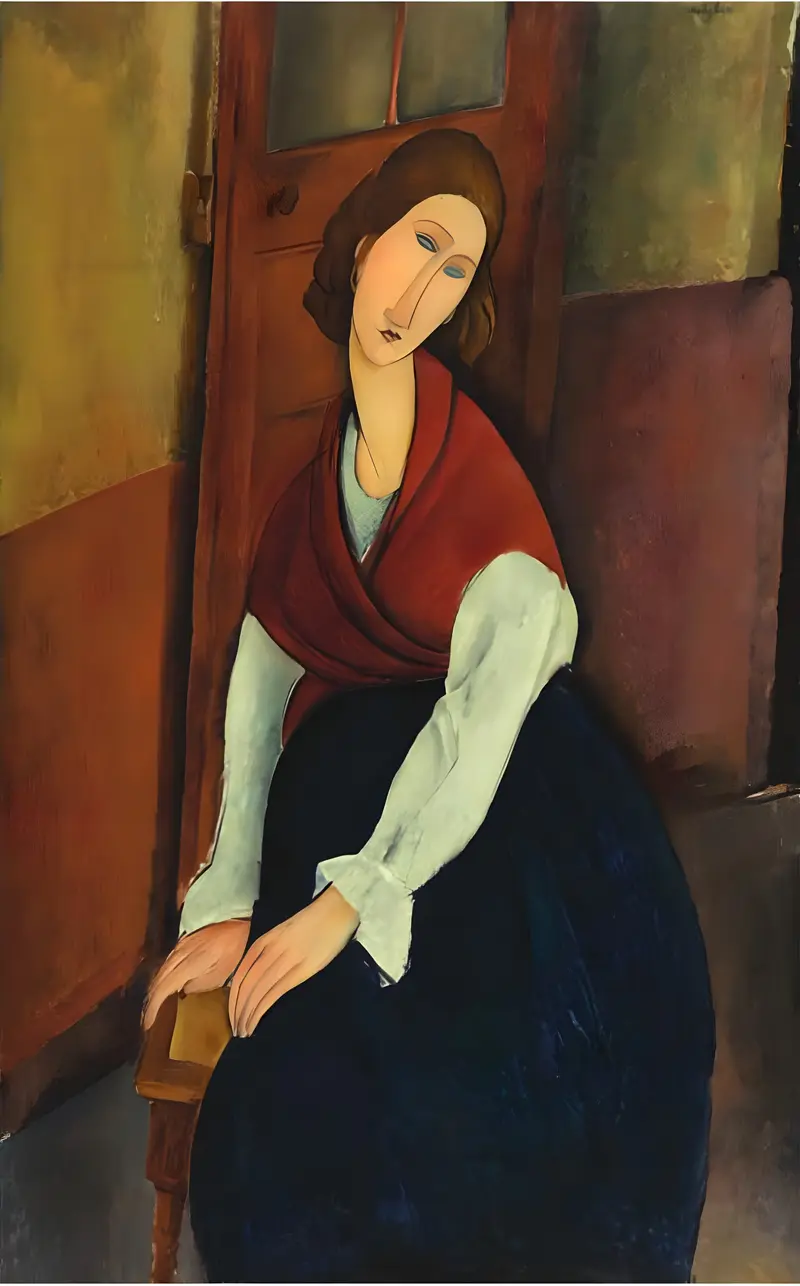
Jeanne Hebuterne in Red Shawl
Amedeo Modigliani





