
Another Principle of Turner — History & Facts
What if silence could speak through light? In Another Principle of Turner, the delicate interplay of color and form evokes a profound stillness that invites contemplation on the nature of revolution. Look to the upper left, where the sun breaks through heavy clouds, illuminating a tumultuous sea. The swirling blues and greens create a sense of movement, contrasting sharply with the calm, muted hues of the horizon. Notice how the brushstrokes seem almost fluid, as if the very water might leap from the canvas, while the somber tones anchor the viewer’s gaze, drawing attention to the duality of chaos and serenity that defines the work. As you explore further, consider the tension between light and shadow.
The brilliance of the sunlight on the water suggests optimism, a harbinger of change, while the dark clouds looming overhead hint at impending turmoil. This dichotomy reflects the revolutionary spirit of the time—an era grappling with industrial progress and the remnants of tradition. Each stroke carries the weight of this historical moment, urging us to confront the inevitable shifts in society and nature alike. Created in 1838, this piece emerged during a period of significant change for its creator, who was heavily influenced by the works of J.M.W.
Turner, the master of light. Howard sought to push the boundaries of landscape painting, capturing not just the visible world but also the emotional landscape of the viewer. At this time, the art world was moving towards Romanticism, emphasizing emotion and individual experience, setting the stage for new artistic expressions that would resonate through the ages.
More Artworks by Frank Howard
Browse all →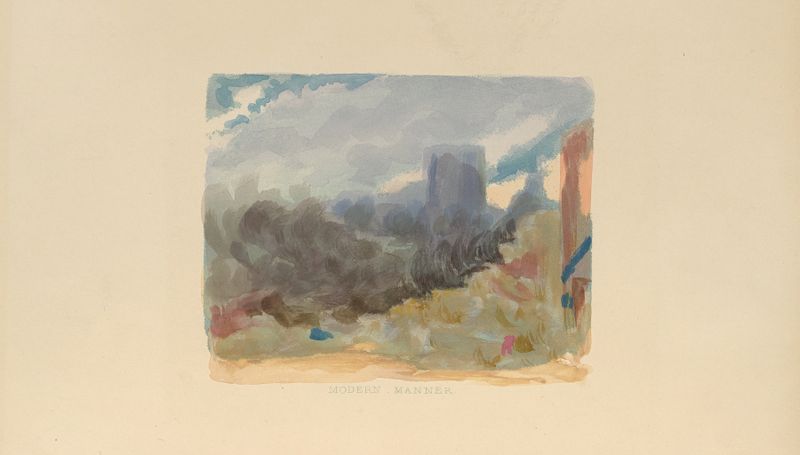
Modern Manner
Frank Howard
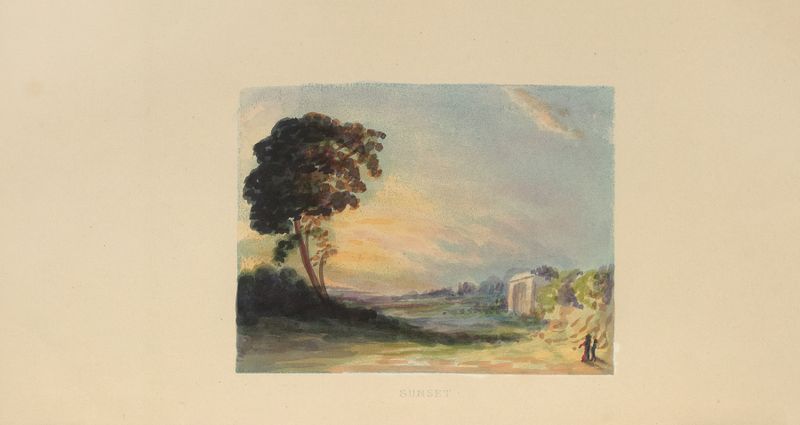
Sunset
Frank Howard
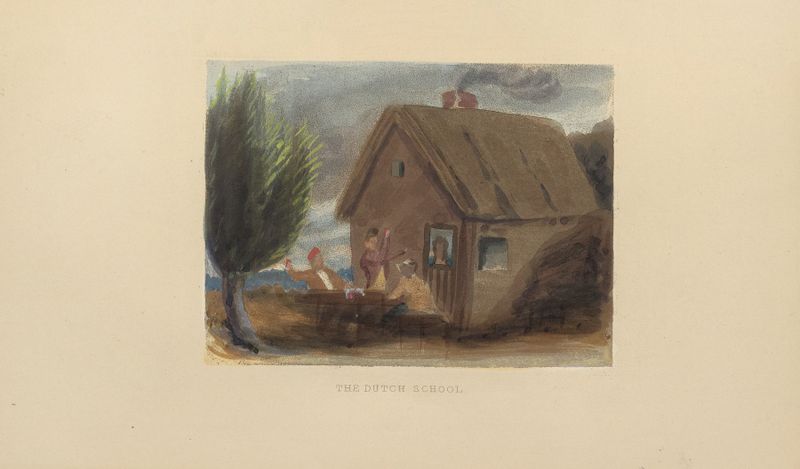
The Dutch School
Frank Howard
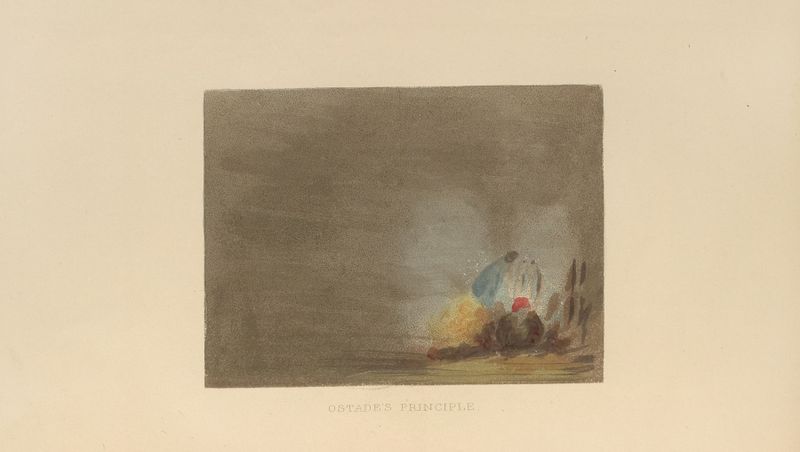
Ostade’s Principle
Frank Howard
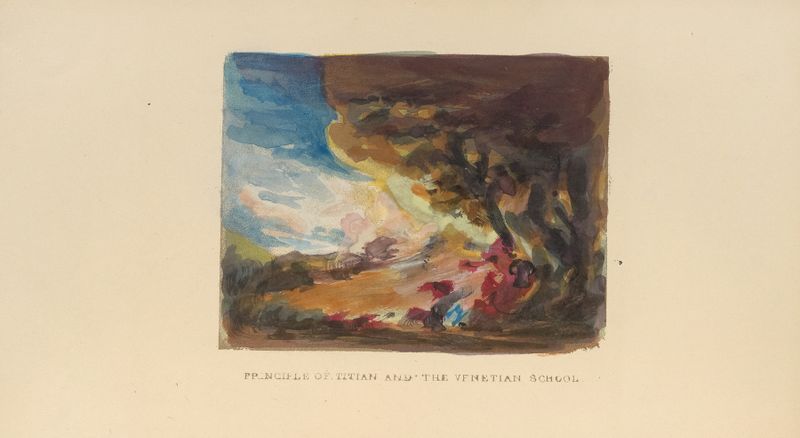
Principle of Titian and the Venetian School
Frank Howard
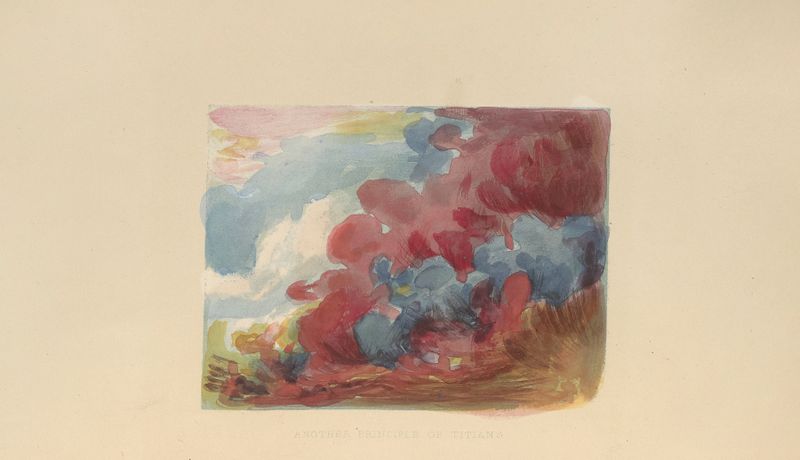
Another Principle of Titian
Frank Howard
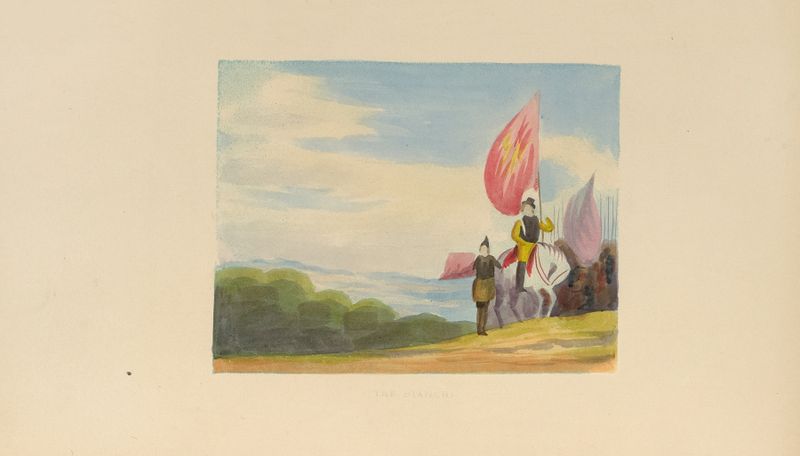
The Bianchi
Frank Howard
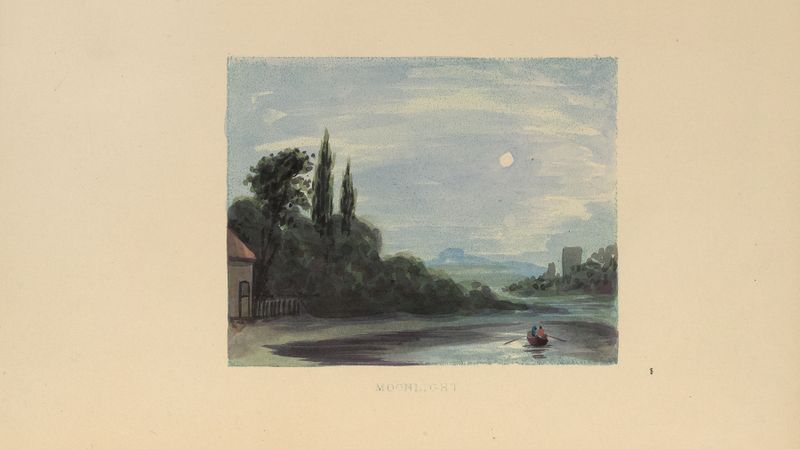
Moonlight
Frank Howard
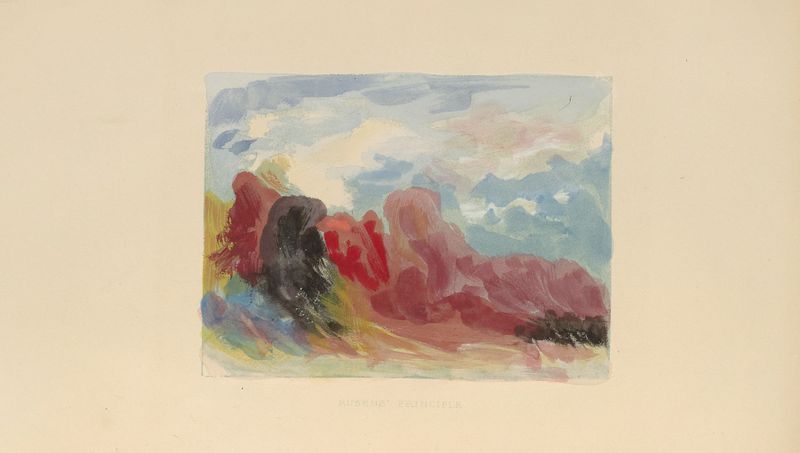
Ruben’s Principle
Frank Howard

Ruysdael and Hobbima’s Principle
Frank Howard





