
Ostade’s Principle — History & Facts
Can beauty exist without sorrow? In Ostade’s Principle, the rich interplay of light and shadow suggests a deep longing that permeates the canvas, evoking an exploration of emotional depth. Look to the left at the dimly lit figure, cloaked in a somber garb, their features drenched in a melancholic hue. The delicate brushwork renders the textures of their surroundings, drawing us into the intricacies of the scene. Notice how the soft glow emanates from a hidden source, illuminating fragments of the composition, like whispers of hope amid despair.
The muted palette is punctuated by a striking contrast, unearthing layers of narrative beneath the surface. The painting is a visual dialogue between joy and sorrow, where the stillness of the scene belies the emotional turmoil within. Each element in the composition holds significance: the delicate placement of objects, the subtlest of gestures, and the atmospheric tones all suggest a world weighed down by introspection. It invites viewers to confront their own feelings of loss, creating a connection that transcends time and space. Created in 1838, the artist found himself at a crossroads, navigating the evolving landscape of Romanticism.
Amidst a burgeoning interest in emotional expression, he sought to capture the dualities of existence—beauty intertwined with melancholy, making Ostade’s Principle a poignant reflection of his personal journey and a commentary on the world around him.
More Artworks by Frank Howard
Browse all →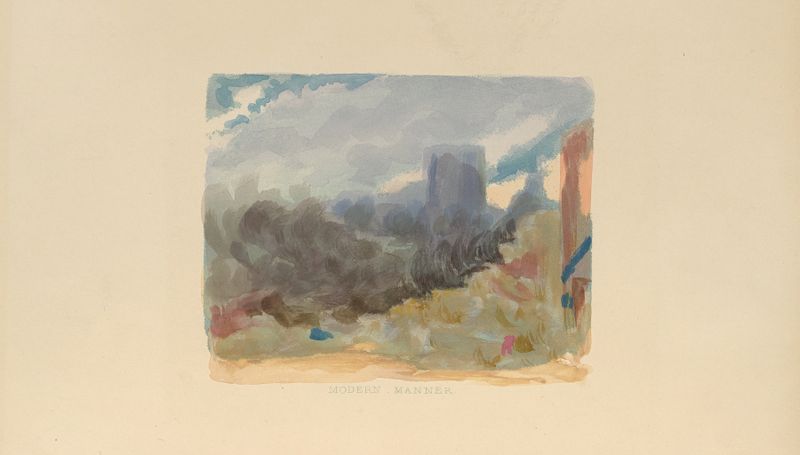
Modern Manner
Frank Howard

Sunset
Frank Howard
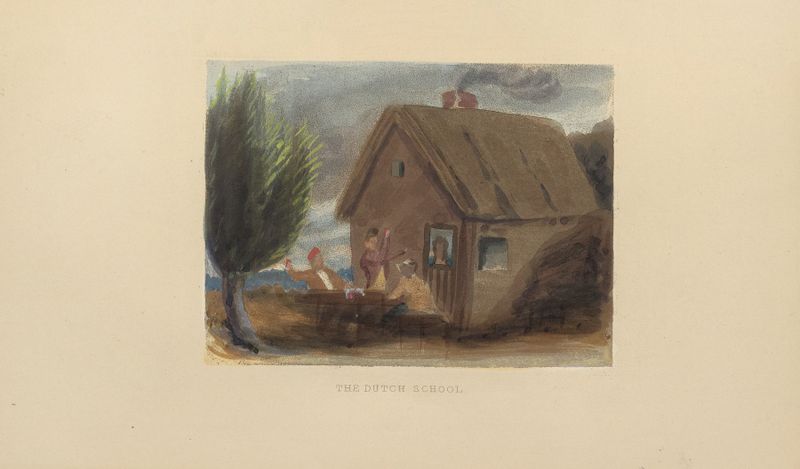
The Dutch School
Frank Howard
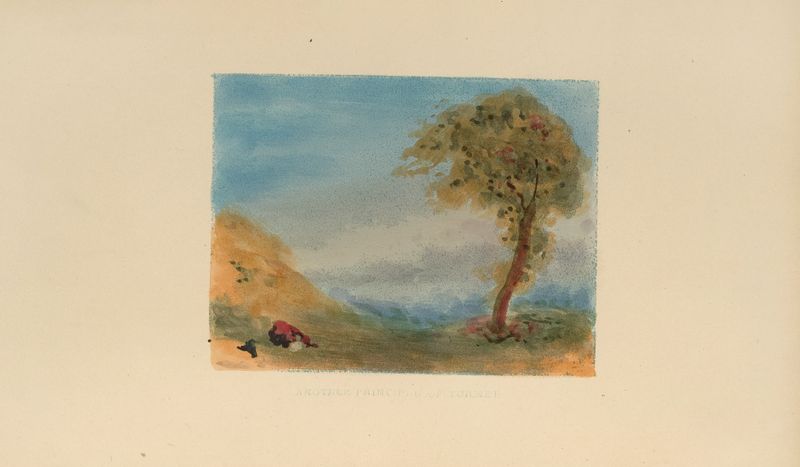
Another Principle of Turner
Frank Howard
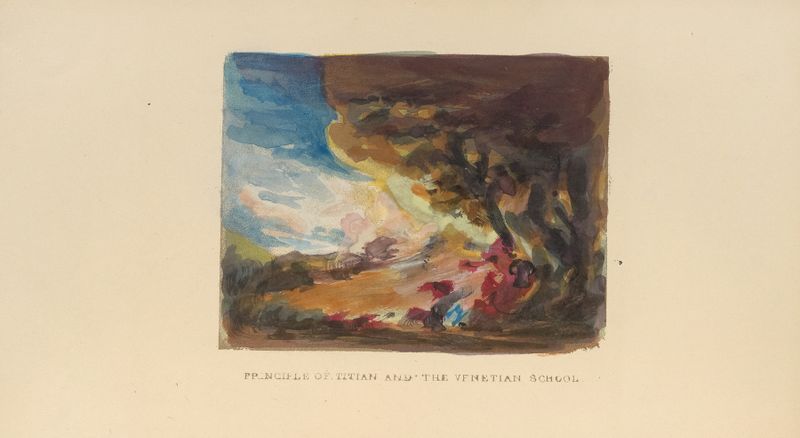
Principle of Titian and the Venetian School
Frank Howard
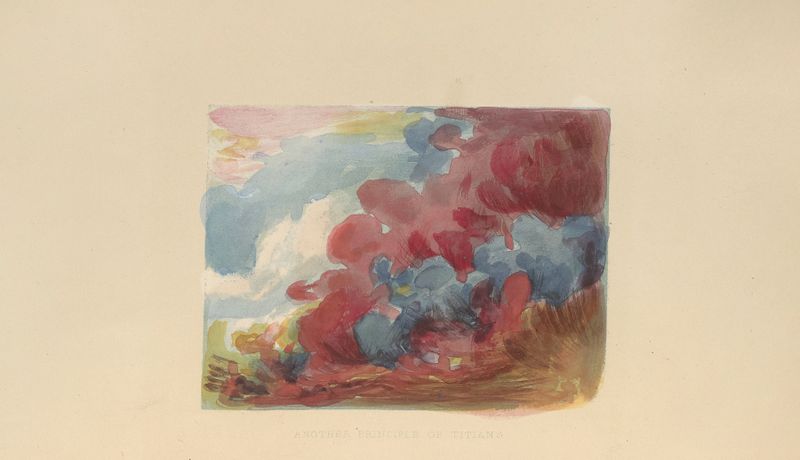
Another Principle of Titian
Frank Howard
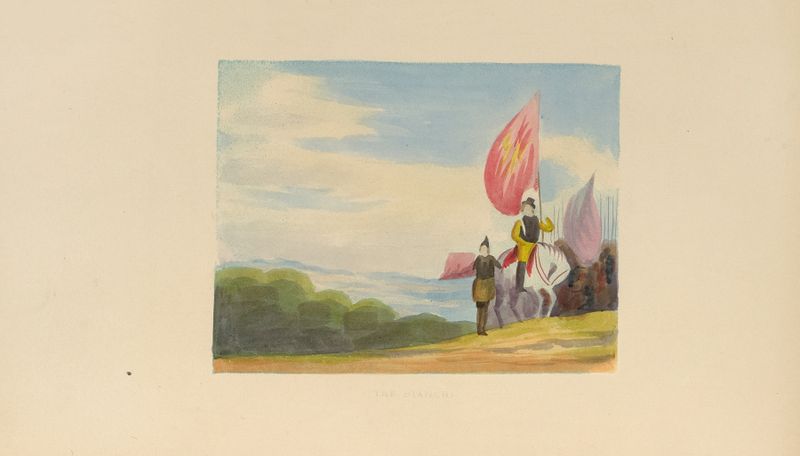
The Bianchi
Frank Howard
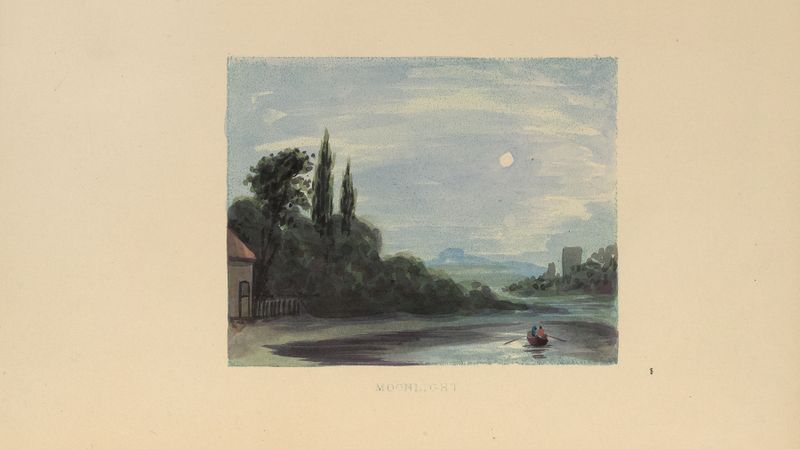
Moonlight
Frank Howard
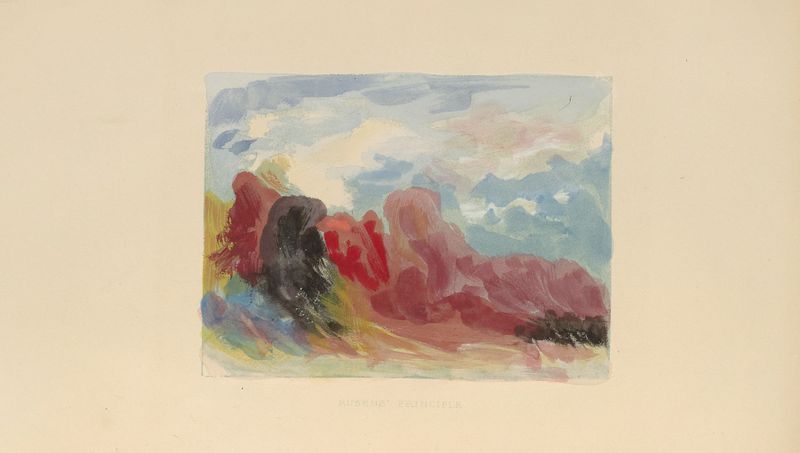
Ruben’s Principle
Frank Howard

Ruysdael and Hobbima’s Principle
Frank Howard





