
Ruysdael and Hobbima’s Principle — History & Facts
In a world where time is fleeting, the fragility of beauty is captured within the confines of a painted landscape, where each brushstroke tells a silent story of transience. Look to the expansive sky, awash in hues of soft blue and gentle pink, where delicate clouds drift lazily. Focus on the intricate details of the foliage that frames the scene, each leaf rendered with precision, inviting the eye to travel through the lushness. The artist’s technique reveals a masterful interplay of light and shadow, illuminating the landscape while hinting at the ephemeral nature of the moment he captured. Beneath the serene surface lies a tension between permanence and impermanence.
The vibrant greens and earth tones symbolize life and vitality, while the soft, blending edges evoke a sense of fragility, as if the scene might dissolve at any moment. Each element, from the towering trees to the quiet brook, whispers of a world that thrives yet remains vulnerable, urging us to reflect on our own existence amidst nature's cycle. In 1838, Frank Howard painted this work during a period of great change in the art world, where Romanticism was giving way to Impressionism. Living in England, he was influenced by the evolving landscape of artistic expression, seeking to capture nature's beauty with honesty.
His experiences during a time of industrial progression and personal challenges shaped his approach, inviting viewers to pause and appreciate the fleeting moments of tranquility found in the natural world.
More Artworks by Frank Howard
Browse all →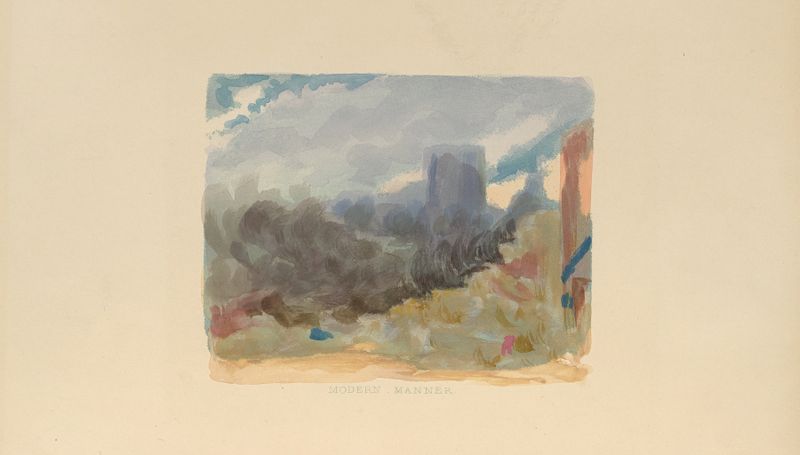
Modern Manner
Frank Howard
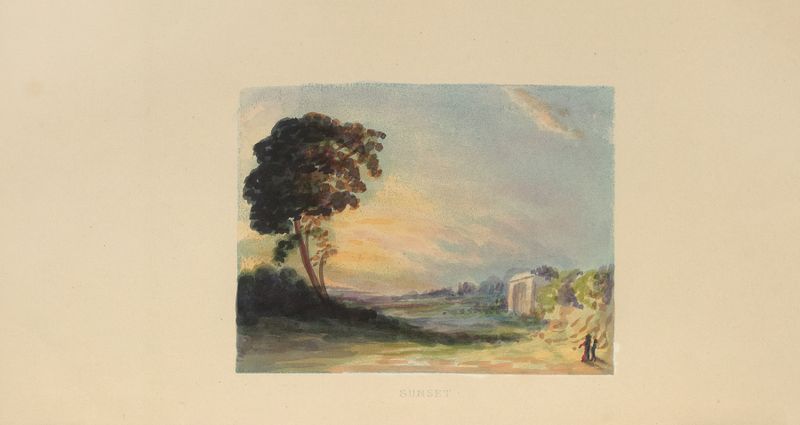
Sunset
Frank Howard
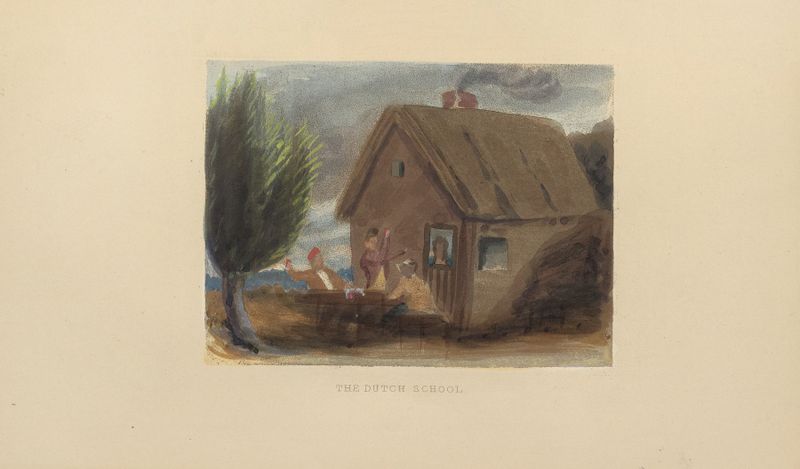
The Dutch School
Frank Howard
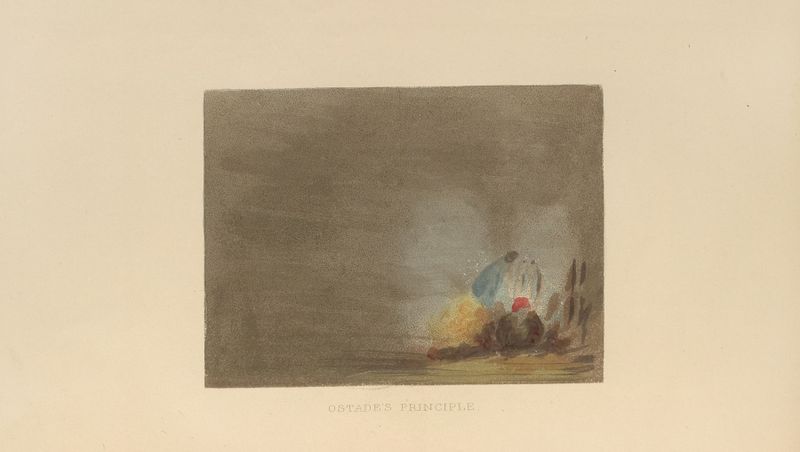
Ostade’s Principle
Frank Howard
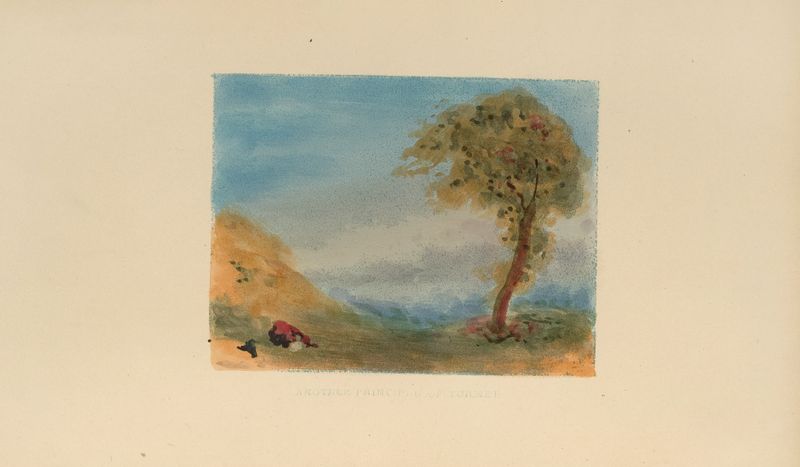
Another Principle of Turner
Frank Howard
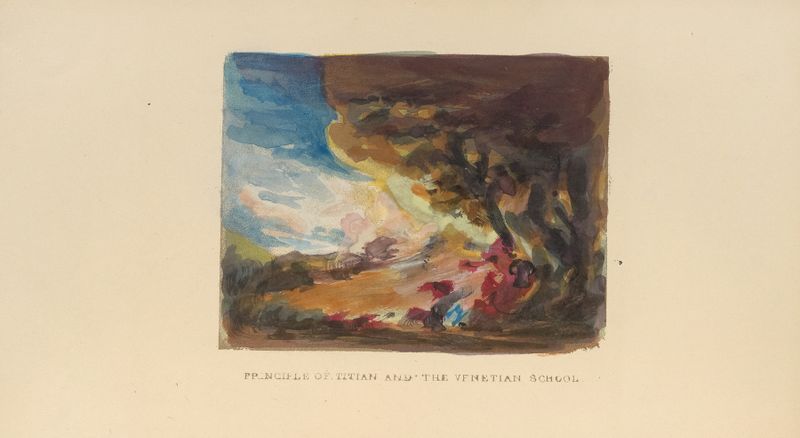
Principle of Titian and the Venetian School
Frank Howard
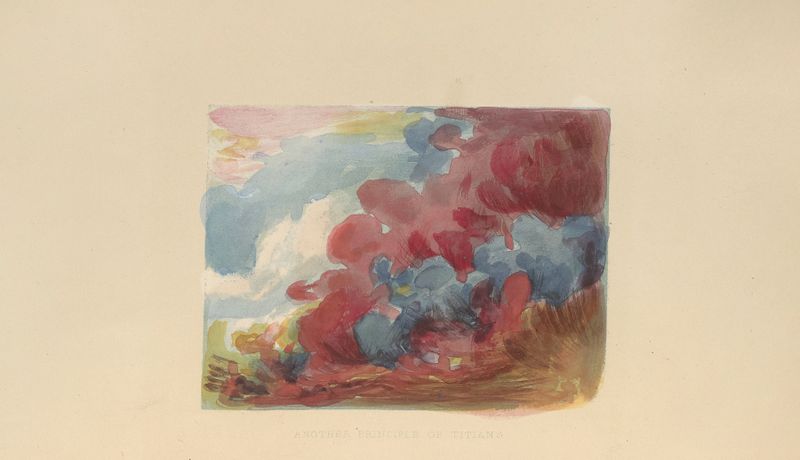
Another Principle of Titian
Frank Howard
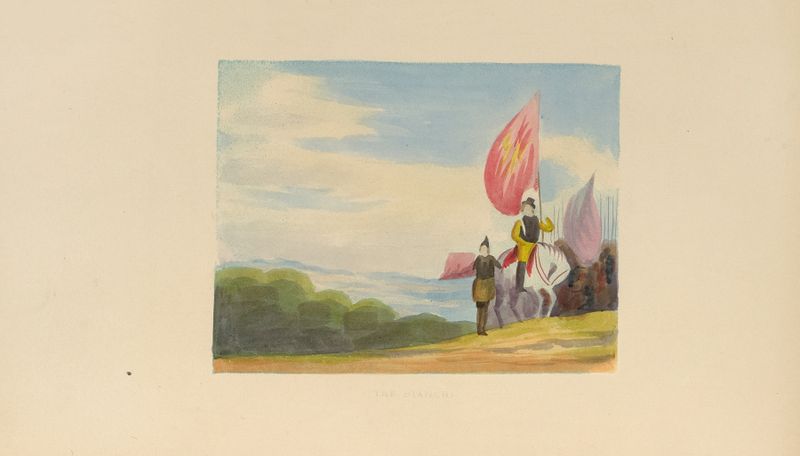
The Bianchi
Frank Howard
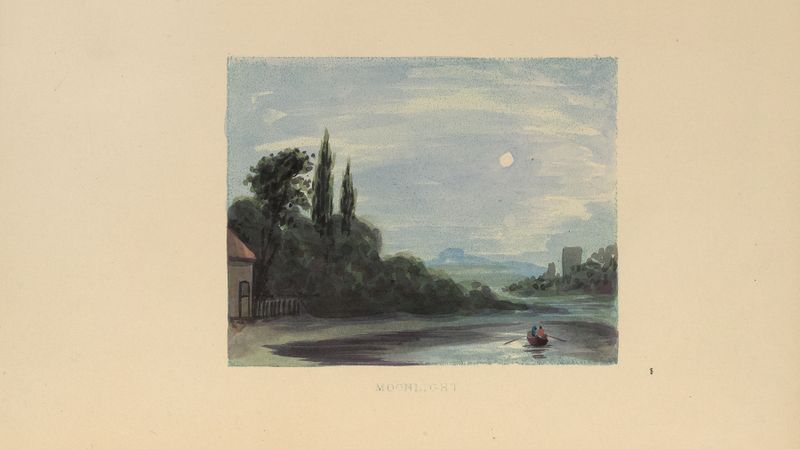
Moonlight
Frank Howard
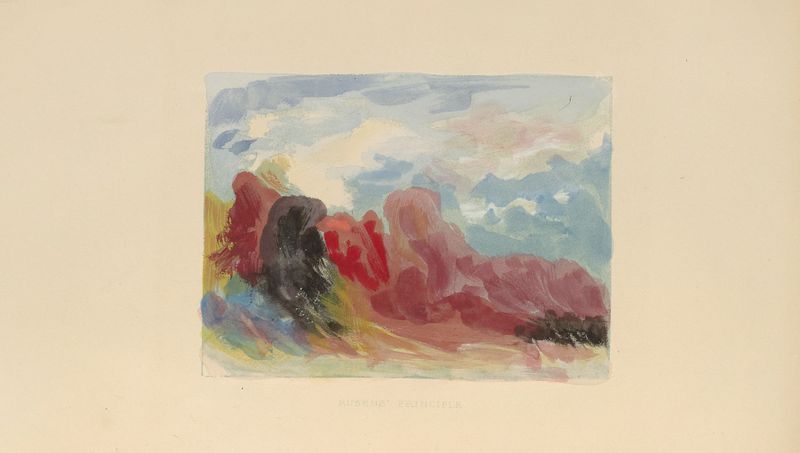
Ruben’s Principle
Frank Howard





