
The Bianchi — History & Facts
In a world shaped by the relentless passage of time, decay becomes a poignant reminder of our fragility. Focus on the foreground where the delicate interplay of light and shadow brings an aura of melancholy to the composition. Notice how the muted color palette of browns and grays envelops the subjects, hinting at a life once vibrant but now fading. The intricate details of the weathered textures invite you to lean closer, revealing the artist’s hand in every fading petal and crumbling structure, capturing the essence of transience. As you explore the painting, consider the contrasts between life and decay.
The lushness of scattered blooms speaks to moments of beauty, while the eroding elements within the frame evoke a sense of loss. This tension between flourishing life and inevitable decline creates an emotional undercurrent that resonates deeply, suggesting that within each moment of decay lies the potential for new beginnings. In 1838, the artist created this work during a period marked by significant transitions in art, as Romanticism began to give way to Realism. Living in America, Frank Howard was influenced by the changing landscapes of his time, reflecting both personal and societal shifts.
His experiences with nature and the human condition during this era informed his artistic choices, resulting in a powerful commentary on the ephemeral nature of beauty and existence.
More Artworks by Frank Howard
Browse all →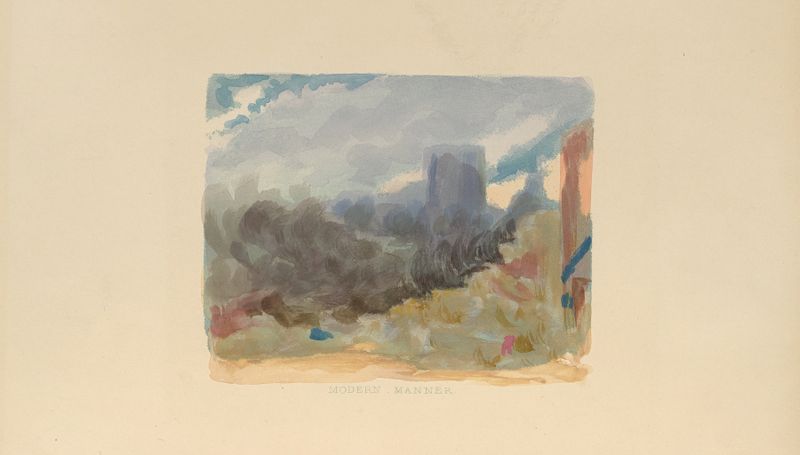
Modern Manner
Frank Howard
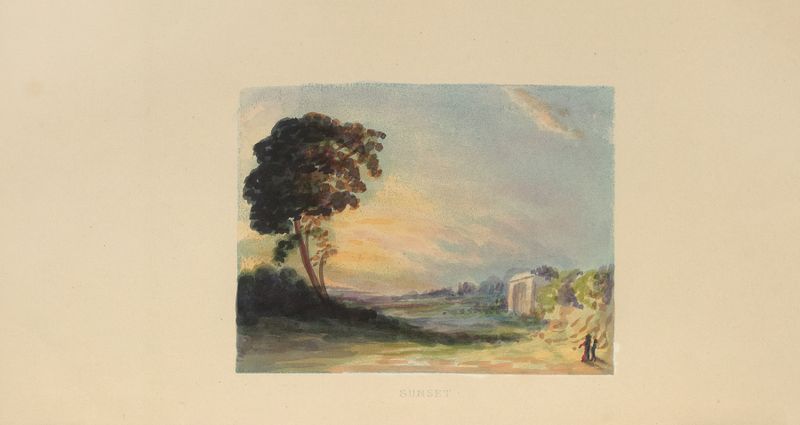
Sunset
Frank Howard

The Dutch School
Frank Howard

Ostade’s Principle
Frank Howard

Another Principle of Turner
Frank Howard
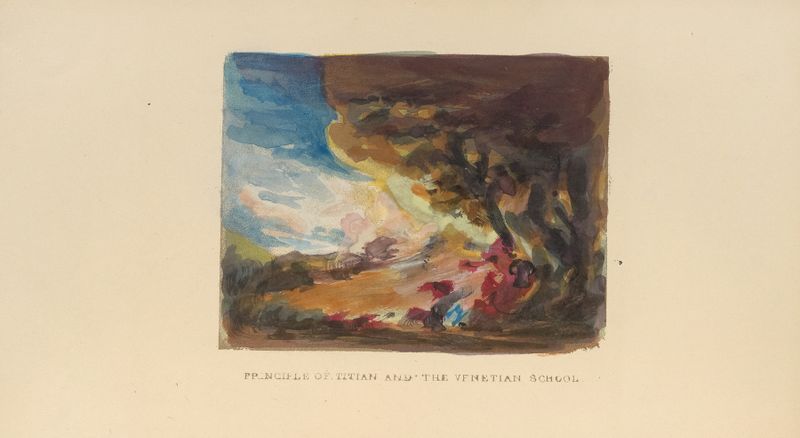
Principle of Titian and the Venetian School
Frank Howard
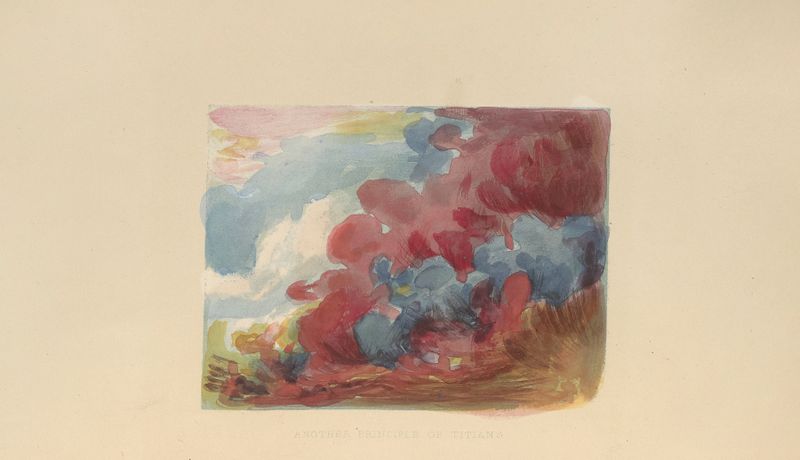
Another Principle of Titian
Frank Howard
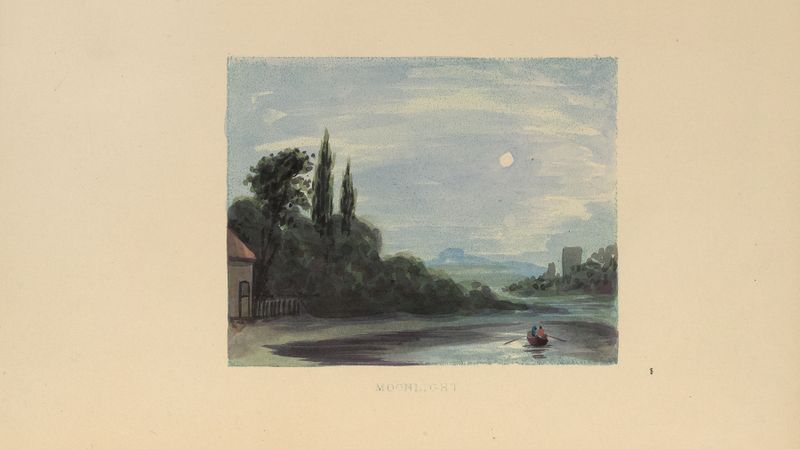
Moonlight
Frank Howard

Ruben’s Principle
Frank Howard

Ruysdael and Hobbima’s Principle
Frank Howard





