
Ruben’s Principle — History & Facts
Can paint confess what words never could? In Ruben’s Principle, the canvas breathes with an intoxicating obsession, whispering secrets that linger long after the viewer has turned away. Focus first on the vivid, swirling colors that seem to pulse with life. The brushstrokes are deliberate yet frantic, drawing your gaze toward the center where the subject radiates intensity. Notice how layers of rich ochres and deep blues interact, creating a dance of light and shadow that emphasizes the emotional turmoil present.
The composition feels alive, inviting you to explore the depths of its meaning as you trace contours and textures. As you delve deeper, consider the contrast between chaos and calm. Sharp, jagged lines juxtaposed against soft, rounded forms create a palpable tension, hinting at the inner conflict of the figure. The obsession with self and the external world is manifested in the details: a smudge of color here, a delicate line there, all hinting at an unquenchable thirst for understanding.
This painting stands as a testament to the human experience, inviting us to confront our own passions and the shadows they cast. Frank Howard painted Ruben’s Principle in 1838 during a time of personal exploration and keen engagement with his artistic identity. Emerging from a period of reflection, he was influenced by the Romantic movement, which emphasized emotion and the sublime. The work reflects not only his personal struggles but also the broader artistic shifts occurring, as artists sought to convey deeper sentiments beyond mere representation.
More Artworks by Frank Howard
Browse all →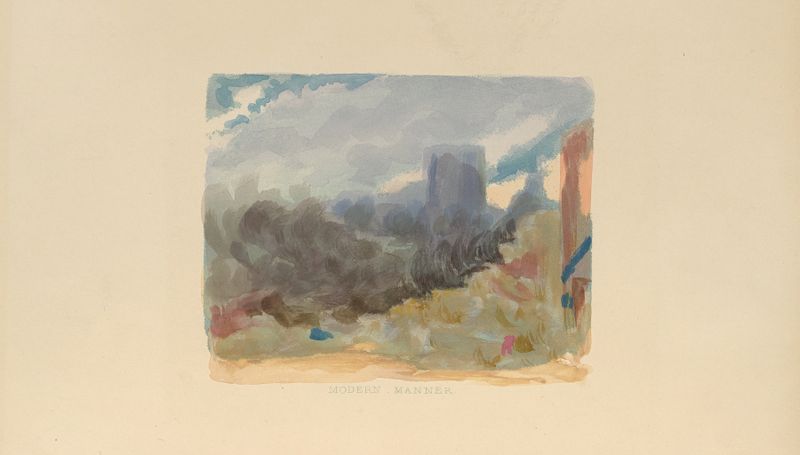
Modern Manner
Frank Howard
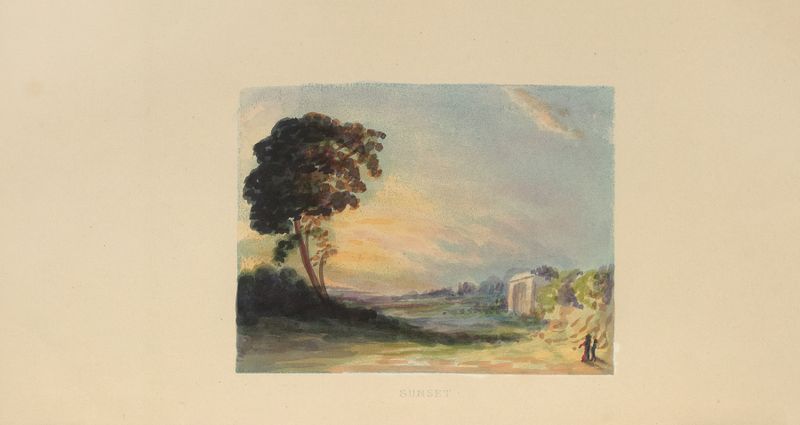
Sunset
Frank Howard
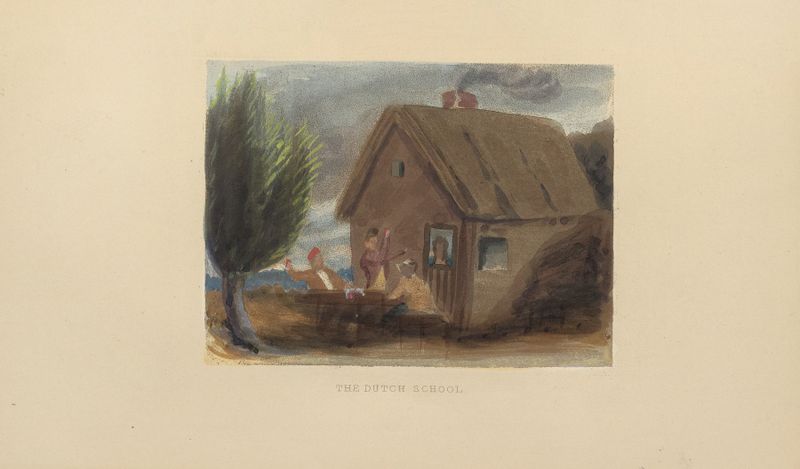
The Dutch School
Frank Howard
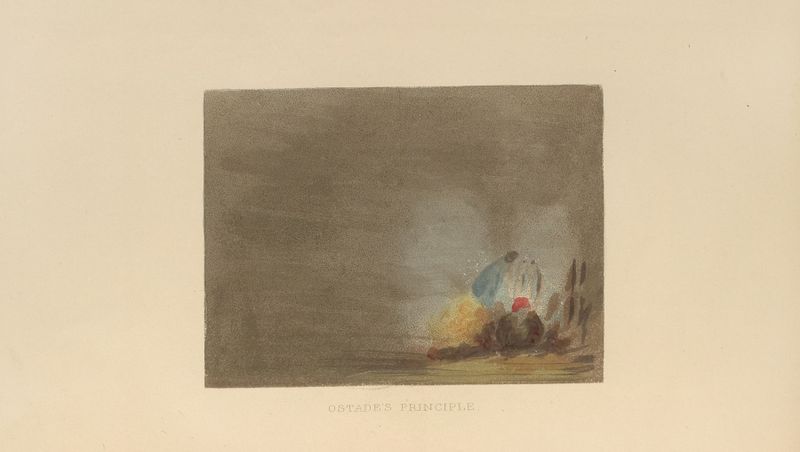
Ostade’s Principle
Frank Howard
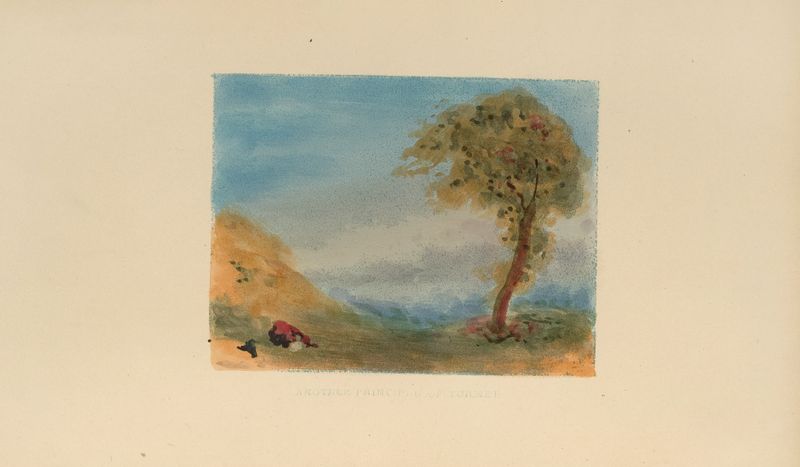
Another Principle of Turner
Frank Howard
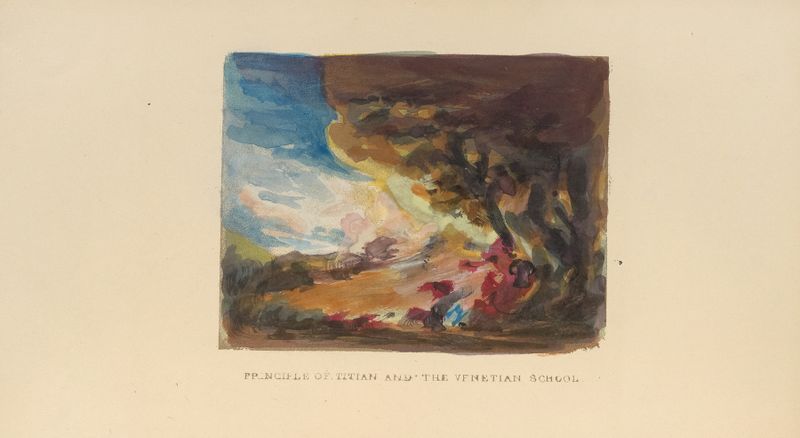
Principle of Titian and the Venetian School
Frank Howard
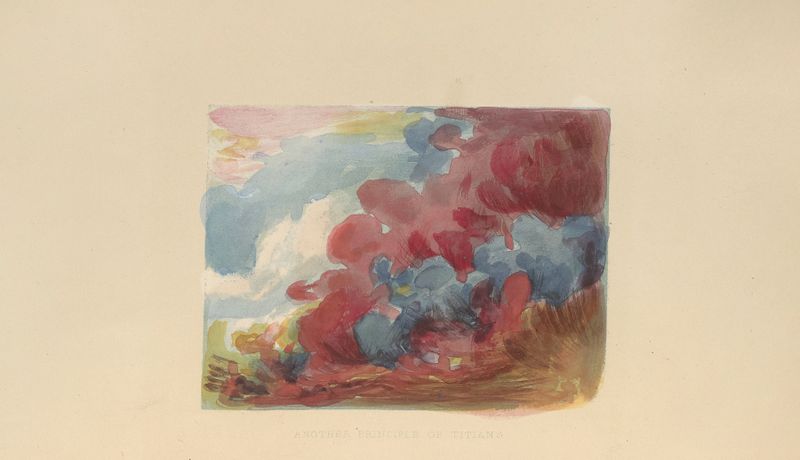
Another Principle of Titian
Frank Howard
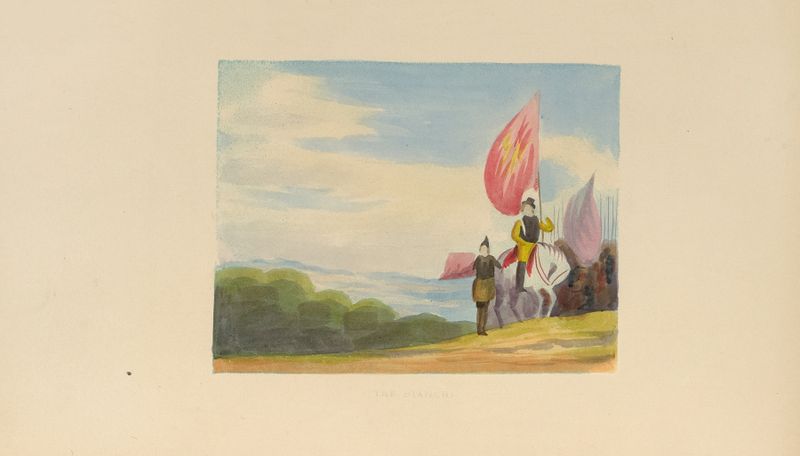
The Bianchi
Frank Howard
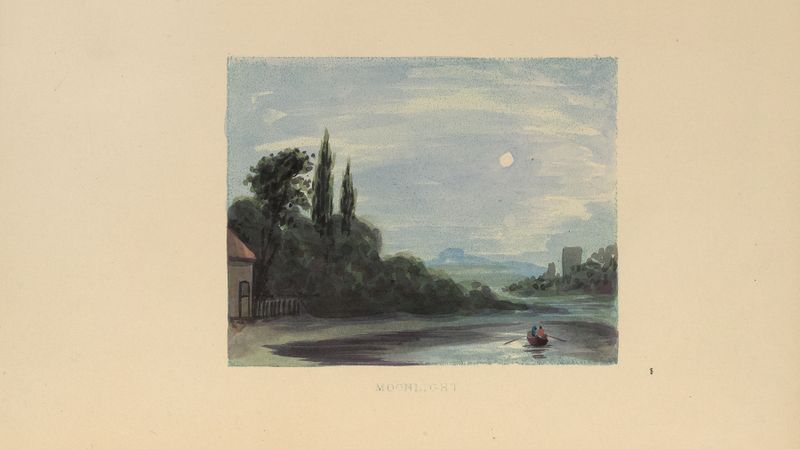
Moonlight
Frank Howard

Ruysdael and Hobbima’s Principle
Frank Howard





