
Moonlight — History & Facts
In the dance of shadows and light, madness finds its voice, whispering through the vibrant strokes of an artist’s hand. Look to the center of the canvas, where a luminous moon spills its silvery glow over a tumultuous landscape. Notice how the light falls upon the undulating waves of the water, each ripple capturing the celestial radiance, blurring the line between reality and dreams. The palette is alive with deep blues and rich blacks, punctuated by the ethereal glow of the moon, creating a captivating contrast that draws in the viewer, inviting contemplation. Amidst the beauty lies an undercurrent of emotional tension.
The chaos in the swirling waters evokes a sense of turmoil, perhaps reflecting the artist's own struggles. The serenity of the moonlit scene juxtaposed with the fierce movement of the waves suggests a battle between peace and disorder, creating a dialogue about the nature of madness. Each brushstroke feels deliberate yet frenetic, as if the artist channels that very chaos into something transcendent, an unsettling yet oddly comforting harmony. In 1838, Frank Howard painted this work during a time marked by personal challenges and artistic exploration.
Emerging from an era that celebrated romanticism, he navigated the complexities of his surroundings, reflecting the emotional highs and lows in his art. This piece encapsulates a moment of creative fervor, a manifestation of his pursuit to find beauty in chaos as he sought to express the human experience amidst the uncertainties of life.
More Artworks by Frank Howard
Browse all →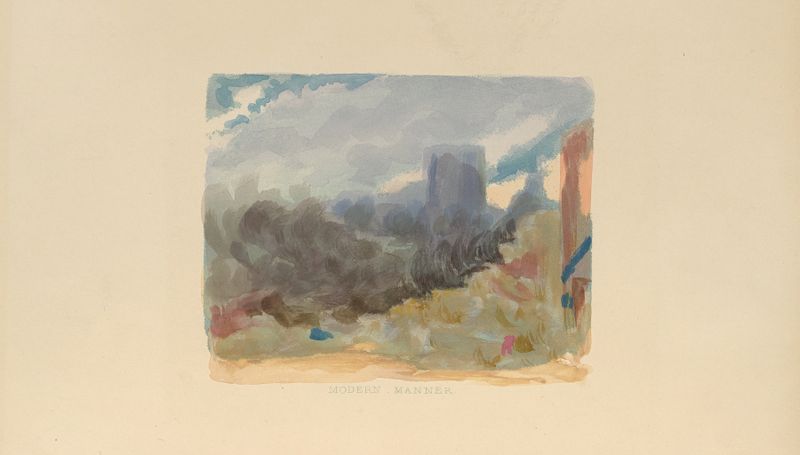
Modern Manner
Frank Howard
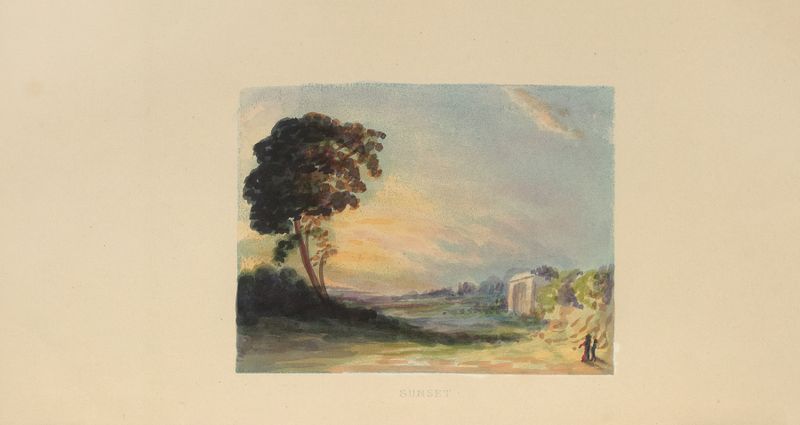
Sunset
Frank Howard

The Dutch School
Frank Howard
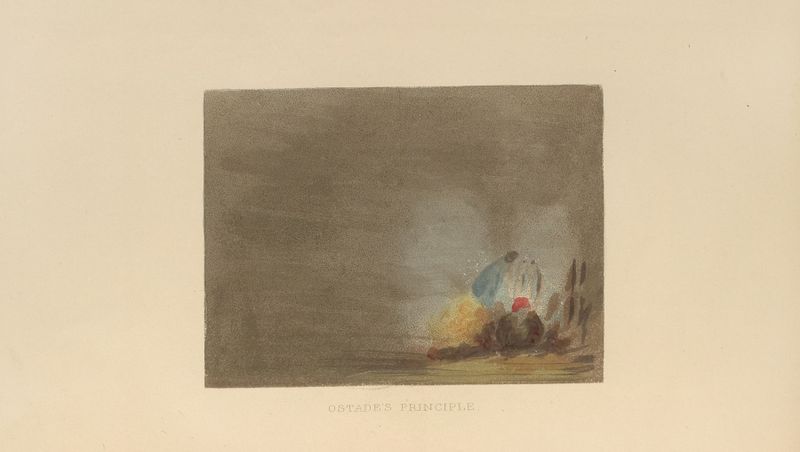
Ostade’s Principle
Frank Howard
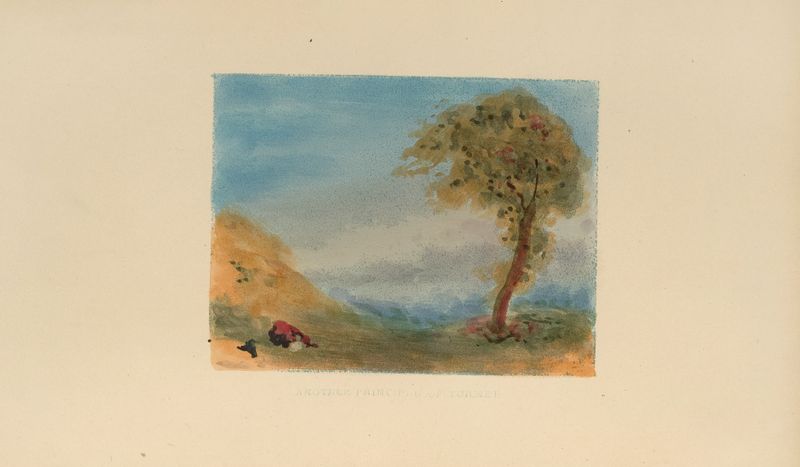
Another Principle of Turner
Frank Howard
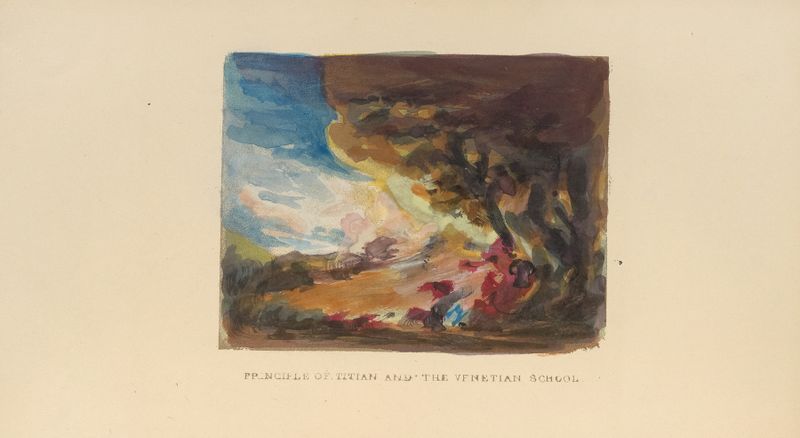
Principle of Titian and the Venetian School
Frank Howard
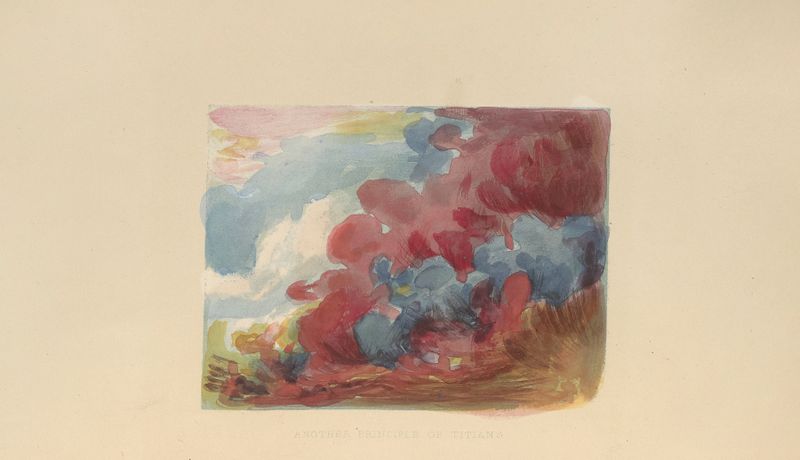
Another Principle of Titian
Frank Howard
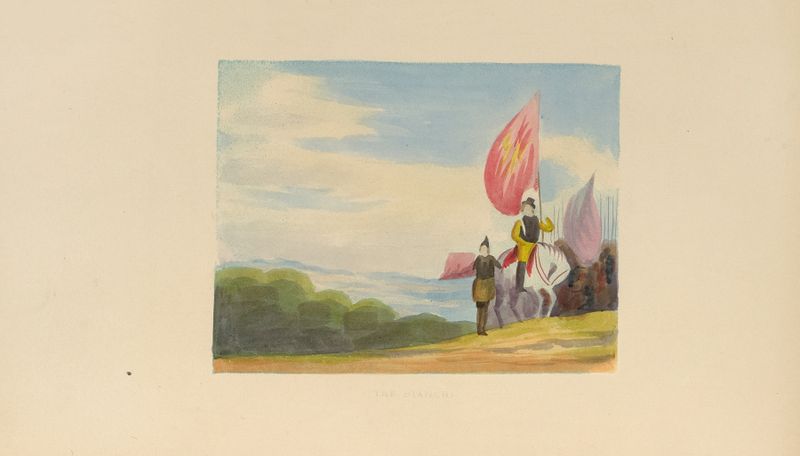
The Bianchi
Frank Howard
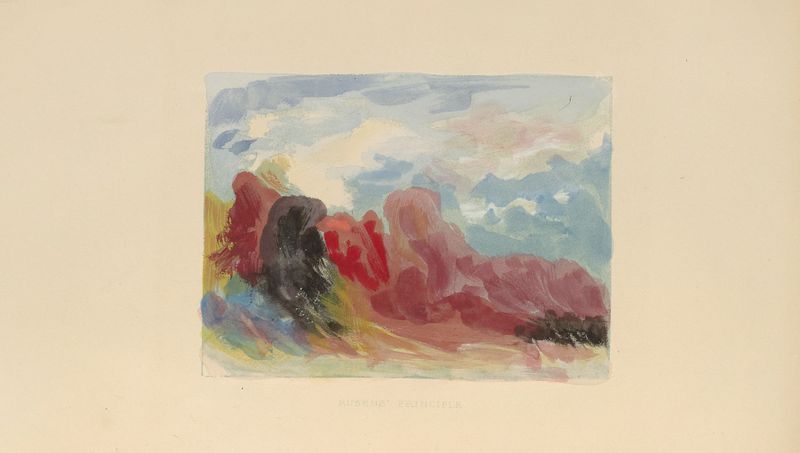
Ruben’s Principle
Frank Howard

Ruysdael and Hobbima’s Principle
Frank Howard





