Anse de Banyuls — History & Facts
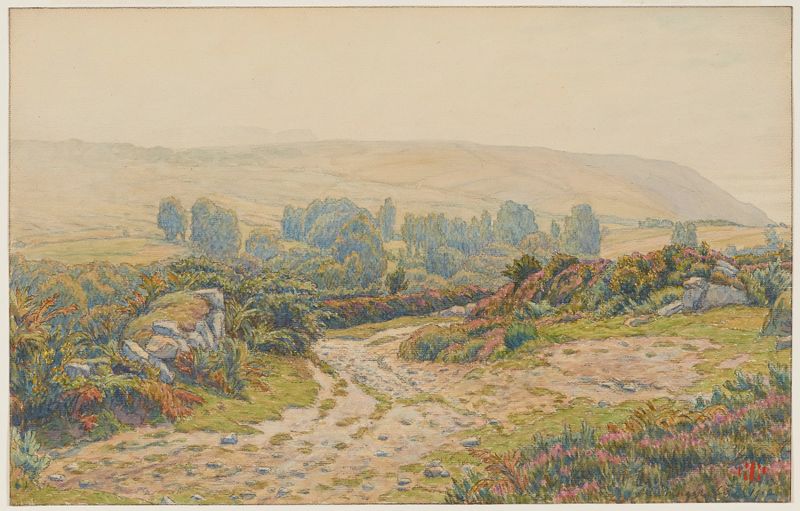
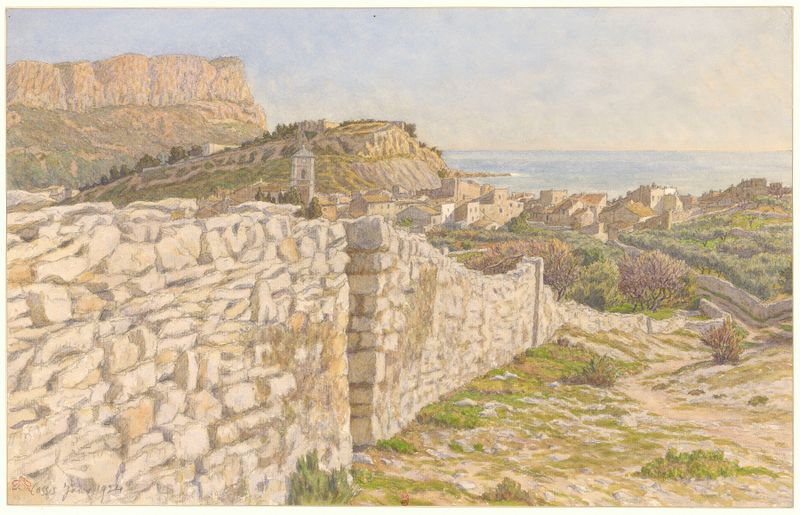
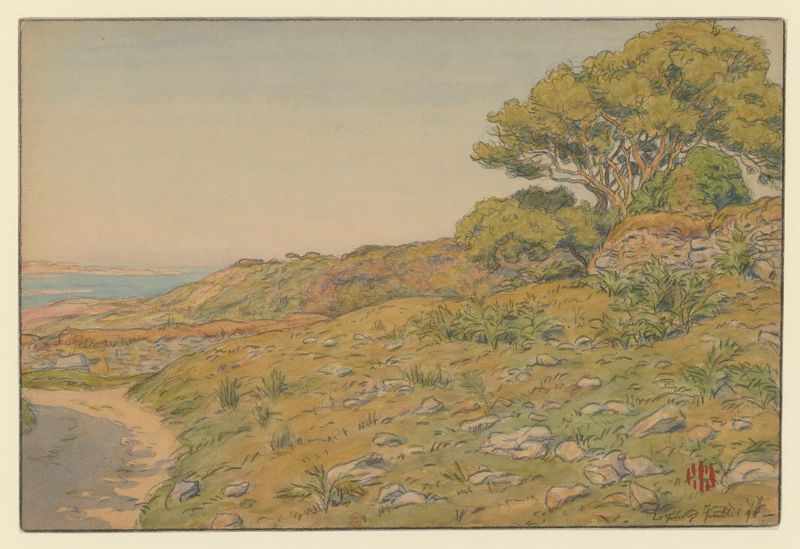
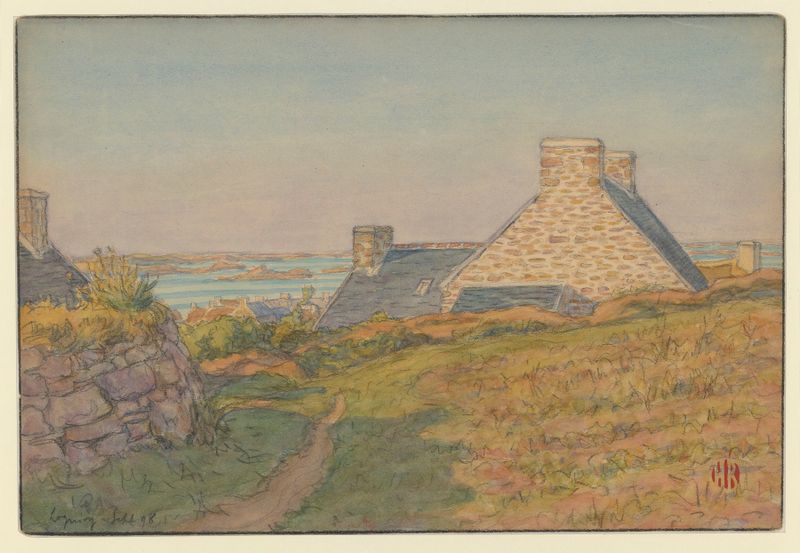
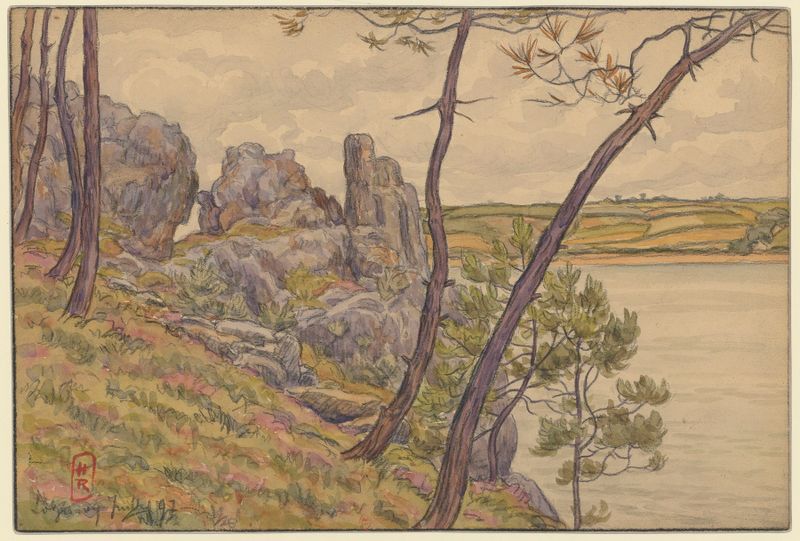
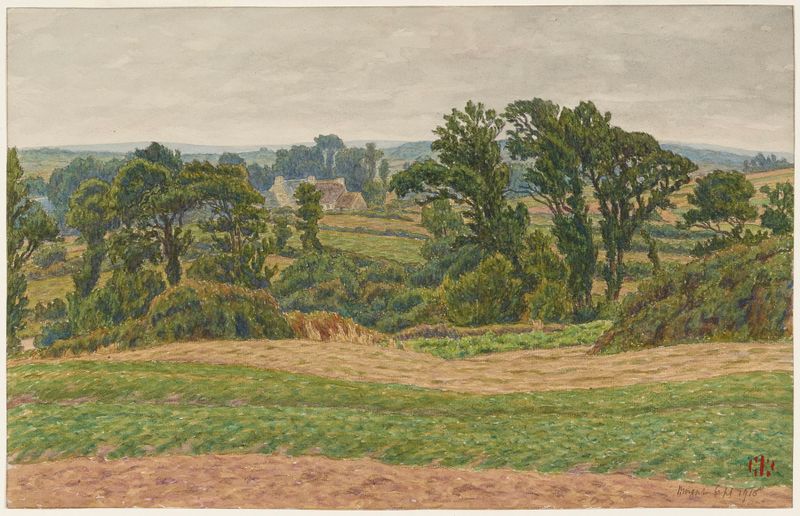
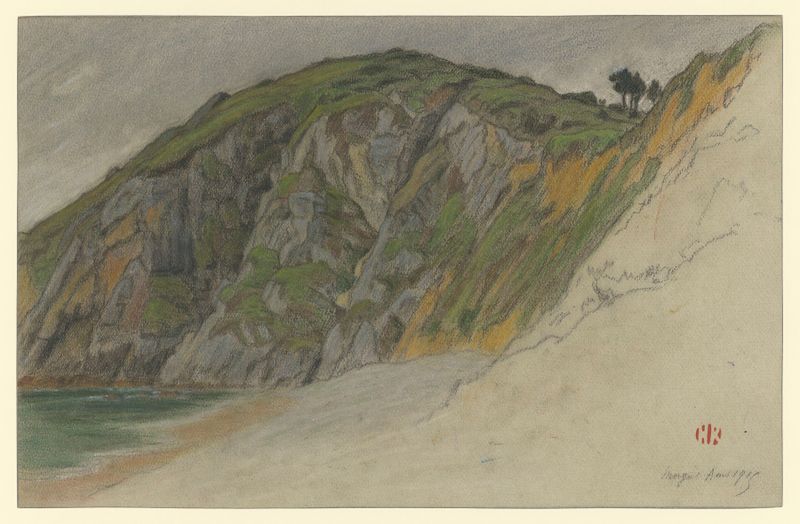
In its stillness, it bears witness to the passage of time and the inevitability of decay, echoing the quiet truths of existence. Every brushstroke whispers of history, reminding us of what once thrived and what is now relinquished. Focus on the soft, muted colors that envelop the landscape, inviting you to explore its serene yet melancholic beauty. The gentle transitions from earthy browns to faded greens create a sense of nostalgia, while the subtle textures of the canvas pull you deeper into the scene.
Notice how the horizon line is delicately blurred, suggesting a merging of land and sea, and allowing for an ethereal quality that speaks to fragility. Beneath the surface, the tension of decay weaves a narrative of life’s impermanence. The crumbling cliffs hint at erosion, a slow surrender to nature's relentless march. Meanwhile, the quiet waters reflect this turmoil, their stillness contrasting sharply with the dynamic forces at play in the background.
Each element serves as a reminder that beauty, too, is transient — an exquisite moment forever caught between existence and oblivion. Henri Rivière created Anse de Banyuls in 1927, a period when he was deeply involved in the avant-garde movement in Paris. Influenced by the likes of Impressionism and Post-Impressionism, his work conveyed a profound connection to nature and the passing of time. During this year, the art world was embracing new perspectives, and Rivière’s exploration of decay within vibrant landscapes resonated with the broader themes of change and loss prevalent in society.