Morgat — History & Facts
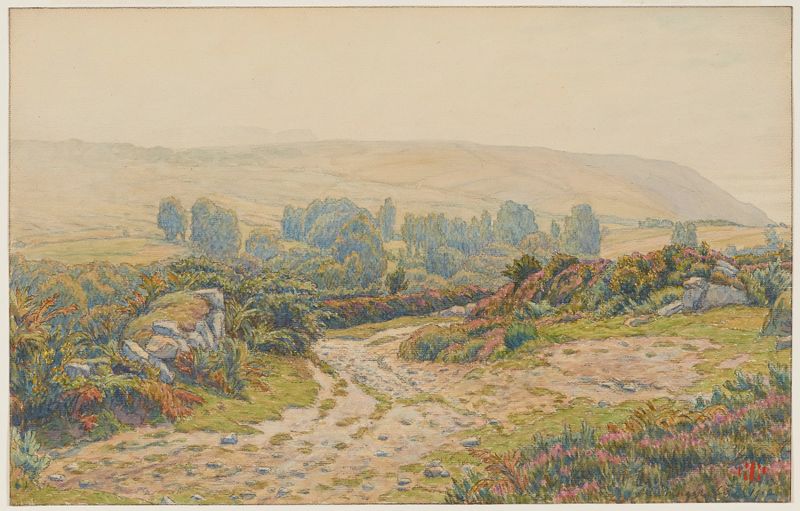
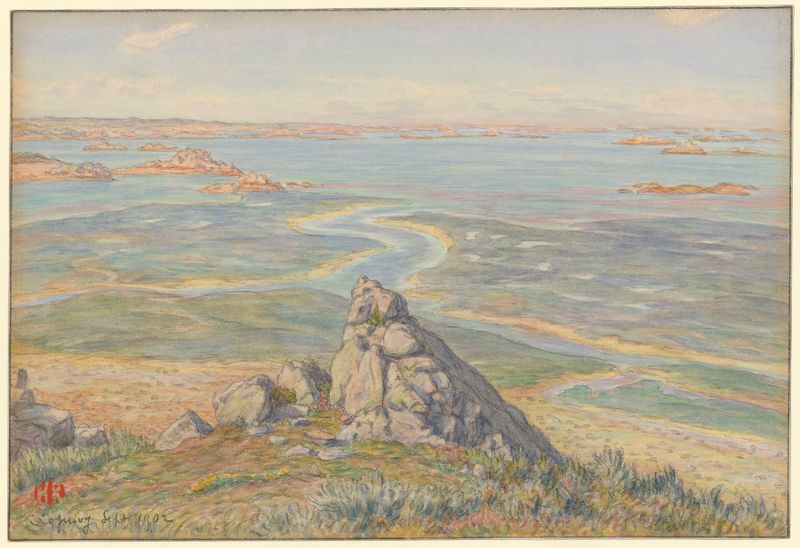
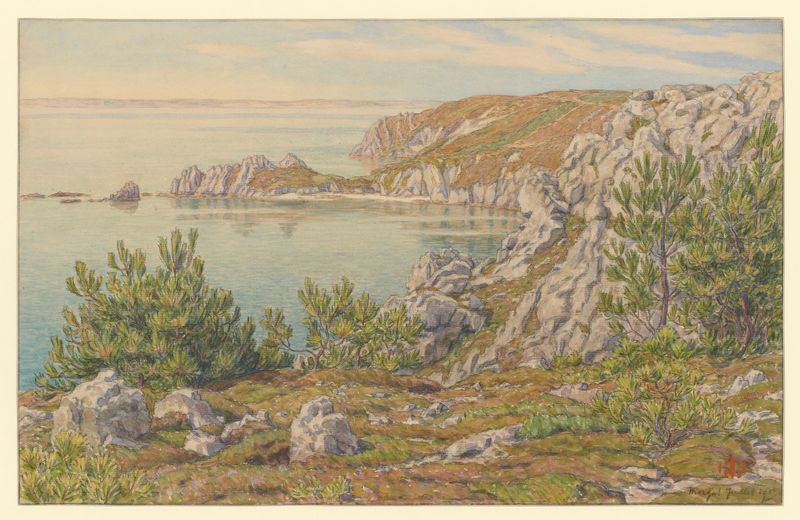
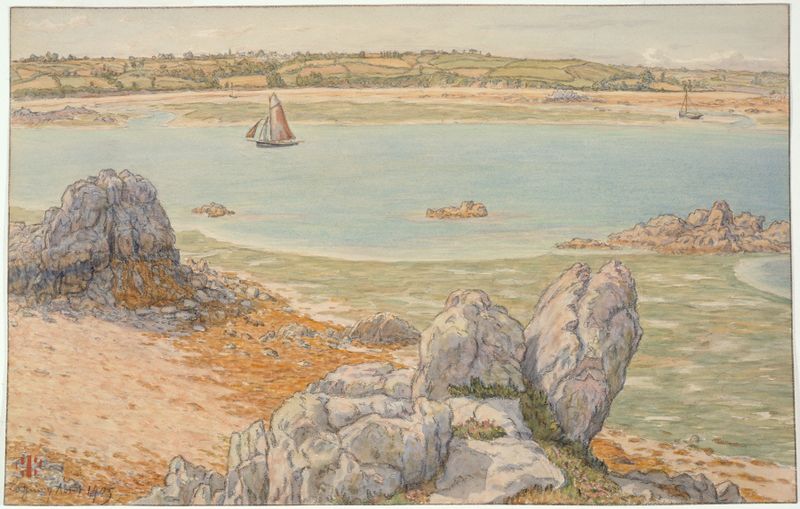
What if silence could speak through light? In Morgat, a gentle hush envelops the coastal landscape, whispering the unexpressed longing of the sea. Focus on the horizon where the advancing waves meet the delicate pastel sky, a soft gradient transitioning from lavender to golden hue. The artist’s brushstrokes reveal an ethereal quality, as if the light itself were a character, dancing across the canvas. Notice how the foreground cliffs, painted in muted greens and browns, stand stoically against the dynamic backdrop, emphasizing the serenity of the moment and inviting the viewer to lose themselves in the stillness of the scene. Hidden within the tranquil composition is a tension between permanence and transience.
The cliffs, steadfast and unyielding, contrast with the ephemeral waves that crash and recede, suggesting a dialogue between the earth and the ever-changing sea. This interplay evokes a sense of longing, as if the viewer yearns for both the stability of land and the freedom of water. The delicate light captures a fleeting moment, encapsulating the bittersweet nature of memory and desire. In 1911, Henri Rivière created Morgat during his time in France, where he was immersed in the Impressionist movement's influence.
At this period, he explored the relationship between light and nature, reflecting his own introspective journey. The world was shifting rapidly, with modernity encroaching, yet Rivière turned to the timeless beauty of the coastline, seeking solace in its enduring presence.