Brume et rosée. Landes de Pors Léonnec. Morgat — History & Facts
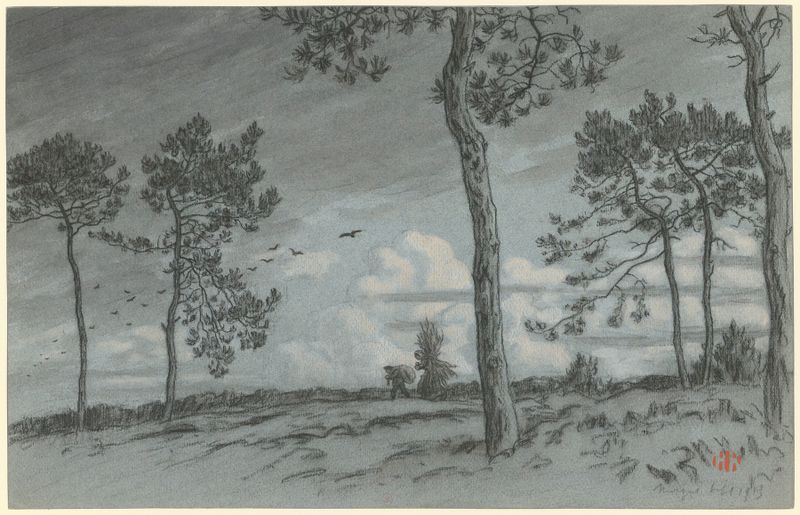
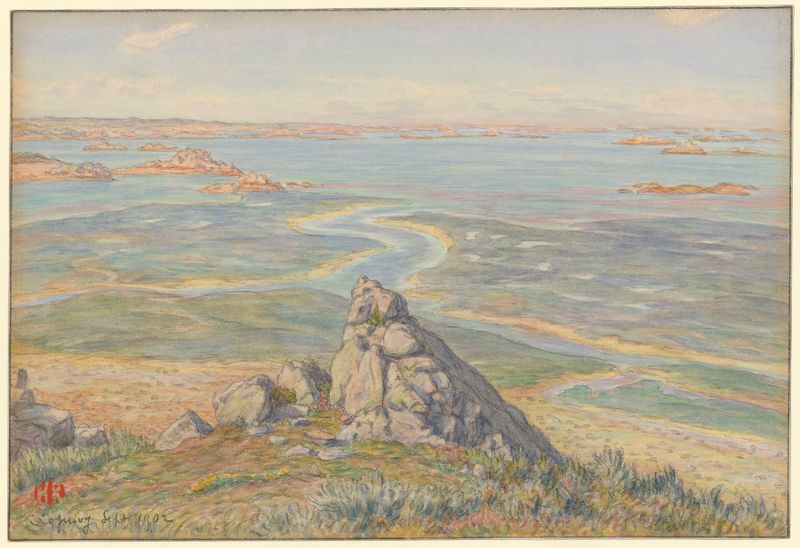
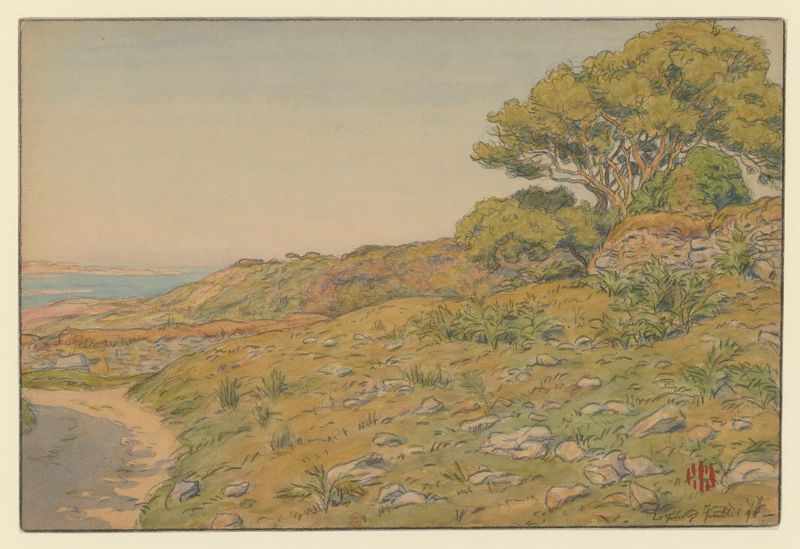
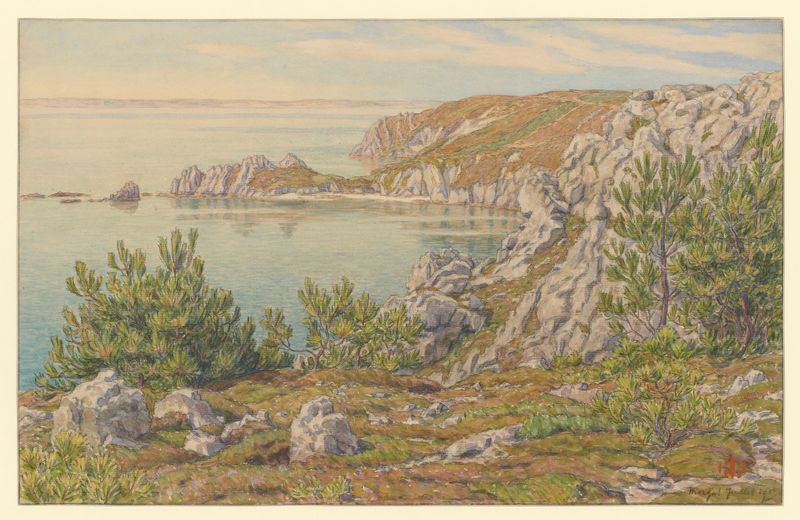
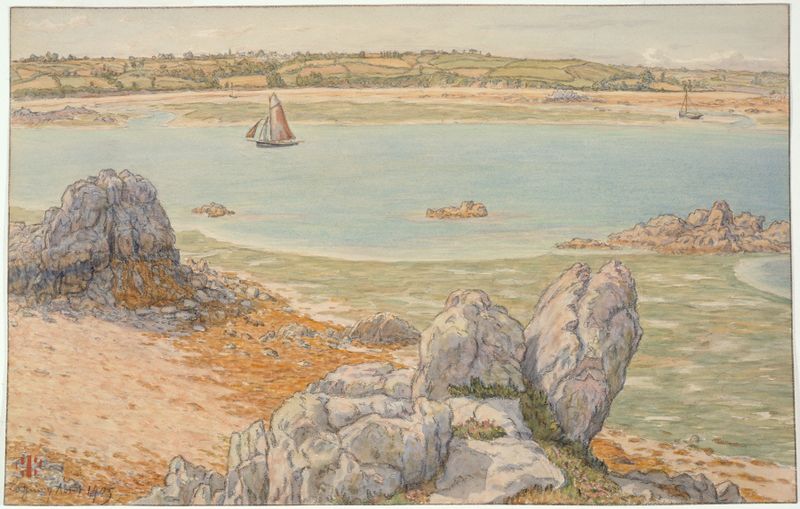
In the delicate interplay of fog and dew, the essence of loss emerges, whispering secrets of what once was and what remains unseen. Focus first on the mist that envelops the landscape, where soft hues of blue and gray blend seamlessly into the canvas. Look closely at the gentle brushstrokes that create a sense of movement, as if the fog itself breathes with life. The subtle play of light filtering through the haze illuminates patches of color, hinting at the vibrancy of nature beneath the pallor of the mist.
The composition draws you in, inviting contemplation of the tranquil yet melancholic scene. At the heart of Brume et rosée lies a poignant contrast between visibility and obscurity. The looming fog symbolizes the weight of absence, while the verdant land peeking through hints at vitality and potential renewal. Each droplet of dew clinging to the grass represents moments of clarity amid an overwhelming veil.
This duality evokes a profound emotional tension, revealing not only the beauty of the landscape but also the ache of what it signifies—memories indelibly etched into the soft earth. Henri Rivière painted this piece in 1910, during a period when he was deeply influenced by the Symbolist movement, which sought to convey emotions through nature and atmosphere. Working in Brittany, a region imbued with rich maritime history, he sought to capture the ethereal quality of light and fog that defined the landscape. This painting was a response to both personal experiences of loss and the broader artistic exploration of mood, setting it apart as a testament to the profound connection between art and emotion.