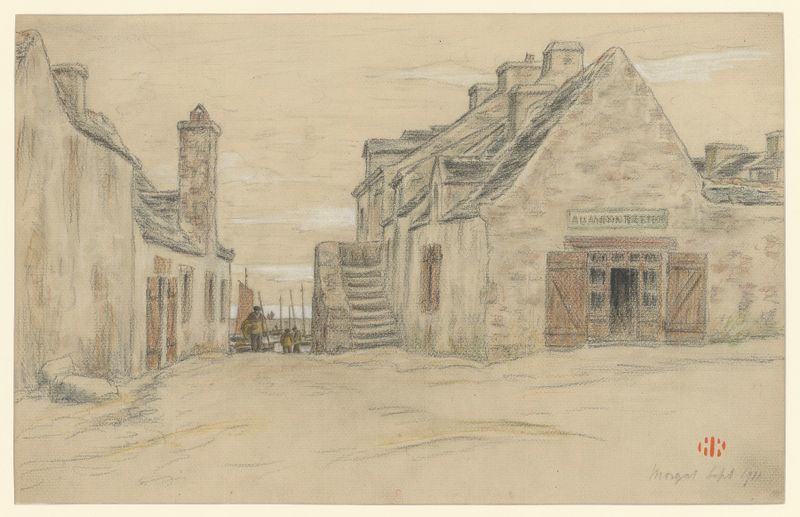
Morgat — History & Facts
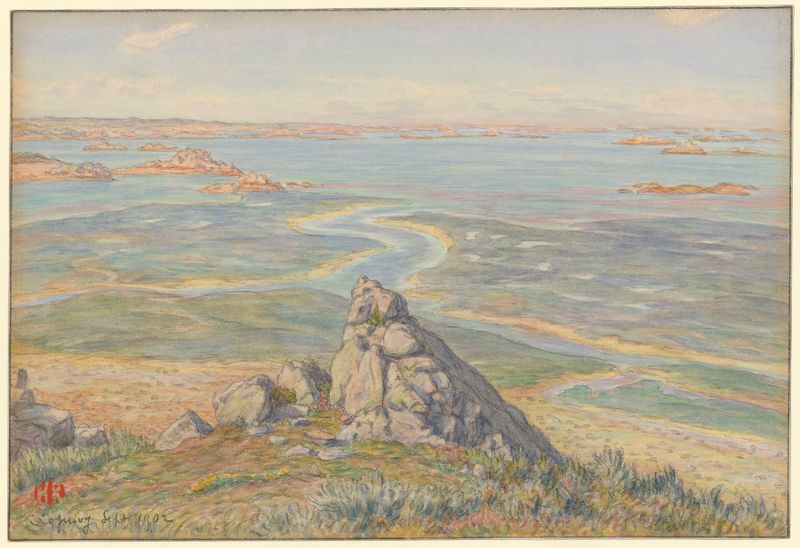
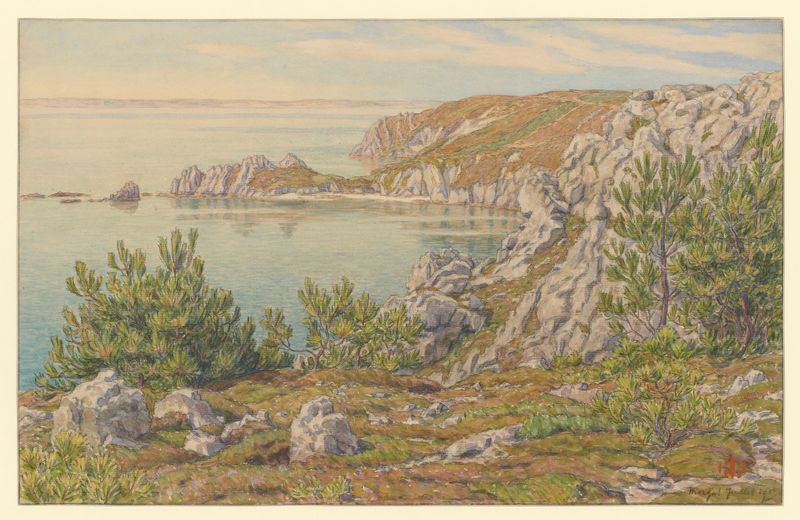
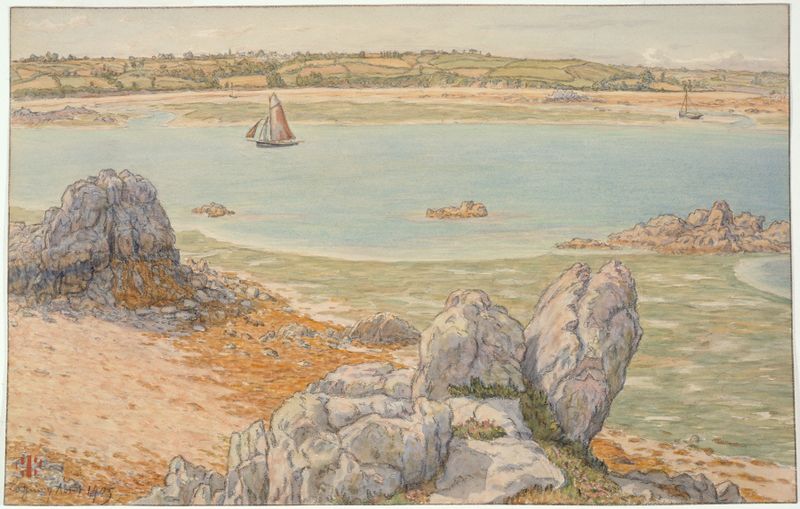
In the haunting embrace of memory, fear lingers in the shadows, where past and present converge in silence. Look to the center of the canvas, where the tumultuous waves crash against the rocky shoreline, their frothy edges whispering secrets of the deep. The artist employs a muted palette dominated by sea greens and grays, punctuated with stark whites, evoking both the fierce beauty and trepidation of nature. The composition draws your gaze upwards, where a brooding sky looms overhead, heavy with clouds, suggesting an impending storm that mirrors the emotional weight of the scene. Beneath the surface of this coastal view lies a delicate tension between tranquility and chaos.
The stark contrast between the calm rocks and the violent sea echoes the duality of fear—its silent presence lurking beneath the façade of peace. Each brushstroke encapsulates an unspoken narrative, where the viewer can almost feel the chill of the wind and hear the distant roar of the waves, conjuring reflections on the fragility of existence amid nature’s indifference. During the year this piece was created, the artist was residing in France, amidst the turmoil of World War I. In this time of uncertainty and societal upheaval, Rivière sought solace in the coastal landscape, using it as a means to escape and reflect on the human condition.
His work embodies a duality of remembrance and fear, a poignant reminder of what it means to confront the unknown.