Cassis — History & Facts
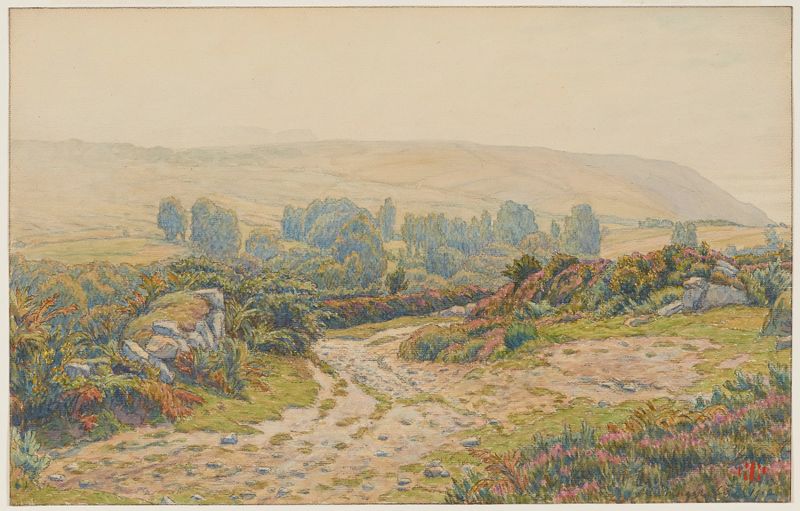
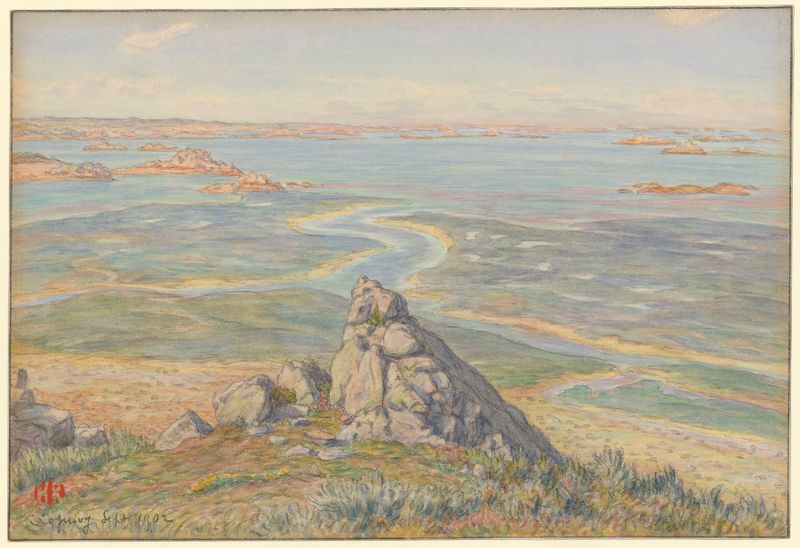
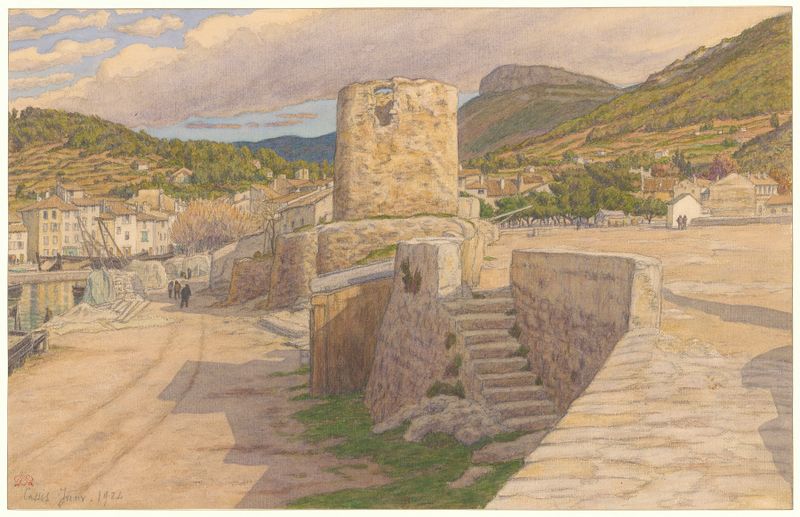
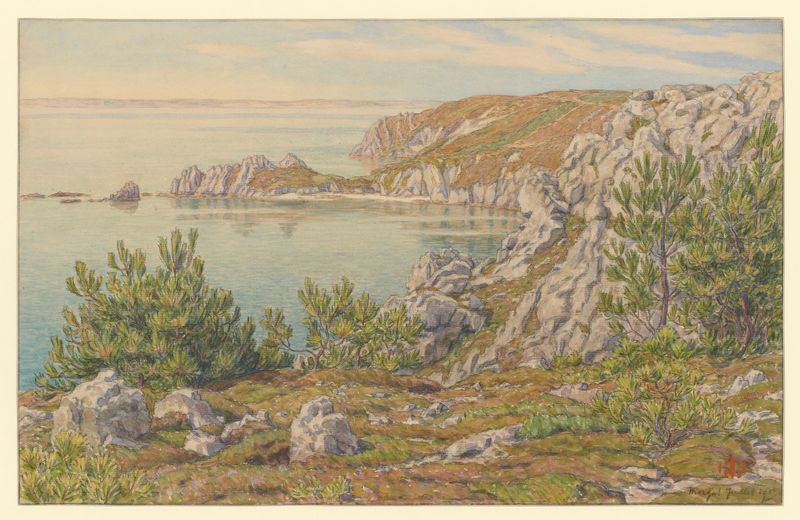
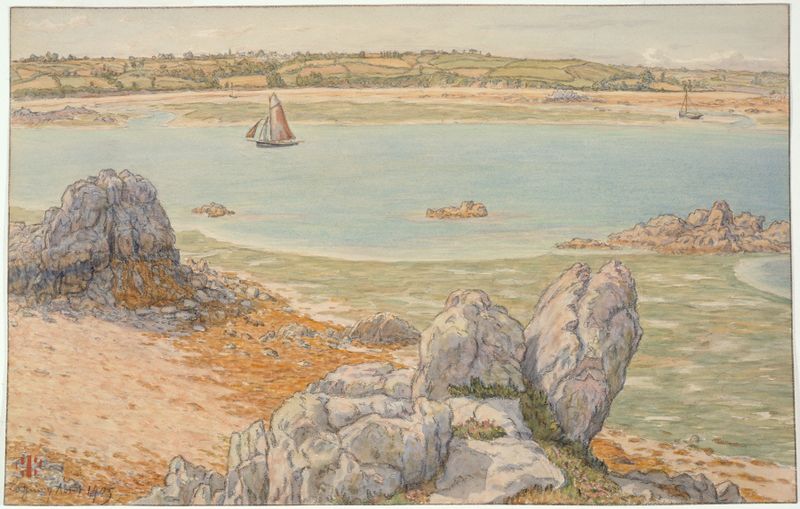
When did color learn to lie? The allure of hues can deceive, wrapping emotions in silken veils while obscuring the truths we fear to confront. Focus on the bold contrasts in Cassis, where deep blues collide with vibrant oranges, creating an electrifying tension that both captivates and unsettles. Look closely at the horizon line, where the sky meets the sea; notice how the sun sinks into the water, casting ripples of radiant light that seem to dance on the surface, inviting yet menacing. The brushwork is both deliberate and fluid, a paradox that evokes the turbulent nature of the scene, where beauty and danger coexist. Beneath the surface, this artwork whispers secrets of longing and trepidation.
The jagged cliffs stand as guardians, casting ominous shadows that stretch across the water, suggesting an unseen peril lurking just beyond the beauty. The vibrant colors may seduce the eye, but they also provoke a feeling of disquiet, as if the viewer has stumbled upon a paradise that conceals darker truths. This duality of allure and fear resonates through the piece, challenging us to question our perceptions of beauty and safety. In 1924, Rivière created Cassis during a time of personal and artistic exploration in his life.
Living in France, he was influenced by the burgeoning modernist movement, seeking to merge traditional landscapes with innovative expressions of emotion. The tumultuous period between the world wars shaped his vision, leading him to capture not only the external world but the internal tensions that defined the human experience.