
Anstey — History & Facts
What if silence could speak through light? In Anstey, a gentle embrace of dawn transforms the landscape, whispering the promise of rebirth with every brushstroke. The interplay of shadow and illumination invites contemplation, urging the viewer to reflect on renewal in nature and the quiet moments that precede it. Look to the center of the canvas, where soft golden hues blend seamlessly with the cool blues of early morning sky. Notice how the light cascades over the rolling hills, creating a harmonious balance between warmth and tranquility.
Griggs employs an impressionistic technique, allowing each stroke to breathe life into the foliage and water, while the expansive sky looms overhead, subtly dominating the scene. The color palette exudes serenity, inviting one to linger in the moment. Delve deeper, and you'll uncover layers of meaning within the tranquil landscape. The gentle ripples of the water suggest the passage of time, hinting at nature's eternal cycles.
The towering trees, with their sturdy forms, symbolize resilience amidst change, standing guard over the peaceful scene. This delicate harmony between light and shadow encapsulates the tension between stillness and movement, capturing a fleeting sensation of hope as the day begins anew. Frederick Landseer Maur Griggs painted Anstey in 1902, during a period when the arts were increasingly embracing impressionistic styles. Living in the English countryside, he immersed himself in the landscape, drawing inspiration from both his surroundings and the profound shifts occurring in the art world.
This work reflects his personal search for beauty in nature, marking a pivotal moment in his career as he sought to convey the emotional depth found in simple scenes of rural life.
More Artworks by Frederick Landseer Maur Griggs
Browse all →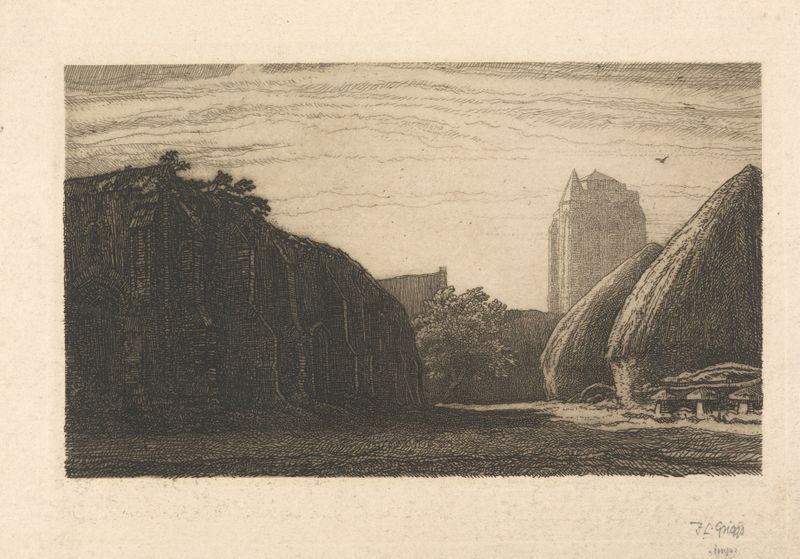
Maur’s Farm
Frederick Landseer Maur Griggs
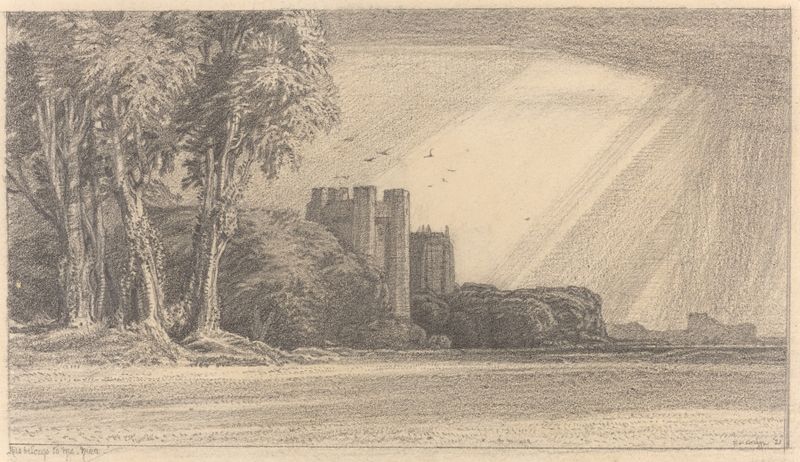
Landscape with Castle
Frederick Landseer Maur Griggs
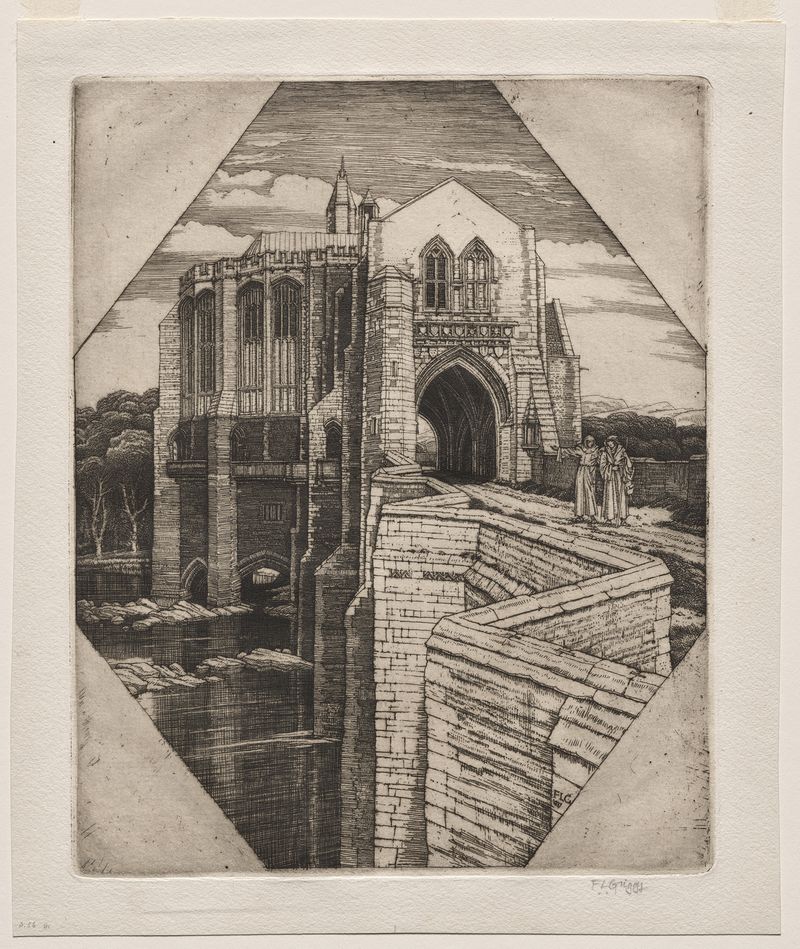
St. Botolph’s Bridge No. 2 1937
Frederick Landseer Maur Griggs
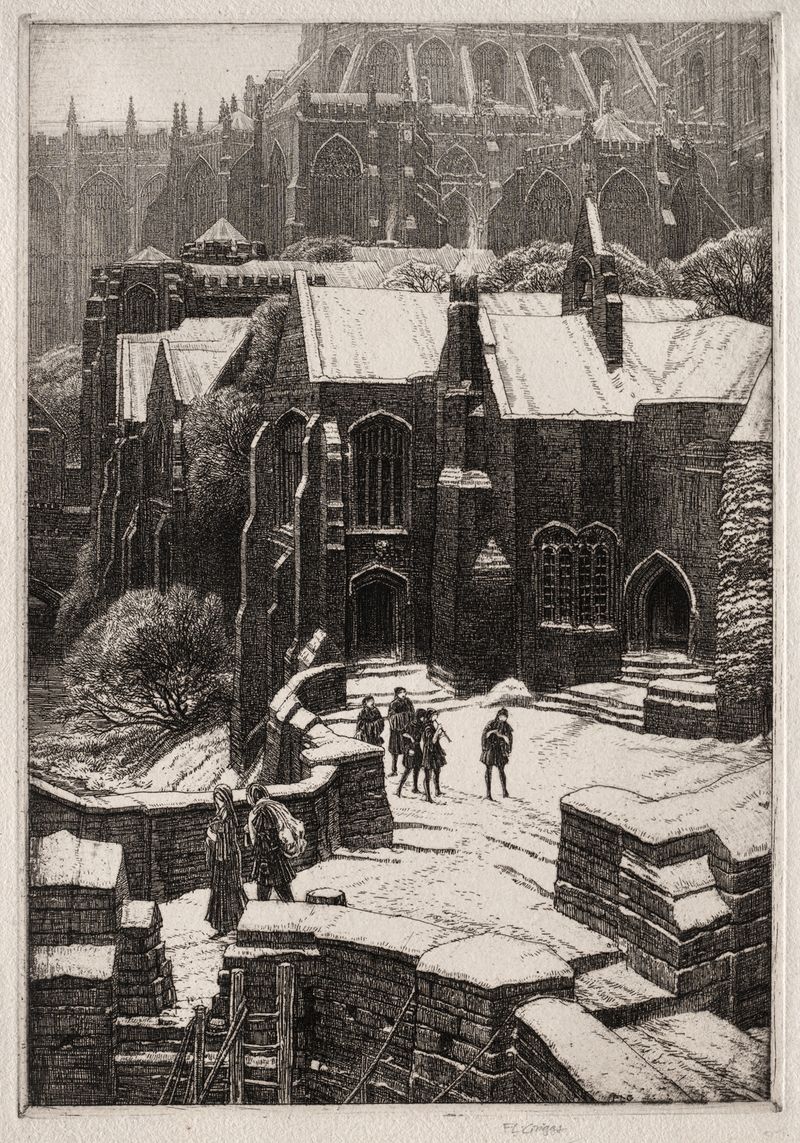
The Almonry
Frederick Landseer Maur Griggs

The Cresset
Frederick Landseer Maur Griggs
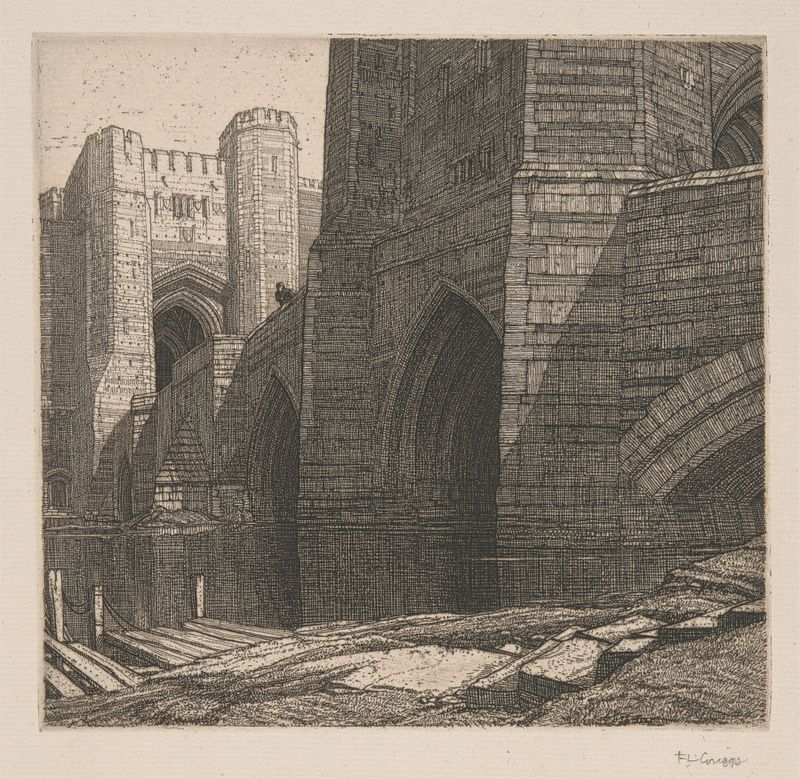
The Barbican
Frederick Landseer Maur Griggs

Maur’s Farm
Frederick Landseer Maur Griggs
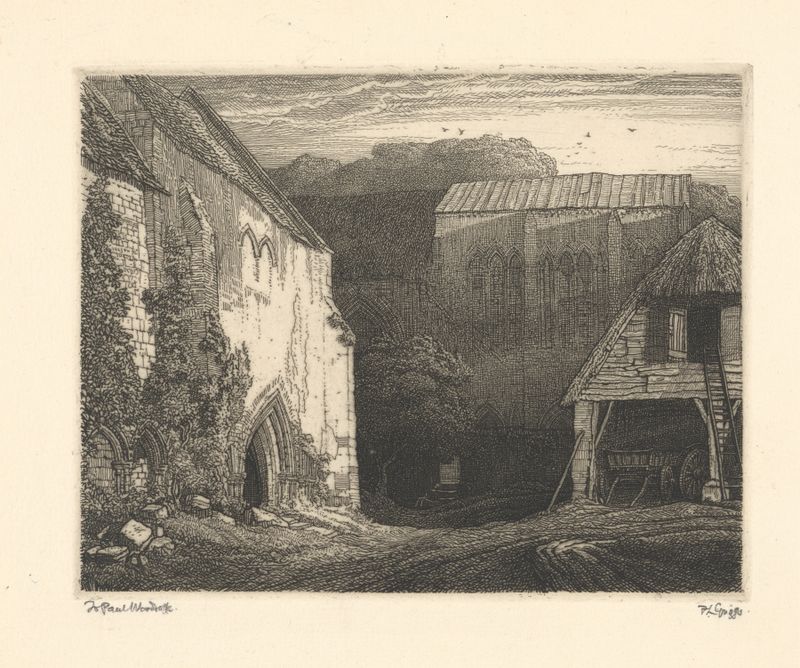
Priory Farm
Frederick Landseer Maur Griggs

St. Wendred’s March
Frederick Landseer Maur Griggs
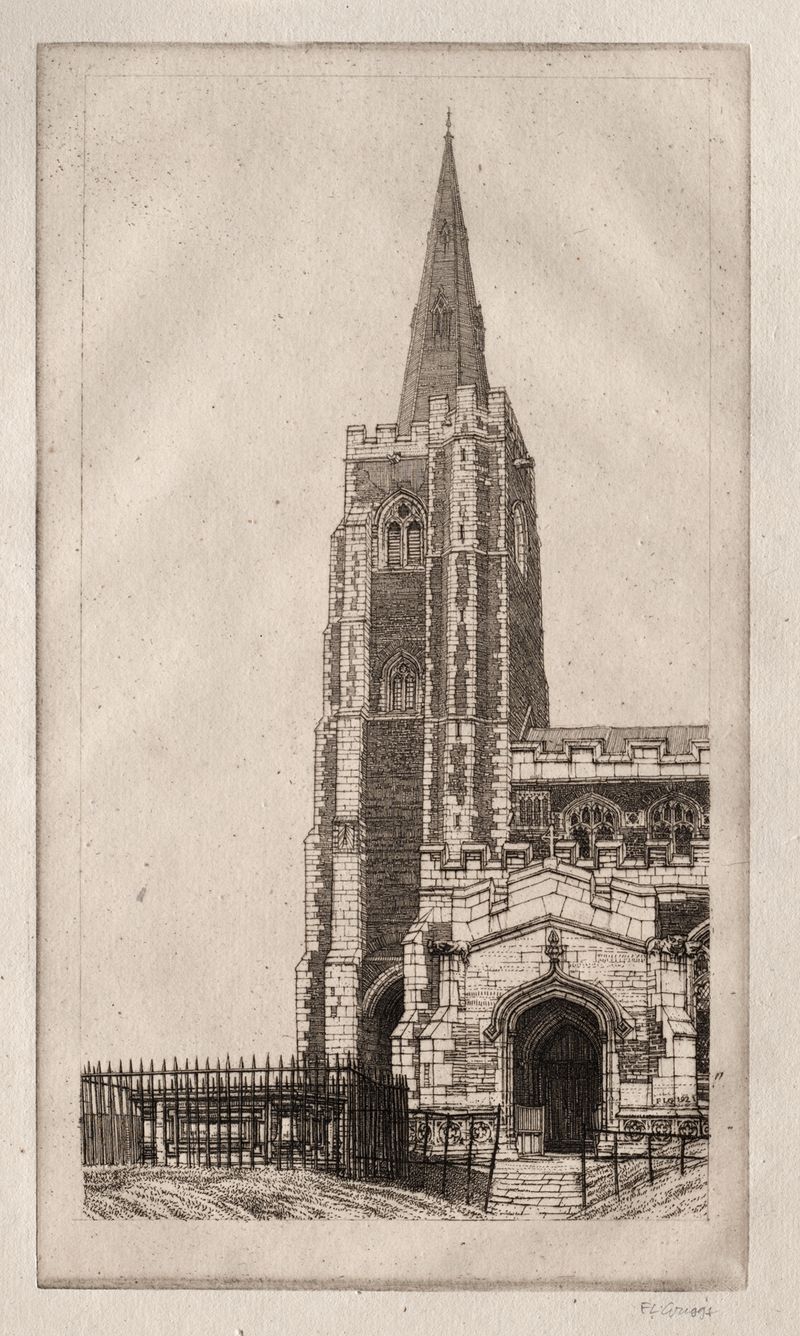
St. Wendred’s, March
Frederick Landseer Maur Griggs





