Antique Ruins along a Mountain Coast — History & Facts
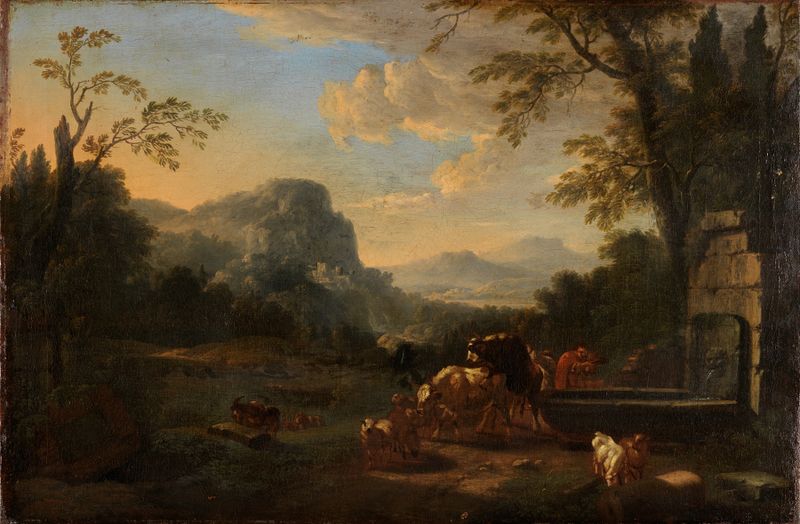
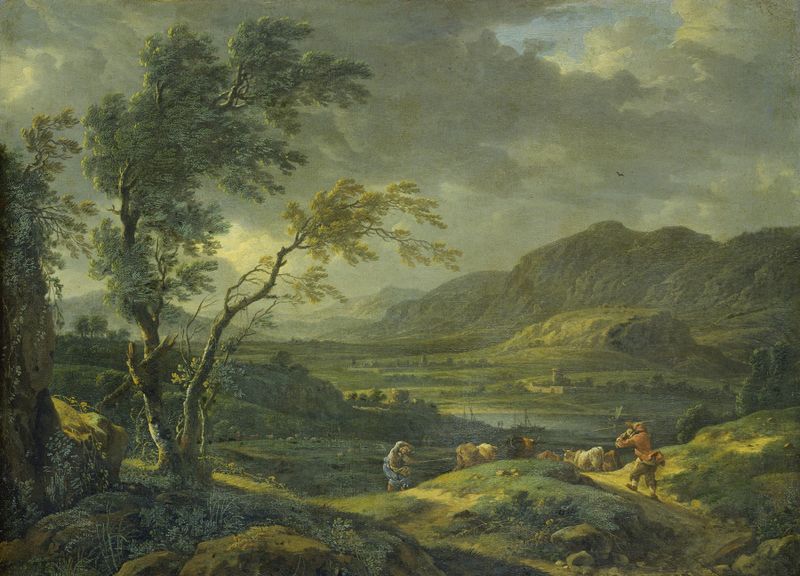
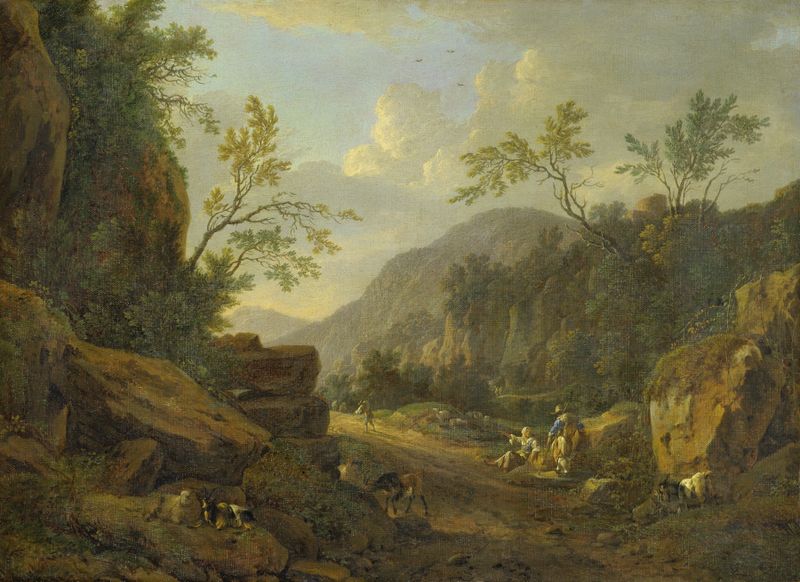
In Antique Ruins along a Mountain Coast, the essence of dreams and lost histories collides, offering a glimpse into both the past and the imagination. Focus first on the serene harmony of the coastal landscape. The viewer is drawn to the sweeping view of distant mountains, cloaked in soft mists and illuminated by a gentle dawn light. Notice how the artist employs a delicate palette of blues and greens that evoke tranquility, while the crumbling ruins—bathed in warm hues of ochre and burnt sienna—stand testament to a forgotten civilization.
The composition expertly balances the grandeur of nature with the fragility of human constructs, suggesting an invitation to reflect on time’s relentless passage. As your gaze explores further, consider the emotional undertones woven into each detail. The juxtaposition of the decadence of the ruins against the backdrop of nature's unwavering beauty speaks to the inevitable decline of all human endeavors. The clouds hovering above carry a weight of nostalgia, as if whispering tales of the past, while the water glistens with fleeting moments, reminiscent of dreams that slip through our fingers.
Together, these elements create a bittersweet tension—a reminder of both the beauty and transience of life. In the 1670s, Johann Franz Ermels painted this masterpiece during a period marked by the Baroque movement, which emphasized dramatic expression and intricate detail. Residing in the Netherlands, where artists were exploring themes of landscape and history, Ermels sought to capture the ethereal charm of antiquity intertwined with nature. This work reflects both personal introspection and the collective yearning for connection to bygone eras, solidifying its place in the historical narrative of art.