
Antlers — History & Facts
Can beauty exist without sorrow? In Antlers, a haunting interplay of form and absence reveals the duality of life’s experiences, inviting contemplation on the void we often overlook. Look to the center of the canvas, where a set of intricately rendered antlers rises, stark against a background of muted earth tones. The delicate texture of the horns contrasts with the ethereal quality of the surrounding space, suggesting a lingering presence rather than a complete image. Notice how the light dances across the surface, illuminating certain edges while leaving others shrouded in shadow, creating a sense of depth that speaks to both beauty and desolation. The juxtaposition of detail and emptiness evokes a poignant emotional tension.
The antlers, symbols of vitality and strength, stand alone—representing loss as much as they do existence. This tension is further amplified by the absence of the creature they once adorned, suggesting a narrative of absence and the inevitable passage of time. Here, Haskell captures the bittersweetness of nature, reminding us that beauty often walks hand in hand with sorrow. In 1915, Haskell created this piece during a time of personal introspection and societal upheaval.
As the world grappled with the aftermath of World War I, his work reflected a growing awareness of fragility and transience. This painting stands as a testament to that period, where art sought to address not just beauty, but the void left behind by loss.
More Artworks by Ernest Haskell
Browse all →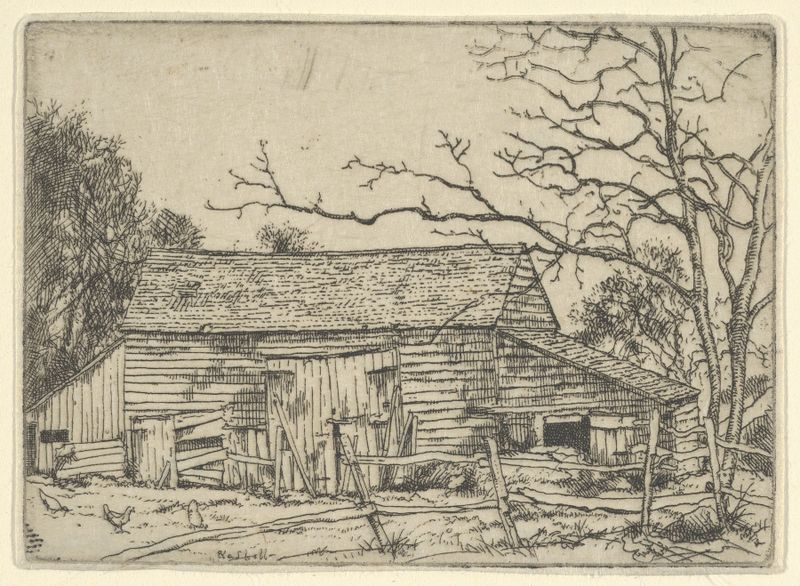
The Barn–Staten Island, N.Y.
Ernest Haskell

Four Live Oaks
Ernest Haskell
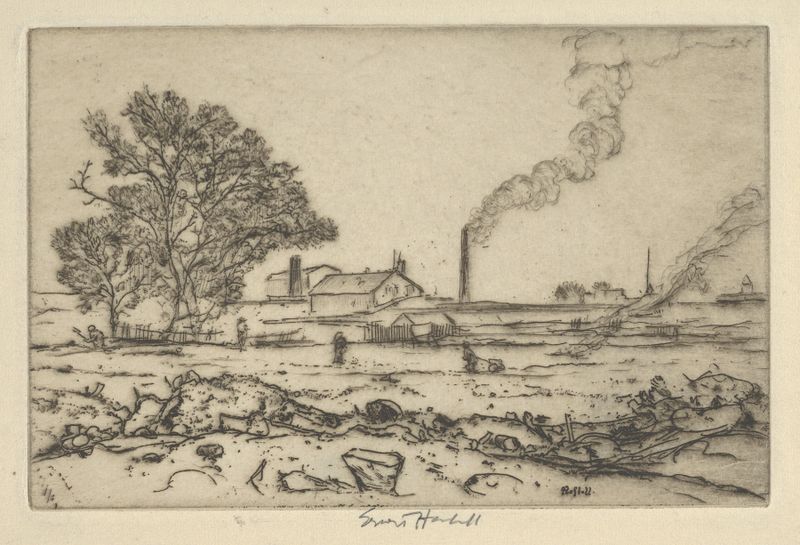
Outskirts of Boston
Ernest Haskell
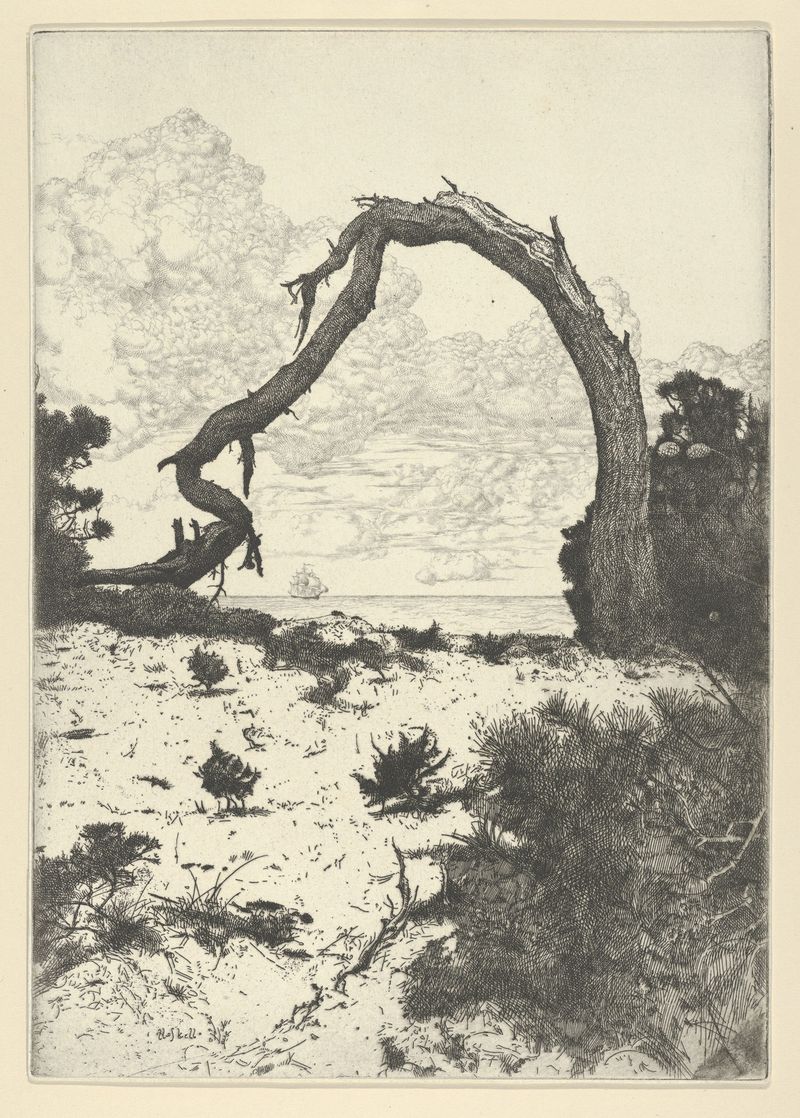
Pine Arch
Ernest Haskell

General Sherman
Ernest Haskell
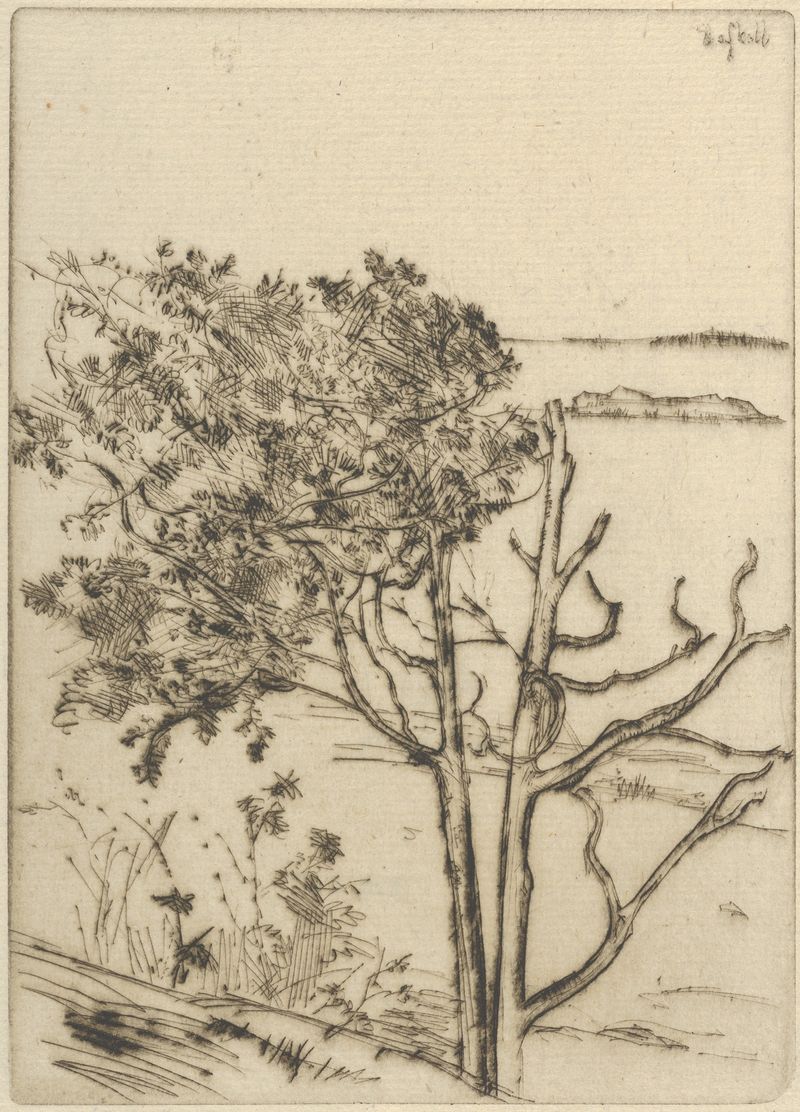
Ragged Tree – Maine
Ernest Haskell

Tide Mill
Ernest Haskell

Ship Building
Ernest Haskell
To the Southward – Ragged Island, Me.
Ernest Haskell
Long Island Marshes
Ernest Haskell





