
Anton Martin Schweigaard — History & Facts
What first catches the eye in Anton Martin Schweigaard by Adolph Tidemand is the direct, almost searching gaze of the sitter, set against a spare and softly lit background. The artist draws us in with the crisp contrast between the pale face and the dark, formal coat, letting the strong lines of the jaw and the sweep of the hair frame a look that is both thoughtful and quietly determined. Every detail—the careful knot of the cravat, the subtle highlight on the cheekbone—serves to underscore a sense of inward focus and dignity.
The light, falling from the left, models the face with a gentle realism, while the broad, shadowed coat anchors the figure in the present, lending weight and presence to the sitter’s character. Created in 1844, this portrait belongs to a period when such likenesses were more than mere records—they were statements of identity and aspiration, often commissioned by academic or civic institutions to honor figures of public life. The work now belongs to the University of Oslo, a detail that hints at the sitter’s likely significance in Norwegian intellectual or civic circles. In the mid-nineteenth century, artists like Tidemand helped shape a visual language for a rapidly modernizing Norway, blending the clarity of academic portraiture with a new sensitivity to individual psychology.
History has kept few traces of the exact circumstances behind this painting, but the careful attention to dress and bearing invites us to imagine the ambitions and ideals of a generation on the threshold of change.
More Artworks by Adolph Tidemand

Bridal Procession on the Hardangerfjord
Adolph Tidemand
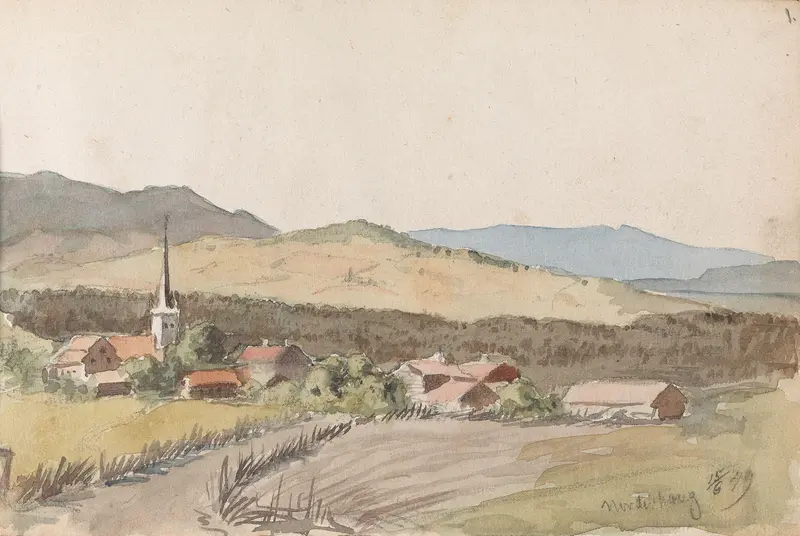
Fra Haugsbygd
Adolph Tidemand
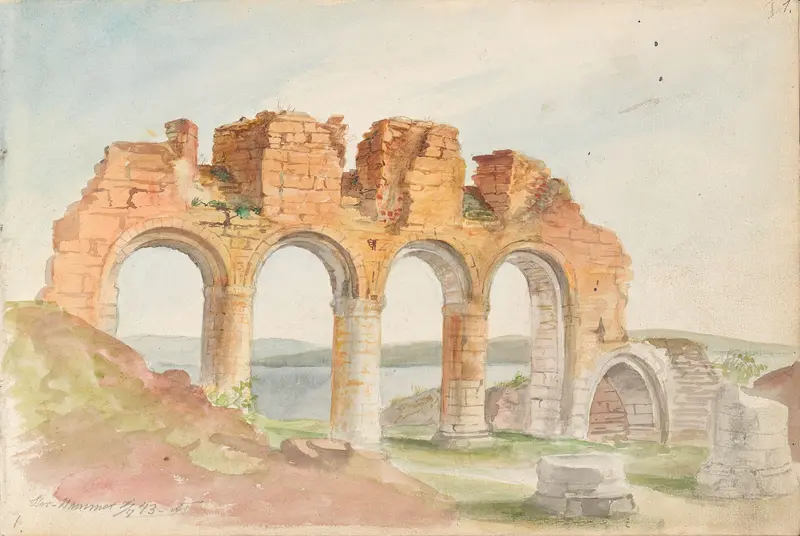
Domkirkeruinen, Hamar
Adolph Tidemand
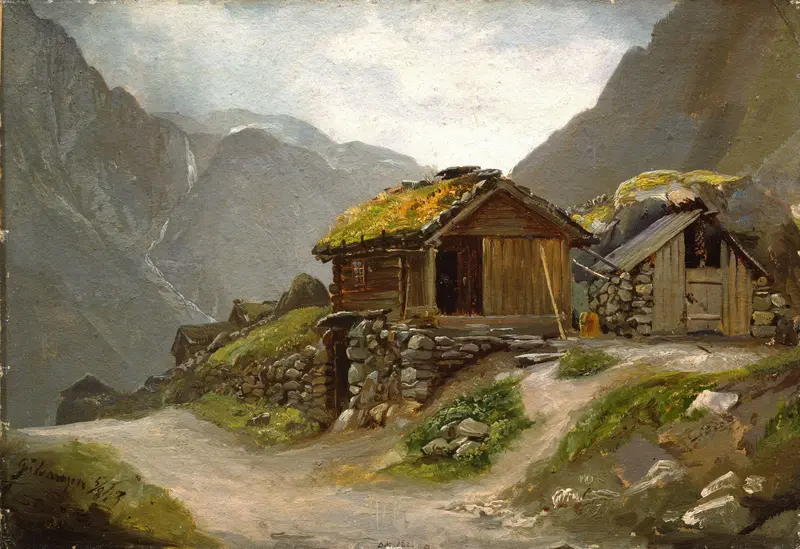
View from Gudvangen
Adolph Tidemand

View of Gudvangen
Adolph Tidemand
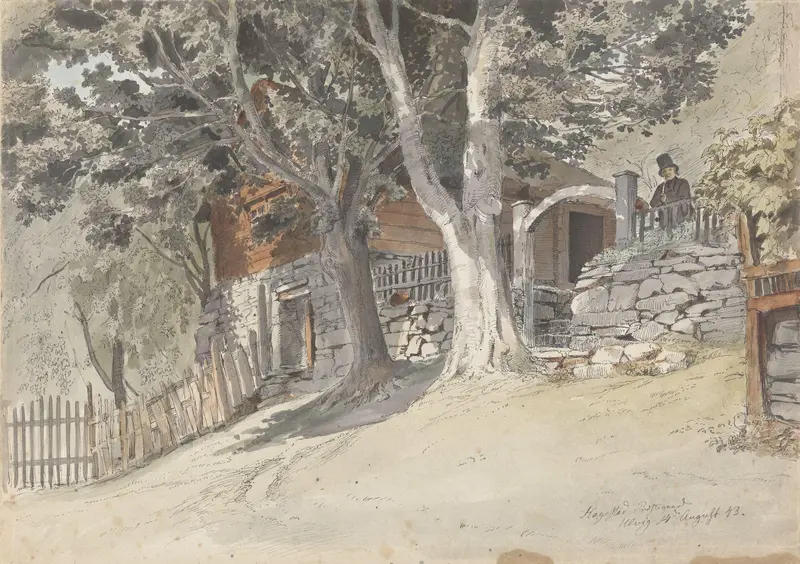
Hagestad prestegård, Ulvik i Hardanger
Adolph Tidemand
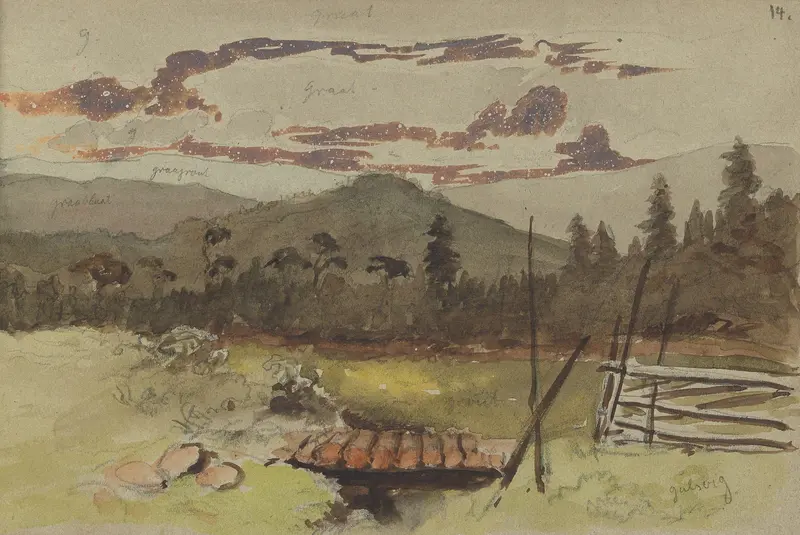
Fra Gulsvik
Adolph Tidemand
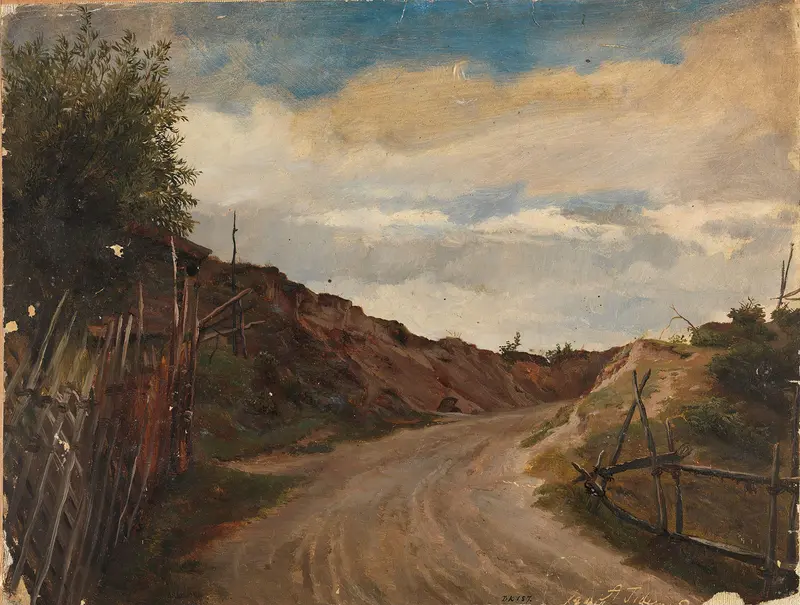
Country Road
Adolph Tidemand
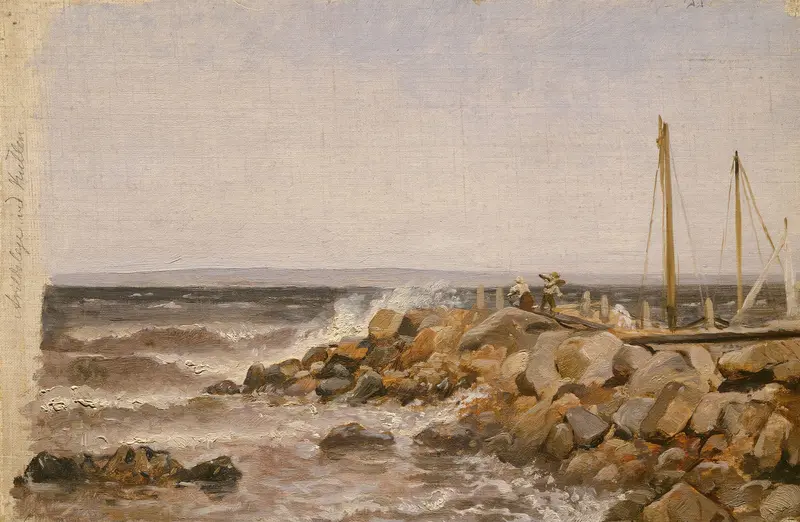
From Kullen in Sweden
Adolph Tidemand
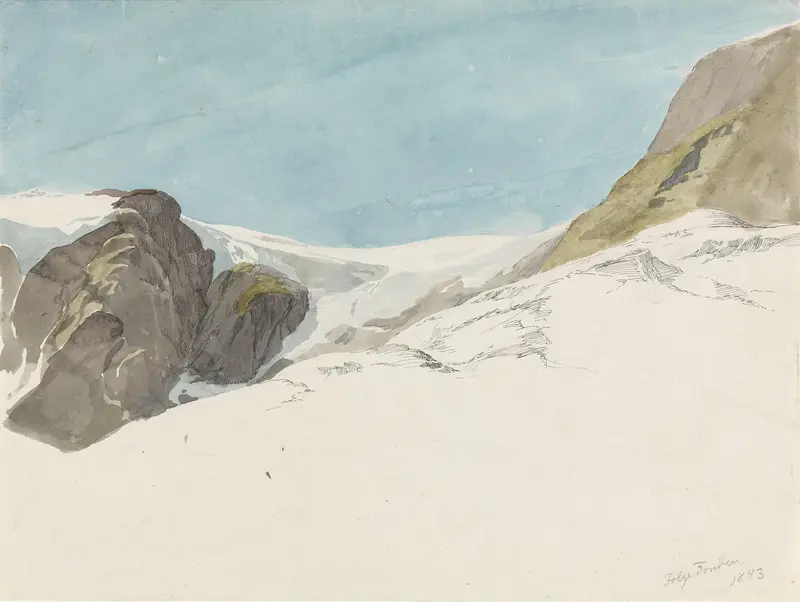
Untitled
Adolph Tidemand





