
Anton von Werner: Am 19. Juli 1870 (König Wilhelm am Sakrophag seiner Mutter, der Königin Luise, im Mausoleum zu Charlottenburg) — History & Facts
A shaft of golden light pours from the high windows, falling not on the living but on the marble effigy of a queen. The living figure, dressed in dark military uniform, stands at the foot of the sarcophagus, his head bowed, one gloved hand pressed to his brow in silent communion with the dead. The sculpted serenity of the queen’s face, bathed in radiance, draws the eye, while the checkerboard floor and deep shadows anchor the moment in sober reality.
Every detail, from the lush flowers at the steps to the crisp folds of the stone drapery, is arranged to heighten the sense of private grief made public, of memory preserved in stone and paint. Painted in 1881, Anton von Werner’s work belongs to a world where history painting served as both national narrative and personal testimony. In late nineteenth-century Germany, such images were often commissioned to commemorate turning points or to sanctify dynastic memory—here, the mausoleum becomes a stage for both royal mourning and the weight of recent political events. The cool, precise realism and the careful choreography of light and gesture are hallmarks of the era’s academic style, favored by official patrons and public institutions.
While history has kept few traces of this specific canvas, its solemn mood and theatrical composition speak to a period when art was expected to instruct, console, and inspire all at once. The longer you look, the more the interplay of stone, shadow, and silence invites you to imagine the thoughts of the solitary mourner.
More Artworks by Anton von Werner

In the Troops' Quarters before Paris
Anton von Werner
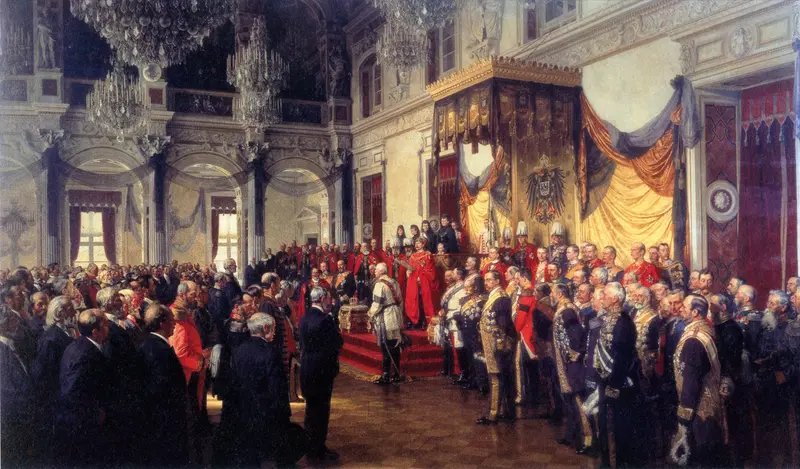
Opening of the Reichstag
Anton von Werner
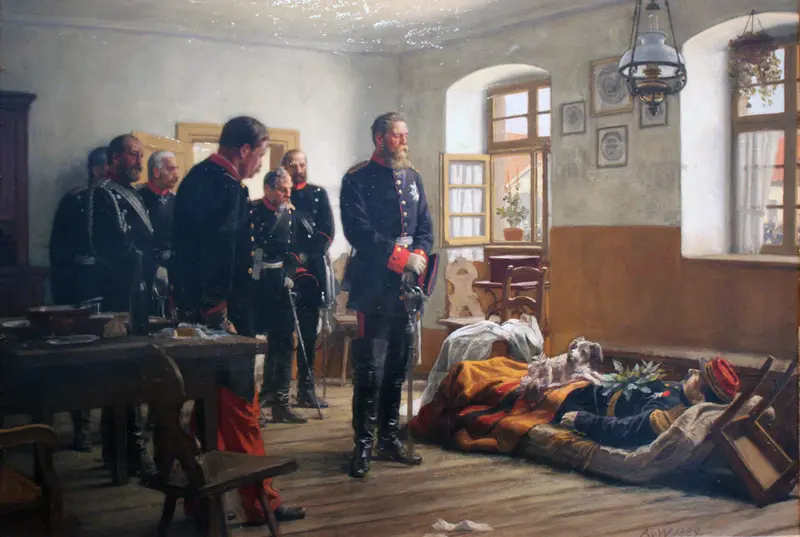
Crown Prince Friedrich Wilhelm on the body of General Abel Douay, Weissenburg on the 4th August
Anton von Werner
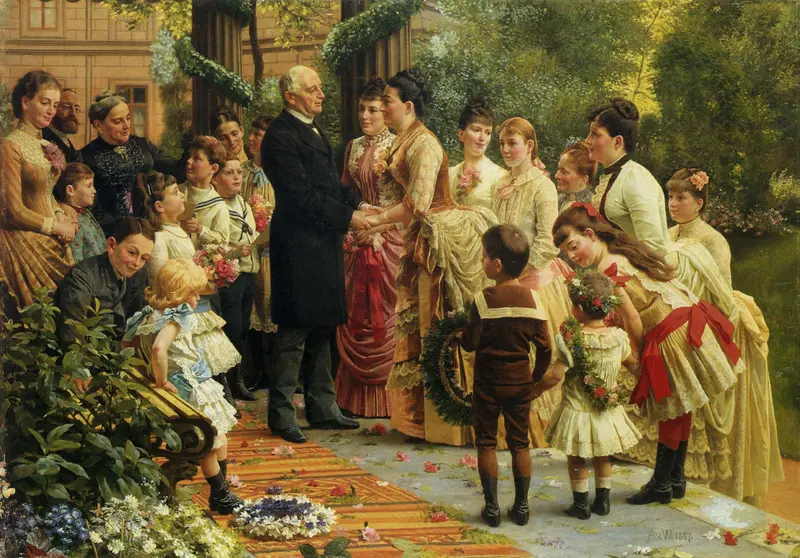
The 70th Birthday of Commercial Councilor Valentin Manheimer
Anton von Werner
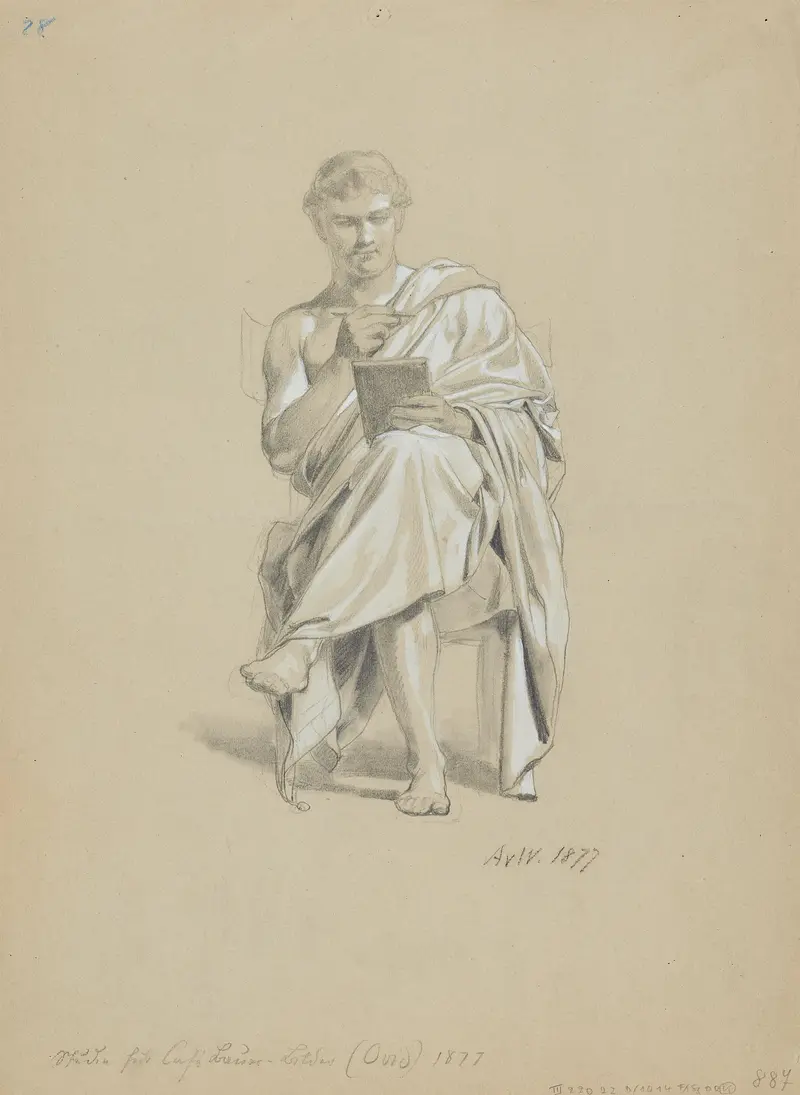
Ovid
Anton von Werner
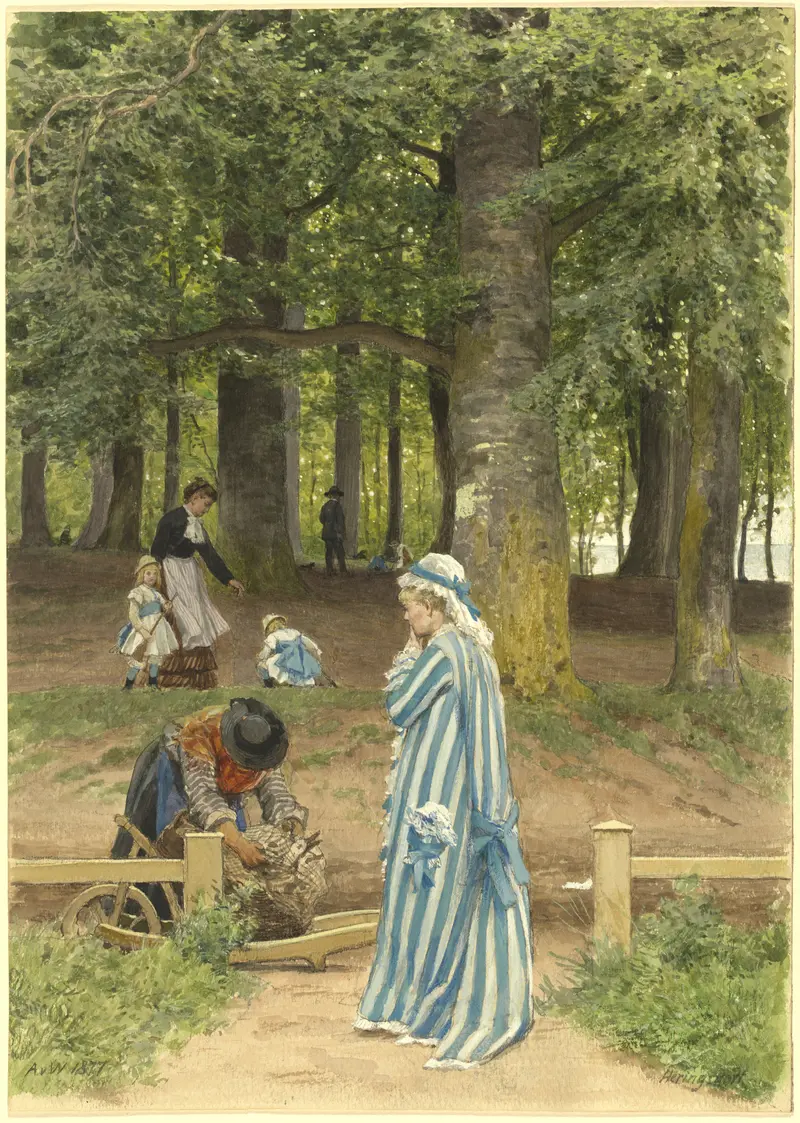
The Artist's Wife and Daughters in a Park at Heringsdorf
Anton von Werner
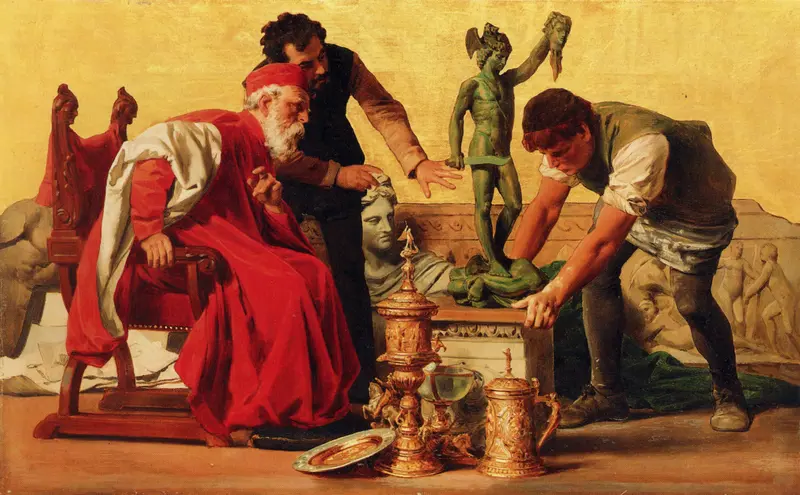
Anton von Werner Ars
Anton von Werner
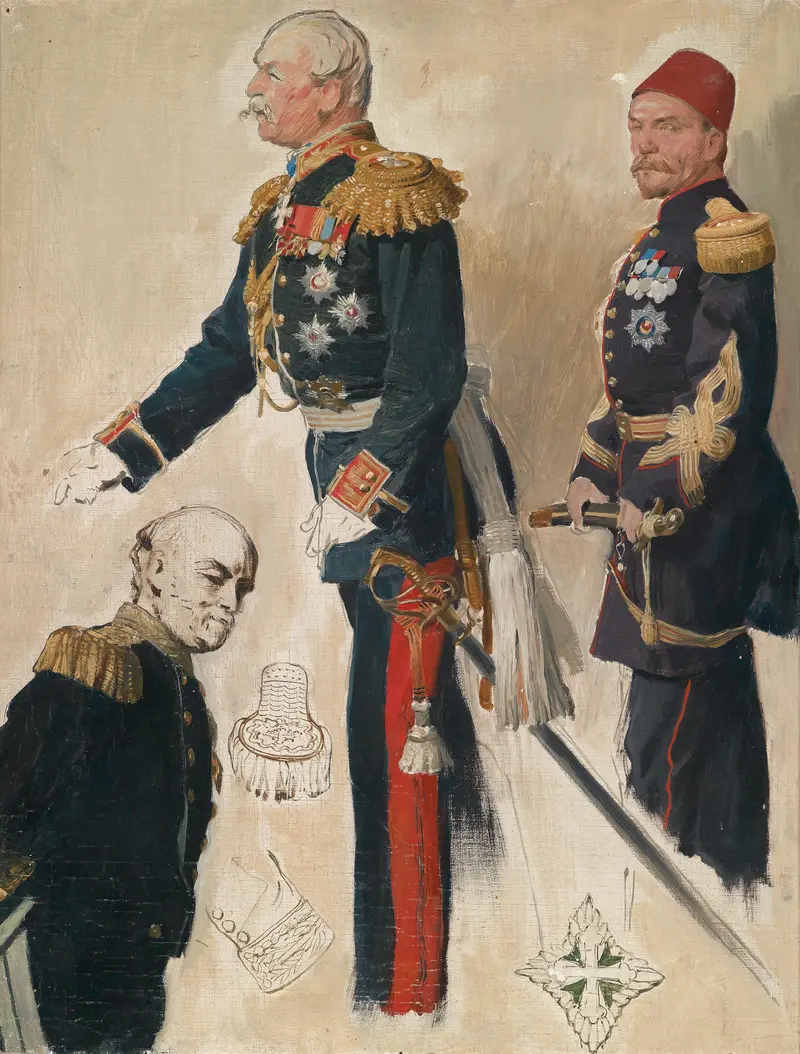
Berliner Kongress Ölskizze
Anton von Werner

LeopoldWerner
Anton von Werner
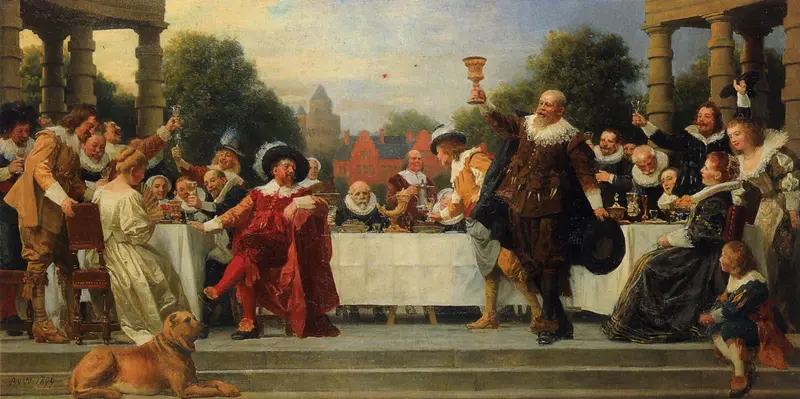
The banquet of the Mosse family
Anton von Werner





