
The Artist's Wife and Daughters in a Park at Heringsdorf — History & Facts
A shaft of cool, green light draws the eye deep into the woods, where figures in crisp blue and white seem to flicker between the trees like memories. The striped dress in the foreground is a deliberate invitation: its bold pattern and bright color make it impossible to miss, yet the woman’s posture—turned inward, almost contemplative—creates a gentle tension. Children in matching hues dart and tumble in the background, their movements echoed by the dappled sunlight that breaks through the leaves above.
Every detail, from the careful lace at a bonnet to the rough wood of a wheelbarrow, is rendered with a clarity that feels both intimate and observational, as if the artist were recording a private afternoon for posterity. Painted in 1877, The Artist’s Wife and Daughters in a Park at Heringsdorf belongs to a moment when family life and leisure were becoming central themes for artists across Europe. The late nineteenth century saw a surge in such scenes, often commissioned or cherished by the families themselves as markers of status and affection. The presence of fashionable dress and genteel pastimes—set against the cultivated wildness of a park—speaks to a world in transition, where bourgeois values and the pleasures of public space were newly celebrated.
Though little is recorded about the specific journey of this work, its presence in the National Gallery of Art’s collection today, made accessible through open access, invites us to linger a little longer in the filtered light of a vanished afternoon.
More Artworks by Anton von Werner

In the Troops' Quarters before Paris
Anton von Werner
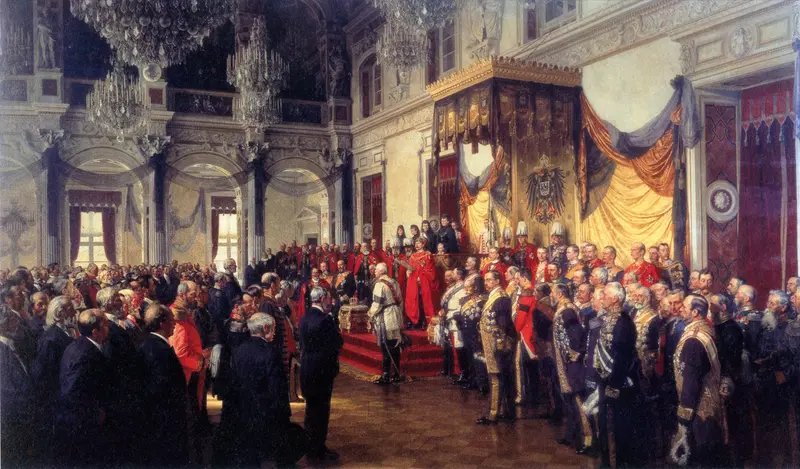
Opening of the Reichstag
Anton von Werner
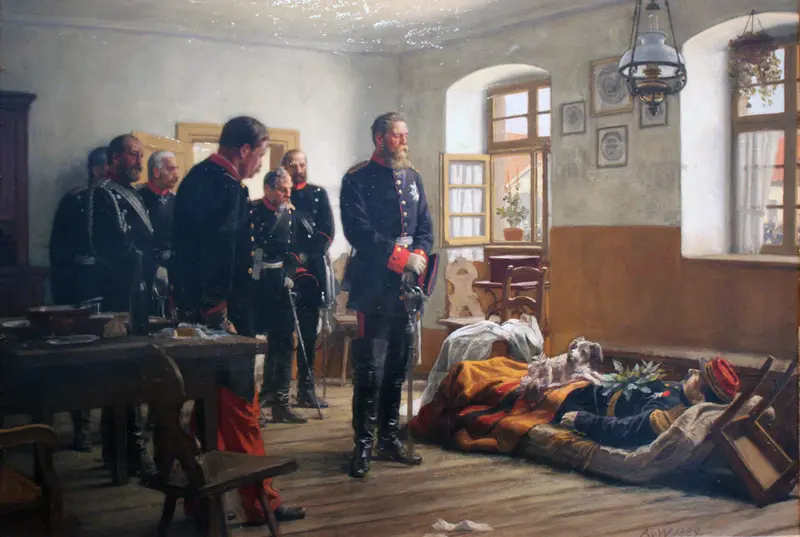
Crown Prince Friedrich Wilhelm on the body of General Abel Douay, Weissenburg on the 4th August
Anton von Werner
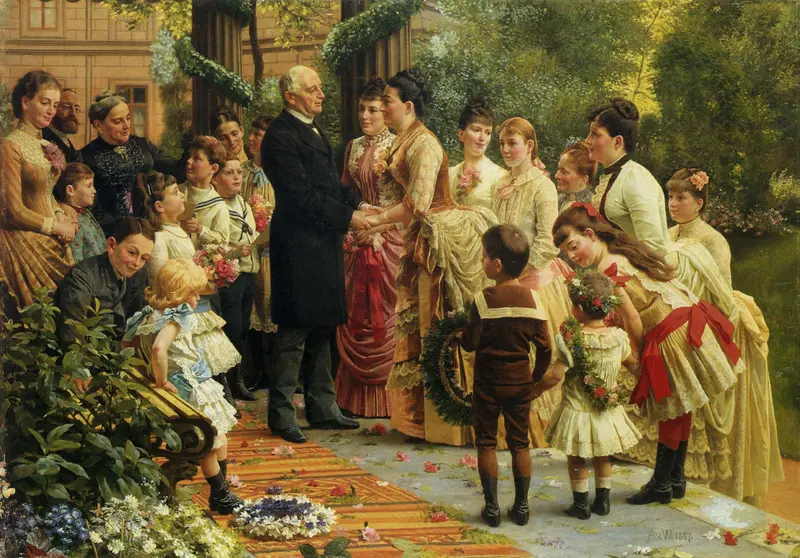
The 70th Birthday of Commercial Councilor Valentin Manheimer
Anton von Werner
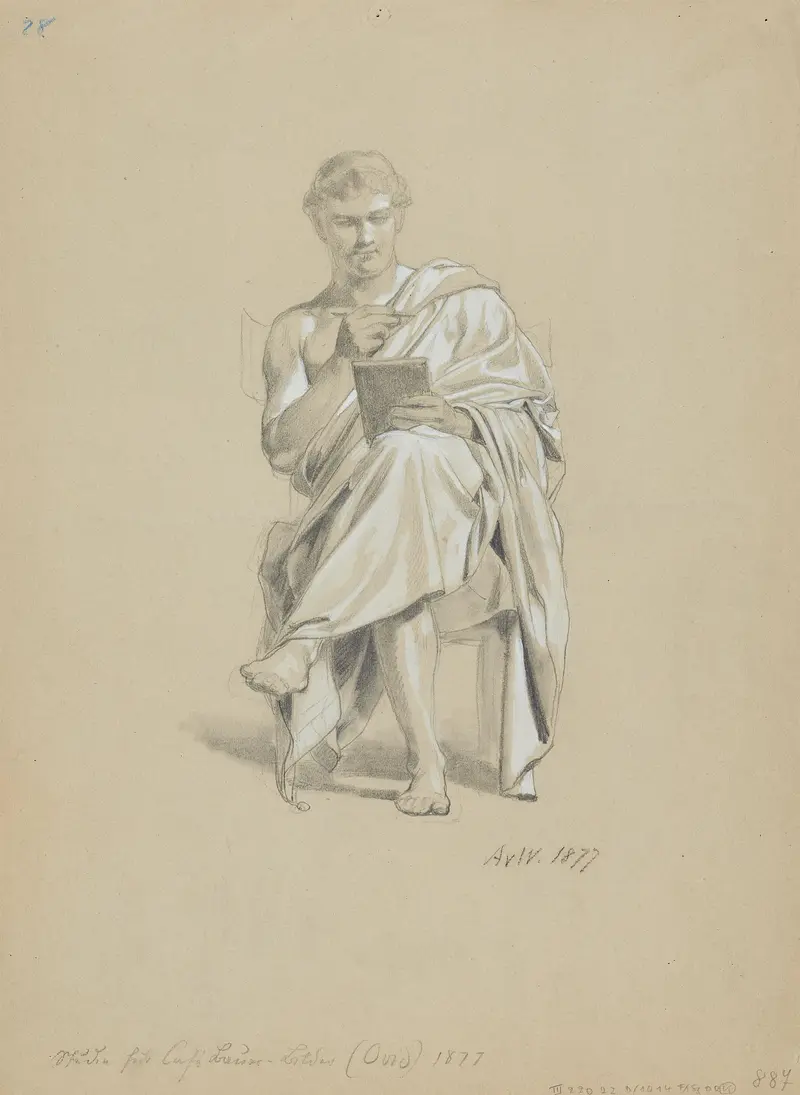
Ovid
Anton von Werner
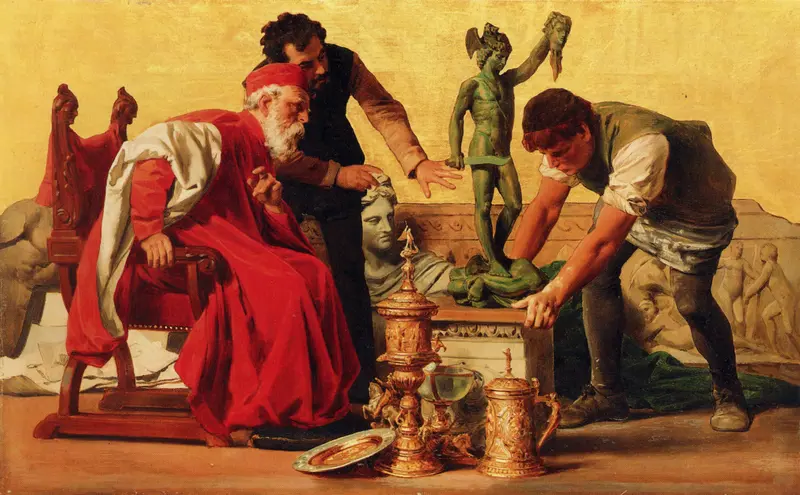
Anton von Werner Ars
Anton von Werner
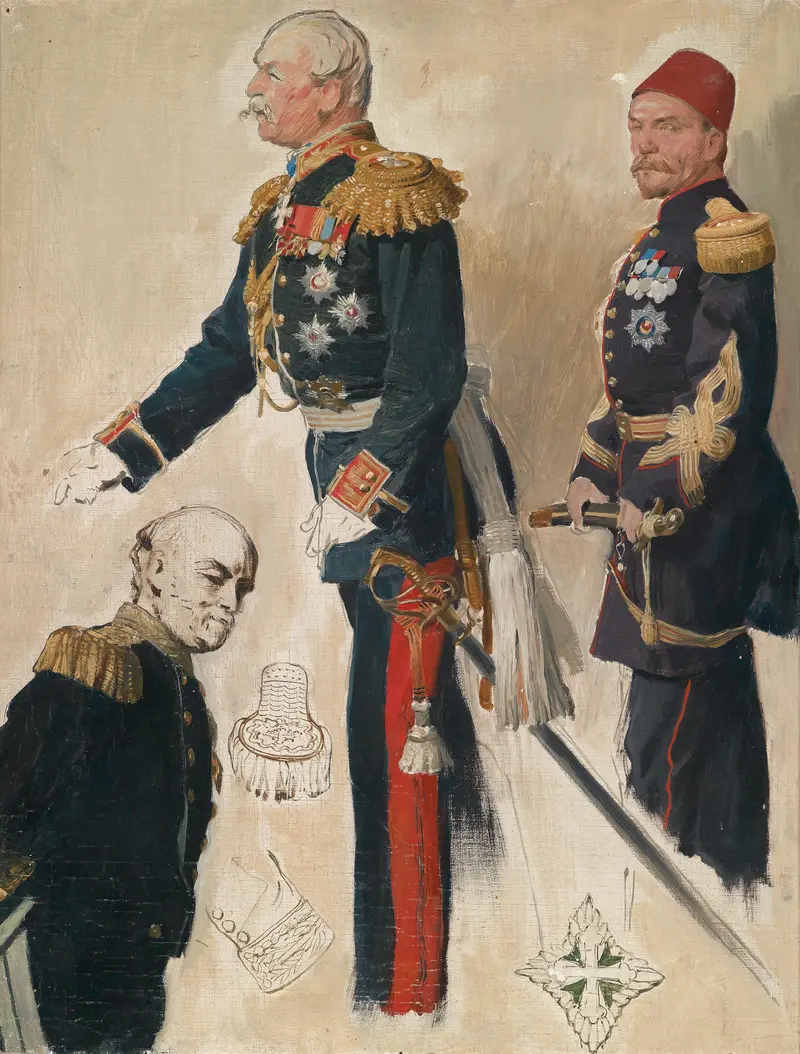
Berliner Kongress Ölskizze
Anton von Werner

LeopoldWerner
Anton von Werner
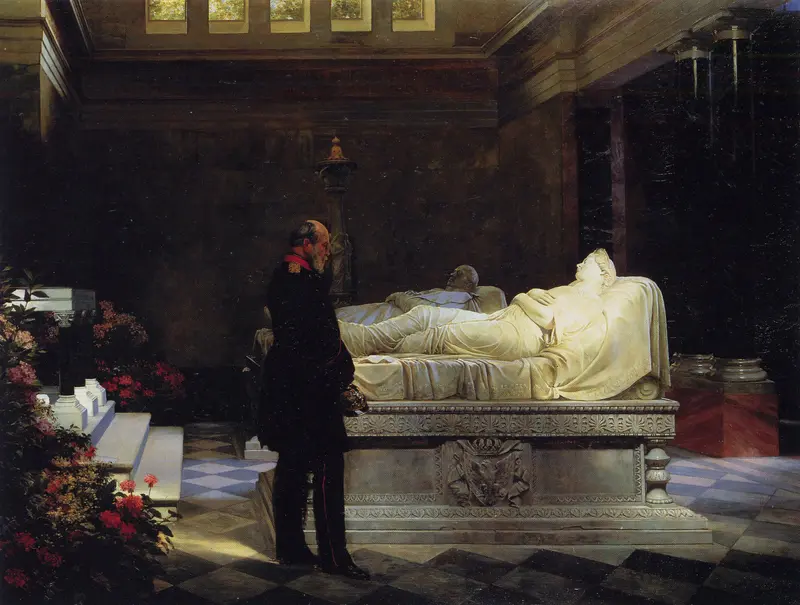
Anton von Werner: Am 19. Juli 1870 (König Wilhelm am Sakrophag seiner Mutter, der Königin Luise, im Mausoleum zu Charlottenburg)
Anton von Werner
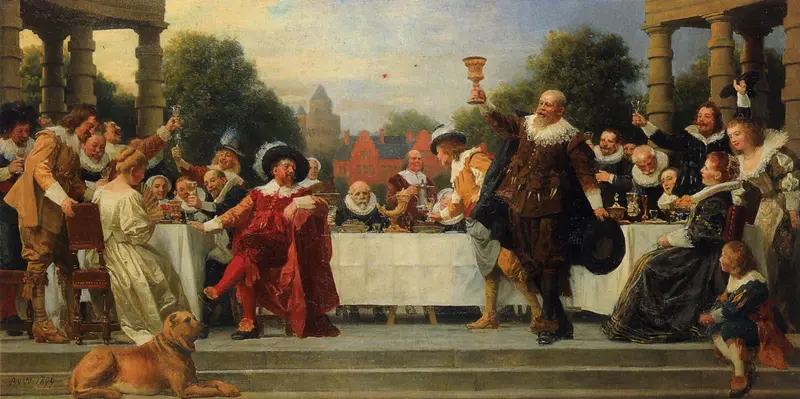
The banquet of the Mosse family
Anton von Werner
More Genre Scene Art

Banquet of the Officers of the St George Civic Guard
Frans Hals

Rembrandt and Saskia in the Scene of the Prodigal Son
Rembrandt van Rijn

Bal du moulin de la Galette
Pierre-Auguste Renoir

Quadrille at the Moulin Rouge
Henri de Toulouse-Lautrec

A Burial at Ornans
Gustave Courbet

When Will You Marry?
Paul Gauguin