
The banquet of the Mosse family — History & Facts
The first thing that seizes the eye in The banquet of the Mosse family is the sense of exuberance that ripples through the gathering—a moment caught mid-toast, with every figure animated by laughter, conversation, and the clink of raised glasses. The artist, Anton von Werner, orchestrates the scene as if it were a stage, drawing the viewer into the heart of the celebration. The composition radiates outward from the central figure who stands, goblet aloft, as if leading a toast that binds the company together.
Light falls generously across the white tablecloth, glinting off silver and glass, while the rich costumes—velvet reds, golds, and somber blacks—signal both festivity and social standing. Even the dog, lounging at the front, seems to bask in the warmth of the occasion, a silent participant in the family’s joy. Created in 1899, this oil sketch was made as a color study for a mural in the former Palais Mosse, a reminder of an era when grand family portraits and banquet scenes were not only private mementos but public declarations of status and belonging. In late nineteenth-century Germany, such works often adorned the homes of prominent families, celebrating both lineage and the rituals that cemented social ties.
The painting now belongs to the Berlin Museum, Jewish Museum Department, its dimensions and preparatory nature suggesting it was a working tool as much as a finished artwork. History has kept few traces of the original mural’s fate, but this sketch remains—a window onto the aspirations and conviviality of its age, inviting us to linger among the revelers and imagine their world.
More Artworks by Anton von Werner

In the Troops' Quarters before Paris
Anton von Werner
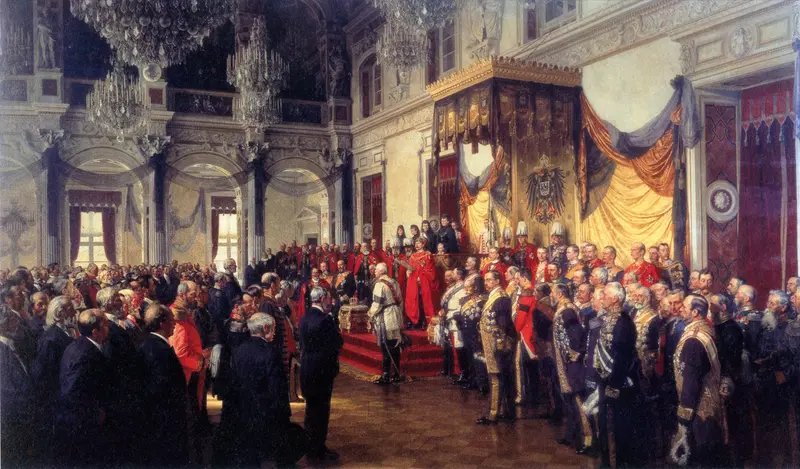
Opening of the Reichstag
Anton von Werner
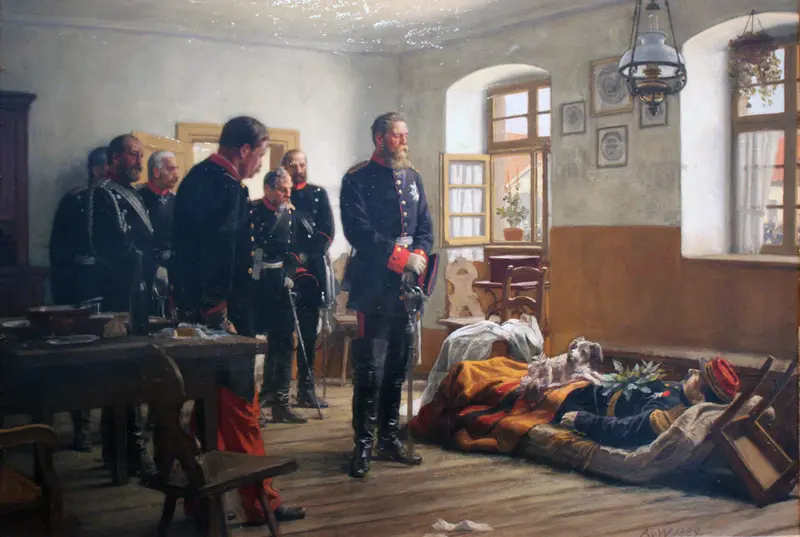
Crown Prince Friedrich Wilhelm on the body of General Abel Douay, Weissenburg on the 4th August
Anton von Werner
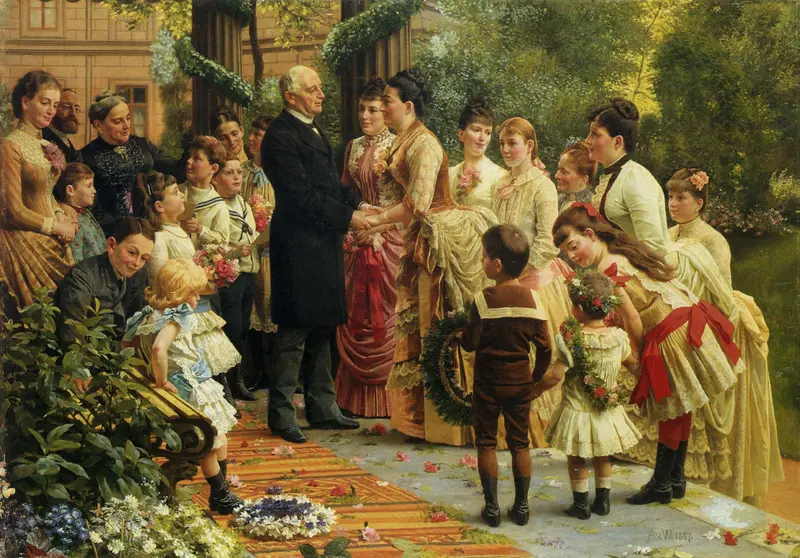
The 70th Birthday of Commercial Councilor Valentin Manheimer
Anton von Werner
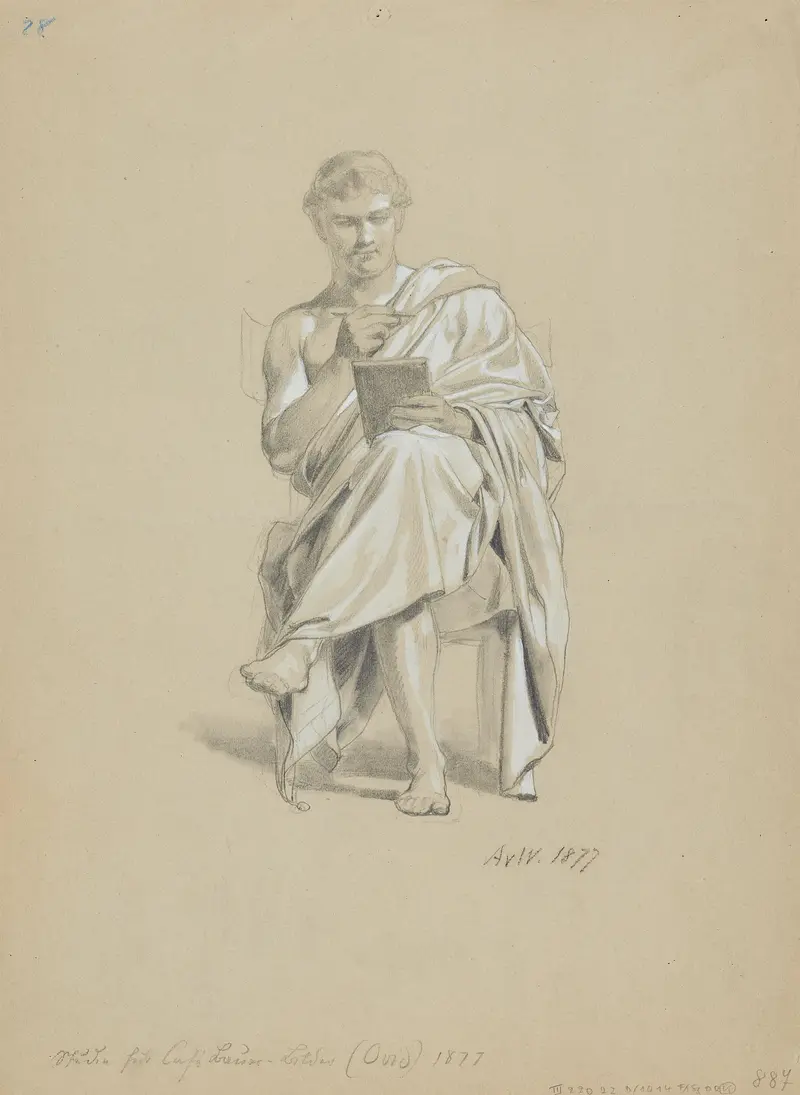
Ovid
Anton von Werner
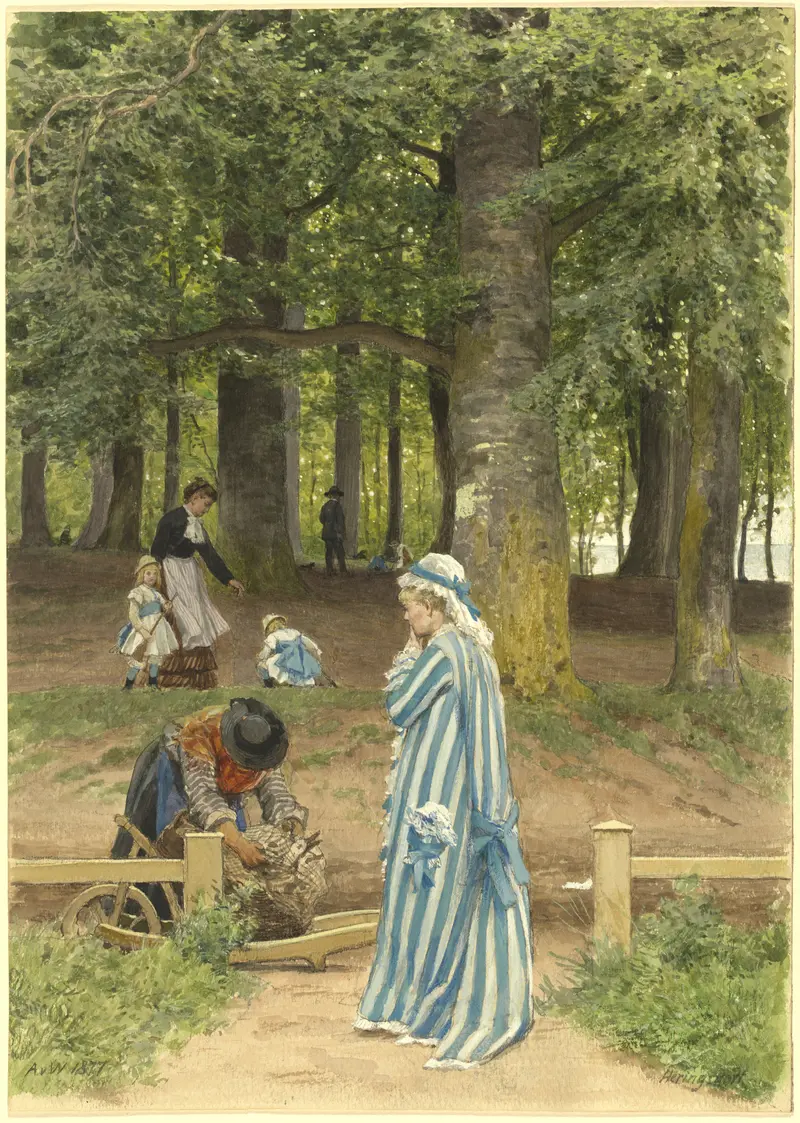
The Artist's Wife and Daughters in a Park at Heringsdorf
Anton von Werner
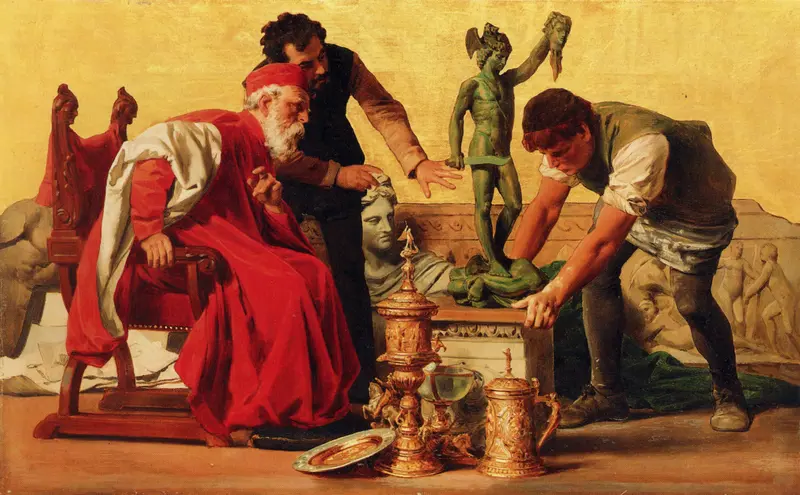
Anton von Werner Ars
Anton von Werner
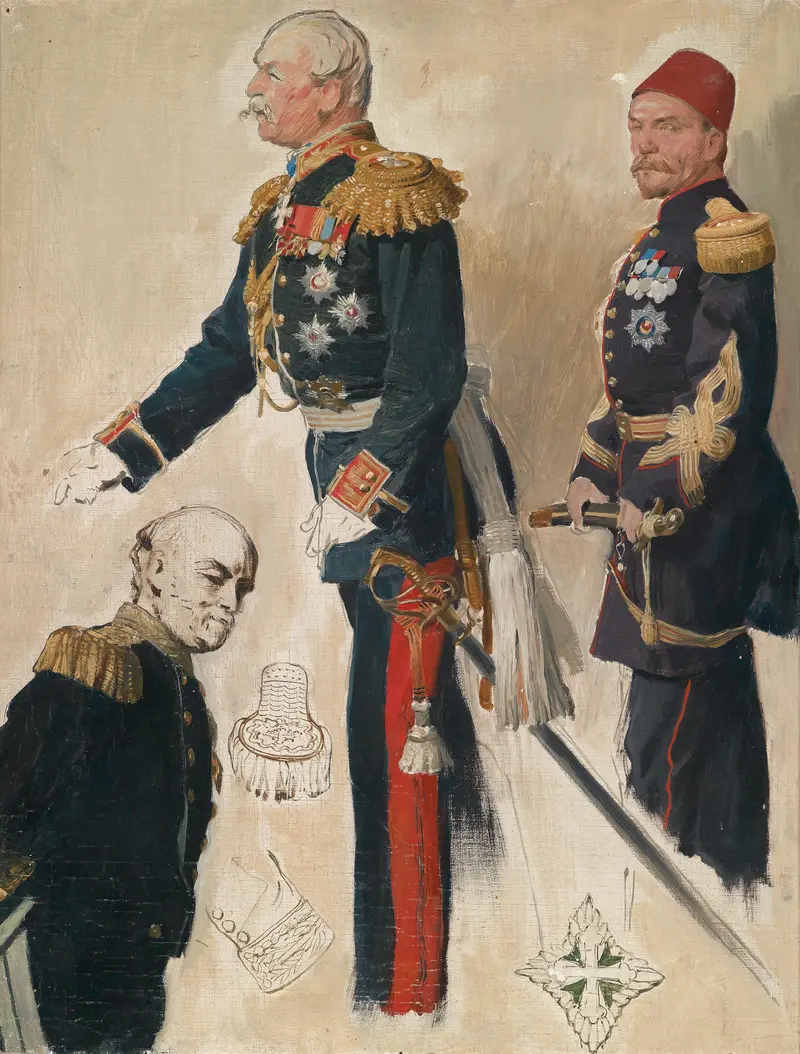
Berliner Kongress Ölskizze
Anton von Werner
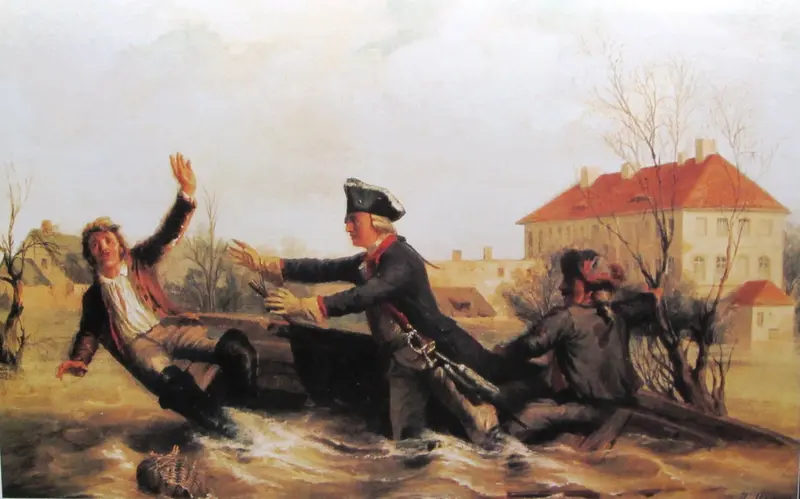
LeopoldWerner
Anton von Werner
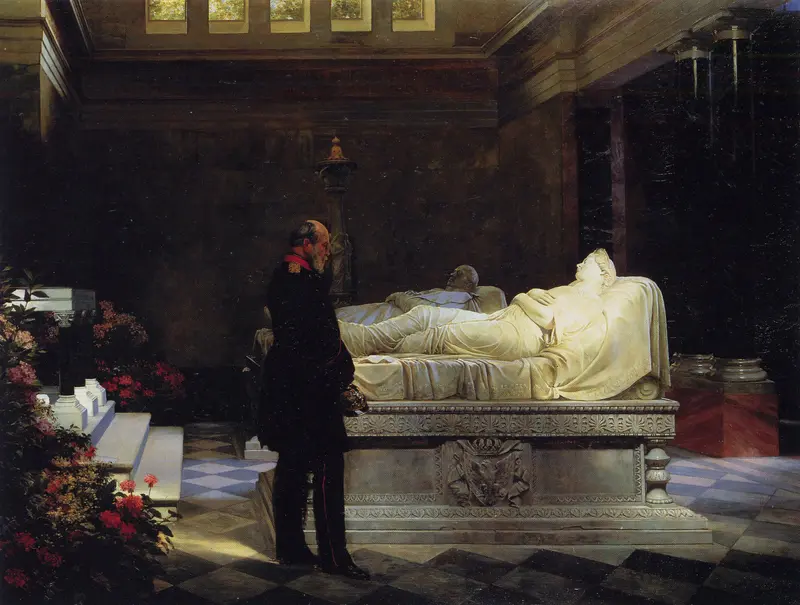
Anton von Werner: Am 19. Juli 1870 (König Wilhelm am Sakrophag seiner Mutter, der Königin Luise, im Mausoleum zu Charlottenburg)
Anton von Werner
More Genre Scene Art

Banquet of the Officers of the St George Civic Guard
Frans Hals

Rembrandt and Saskia in the Scene of the Prodigal Son
Rembrandt van Rijn

Bal du moulin de la Galette
Pierre-Auguste Renoir

Quadrille at the Moulin Rouge
Henri de Toulouse-Lautrec

A Burial at Ornans
Gustave Courbet

When Will You Marry?
Paul Gauguin