
Opening of the Reichstag — History & Facts
The sweep of gold and crimson under crystal chandeliers draws the eye instantly to the raised dais, where the drama of power and ceremony unfolds at the heart of the White Hall. Every figure in this crowded scene is caught in a moment of expectation, their faces turned toward the throne beneath the imperial eagle. The painter’s command of light is unmistakable: it pours in from tall windows, illuminating the assembled dignitaries and catching on the elaborate uniforms and medals, while the shadows at the edges remind us of the sheer scale of the gathering.
The composition is a careful choreography—each gesture, each glance, each fold of fabric reinforcing the sense of hierarchy and ritual. The viewer is invited to linger over the details: the glint of a sword hilt, the subtle distinction between military and civilian dress, the way the red robes set the central figures apart from the sea of dark coats. This is a world in which public ceremony was both spectacle and statement, painted in 1893 when the memory of imperial grandeur was still fresh in German minds. Such state occasions were meticulously staged to reinforce the legitimacy and unity of the new German Empire, and paintings like this—commissioned or collected for official spaces—became part of the machinery of national identity.
Anton von Werner was celebrated for capturing the theatre of power, and his works often served as the visual record of moments when history and politics converged. The painting now belongs to the Bismarcks Reichstag collection, a reminder of an age when art and statecraft marched side by side. Stand before it and you are not only witnessing a ceremony, but also entering a world determined to be seen, remembered, and believed.
More Artworks by Anton von Werner

In the Troops' Quarters before Paris
Anton von Werner
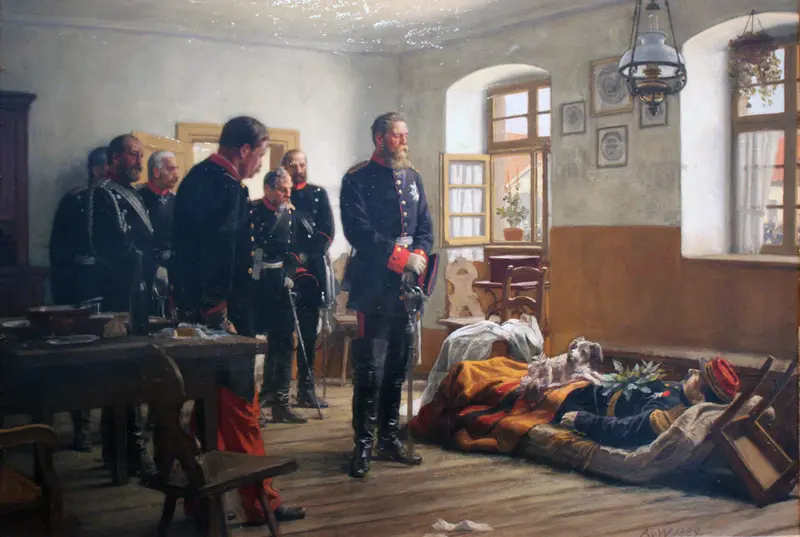
Crown Prince Friedrich Wilhelm on the body of General Abel Douay, Weissenburg on the 4th August
Anton von Werner
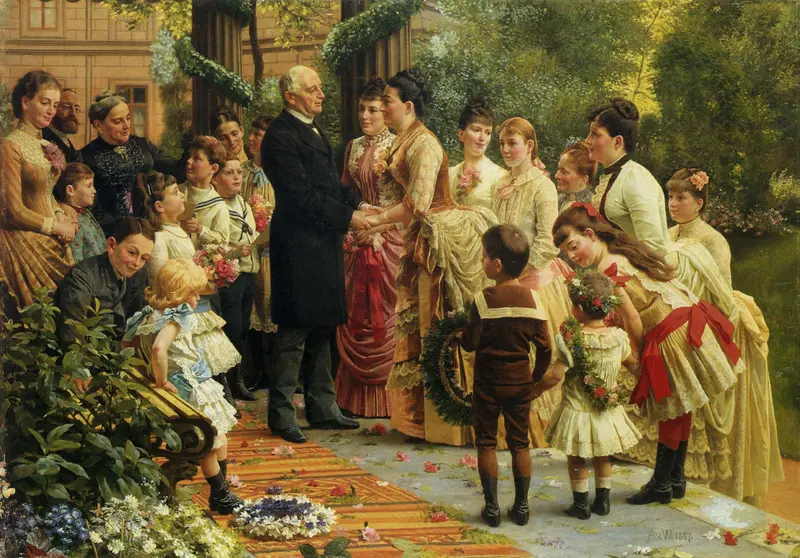
The 70th Birthday of Commercial Councilor Valentin Manheimer
Anton von Werner
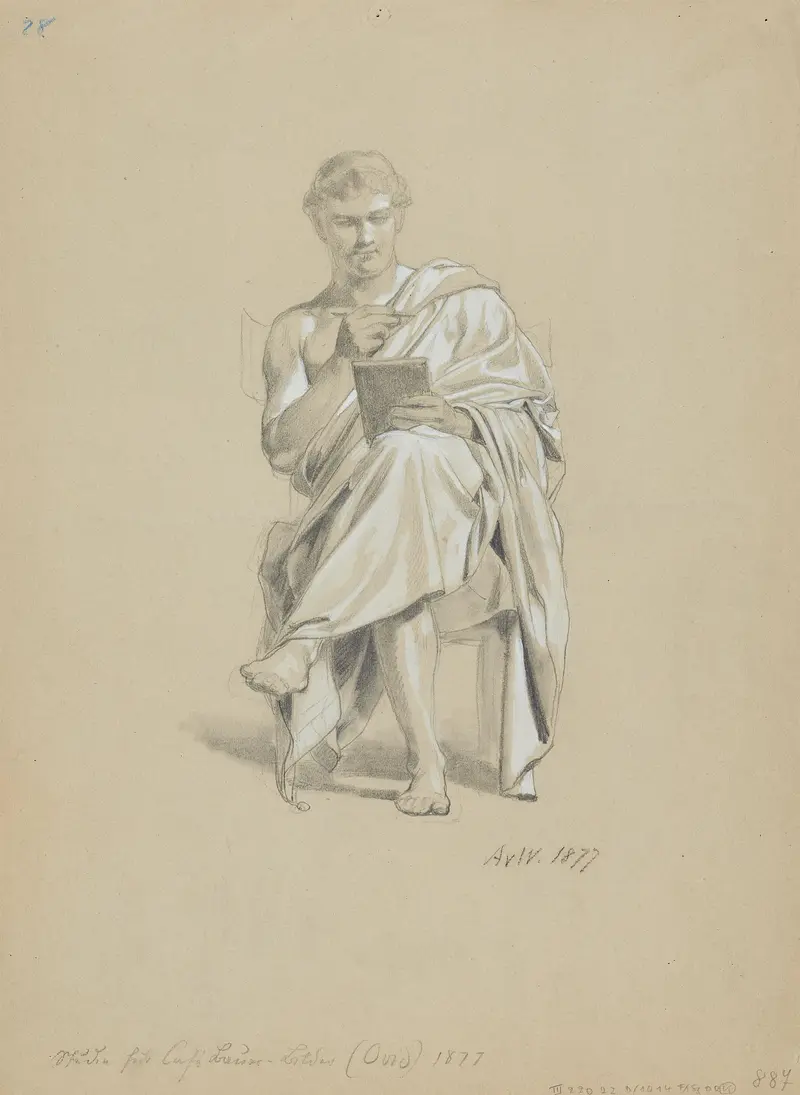
Ovid
Anton von Werner
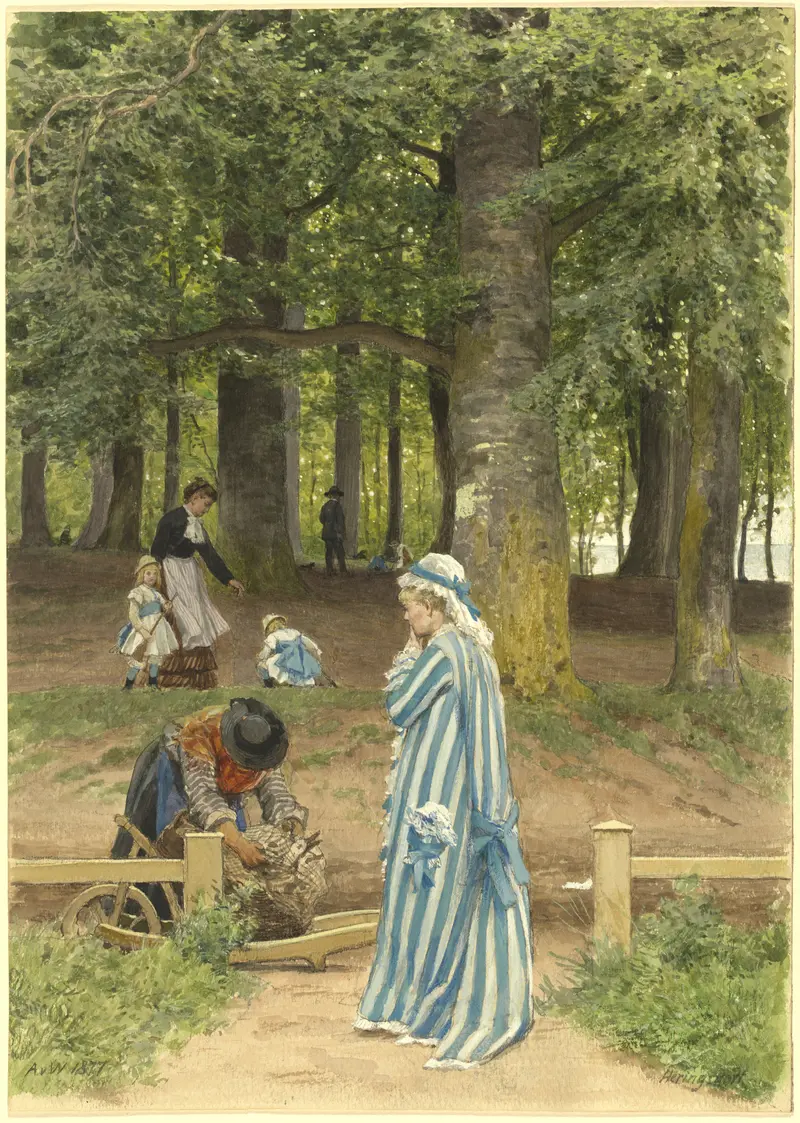
The Artist's Wife and Daughters in a Park at Heringsdorf
Anton von Werner
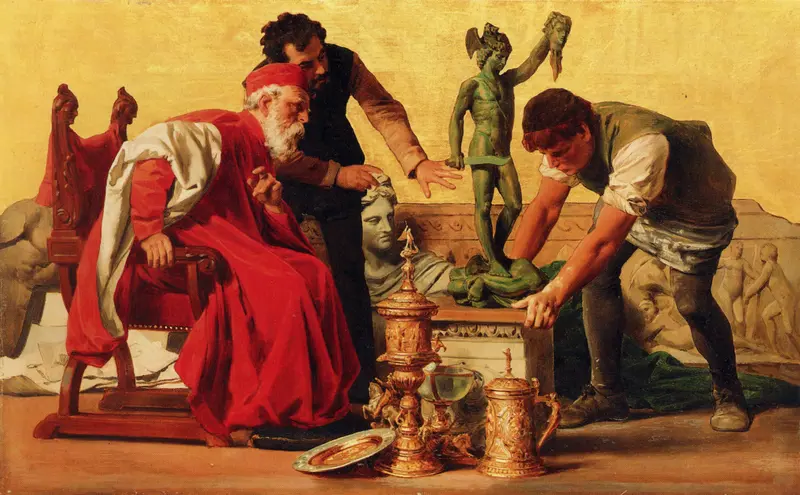
Anton von Werner Ars
Anton von Werner
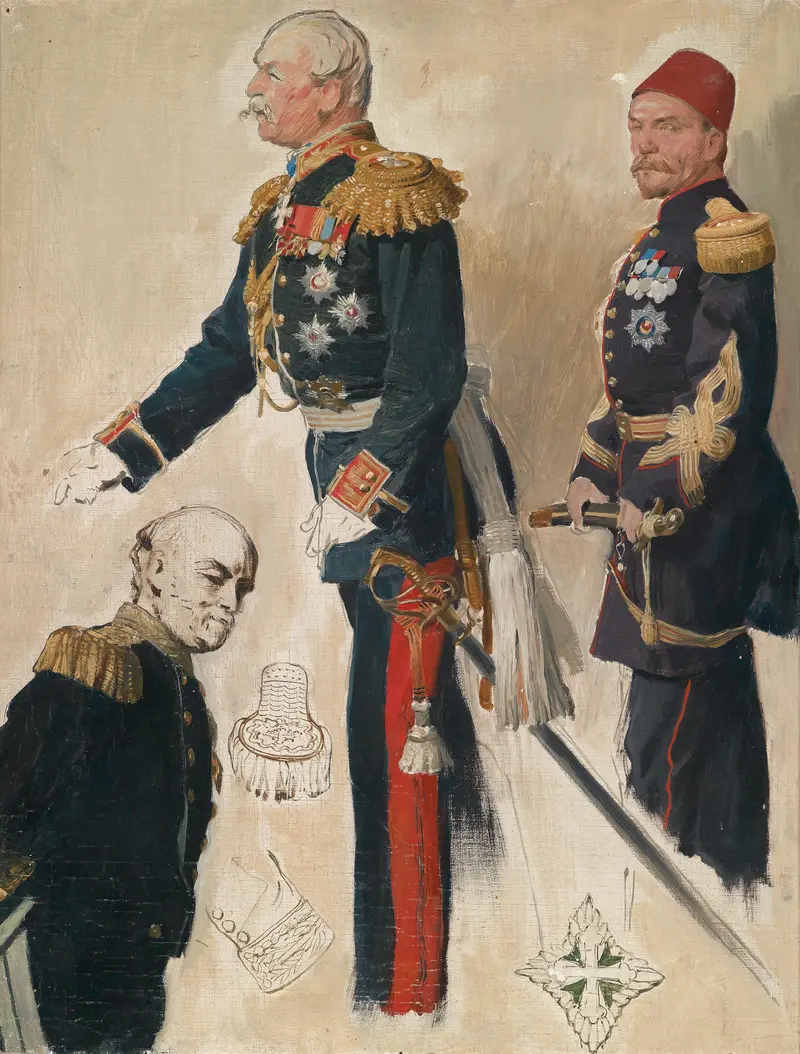
Berliner Kongress Ölskizze
Anton von Werner
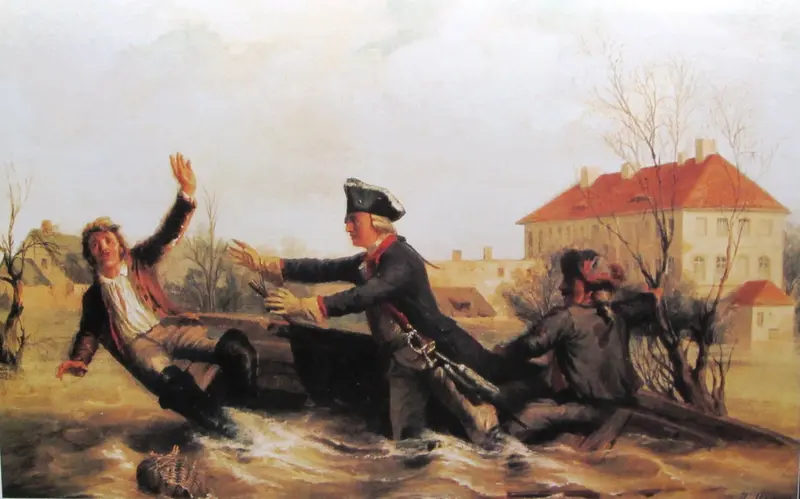
LeopoldWerner
Anton von Werner
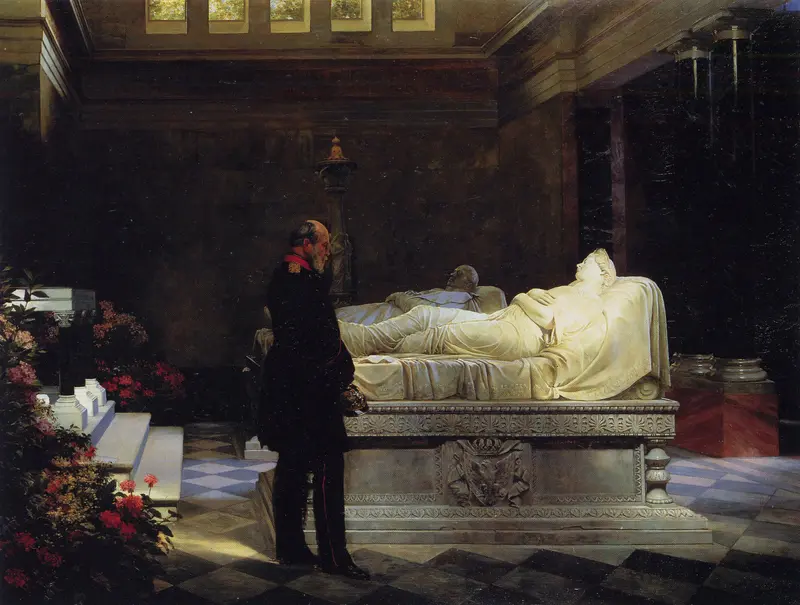
Anton von Werner: Am 19. Juli 1870 (König Wilhelm am Sakrophag seiner Mutter, der Königin Luise, im Mausoleum zu Charlottenburg)
Anton von Werner
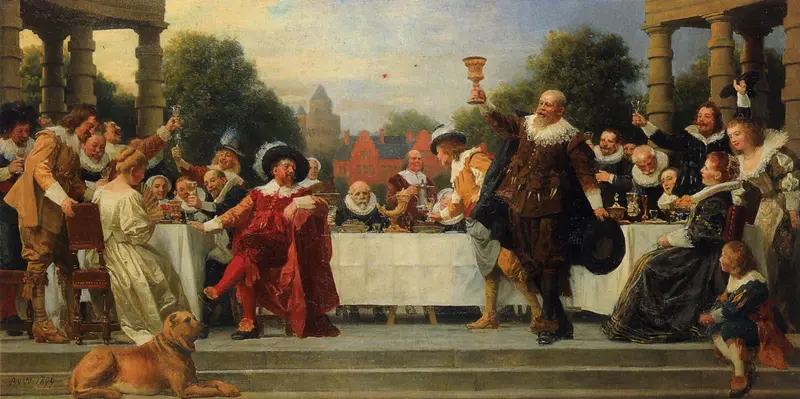
The banquet of the Mosse family
Anton von Werner





